
Copyright © 2026 VPM, all rights reserved.
PBS is a 501(c)(3) not-for-profit organization.
VPM News Morning Edition
NEXT UP: 9:00 AM

Thanks to our sponsors – Become a Sponsor

Colorado Shifting From Republican To Swing State

LYNN NEARY, HOST:

And now to NPR’s Jeff Brady. Jeff, you’re joining us from another swing state, Colorado. Where exactly are you and what are you hearing from people there?

JEFF BRADY, BYLINE: I’m in Aurora, Colorado and it is beautiful outside. It’s 70 degrees, about 70 degrees, beautiful blue sky, a little bit of a breeze, but perfect weather for voting. We’re in Arapaho County, which is one of the swing counties that we’re going to be watching closely as the election returns come in tonight. Apparently, the lines here were pretty long this morning. Some people were talking about two or three hours.

We haven’t seen that. We did talk to a few people that had to wait for about an hour and from those coming out after voting, I’ve heard two messages really. For those who picked Barack Obama, they talk about his support for abortion rights was important and then most said that he just needs more time, that he inherited a bad economy and needs more time to improve it.

And among those supporting Mitt Romney, we heard over and over that this election is all about the economy and reducing the size of government and the federal deficit.

NEARY: And for a state that only has nine electoral votes, Colorado’s been getting a lot of attention. Why is that?

BRADY: Well, you know, Colorado’s been reliably Republican for a long time, but it’s trending Democratic in the past few elections. Barack Obama won in 2008 fairly easily here. It looks like it’s going to be a closer race this time, though, and the key is the nearly one-third of voters who don’t belong to a political party. Nobody can win here without them and talking with unaffiliated voters today, they’re pretty split and so it could be a nail-biter tonight.

NEARY: All right, thanks so much, Jeff.

BRADY: Thank you, Lynn.

NEARY: NPR’s Jeff Brady, joining us from Aurora, Colorado. Transcript provided by NPR, Copyright NPR.

NPR transcripts are created on a rush deadline by an NPR contractor. This text may not be in its final form and may be updated or revised in the future. Accuracy and availability may vary. The authoritative record of NPR’s programming is the audio record.
Tags

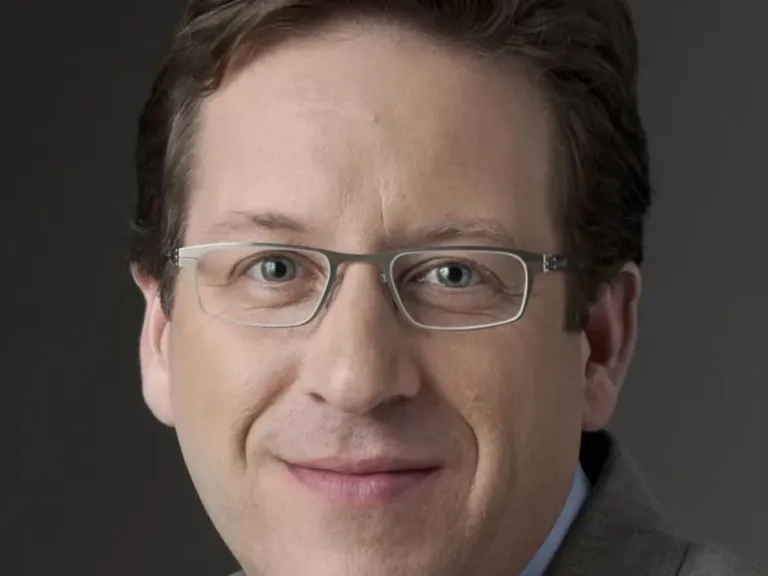
Jeff Brady is the Climate and Energy Correspondent on NPR's Climate Desk. He reports on the intersection of climate change and politics to reveal whether and how the U.S. is meeting its obligations to address the breakdown of the climate. And his reporting examines who's reshaping the energy system and who are the winners and losers. A key element of Brady's reporting is holding accountable those who block or stall efforts to address climate change in an effort to preserve their business.

Brady approaches stories from the consumer point-of-view to make clear how climate and energy policy-making affects individual lives. He has reported on gas utilities facing an uncertain future in a world more concerned about climate change, the long saga over the Keystone XL oil pipeline, the closing of a light bulb factory in Pennsylvania and how gas ranges pollute homes and make climate change worse.

In 2017 his reporting showed a history of racism and sexism that have made it difficult for the oil business to diversify its workforce. A union at the center of that reporting now faces a class-action lawsuit from its Black members.

In 2011 Brady led NPR's coverage of the Jerry Sandusky child sexual abuse scandal at Penn State—from the night legendary football coach Joe Paterno was fired to the trial where Sandusky was found guilty.

In 2005, Brady was among the NPR reporters who covered the aftermath of Hurricane Katrina. His reporting on flooded cars left behind after the storm exposed efforts to stall the implementation of a national car titling system. Today, the National Motor Vehicle Title Information System is operational and the Department of Justice estimates it could save car buyers up to $11 billion a year.

Before coming to NPR in September 2003, Brady was a reporter at Oregon Public Broadcasting (OPB) in Portland. He has also worked in commercial television as an anchor and a reporter, and in commercial radio as a talk-show host and reporter.

Brady graduated with a Bachelor of Arts in Communications from Southern Oregon State College (now Southern Oregon University). In 2018 SOU honored Brady with its annual "Distinguished Alumni" award.

Related Stories