Updated April 17, 2025 at 14:11 PM ET
For Pooja Bavishi, ice cream is not just a sweet treat: It’s a mission.
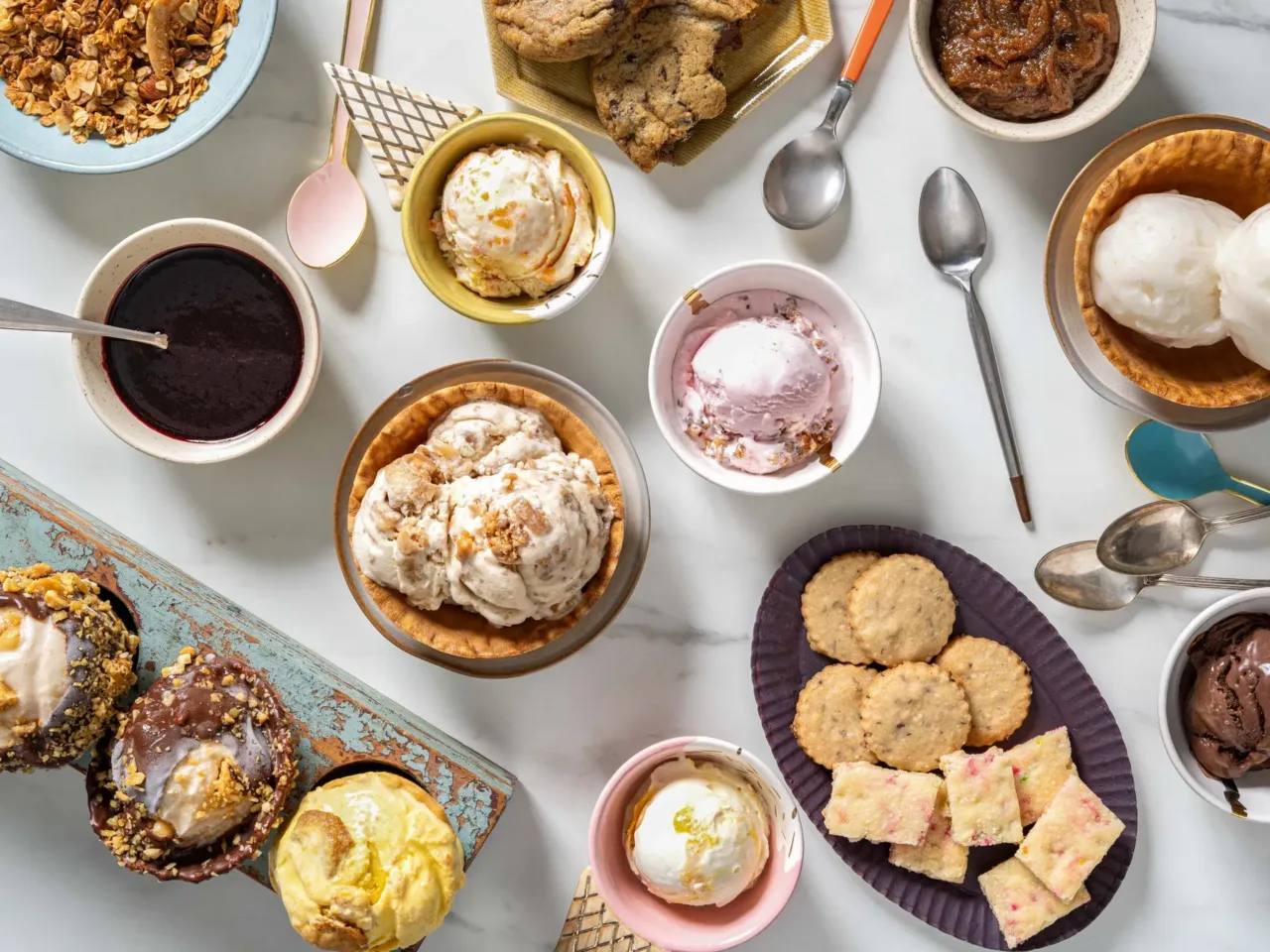
“When I started Malai, the goal was always to change the way that ice cream is perceived in this country,” Bavishi told NPR’s Leila Fadel. “It used to be one of the only categories where you expect to see certain flavors, ” Bavishi said. “But why isn’t it as typical to pull a pint of masala chai as it is to pull a pint of cookies and cream?”
Bavishi is the founder and CEO of Malai, a New York-based ice cream company specializing in South Asian-inspired flavors. The company’s flagship store is in Brooklyn, but it also ships ice cream nationwide. Bavishi’s newest venture is a cookbook with the same name.
“This book is not at all supposed to be intimidating in either the flavor profile or the technique, ” Bavishi said. “It actually is supposed to be an everyday book. So if you have a dinner party on a weekend or a Tuesday night, and you want to make something really, really delicious and really want to wow your guests, you will turn to Malai.”
The cookbook’s recipes range from apple pie ice cream to orange fennel French toast. The flavors are mainly inspired by South Asian desserts, but Bavishi, who was raised in North Carolina by Indian immigrants, said that her goal is never to just cater to people who like South Asian flavors.
“The point of Malai is not to be the best Indian ice cream that you’ve ever had, ” Bavishi said. “It’s the best ice cream.”
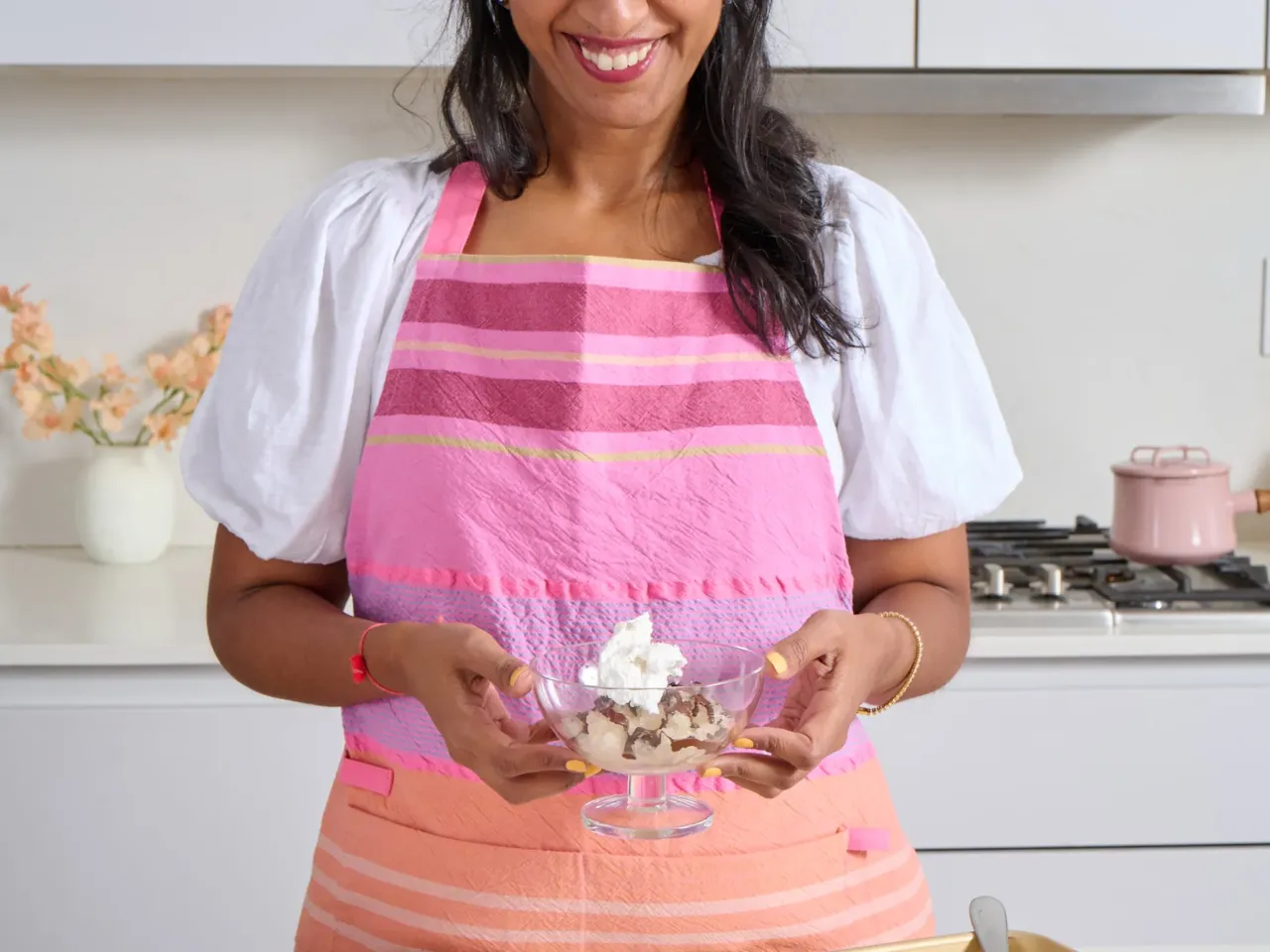
NPR’s Morning Edition visited Bavishi at her store in Washington, D.C., to learn more about her new cookbook and her journey to making ice cream for a living.
This interview has been edited and condensed for clarity.
Interview highlights
Leila Fadel: I want to start with the name of both your books and also your store. Where did it come from?
Pooja Bavishi: So, Malai, it figuratively means cream of the crop. Malai translates to “the best of something,” but it also means cream. When I started Malai, it was always going to be Indian-inspired ice cream. So it felt like a really appropriate name for the brand.
Fadel: Why ice cream?
Bavishi: Why not ice cream? Ice cream is truly one of the best desserts out there. It’s frozen, it’s creamy, it’s sweet. It’s all the things. There’s literally no one who does not like ice cream.
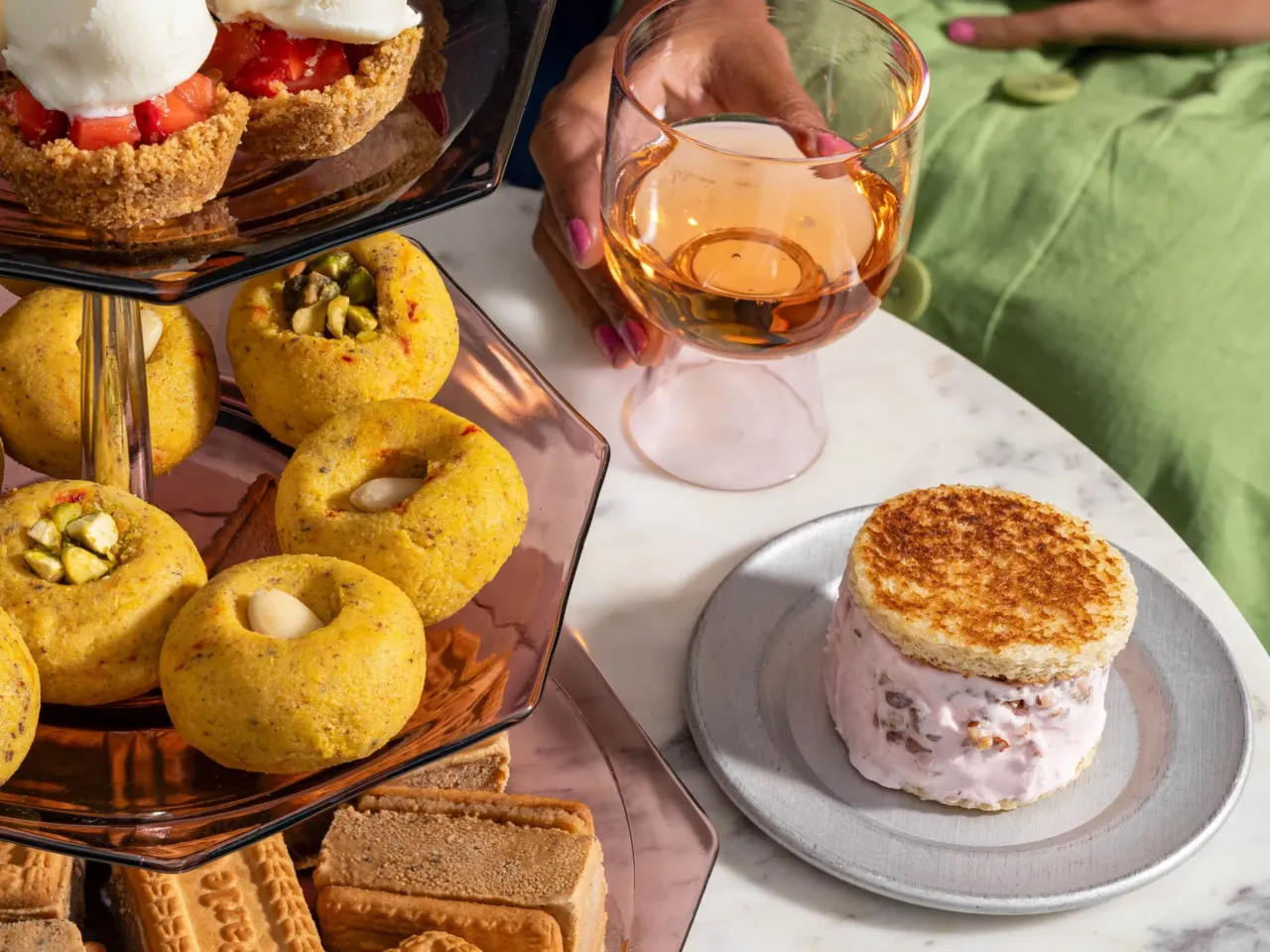
Fadel: I want to get more into the way that you’ve found and chosen your flavors because they span from an apple pie ice cream and white chocolate cheesecake ice cream to rose almond and saffron pistachio.
Bavishi: Yeah, absolutely. I mean, I think that that’s the total spectrum of what influences me. I think that’s the point that I’m trying to make in the book.
The white chocolate cheesecake ice cream — that’s what got me into desserts and food in the first place. I saw Mrs. Fields making a white chocolate cheesecake on TV when I was 10 years old, and I told my mom that I wanted to make that. She was like, “okay, the kitchen is yours.” So I made it, and it was terrible. I cut the cheesecake when it was still warm, so it was kind of soupy. And to this day, I distinctly remember giving, you know, “pieces” — it was really like in bowls scooped out — to my parents and my sister. And they were like, “This is delicious.” And I was like, “This is kind of amazing.” Dessert will always bring joy, even if it’s soup and it’s not supposed to be soup.
Suzanne Nuyen edited this story.
Copyright 2025 NPR