Updated June 11, 2025 at 15:17 PM ET
As a child, when you thought about what you wanted to be when you grew up, what did you say?
Maybe it was working as an astronaut, a doctor or even a Navy SEAL?
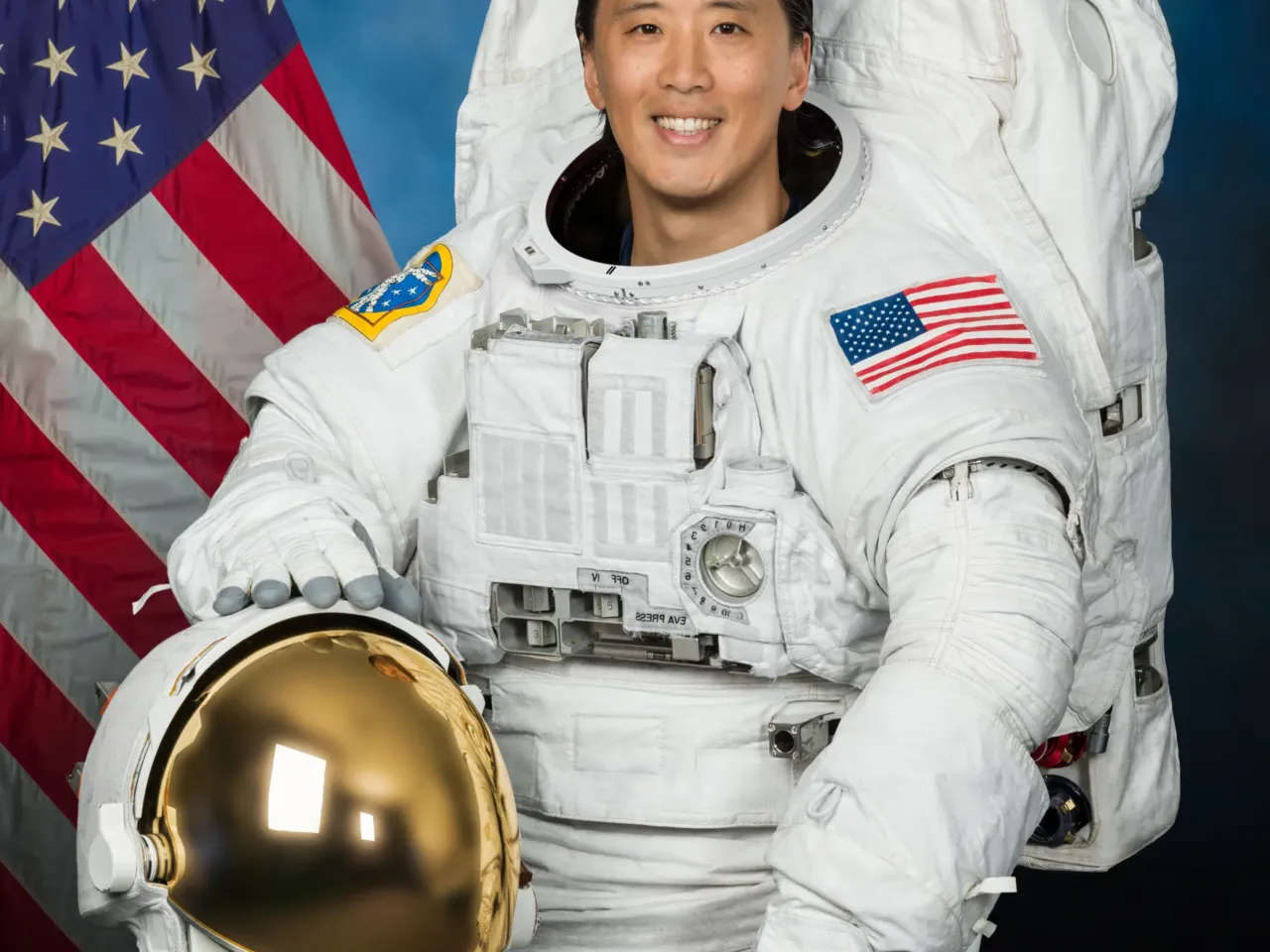
Well, for Astronaut Jonny Kim, that resume of dream jobs is his reality.
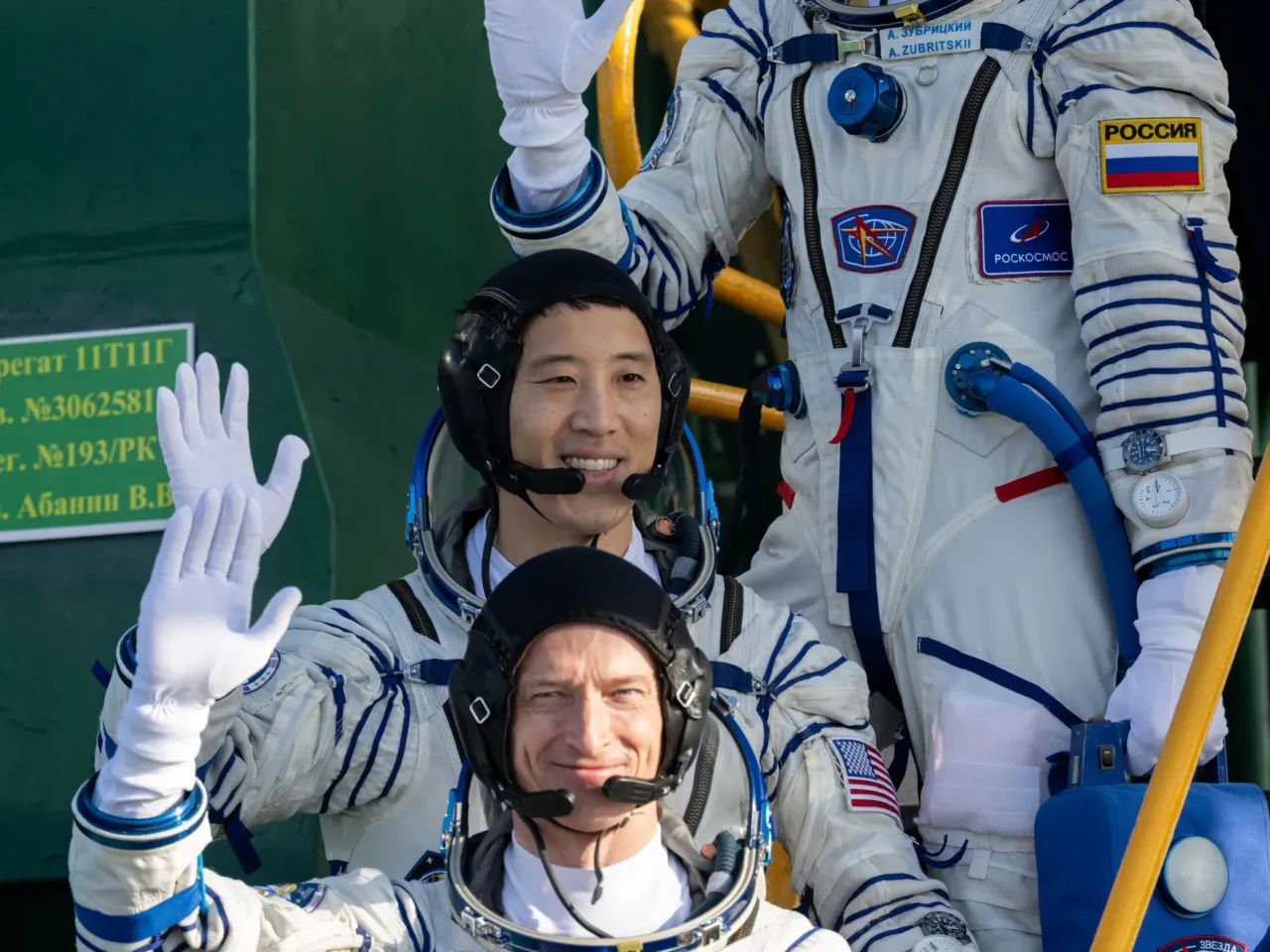
The child of Korean immigrants, Kim didn’t imagine himself achieving as much as he has – with his exceptional career path first kicking off with his work as a combat medic overseas with the Navy SEALs. Kim credits his time as a SEAL for reigniting his passion for medicine, leading him to get his doctorate from Harvard Medical School in 2016. Almost a decade after completing medical school, Kim has reached a new career milestone as he completes an eight-month mission aboard the International Space Station (ISS). He launched into space on April 8 and is expected to return to earth later this fall.
In an interview with Morning Edition, Kim says his life goal became clear the minute he trained to become an Army medic. He simply wanted to help others.
Kim spoke with NPR’s Leila Fadel about his long list of accomplishments, his strategy for staying motivated in the face of personal challenges and how his newfound notoriety has turned him into a viral meme among other Asian Americans.
This interview has been edited for length and clarity.
Interview Highlights
Leila Fadel: What was it like to become the internet’s ideal of really what anyone would want their kid to be someday?
Jonny Kim: I don’t take it too seriously. But I do think, though, that there’s perhaps some value that’s lost in even lighthearted tropes or stereotypes like that. One of our jobs as astronauts is that human connection. And, I think, sometimes we lose sight of that. The world could use more stories of vulnerability, failure, growth and redemption. Sometimes, I wonder if just some of those memes and jokes lose sight or condense a story that I think everyone can relate to. Struggles of growth into a one liner. So, I think it’s funny, but sometimes I wonder if that’s the right story that we really need to be hearing today.
Fadel: What would you want people to know that’s beyond this joke? What were the struggles along the way that you would want people to know about?
Kim: Having the confidence in finding your identity is a voyage that everyone has to take. I think the ability to dream is one of the most important things we need to do. I think it’s important to recognize that we oftentimes are all having our own internal battles and to never, ever sell yourself short. One of the biggest things that I’ve learned along my journey is that there are always glass ceilings in the world. That’s never going to change. But, the one glass ceiling you can never break through is the one that you set on yourself. Oftentimes, I think the lowest glass ceiling that a lot of us have is the one we set on ourselves.
Fadel: You are currently aboard the ISS. How did you go from a Navy SEAL, to a doctor, to ultimately, an astronaut?
Kim: I certainly didn’t have any of that journey planned. Since being a young boy, I’ve always been really drawn to wanting to make a difference. I think we all kind of look for meaning or how to derive value in each of our own lives in our own way. During my time in SEAL teams, I became really passionate about this idea of helping people in a really direct way. That aspect drew me to medicine, especially because I had some experiences as a combat medic overseas. Being an astronaut was really never on my radar. It was something that I kind of accidentally stumbled upon. But when I had the seed planted, I realized that a lot of the same motivations for my desire to be in the military or to be a physician, which was to make a positive impact, were completely consistent with that idea.
Fadel: So, what are you currently working on?
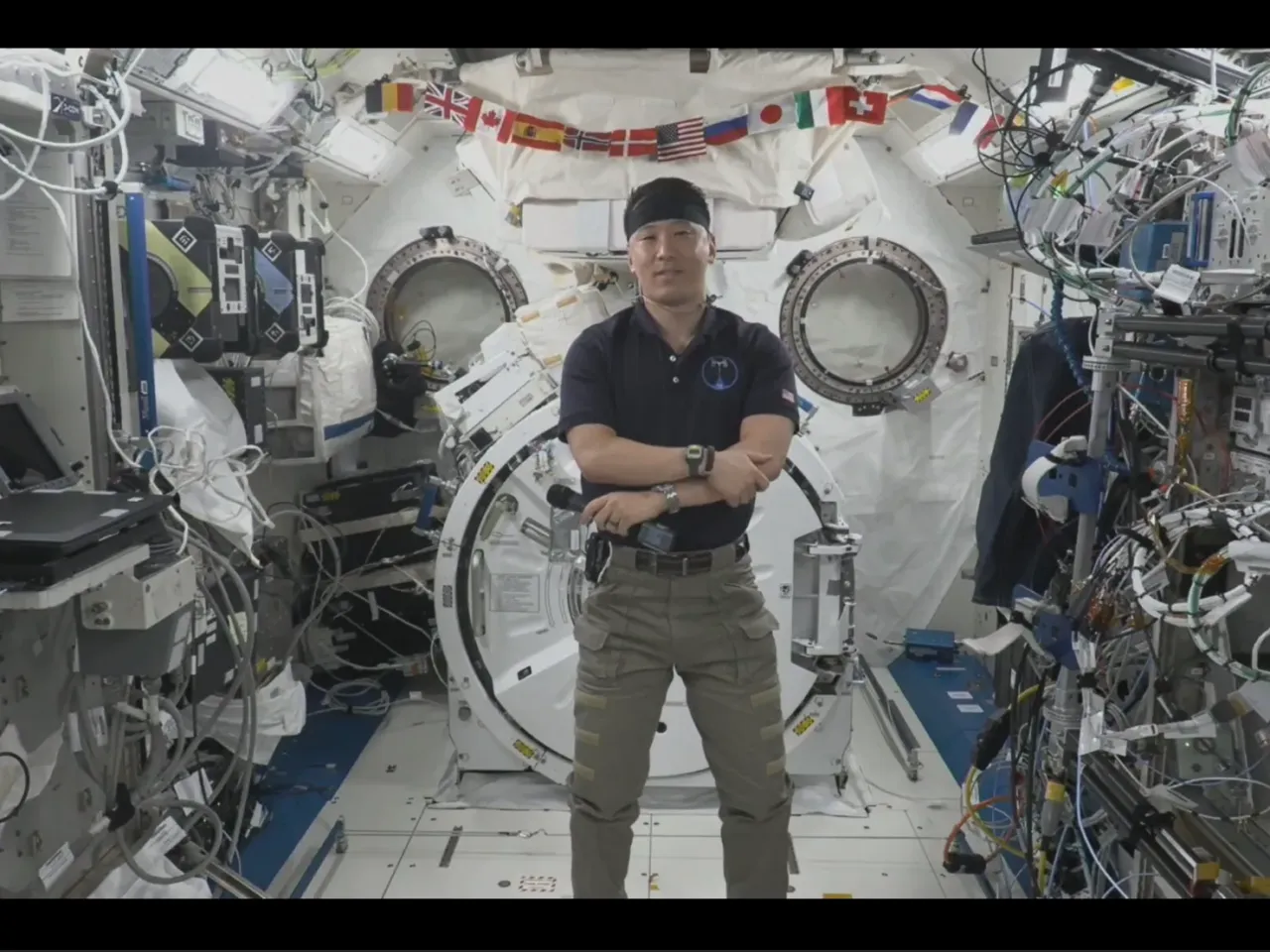
Kim: I kind of divide a lot of the things that we do on a daily basis as science and research, but also a lot of maintenance. The International Space Station is a national lab, but it’s our home. And just like in any home, things break. The toilet might stop working or the air conditioning might be a little ratty. From a science perspective, the hope is that a lot of the research we do here enables us to venture further for deep space exploration, for these multiyear missions.
Fadel: Your kids must think this is so cool that you’re in space now?
Kim: They’re actually quite over it. But, I think that that’s healthy. My son’s just asking me when I can play video games with him again. And so kids are kids, but I’m so proud of them and I know they’re proud of me.
Fadel: So, what’s next: the moon or Mars?
Kim: I’m very passionate about public service. One of the reasons why I love NASA and our international collaboration is it’s a way for me to work with one of the large collections of public service workers. So, I want to just keep doing what I’m doing here. I have no specific intentions or plans, but we’ll see where this voyage takes us.
Copyright 2025 NPR