Texas Republicans are on the verge of redrawing the state’s congressional districts for President Trump, who thinks the new maps would help Republicans win five more seats in next year’s midterm elections.
To try to stall the process, dozens of Texas House Democrats left the state for two weeks, then came back to the legislature on Monday.
Republican House Speaker Dustin Burrows then ordered Democrats to sign a slip of paper, stating they would be given permission to leave the floor under custody of Texas law enforcement and under the condition that they return for Wednesday’s session.
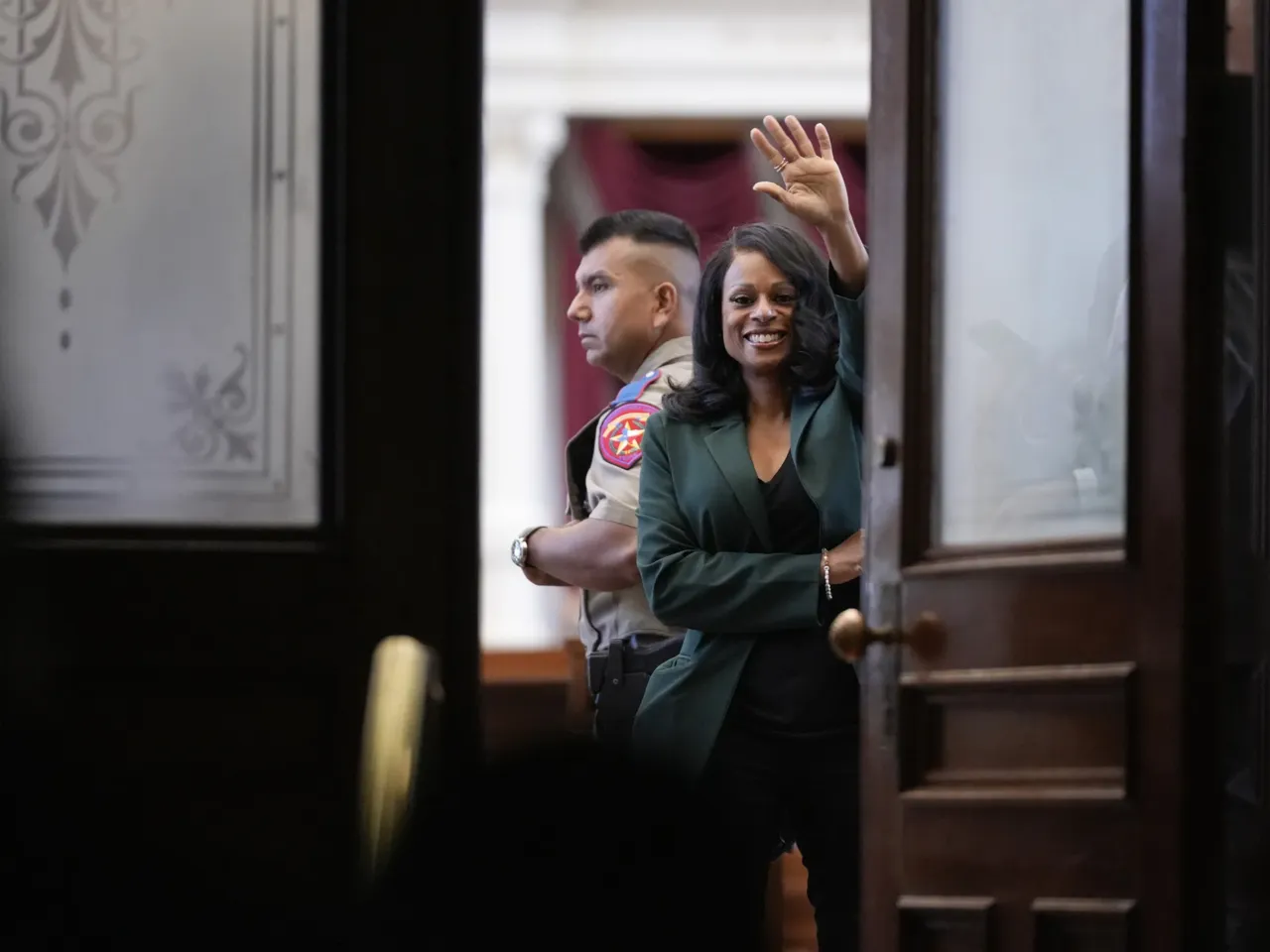
When Fort Worth Rep. Nicole Collier refused to sign, she was locked in the House chamber, where she stayed for two nights, giving interviews and taking a call from former Vice President Kamala Harris.
Texas Republicans insist their redistricting efforts are legal and deny accusations from Democrats of racial gerrymandering.
Meanwhile, other states have promised their own partisan maps to try to tip the balance of the U.S. House, where President Trump’s agenda hinges on a slim margin.
California Democrats are moving quickly to pass their congressional map over the objections of Republicans in that state. That map, however, would require voter approval, because the Golden State’s Constitution requires that an independent commission handle redistricting.
NPR’s Morning Edition spoke to Rep. Nicole Collier on Tuesday, after her first night of sleeping at her desk on the Texas House floor.
This interview has been edited for clarity.
Interview highlights
Leila Fadel: I want to start with that permission slip. The speaker of the House, Dustin Burrows, a Republican, told you and your colleagues you could leave only if you sign this permission slip and walked out with law enforcement following you, escorting you, and you refused. Why did you refuse?
Rep. Nicole Collier: Well, I’m not a criminal. I have not done anything wrong. I’ve exercised my constitutional right to deny a quorum. And what they have asked is for members to agree to be released into the custody of DPS. It’s not just an escort. It’s “in the custody,” as if we have committed some type of crime, to fulfill their political theater. So I’m not going to go along with that. I disagree. I oppose strongly. It just didn’t sit well with me. And I’m fed up. I’m refusing to do exactly what they want.
Fadel: You were locked in the chamber when you refused. Were you expecting that?
Collier: I’m still locked in the chamber. I’m not surprised, but I’m disappointed, because you don’t have to do these things. The quorum has been restored. I came here voluntarily. I have the right to use my voice and my speech of resistance.
Fadel: You’ve said a few times since this happened that this is authoritarian. Tell me why.
Collier: Well, I mean, it just is an example of the lengths that Republicans will go to get what they want, locking members in the chamber who don’t comply. You know, this is not what a free democracy does. You have a right to challenge government. And when you start silencing the voices of those people who disagree, then we are moving further away. And we’ve got to put a stop to it. We’ve got to take a stand and protect the freedoms that we have, because before we know it, we won’t have any freedoms to defend.
Fadel: You posted a photo of yourself, reclined at your desk, in a bonnet and an eye mask. How did you sleep?
Collier: I slept. I was able to get some sleep on the floor in my chair. And the lights do not cut off in this building, in this place. So it was very bright. But, you know, with all this DPS here, I kind of felt safe.
Fadel: There will be a vote. What happens then?
Collier: You know, it’s very disappointing that Republicans have [shown] their hand and maybe they did it on purpose. They have shown us that they want to do Trump’s bidding first. They don’t want to put the flood victims and the people first. They want to do what Trump has instructed them to do. So it’s very disappointing. We are ready to have a fight on the floor in terms of contesting these maps and exposing the harmful impact that they will have on communities of color. Once we finish this floor fight, we’ll take it to the courts.
Fadel: Now, California Governor Gavin Newsom is pushing for his own partisan redistricting plan, saying if Texas is going to do it. Then we’re going to have to do it, too. You fled the state to stop this type of redistricting. Does this now start a catastrophic fight between the two parties that could hurt the democratic process?
Collier: Listen, you know what? There was a time where you would take the high road, but that high road has crumbled. We’re on the dirt road and we’re going to meet them in the dirt. This is like Governor Newsom said. We’re going to fight fire with fire. We’ve got to be ready to respond accordingly. We’ll rebuild that high road. But right now, we’re in the dirt and we’ve got to roll up our sleeves and get dirty.
Copyright 2025 NPR