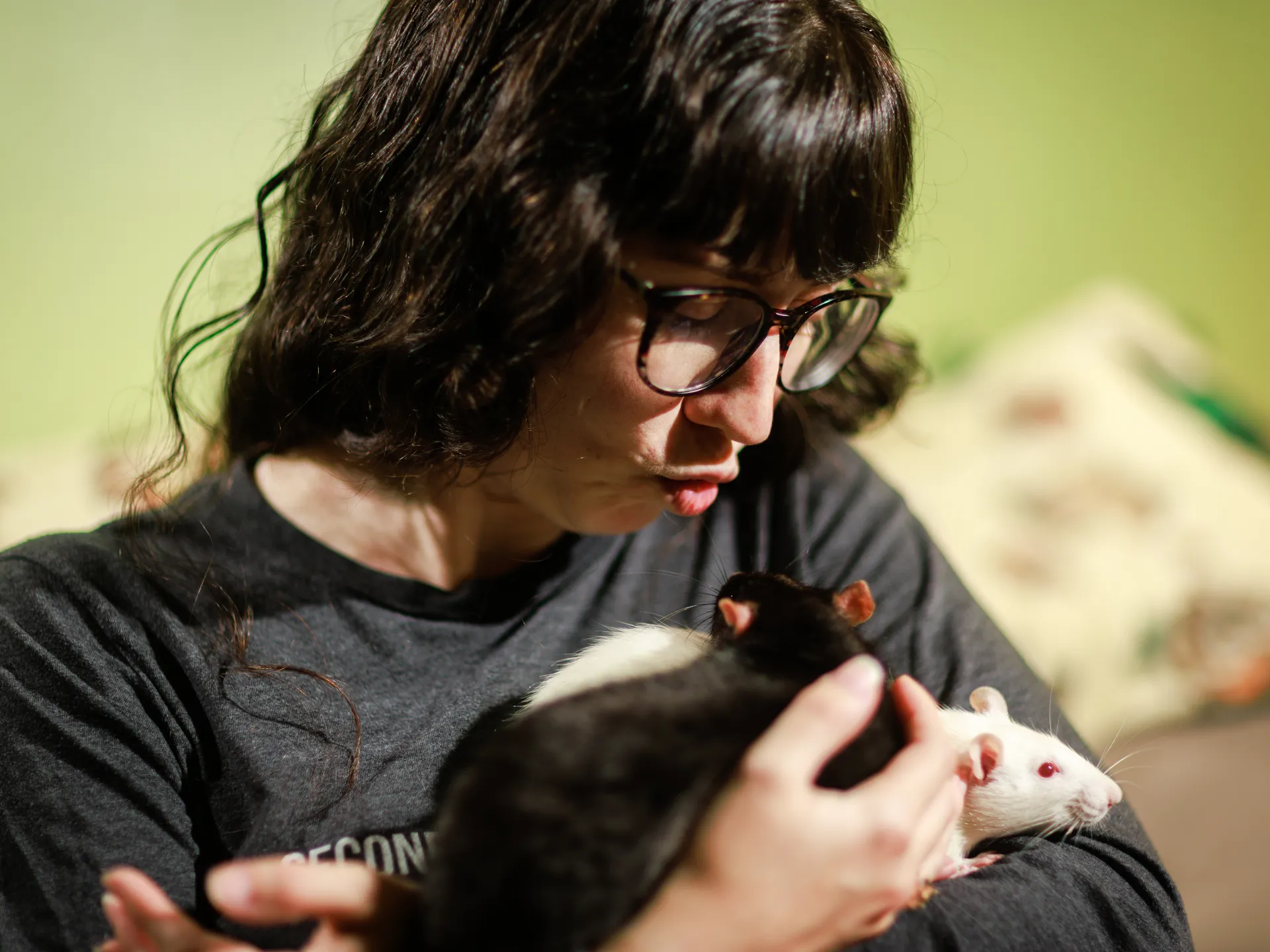
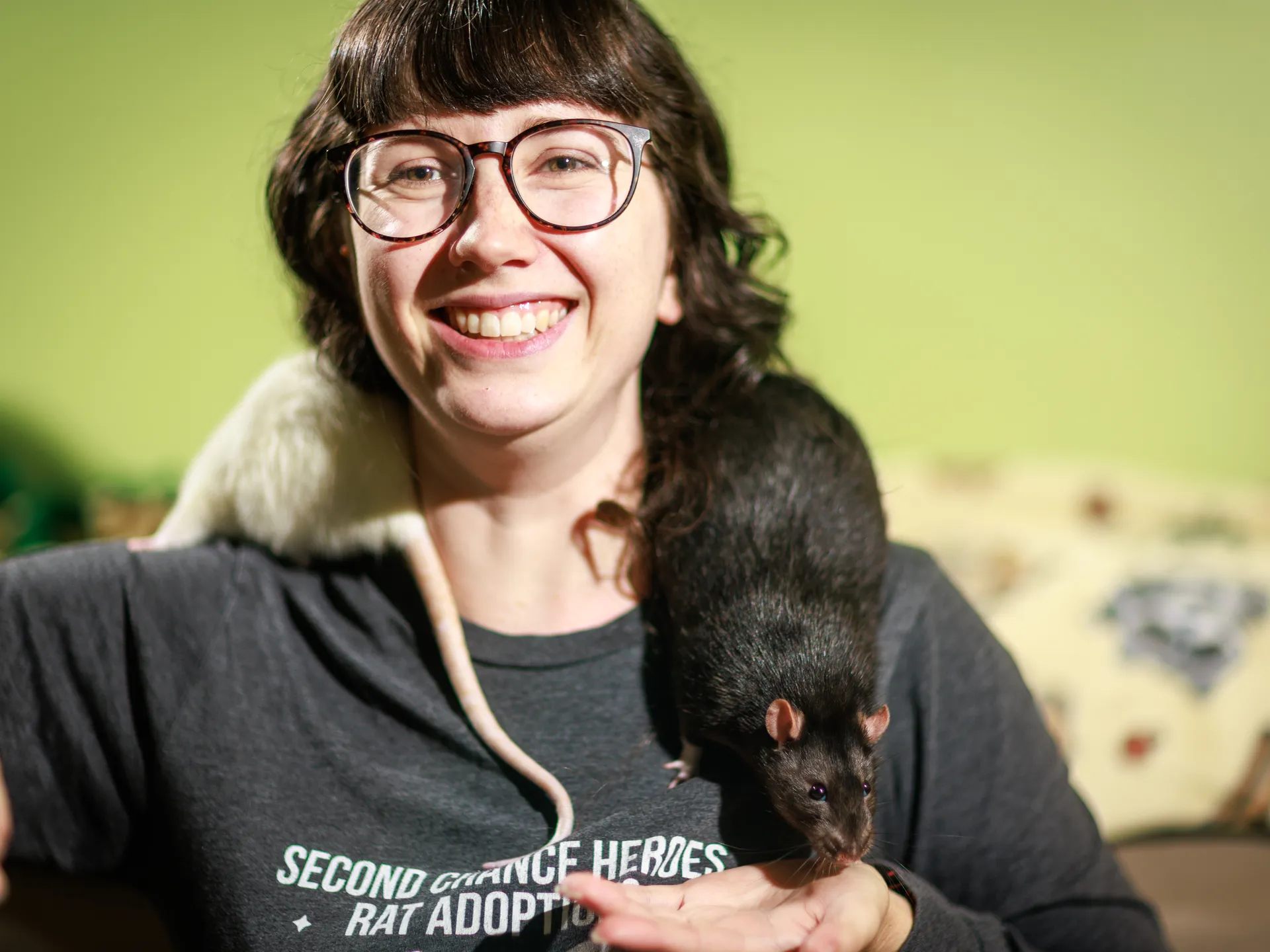
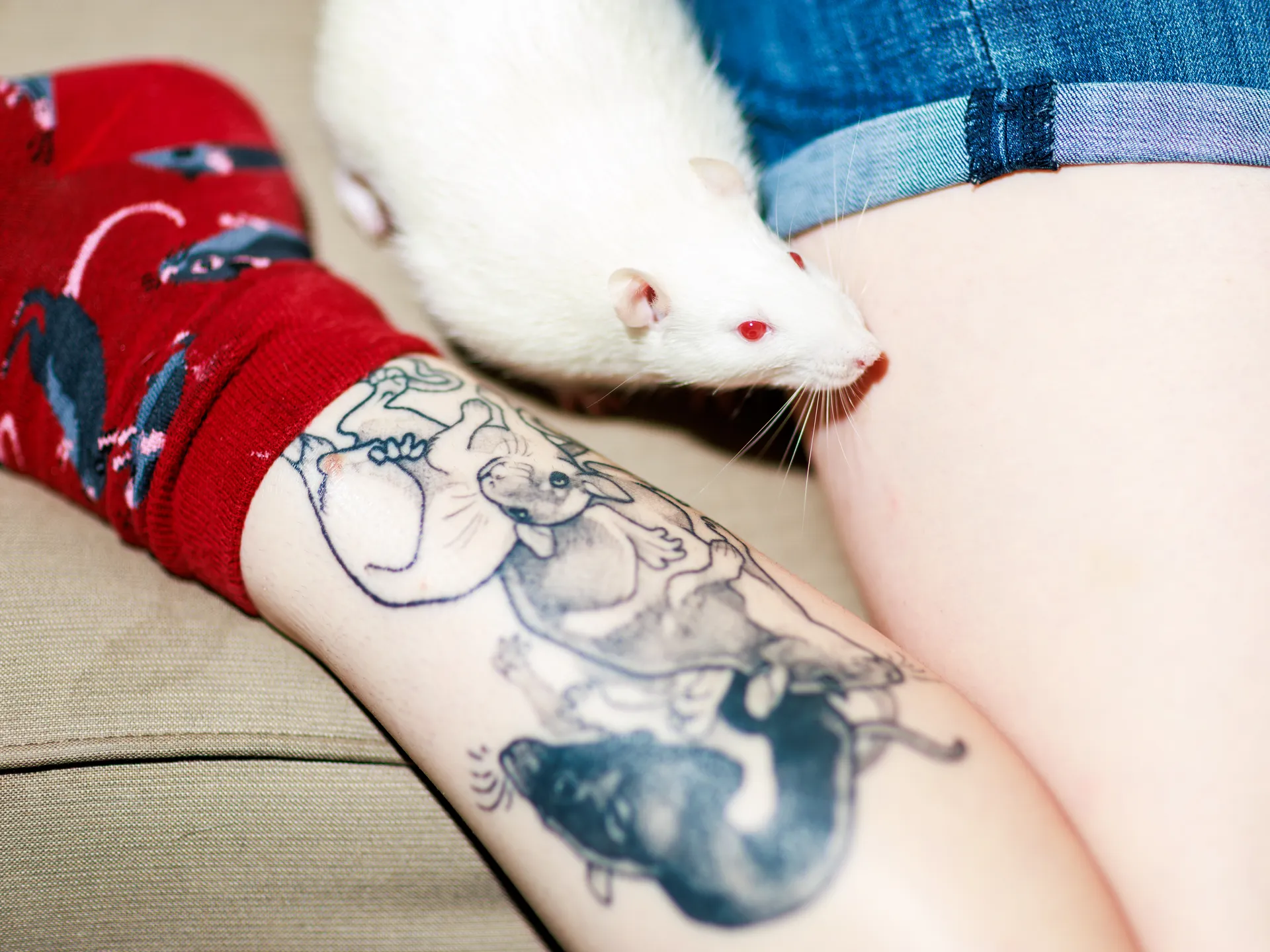
As part of the VPM News summer series Finding Joy, Adrienne Hoar McGibbon introduces us to fostering rats.
Rats have long been connected with the spread of disease.
In the Middle Ages, they were blamed for spreading the bubonic plague — also known as the “Black Death” — which was estimated to have killed up to 50 million Europeans during the 14th century, although new research points the finger at humans for causing the outbreak.
Now some rat owners say that instead of spreading disease, these small animals can actually be a source of joy.
Lena Maurer is the adoption coordinator for Second Chance Heroes, a Henrico-based rat adoption group that finds homes for retired lab rats. The organization also works to rehome rats that have been rescued or ended up in pet stores or animal shelters.
Maurer says people don’t often consider rats when they plan on bringing a new pet into their home: “They get a bad rap for being creepy, but they’re so much beyond that.”
Second Chance is a small, foster-based rescue service that relies on a small network of rat care providers in Virginia and North Carolina to take care of the animals until they can be placed in permanent homes. Maurer and founder Eva Cross also temporarily care for the rats in their homes when there is a need.
“Rats are super smart,” Maurer said. “People use them for psychology experiments for a reason. You can learn a lot of things. They have a real depth of emotion.”
Second Chance is currently working to find permanent homes for a group of rats the organization took in from a research lab at the end of July. The group offers its services to labs nationwide, covering the cost of transportation to their headquarters in Richmond and ensuring the confidentiality of the labs it works with.
The rescue organization was started specifically to care for rats after they weren’t needed for laboratory experimentation any longer. It doesn’t take a stance on animal research, but it does offer its services as an option other than terminating the rats.
“People aren’t reaching out yet. They’re still holding out hope that a cut study may be re-funded — or funding won’t be cut in the first place,” Maurer said. “Some of these labs have very high numbers of rats, and if they are interested in working to rehome, the amount of preparation needed for that can entail months of reaching out to various rescues and groups and shelters.”
Each year, Second Chance brings in about 100 rats. The majority of them come from shelters — both in- and out-of-state — that are not set up to handle small animals.
For Maurer, keeping rats as pets started as a solution to a problem: She’d been a cat lover before going away to college, but discovered upon returning home that she had developed an allergy to her family’s pet feline.
“I was sad because I wanted a nice, fluffy pet to cuddle,” Maurer said. But her then-boyfriend presented another option.
“You think squirrels are cute,” she remembered him saying. “Have you ever thought about rats?”
It turned out rats were an excellent substitute for her: “I think I was probably crying. I love them so much. It was great.”
She’s kept them as pets ever since.
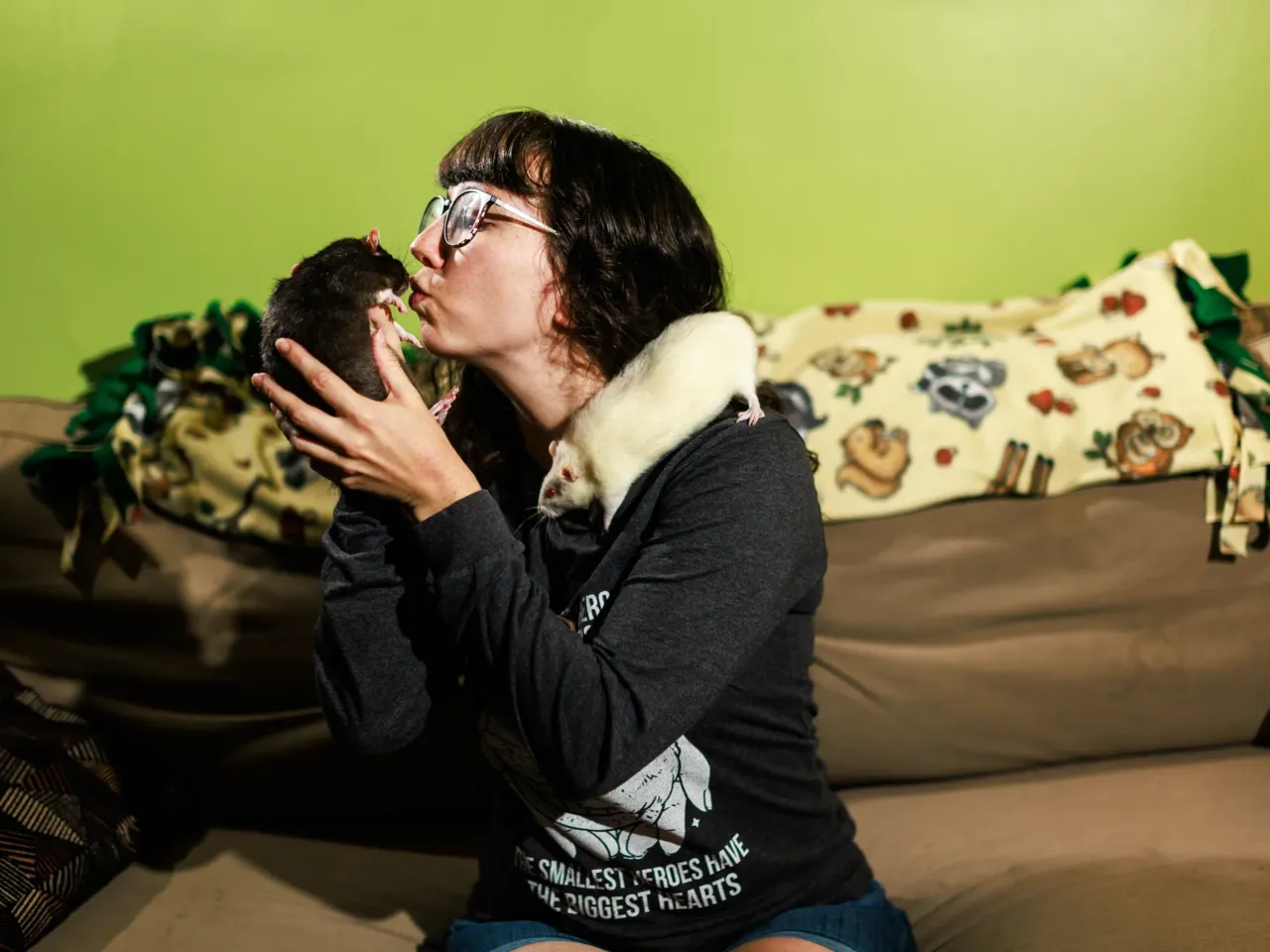
One downside of pet rat ownership is their short life expectancy: typically two to four years. Maurer — who lost Benny, one of her two rats, shortly after being interviewed for this story — said that while it’s sad losing a pet, she likes that she gets to know so many more animals throughout her lifetime.
“It’s always a dynamic landscape of their relationships with each other and with you,” she said.
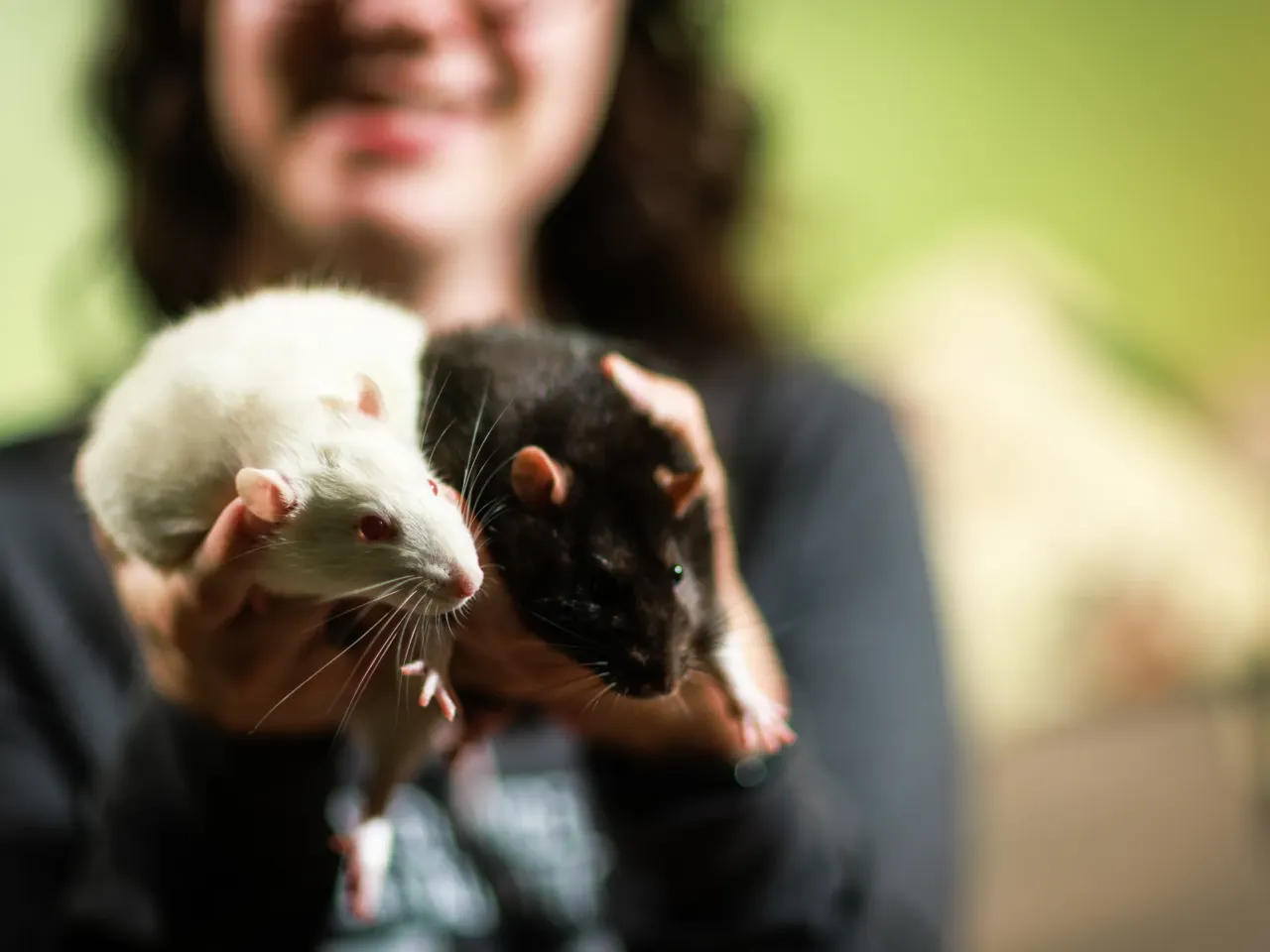
Because they live short lives, Maurer recommends keeping multiples. She says five is the perfect number, because then none of the very sociable creatures will feel left out.
“There have been a lot of recent studies about their compassion and empathy and fear and, you know, all sorts of things the same as people experience,” Maurer said.
For potential pet owners who are still unsure of having a pet rat, Maurer pointed out that domesticated rats — commonly referred to as “fancy rats” — are different from wild rats: “They are the same species, but wild rats — there’s a very clear behavioral difference.”
When a domesticated rat gets impregnated by a wild rat, Maurer added, their offspring often adopt the personality traits of the wild father. “They’re not as lovable, as huggable, as handle-able. They’re going to be a bit more wild, a bit more wanting to be alone and not interacting with people,” she said. “But pet rats… they are different.”
Second Chance Heroes is in the process of building up its network of foster homes. Maurer said the end of the summer — when students head off to college, and parents hope to unload their pet rats — can be a busy time for the organization.
“By caring for a rat, you make so much more of a difference,” Maurer said. “Because so many people don’t care for the rats.”