Sabrina Carpenter’s new album Man’s Best Friend has the feel of women gossiping about dating and toxic relationships.
“It kind of sounds like women speaking to each other because it is women speaking to each other,” Carpenter told NPR’s Leila Fadel.
The release of the album comes a year after her Grammy-winning Short n’ Sweet.
Man’s Best Friend is full of the double entendres and innuendo Carpenter is known for. On her song “House Tour,” she sings: “Do you want the house tour? I could take you to the first, second, third floor. And I promise none of this is a metaphor.”
Carpenter recommends listening to the album in order.
“The story kind of starts, you know, when you’re still in a relationship, and ends obviously when you’re kind of on the other end of it,” she said.
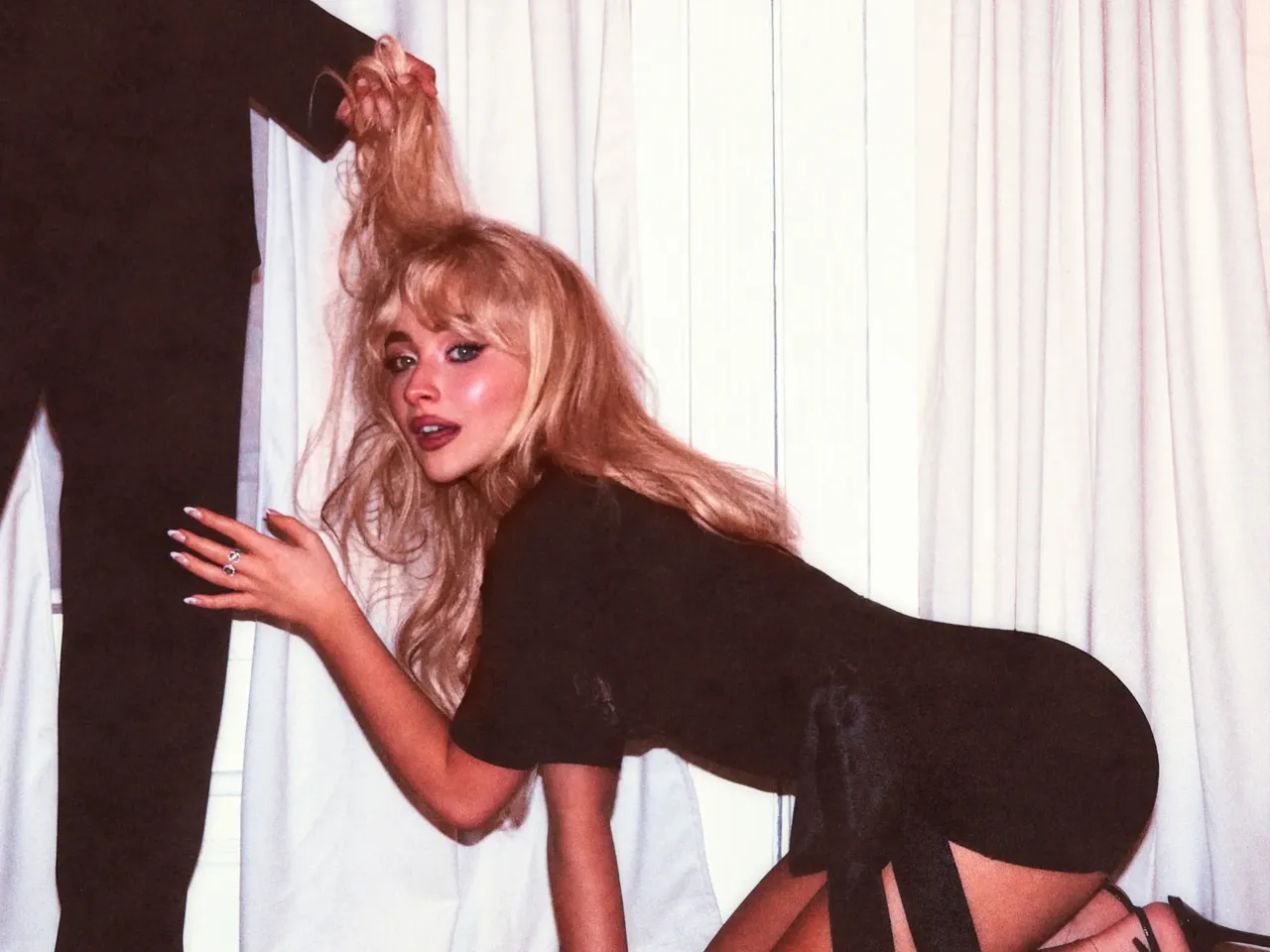
The pop star spoke with Morning Edition about why relationships can be so hard and about her controversial album cover, which depicts her kneeling beside a man pulling her hair.
This interview has been lightly edited for length and clarity.
Leila Fadel: I was listening to the lyrics, and it made me laugh. What was the vibe when you were writing?
Sabrina Carpenter: How can I be so self-aware and yet so blind and so stupid at the same time? Women are the smartest and the dumbest, in my experience. It’s like they are dumb exactly when they want to be. I think that that’s kind of a theme that I tackle throughout the whole album, just because it’s a little bit more about the reflection of my own choices and these relationships and how I get into them and how I get out of them. I think even with my last record, it was sort of like there was a little bit more spite towards people. That hurt my feelings. And I think this one was a little bit more like, you know what? Can’t be that mad because I am putting myself in these positions to kind of experience these things. So yeah, I think it’s just like 2% healed, which gives me a lot more room to grow.
Fadel: The way you write about heartbreak is very honest, but also hilarious. Like one of my favorite songs, “Never Get Laid” is so funny because you’re saying, “I’m not angry. I love you just the same. I just hope you get agoraphobia and never go outside and nobody ever loves you again.” Can you tell me about this song?
Carpenter: That song was like my sliver of hope. I think in terms of, maybe experiencing an ending that doesn’t have to be all that bitter. But then you realize, when you look deeper in yourself, ask yourself the thing that you’re actually afraid of, it’s not really that you hope that they never experience happiness again. It’s that you hope that they don’t experience the same love with someone else or a better love with someone else. So I think it was just the most blunt way to say, “I want you to be happy from the inside of your home forever.” And I think that that’s just as nice as saying, “I wish you all the best.” I don’t wish you all the best. But I wish you some of the best.
Fadel: The album cover sparked quite the controversy. It’s you on all fours with a man out of frame pulling some of your hair. And some people saw it as demeaning for women. Were you surprised at all by the reaction?
Carpenter: Yeah, I was surprised. I think mostly because when I thought about making this album cover, I was really inspired by a man sort of delicately playing with my hair. Because I think there were a lot of metaphors between this dog and me emotionally. You know, a man’s best friend and sort of all the implications that that comes with it, the power in dominance and submission. When I saw it, obviously for me, it checked all the boxes in between my friends and family. It just felt like what the music sounds like.
Fadel: In the song “Tears” you sing, “A little respect for women can get you very very far, Remembering how to use your phone gets me, Oh so, oh so, oh so hot.” Tell me about the song.
Carpenter: Well, I think that was the humor in it being like, isn’t it funny how when you’re young, you’re like, I want them to be tall, I want them to be handsome, I want them to be funny. I want them to be smart. And then you get older, you know, like I want them to be nice. Just have a job, you know, like decent self respect, emotional maturity. Like it starts to get pathetic almost. We’re definitely getting to a point where we’re just asking for the bare minimum, but, you know, acknowledging it.
Fadel: But there’s also some funny moments where you’re talking to the mom. Like, who did you raise?
Carpenter: Yeah, there’s a few moments in the album. It sort of feels like you’re just poking fun. You’re like, Hey, could you not have helped me out here a little bit? With the raising of this person and but never, never in a way that’s like, you know, you run it’s never pulling the full blame. It’s obviously said as a joke. But I think I think about that sometimes just being like, “Hey, Mom, could you help me out? Because I’m, I’m struggling. Maybe you can get through to this one.”
Fadel: You talked about your music changing between this album and the last album that you’re 2% healed. Can you imagine a time when you’re writing an album, 50% healed or 100% healed, or in a totally different space?
Carpenter: Absolutely. I can’t say I know what that’ll be like or sound like, but I really try to grow and take something with me each year of my life that I am experiencing friendships and relationships and just life. So we’ll see. I’m excited [to see] what she’s like.
Adam Bearne and Taylor Haney edited the broadcast version of this story. Majd Al-Waheidi edited the digital version.
Copyright 2025 NPR