Applying for a job has never been easier—or more inhuman.
In a few clicks, you can upload your resume to any job board. But that convenience means more people are applying to each posted job.
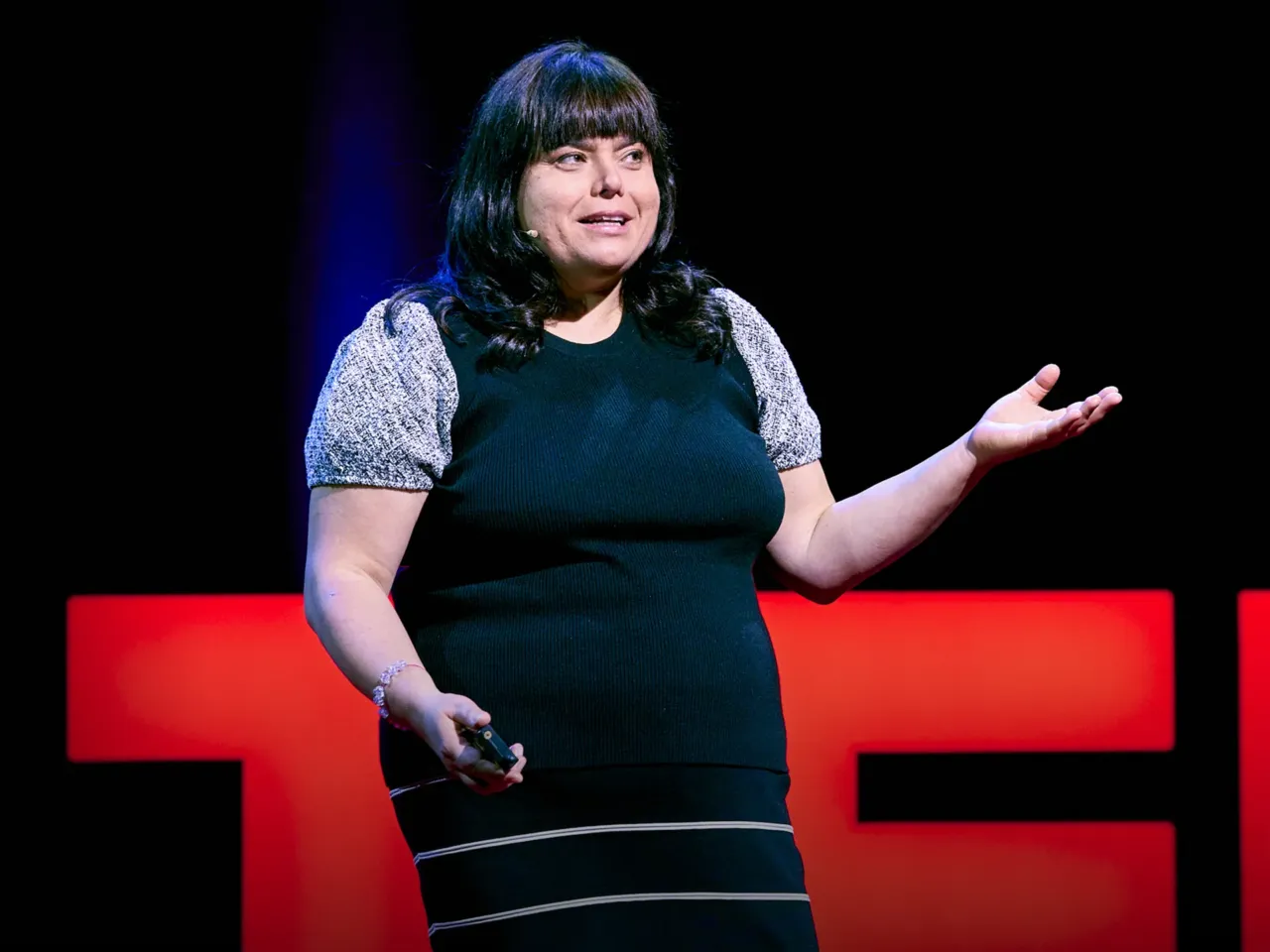
“We see a lot of companies… close the application after 24 hours because they already got hundreds and thousands of resumes,” journalist Hilke Schellmann told NPR’s Manoush Zomorodi. “Hiring managers are overwhelmed and they want a solution,” Schellmann said.
To navigate the deluge, employers are turning to artificial intelligence—algorithms that scan resumes, rank candidates, and even analyze video interviews. Schellmann, author of The Algorithm: How AI Decides Who Gets Hired, Monitored, Promoted & Fired & Why We Need To Fight Back Now, spent years investigating these systems and their failures.
The Unpredictable Bias in “Smart” Hiring
AI promises to remove human bias, but often amplifies it. Some tools claimed to assess confidence, enthusiasm, or teamwork via facial expressions and tone of voice.
At an HR-tech demo in 2018, Schellmann saw a system predicting job success from facial cues. “Who knew facial expressions in an interview were predictive of success in the job?” she said.
But a computer vision and facial expression psychologist that Schellmann talked to was baffled. “They’re like, no, this is just correlation. These are just signals that we can now record and analyze. They thought this was pure rubbish, and could actually cause bias and discrimination.”
So Schellmann started “poking the algorithm.” In a one-way video interview, she answered every question with: “I love teamwork.” She scored pretty well.
In another, she spoke only German for an English-language job—and the system rated her 73% qualified. “Clearly these tools can’t actually distinguish if somebody is a qualified applicant or not,” she said.
How to Outsmart the Algorithm
Schellmann isn’t anti-AI. “It is possible to have better tools and build better tools, even though what I found out may have not been as uplifting and exciting as you would think,” she said. In fact, she believes job seekers can actually use the technology biases in their favor. Here are her top tips for making the AI application process work for you:
- Keep your resume simple. To make your resume machine readable, avoid images, multiple columns, unusual fonts or special characters that confuse resume-scanning software. “You want to do everything to not confuse an algorithm,” Schellman said.
- Write clearly and use specific data. Use short, crisp sentences, be declarative and quantify. Replace vague claims (like “improved efficiency”) with data (“cut processing time by 30%”).
- Use keywords strategically. AI scanners are looking for keywords from the job description, so mirror that language, but don’t copy it verbatim. “Some AI tools will throw you out because they think you just copied the job description,” Schellmann said. She recommends about 80 to 90% overlap.
- List your skills, even the soft ones. Many companies are adopting “skills-based hiring,” so make sure your resume includes both technical and interpersonal strengths. Think about breaking your skills out to a separate section with bullet points, so a bot can easily digest it.
- Don’t fear the machine. Don’t be afraid to use AI to give your resume and cover letter the shine it may need. “They’re great at polishing your resume, making sure all the grammar is on point,” Schellmann said. Use AI, but be sure to check its work.
- Skip the big job platforms. Apply directly through company websites. Schellmann says many recruiters told her they typically check their own system’s submissions before looking at candidates from job boards.
TED Radio Hour’s special series: Prophets of Technology
Curious for more on where humanity and AI meet? On TED Radio Hour’s, Prophets of Technology series, host Manoush Zomorodi speaks with scientists, entrepreneurs, and experts shaping our tech future. Click for parts one, two and three.
This episode of the TED Radio Hour was produced by James Delahoussaye. It was edited by Sanaz Meshkinpour and Manoush Zomorodi.
This digital story was written by Phoebe Lett.
You can follow us on Facebook @TEDRadioHour and email us at [email protected].
Copyright 2025 NPR