The mammals originated at Yellowstone Park as pets of a Canadian farmer.
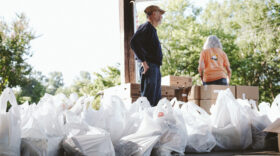
Earl Coleman, a former U.S. Marine, remembers what it was like his first day on the job almost four years ago at the Defense Supply Center Richmond.
“I came here, and the supervisor said, well, let me show you how to take care of our pets,” Coleman told VPM News. When he asked about those “pets,” the supervisor told him he had to feed elk.
“And I said, ‘Feed elk?’ And it’s true.”
Coleman works at the military logistics hub off US Route 1 just south of Richmond. His title is maintenance mechanic, which is accurate — except that he also ensures a herd of elk approaching two dozen are fed and cared for.
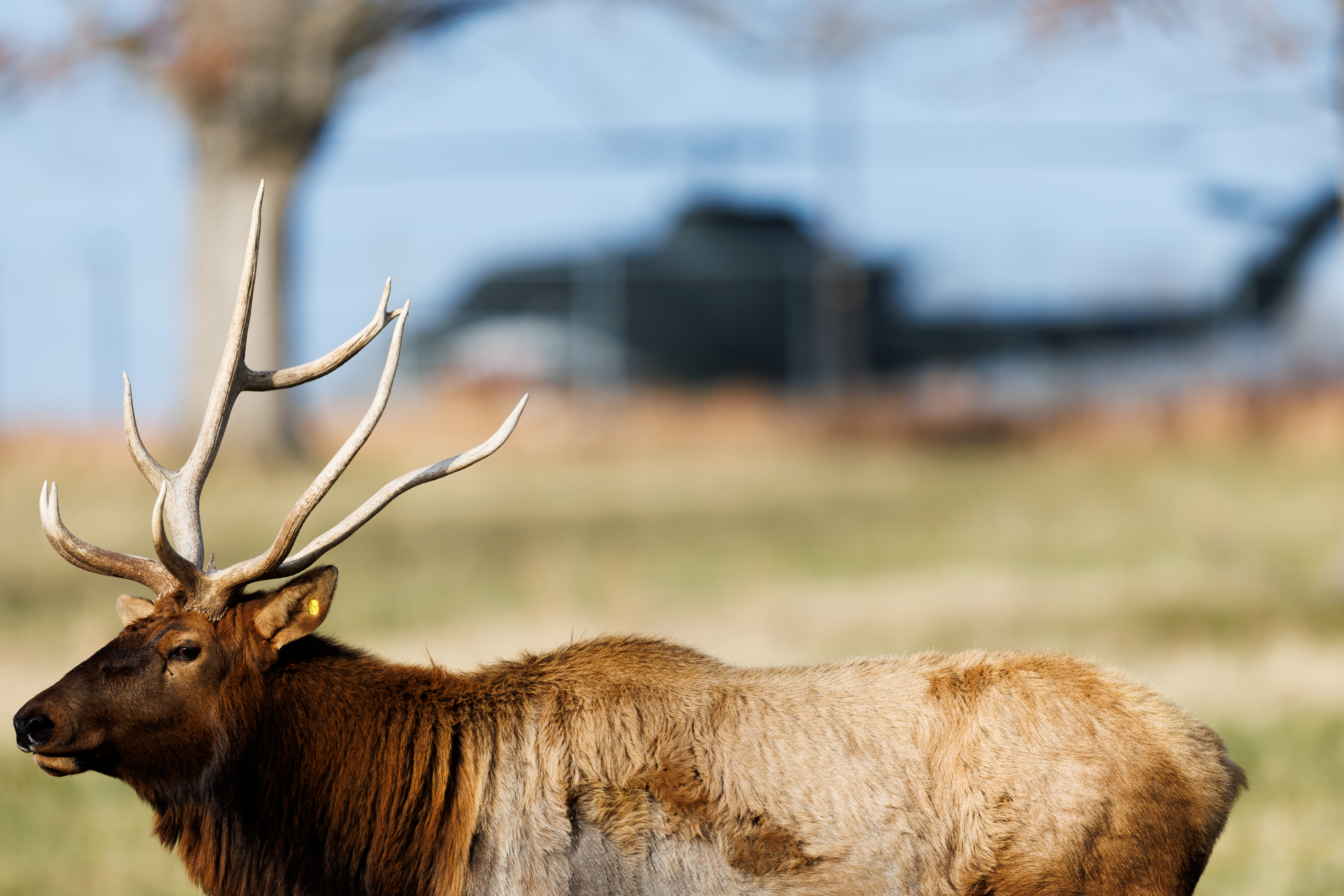
“Being from Canada and missing his elk, he did go out west and brought back a mating pair,” Parrish said, adding that the pair originally came from Yellowstone National Park.
That pair mated, and the resulting elk became an attraction for Richmonders, especially since Bellwood’s farm was on the city’s trolley line.
“And folks would come from the north and south and picnic at the Bellwood Farm and watch the elk, which Mr. Bellwood let them do,” Parrish said.
Bellwood died in 1924, and his family continued to live on the property until 1941, when the federal government approached his son Frank as the United States was joining World War II. The military wanted a logistics hub, and was eyeing the farm, which lay conveniently along Route 1 and the Fall Line. The property had been used previously by Confederate generals to plan their defense of Petersburg.
“Well, the son — I believe it was Frank — responded back, and said ‘Sure, we’ll sell you this property based on one primary condition, and that was for the War Department to maintain the elk herd forever,'” Parrish said. The government followed through with that agreement, and the elk became a symbol of the base ever since. It became the only Defense Department facility with permits to exhibit wildlife.
As majestic as the elk are to behold, they keep a hierarchy which can be severe and deadly. The 16 females, or cows on the base, are separated from the bulls, and they have a pecking order; the oldest cows eat first.
As for the six bulls on the base, supremacy is achieved through size and force. The current dominant male is an elk named “Squiggly,” because his antlers grow in a zigzag pattern.
“Squiggly didn’t want to fight an elk a second time,” Parrish said. He’s accounted for at least three deaths so far, according to Parrish. The caretakers at the base say they let nature take its course in an effort to keep the herd at a healthy size in accordance with Virginia Department of Wildlife Resources guidelines.
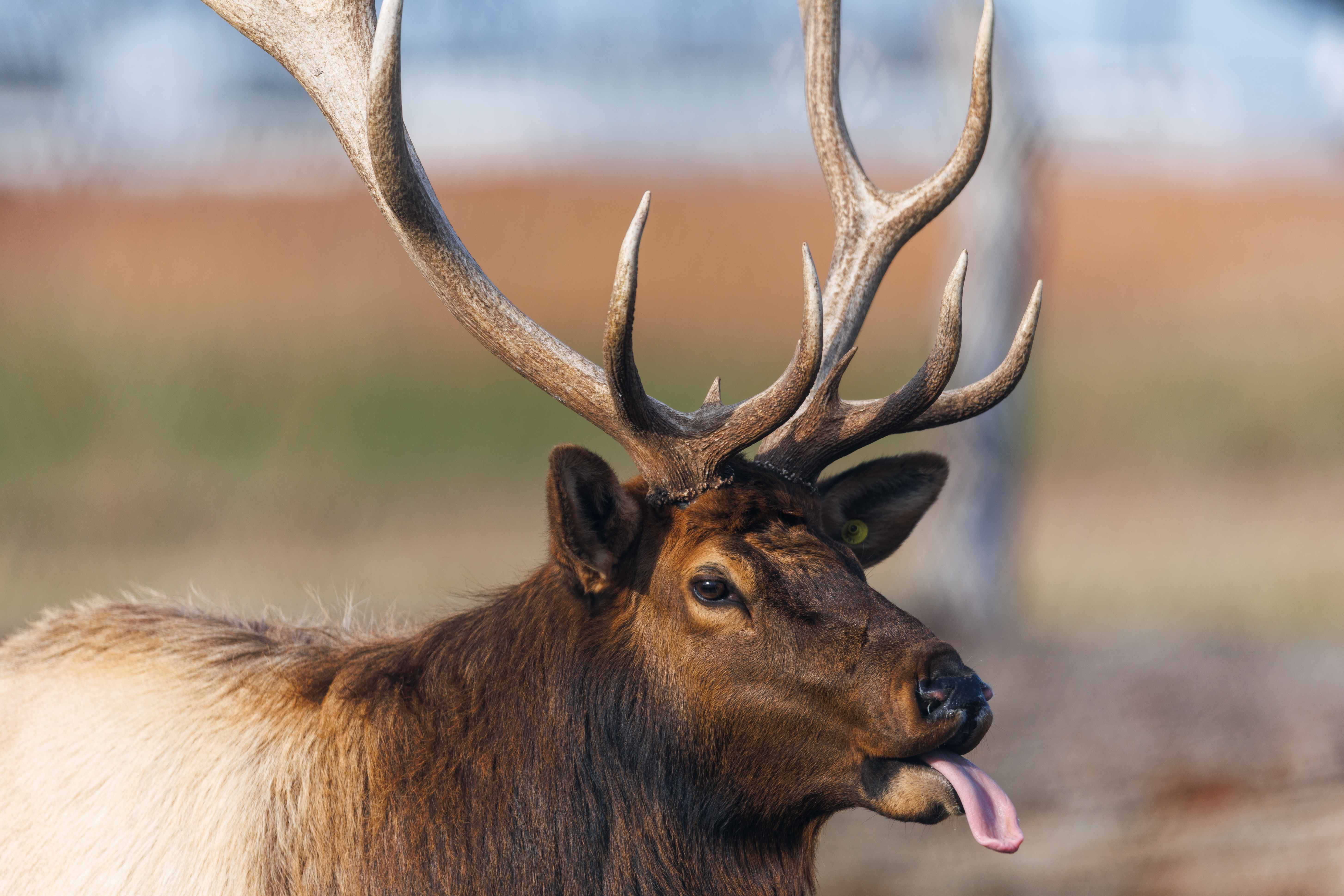
“And they don’t care for that much, either,” Coleman said, shaking his head. Elk, he explained, have a tendency to be unapologetically surly. “They won’t run from a truck or a front end loader.”
Those antlers are usually given to base employees when they retire.
This story was produced as part of the VPM News series Curious Commonwealth.
VPM News Video Short
Copyright 2026 VPM