“It’s time for the community to get the benefits they deserve.”
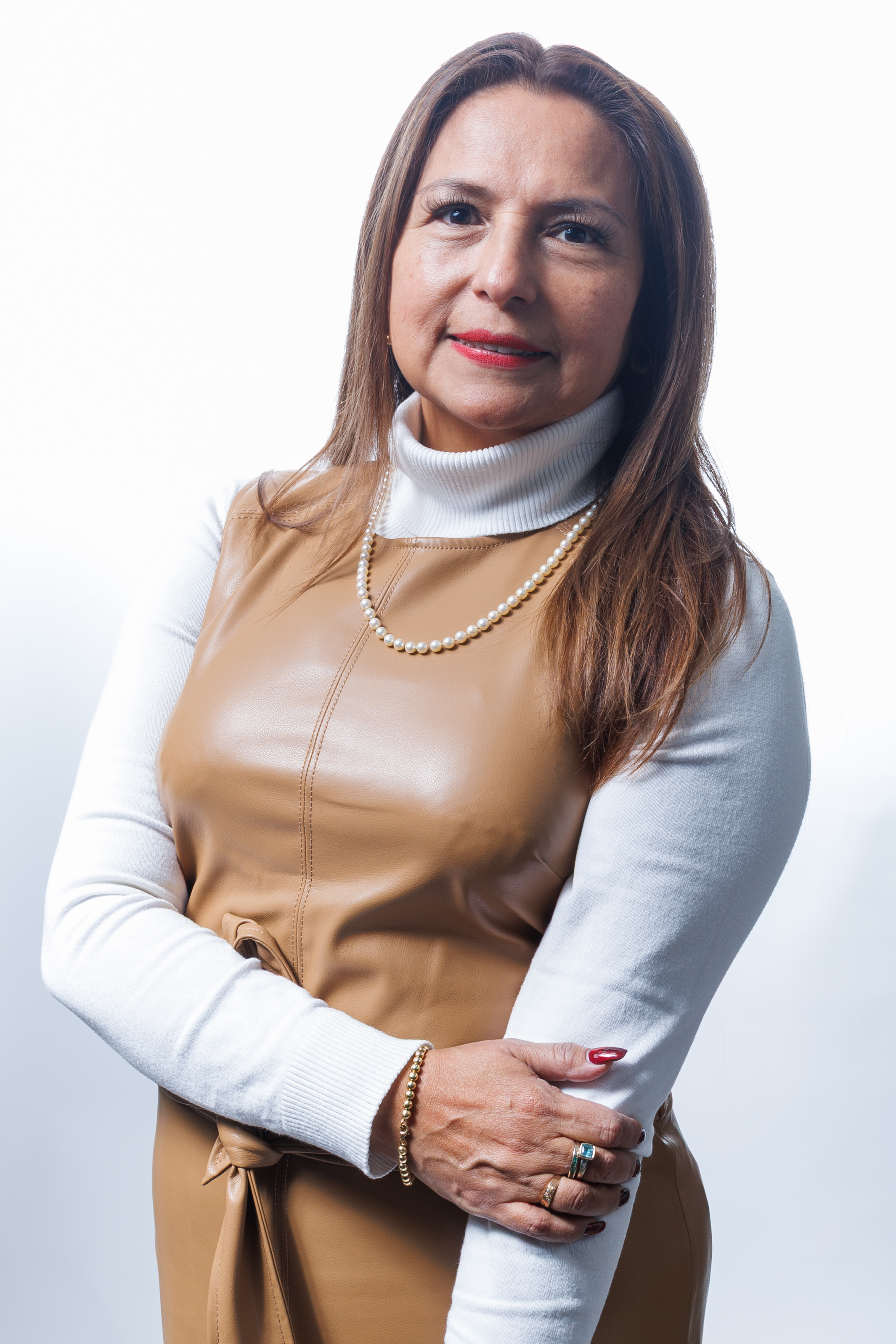
Former Del. Elizabeth Guzman says her return to the Virginia House of Delegates will be like her last stint in office: focused on the issues, not her political party. But with Democrats expanding their House majority, she and her party are eyeing ambitious goals.
Guzman, a social worker and public administrator, immigrated from Peru as a single mother. In her first stint as a state legislator, she represented the 31st House District from 2018 to 2024. She was the first Latina immigrant to serve in the General Assembly after flipping a seat held by the same Republican for 16 years.
She then ran for a state Senate seat and Virginia’s 7th Congressional District seat after 2023’s redistricting, losing in both Democratic primaries. In November, she ousted incumbent Republican Del. Ian Lovejoy in the 22nd House District, setting her up to represent a district that includes parts of central and western Prince William County.
VPM News reporter Dean Mirshahi recently spoke to Guzman at the General Assembly building in Richmond as part of a series of interviews conducted with the newest members of Virginia’s House of Delegates, elected in November of 2025. (Links to interviews with the other delegates can be found at the bottom of this story.)
In the interview, Del.-elect Guzman spoke about wanting to increase taxes on the rich, the growth of data centers in her district and what she hopes to get done over the next two years.
This interview has been lightly edited for style and clarity.
Dean Mirshahi: Can you start by just telling us about yourself and your district?
Elizabeth Guzman: I live in Prince William County and represent the 22nd House District, which is the central and western side of Prince William County — including Bristow, Nokesville, parts of Gainesville and the outskirts of Manassas.
I’m a mother of four children that I raised in Prince William County schools. I’m originally from Peru; I came to this country with $300 in my pocket looking for opportunities for my oldest daughter, Pamela, who’s 34 now. This country gave me the opportunity to find opportunities for myself.
Now, I have two master’s degrees. I had the honor to serve Prince William and Fauquier counties as a delegate from 2018–24. After redistricting, I was out of office for two years, and now I’m back. I’m honored to serve a new district — it’s a different neighborhood, but I’m ready to get to work for them.
Can you talk about what lessons you learned from your time in the House and what you’ll bring with you this time?
I don’t know if it’s a blessing or a curse, but I’ve always represented competitive districts. My vision of a delegate is not a candidate anymore. I’m here to serve everyone who lives in the district.
During my tenure in the General Assembly, I served in the minority four out of the six years, and I successfully passed legislation because I was able to reach across the aisle to get things done. It was never about me or the political party that I represent. It was about the issues that I care about, that I was fighting for, about my community. I was able to share that message with my Republican colleagues and get some of those representatives to vote for my bills.
But this time, Democrats have 64 seats. There were things that we had already put in place, but we couldn’t pass them because of the governor vetoing those bills.
At the same time, we have a different dynamic. This time, we have a president that is coming after vulnerable communities and public education, which is going to put us in a very difficult position. We need to decide how we’re gonna invest the money that we have in Virginia’s coffers. Where are we gonna find that money? I think that it is time in Virginia that those who make more than $400,000 are gonna have to pay more.
When you’re talking with people in your district, what are they telling you that they want from their elected official, and how do you plan to deliver that for them?
We have a lot of federal workers that live in my district due to our proximity to Washington, DC. When they decided to work for the federal government, it was a dream job. It provided them with good benefits, good salary, job stability — and now all of that is gone.
They go to work every Monday, not knowing what is going to happen, whether they will get that email saying, “You are no longer needed. Thank you for your service. Bye.” How do we help them to gain the skills that they need to now bring that expertise to state and local government?
I need to remember those people who are struggling in my district. They want a state that’s going to protect them and a delegate that’s going to fight for them.
An issue across Virginia, but especially in Prince William County, is data centers — and the state’s ability to balance environmental and public concerns and the potential financial gains. What role do you feel like you have to play to address these concerns?
When I talk about data centers, I like to talk in different brackets. We have those decisions that have already been made. But it was rushed. It was not done in a way where we waited for environmental reviews, where we could study the amount of electricity that was needed.
Now, the data centers are here, we don’t have enough power, and the residents are paying more on electricity bills. So, what do we do now? We have to build transmission lines. The state legislature needs to put systems in place that ensure that there are protections for schools, neighborhoods and parks before we add more data centers.
I was successful working with the county board of supervisors to stop a data center that was supposed to come into my district. I need to continue to work with them. It’s not about working in silos.
Then you have the group of data centers that is incoming. They present an opportunity for me to step up and say, “No, we’re gonna do this in a different way.” I understand that revenue is important for localities, but the reality is that the people who live in Prince William County are not seeing that reflected on their tax bills — their property and car taxes are going up.
How are we going to use that money? Going back to the amount of money that we’re going to need to protect all of these vulnerable, marginalized communities, can Virginia continue to afford to provide those tax breaks to these data centers? I don’t think so. They make a lot of money, so it’s time for them to pay their fair share.
It’s time for the community to get the benefits they deserve, and I want to see that reflected in their tax bills.
When they decided to work for the federal government … it provided them with good benefits, good salary, job stability — and now all of that is gone.
—Delegate-elect Elizabeth R. Guzman
In two years, when you reflect on this term, what does a successful term look like for you?
Where Virginians are not struggling to make ends meet, that we are able to increase the minimum wage, that we are able to cover paid family medical leave and paid sick leave, reduce taxes and tax the millionaires more so we can continue services for those most vulnerable.
A good term to me will be that everyone, including corporations, pays their fair share. In the past, I’ve always heard, “We need to attract business, and the only way to attract business is to provide tax breaks” — but we never talk about what Virginia brings to these businesses.
We have the best qualified workforce in the country, if not in the world. So it’s time for us to ask these corporations — if they want to get established here, and they want to get access to our strong pool of well-educated professionals here in Virginia, they’re going to have to pay their fair share.
Read VPM News’ interviews with incoming delegates:
Del.-elect Jessica Anderson (HD-71)
Del.-elect Kacey Carnegie (HD-89)
Del.-elect Stacey Carroll (HD-64)
Del.-elect Mitchell Cornett (HD-46)
Del.-elect Lindsey Dougherty (HD-75)
Del.-elect Mark Downey (HD-69)
Del.-elect Elizabeth Guzman (HD-22)
Del.-elect John McAuliff (HD-30)
Del.-elect Leslie Mehta (HD-73)
Del.-elect May Nivar (HD-57)
Del.-elect Virgil Thornton Sr. (HD-86)
Copyright 2026 VPM