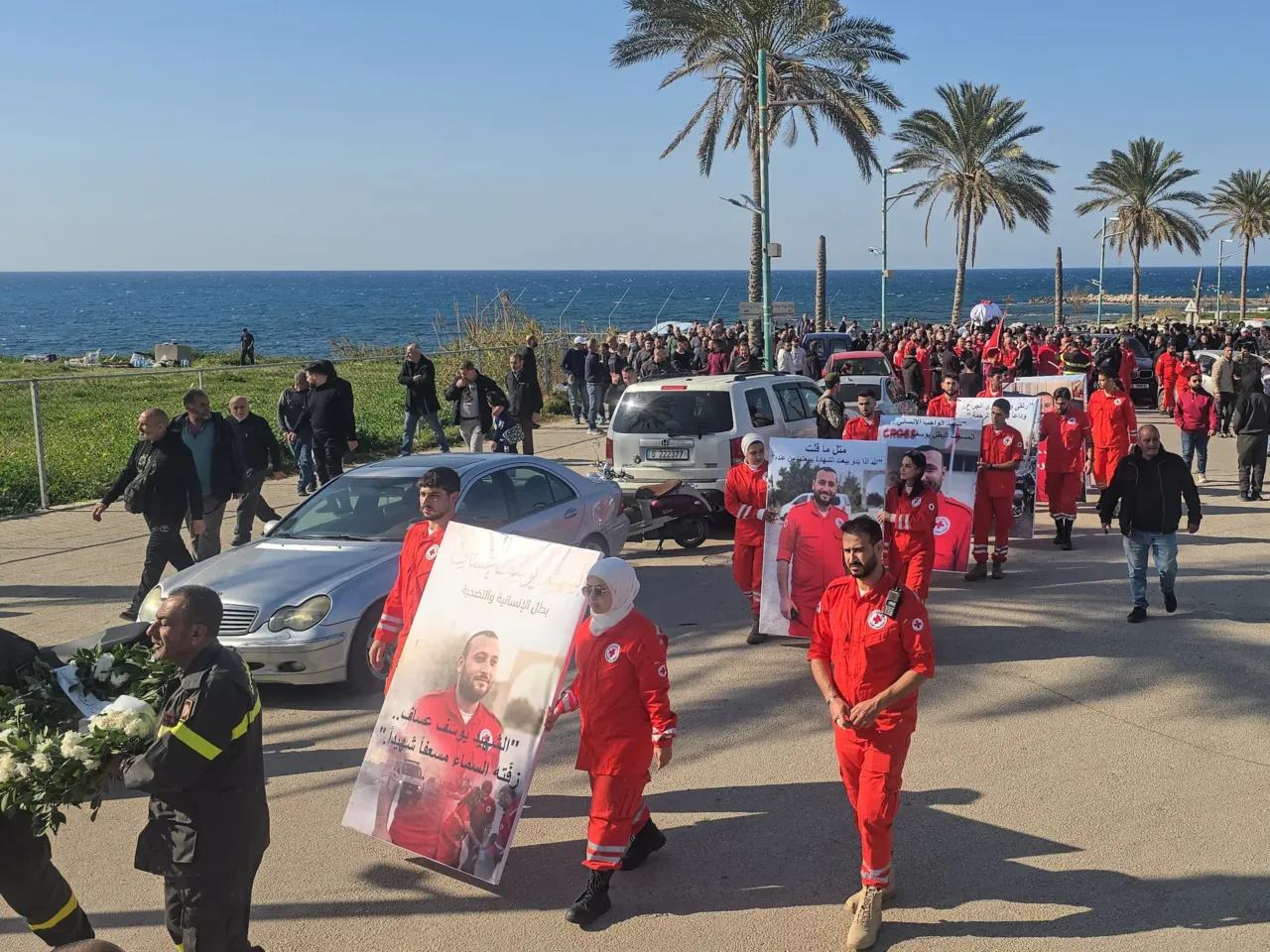
BEIRUT, Lebanon — Dozens of paramedics in bright red uniforms shuffle around a coffin. The victim is one of their own.
Youssef Assaf, a volunteer paramedic with the Lebanese Red Cross, was killed by an Israeli airstrike on March 9, while on a rescue mission in Majdal Zoun, southern Lebanon. His funeral drew hundreds of first responders, marching in a seaside procession in the Mediterranean city of Tyre, his mother’s cries heard over the shuffle.
Lebanon’s government says at least 54 health workers are among more than 1,400 people killed by Israel during the current invasion. Some human rights groups say first responders are being targeted — something Israel denies.
Notifying Israel
Whenever Red Cross ambulances rush to the scene of any attack, they send their coordinates to United Nations peacekeepers, who then notify Israel.
They followed that protocol on March 9, when Assaf got out of his ambulance at the scene of an airstrike to assist the wounded — and was hit by another attack. After his killing, the Red Cross’ director of emergency medical services, Alexy Nehme, says he sent a message back through that same mechanism to Israel, “as a complaint and a question. Why? Why us?”
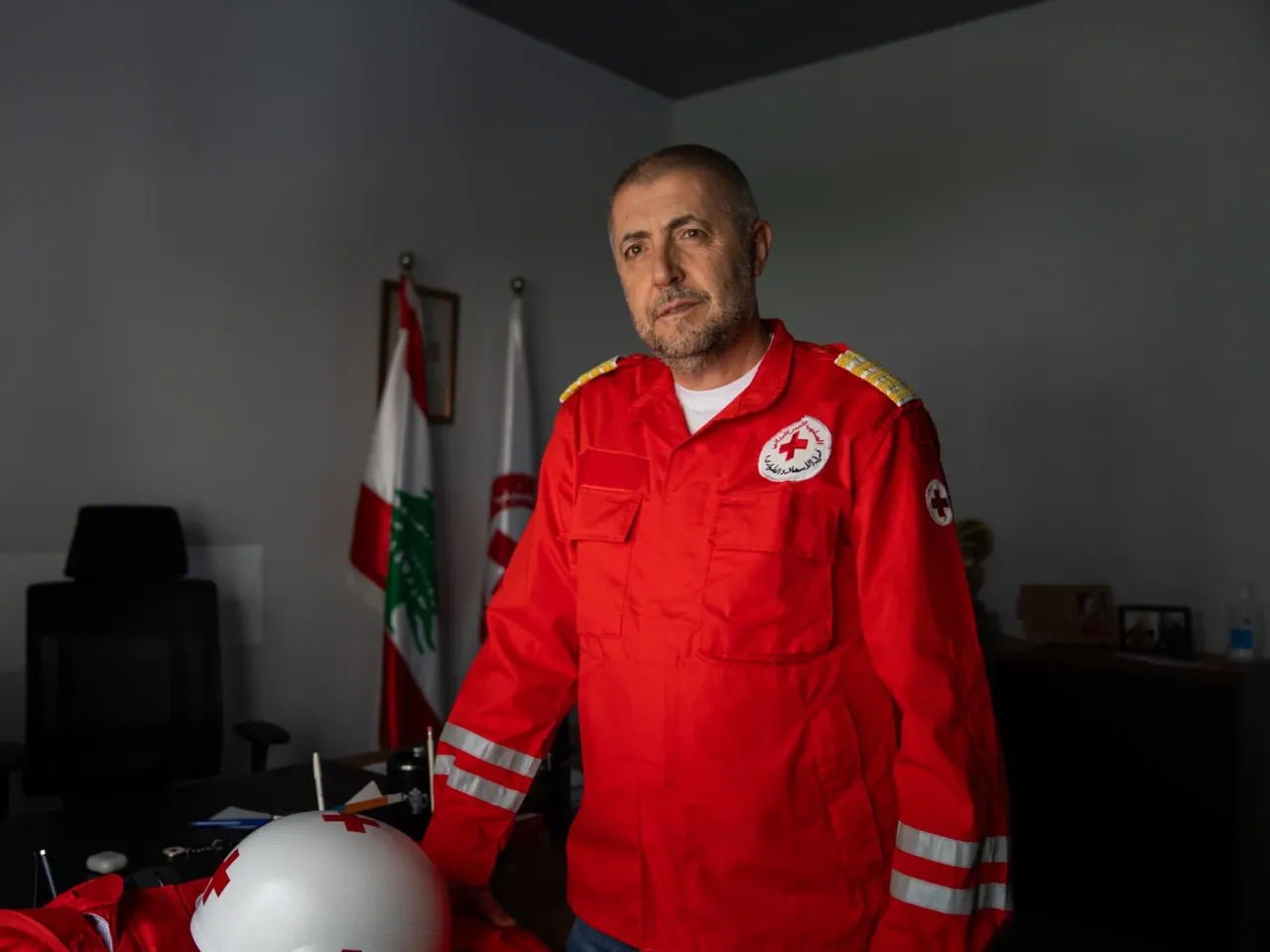
Nehme says he never got a reply.
The Israeli military tells NPR it targeted a “Hezbollah military-use building” that day, and that “some people” arrived in the area “in the seconds between when the munitions were fired and the moment of impact,” but were not intentionally targeted. Israeli troops “were unaware of the presence of Red Cross personnel in the area and certainly did not intend to strike them,” the military said.
But Lebanese officials and human rights groups say this is a pattern.
A pattern of attacks on medics
“It’s very clear that there is targeting of healthcare personnel, first responders and healthcare facilities,” Dr. Firass Abiad, Lebanon’s former minister of public health, tells NPR’s Morning Edition. “When you have 10 first responders killed within a period of almost 24 hours, it’s very difficult to say this is an accident.”
On the weekend of March 28-29, 10 health workers were killed in a 24-hour period by Israeli attacks on Lebanon, according to the Lebanese government and the World Health Organization. Lebanon’s current minister of public health, Rakan Nassereddine, said he has initiated the process of filing a complaint to the U.N. Security Council.
Human Rights Watch says it’s too soon to draw conclusions about the current war. But HRW researcher Ramzi Kaiss says Israel has intentionally targeted health workers in the past, in Gaza and Lebanon. In 2024, his group documented three attacks: on paramedics at a civil defense center in Beirut, and on an ambulance and a hospital in southern Lebanon, killing 14 paramedics.
“We found that these attacks amount to apparent war crimes,” Kaiss says. “Health workers are protected under the laws of war. In the attacks we investigated, we did not find evidence that the facilities and ambulances were being used for military purposes.”
Amnesty International also says Israel is using the “same deadly playbook” to carry out “unlawful attacks on health facilities and health workers” without “any accountability or redress.”
The World Health Organization’s Director-General Dr. Tedros Adhanom Ghebreyesus says “attacks on health facilities must cease immediately.”
“This cannot become the norm,” he posted on social media.
What Israel says
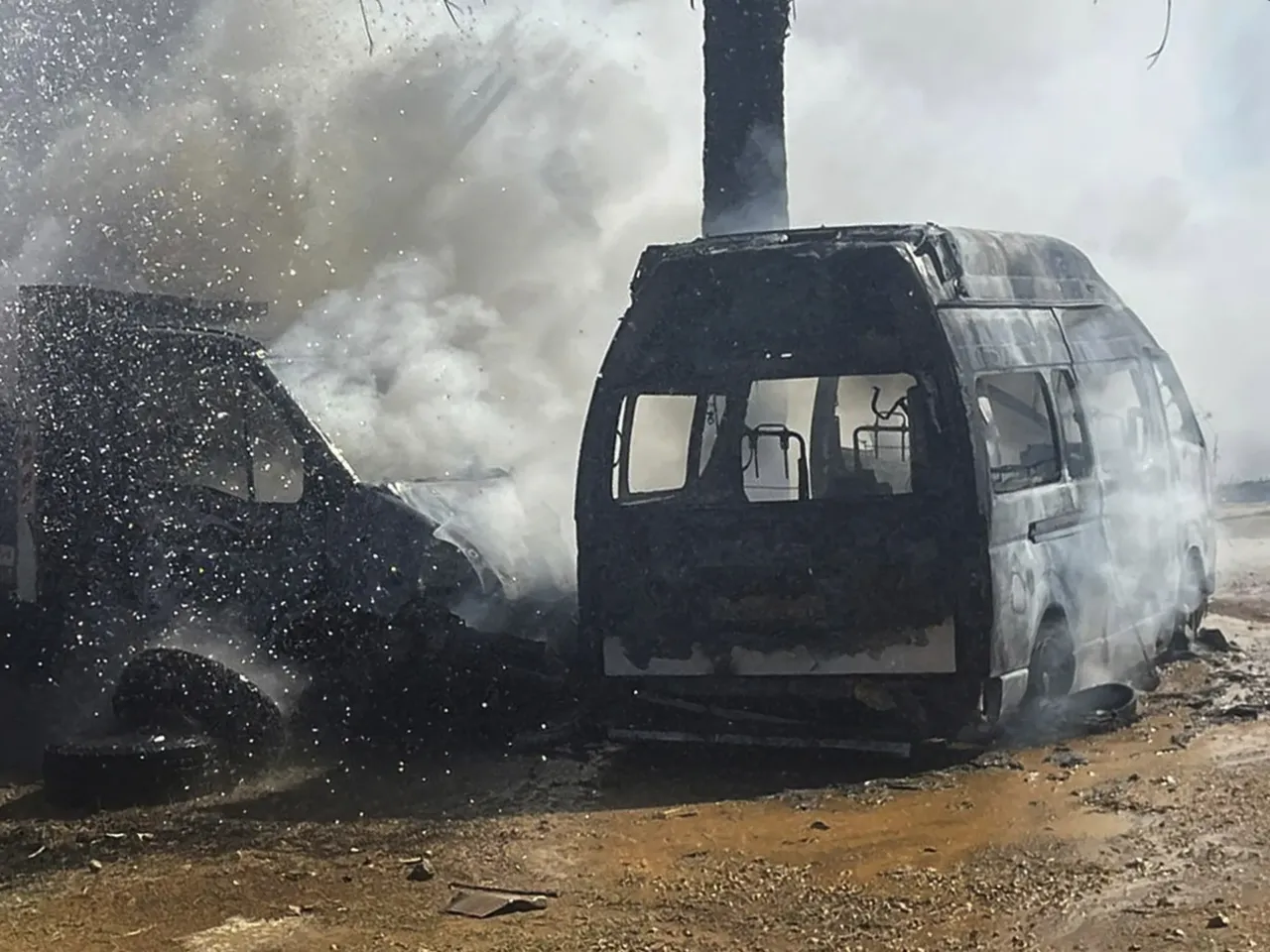
The Israeli military told NPR it abides by the law, but revokes legal protections for health workers when “misuse” occurs. Israel accuses Hezbollah of exploiting medical teams and facilities, transporting weapons in ambulances, as part of a broader pattern of “systematic exploitation of civilian infrastructure,” it said.
The majority of first responders killed in this war have been with units run by Islamic political groups, including Hezbollah, which has its own ambulance service. Unlike the Red Cross, it does not notify Israel of its movements.
In an interview at the site of a Beirut building felled by a recent Israeli airstrike, Mohammed Farhat, operations director for the Islamic Health Authority, which includes Hezbollah’s ambulance service, described working under the threat of so-called “double-tap” strikes. He says Israel will often strike a Hezbollah operative, then wait for Hezbollah’s own first responders to arrive on the scene, and then hit them too.
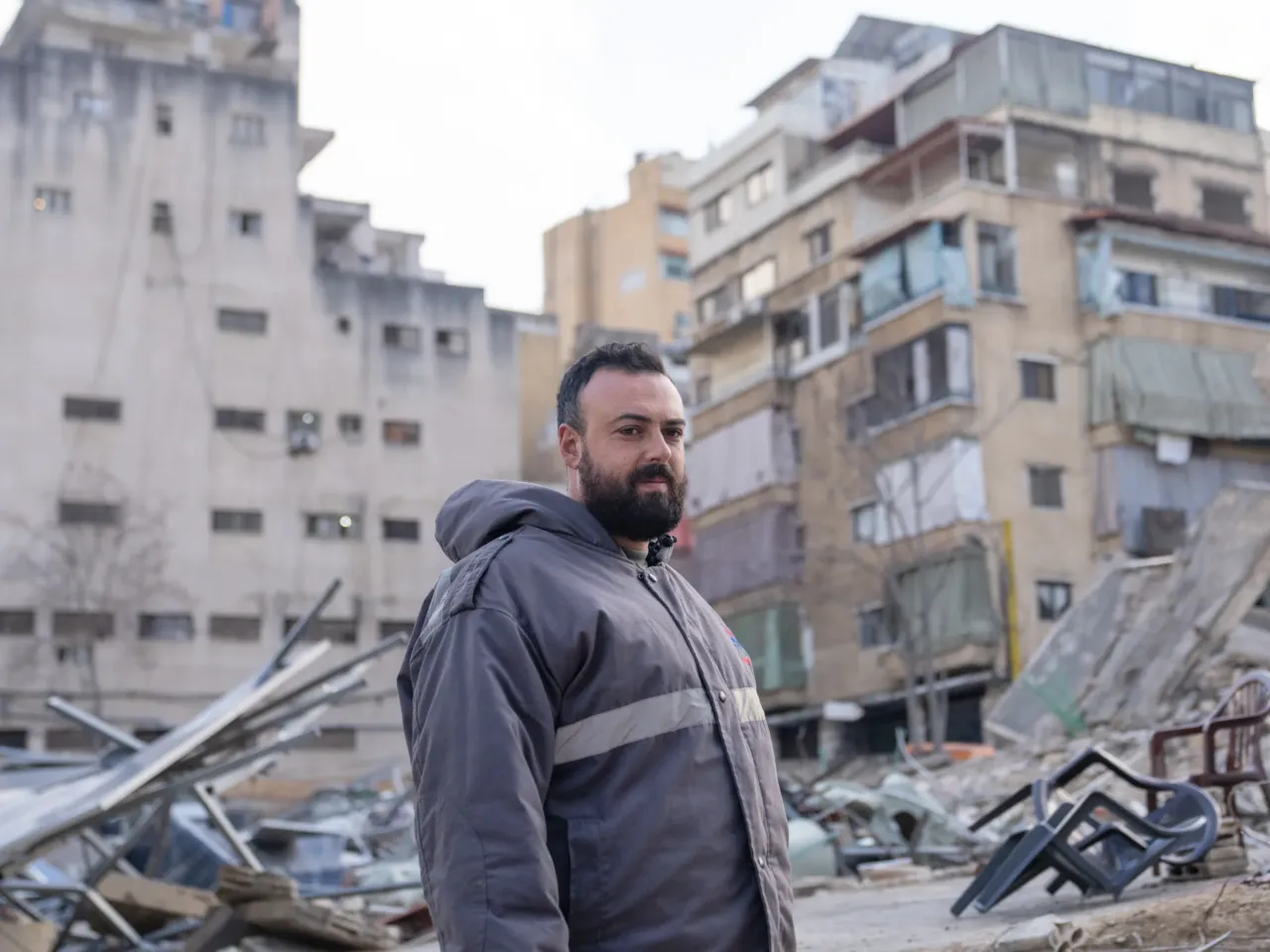
The Israeli military denies any such policy. But it told NPR it does sometimes conduct an additional strike “when the objective of the initial strike was not achieved.”
Farhat says first responders have changed their behavior. “We wait a bit,” he says. But it’s hard.
“You have the mind and the heart. When you hear someone crying or screaming — especially children — you don’t really think. You just run towards them,” Farhat says. “But we try to work in a way that doesn’t increase the risk to the team. Instead of sending in 10 or 20 people into the heart of a targeted building in the first four or five minutes, we send three or four to get close, go in, and assess.”
He denies transporting weapons, and says he’s lost many colleagues, whom he says deserved legal protection as a health workers, regardless of their political affiliation.
Dispatching colleagues into harm’s way
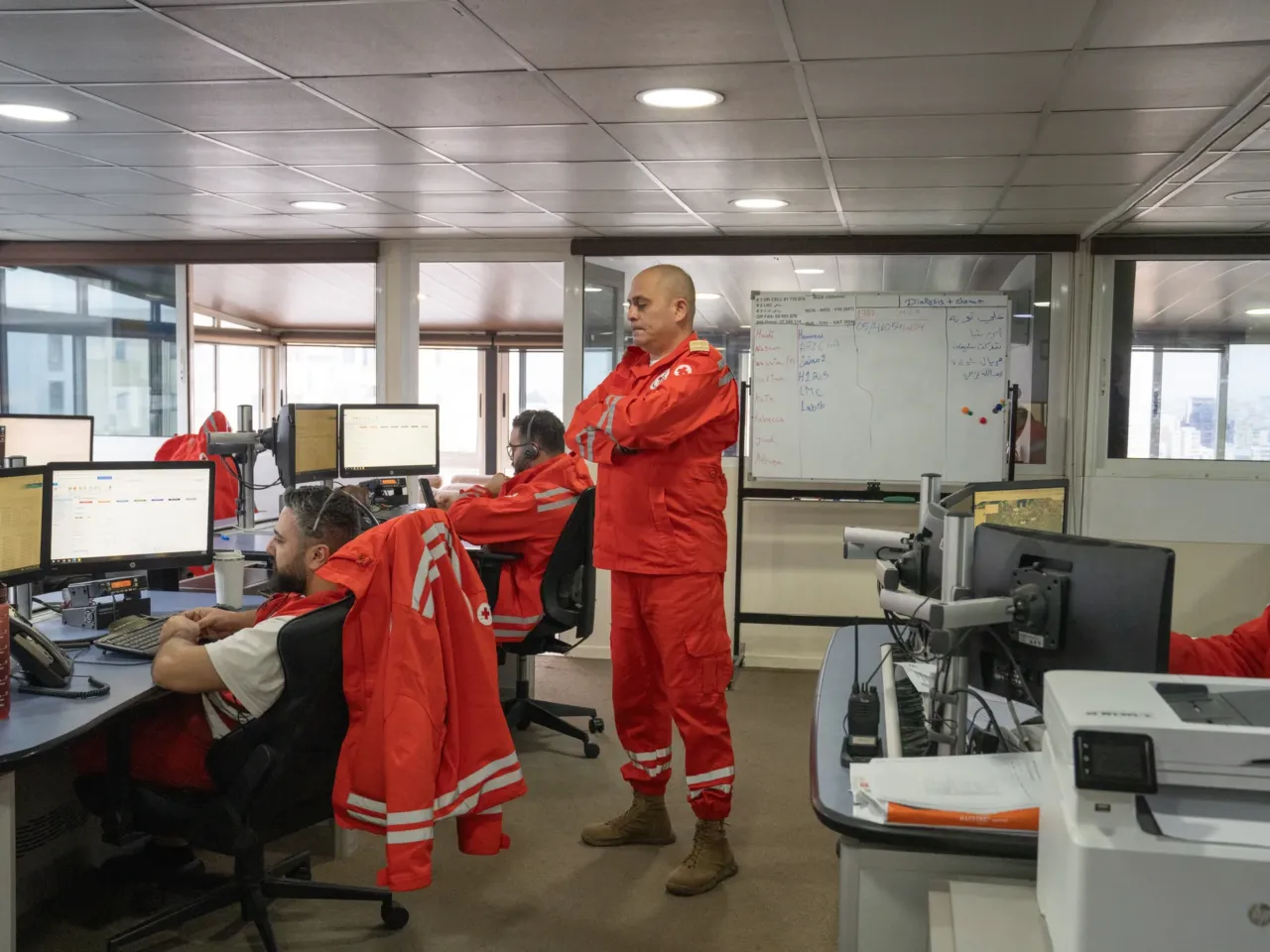
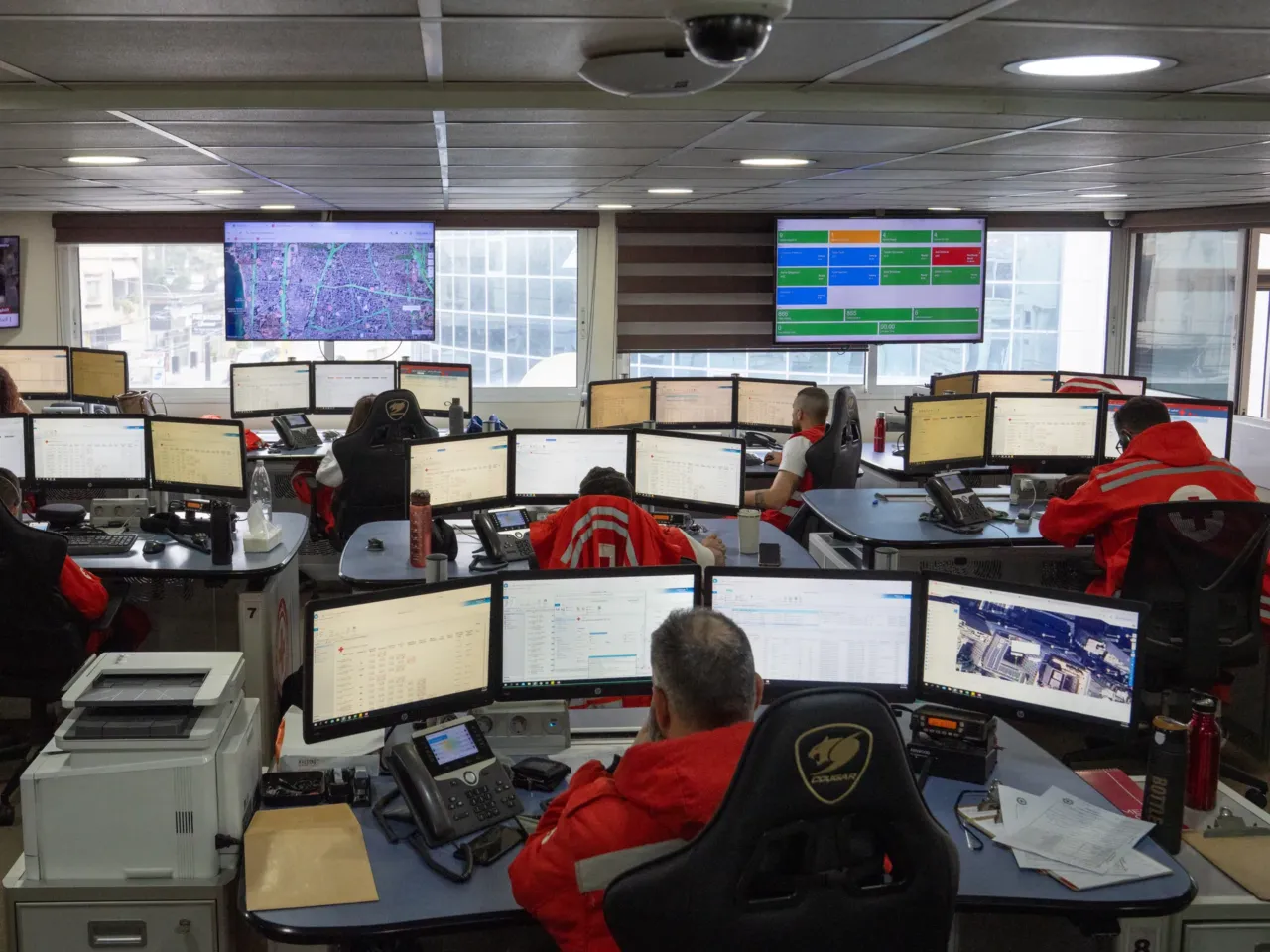
At the Lebanese Red Cross’ control room in southern Beirut, ambulance dispatchers field some 1,500 calls a day. Some of them are gripping.
“After a recent airstrike, a woman called, saying she and her children were injured. They were clearly suffering from severe trauma,” recalls George Ghafary, the lead dispatcher. “We stayed on the phone with them the whole time, until the ambulance reached them.”
They survived, he says.
Calls like that weigh on him, Ghafary says. So does this war’s toll on his profession. “These are my colleagues, my friends,” he says. “I can’t show the team my worry and anxiety, but deep down, it’s there.”
When he dispatches colleagues out into harm’s way, he tracks them by GPS and stays on the line with them as well, by phone and walkie-talkie.
He hopes the line doesn’t fall silent.
Copyright 2026 NPR