A new Virginia law taking effect next year could help residents who can’t get rooftop solar adopt carbon-free energy in their homes.
It clears the way for renters and more to install plug-in solar panels, often called balcony solar. They’re smaller than rooftop panels — under the new law, they can only produce up to 1,200 watts.
And, true to the name, they can plug right into the wall, hang outside on a balcony or other surface and generate electricity.
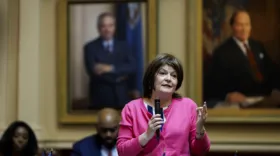
Del. Paul Krizek (D–Fairfax) and Senate Majority Leader Scott Surovell (D–Fairfax) carried the bills, which received technical edits from Gov. Abigail Spanberger before the General Assembly finalized them.
“It gives people that live in urban and suburban areas an opportunity to participate in energy affordability, protecting the planet and not having to deal with red tape regulations,” Krizek said.
Krizek also noted that his bill had a “perfect storm” of support this year: It was part of the governor’s affordability agenda, had support from climate groups like Chesapeake Climate Action Network, and it may have even gotten a boost from the energy bill sticker shock brought on by January’s winter storm and subsequent cold snap.
Krizek said balcony panels, which are oriented more vertically than other types of solar panels, can go on producing just as much energy once the clouds clear — no waiting for built-up snow to melt.
“You’re getting all of this sunlight that’s bouncing off all the snowpack… helping it and powering it up,” he said.
Elizabeth Marshall, senior program manager of the University of Virginia Weldon Cooper Center’s Virginia Solar Initiative, agreed that balcony solar could break down barriers to solar adoption. A key portion of the new law bars electric utilities from charging costs to connect to the grid for the small panels — in larger installations, those fees can make or break projects.
The new law also prevents local governments and landlords from banning the plug-in panels — though landlords may set “reasonable” restrictions on their size and placement.
Marshall added that as Virginia faces steep electric demands, any new generation can help.
“There is a gap between our expected generation and the amount of energy that we will need,” Marshall said. “Anything we can do to expand distributed generation will help, anything we can do to drive down demand or to reduce overall demand is helpful.”
Virginia’s balcony solar law goes into effect Jan. 1, 2027.
Balcony solar is relatively new to the United States. The plug-in panels are popular in Germany and other countries; it remains to be seen how big the market will be in Virginia and states with similar laws, like Utah.
Dozens of other states, including West Virginia and Maryland, have their own plug-in solar laws moving through the legislative process according to Grist.
In Virginia, there is some additional business to be done at the state level before the law can take effect on Jan. 1, 2027.
The bill orders State Corporation Commission regulators to come up with a notification form by September. Residents looking to plug a panel into their home outlets will be required to fill out that form and deliver it to their electric utility as a safety precaution.
And state Secretary of Commerce and Trade Carrie Chenery is responsible for overseeing a work group to refine safety standards and other recommendations for the devices.
That group will review the National Electrical Code and the National Electrical Safety Code (yes, those are different things), existing standards for relevant safety features from an OSHA-designated “nationally recognized testing laboratory”, and whether additional safety requirements not identified by any of those national sources are appropriate.
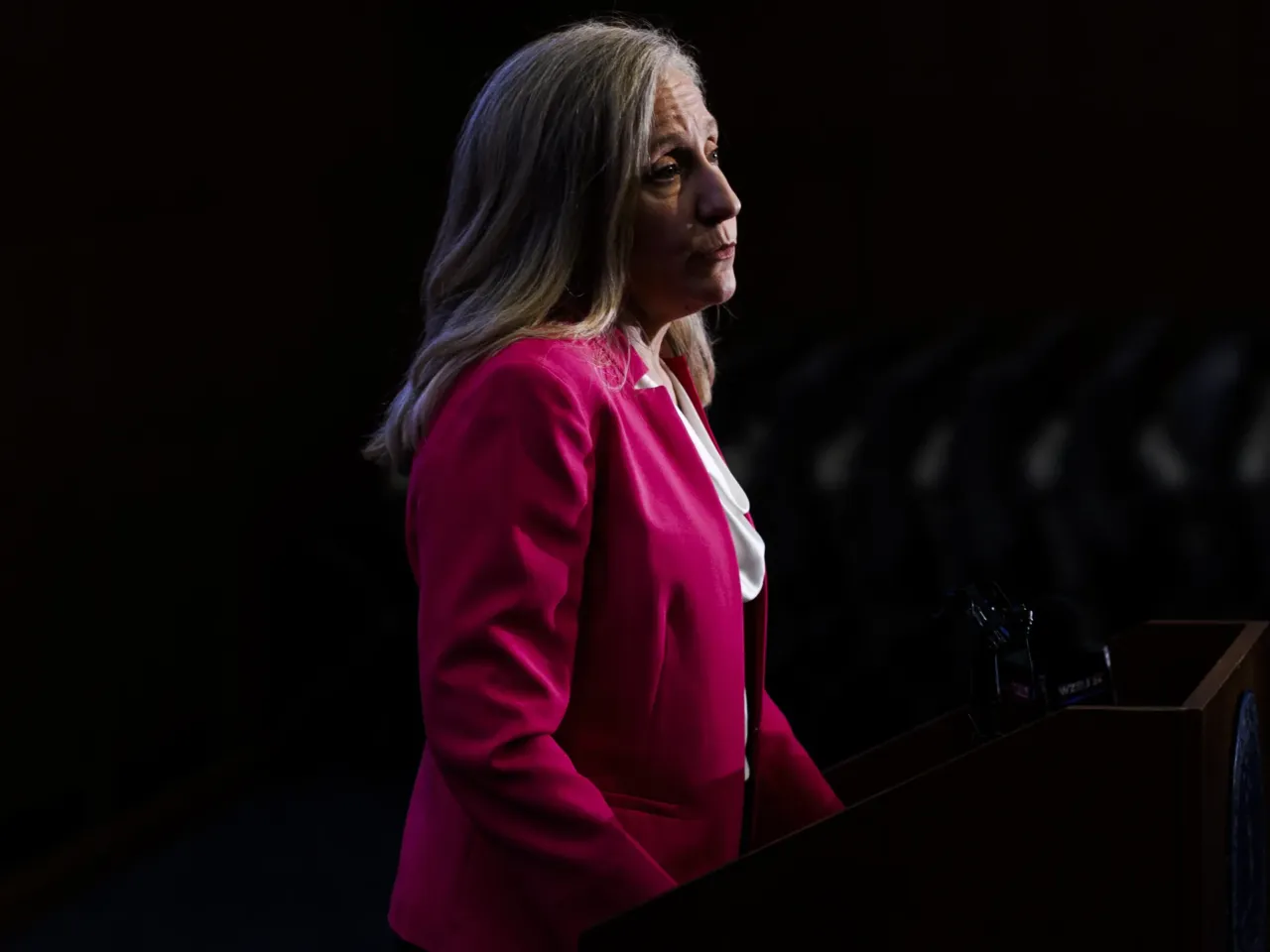
Because the bill was part of Spanberger’s “Affordable Virginia Agenda,” VPM News asked the governor at a Monday press conference if she planned to install balcony panels on the Virginia Executive Mansion.
Spanberger pointed out that Department of General Services director Banci Tewolde was in the room and that would need additional permission, given the building’s historic status.
“But if I lived there and it wasn’t a state property,” Spanberger said, “100%.”
Copyright 2026 VPM