Updated June 10, 2026 at 06:30 AM ET
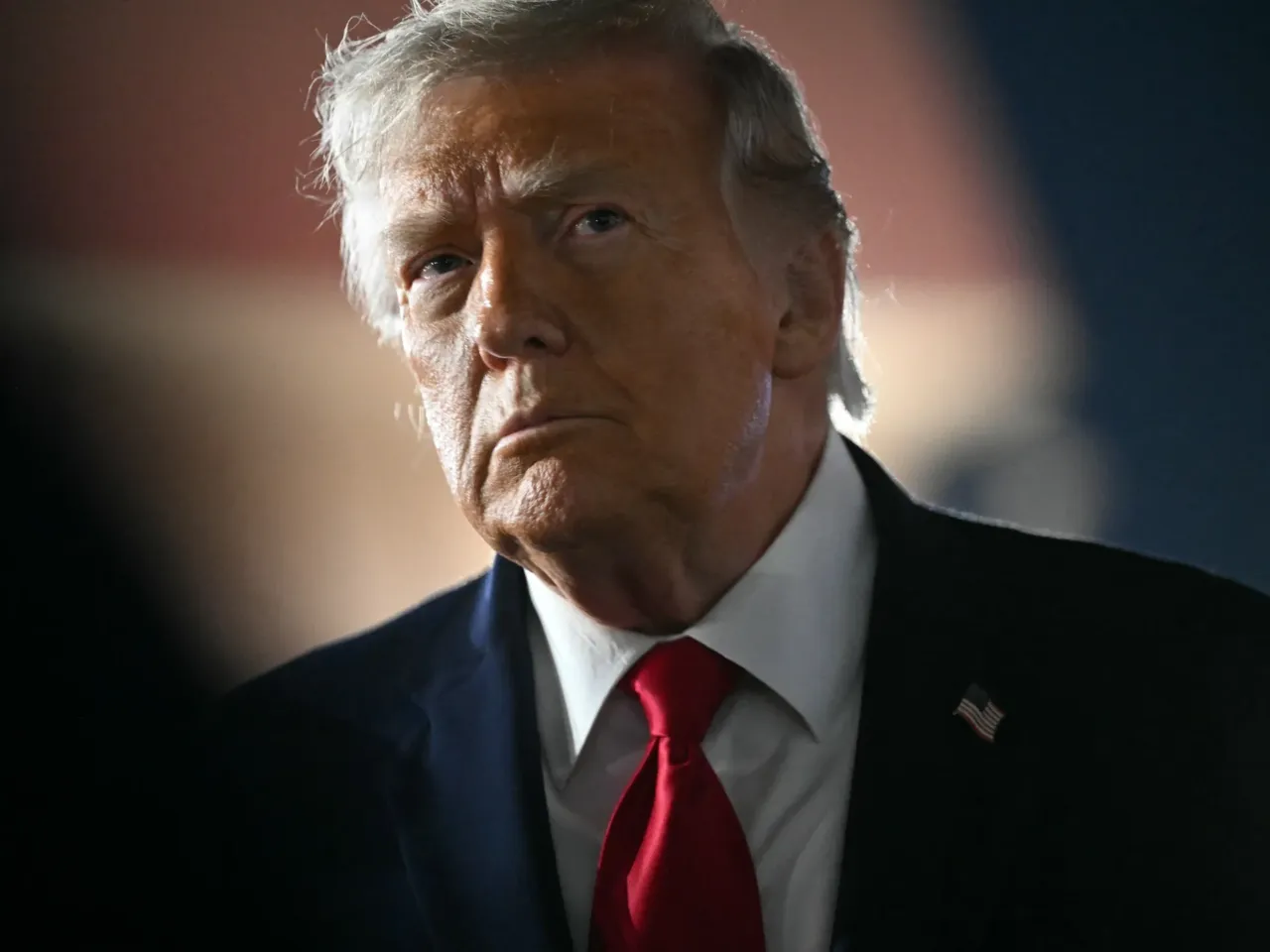
The U.S. completed strikes on Iran Tuesday night in response to the downing of a U.S. Apache helicopter near the Strait of Hormuz on Monday. President Trump blamed Iran for the incident. Iran responded to the wave of U.S. strikes early Wednesday by targeting U.S. military bases in Bahrain, Kuwait and Jordan, dealing a blow to efforts to end the war.
The U.S. strikes were described as a “proportional response to unjustified Iranian aggression,” by U.S. Central Command on social media.
The U.S. struck “Iranian air defense, ground control stations, and surveillance radar sites near the Strait of Hormuz,” CENTCOM said, adding, “U.S. forces remain vigilant and postured to defend against unjustified Iranian aggression.”
Iranian Revolutionary Guard said it conducted drone and missile attacks on the U.S. Navy’s 5th Fleet in Bahrain, launched missiles toward the F35 fighter jet hangars and the command and control center of the U.S. Army in Al-Azraq, Jordan, and targeted the Ali Al-Salem military base in Kuwait, which hosts the U.S. forces, according to statements carried by Iranian state media.
Iran said it hit the majority of its targets, but authorities in Bahrain, Kuwait and Jordan, where sirens sounded overnight and governments urged residents to seek shelter, said their air defense systems intercepted the Iranian missiles.
Jordan said it shot down five Iranian missiles, adding that shrapnel from the interceptions caused no damage or casualties.
Iran said among the targets hit by the U.S. were reservoirs that provide drinking water to 20,000 people.
President Trump announced the intent to strike earlier in the day, saying the U.S. “must” respond to Iran’s attack on the US Apache helicopter.
“I have just been informed by our Great Military that last night the Iranians shot down one of our highly sophisticated Apache Helicopters while patrolling over the Strait of Hormuz,” Trump wrote on his social media platform Truth Social.
“Nevertheless, the United States must, of necessity, respond to this attack,” Trump said.
In response to the latest U.S. strikes, Iran’s foreign minister said: “Our Powerful Armed Forces will leave no attack or threat unanswered.” Soon after, Iran responded to the U.S. action by launching attacks in Bahrain and Kuwait. Iran also said it had targeted an air base in Jordan hosting U.S. forces.
Last week, Trump was asked about a report that his red line for ending the tenuous ceasefire with Iran would be if American troops were killed and he said: “It would be a good reason, I’d be honest with you.”
The incident shows the high-stakes nature of Trump’s current position – trying to navigate an end to the war that is straining global economies and tanking his popularity, while ensuring American military credibility.
Iran’s parliament speaker posted on X after Trump’s statement on a U.S. response:
“We prefer the language of diplomacy, but we speak other languages far more fluently. Break your commitments, and we’ll switch to what we speak best,” Mohammad-Bagher Ghalibaf said.
It’s unclear what this means for the overall ceasefire that’s been in effect since April. Both sides have continued peace talks despite several flare ups in the region, including recent Israeli attacks in Lebanon.
But the talks haven’t resulted in any movement toward a deal, despite Trump repeatedly saying one is close.
“I think it’s going well,” he said of the negotiations late Monday night, adding a peace deal could come within two to three days.
“We have a good chance of doing it. We should be able to do it in one hour … I don’t think there are sticking points,” he said.
Jane Arraf in Beirut and Aya Batrawy in Dubai contributed to this report.
Copyright 2026 NPR