Copyright © 2026 VPM, all rights reserved.
PBS is a 501(c)(3) not-for-profit organization.
VPM News Morning Edition
NEXT UP: 9:00 AM

Thanks to our sponsors – Become a Sponsor

It’s been a thrilling start to the World Cup. Here are the highlights and what’s next

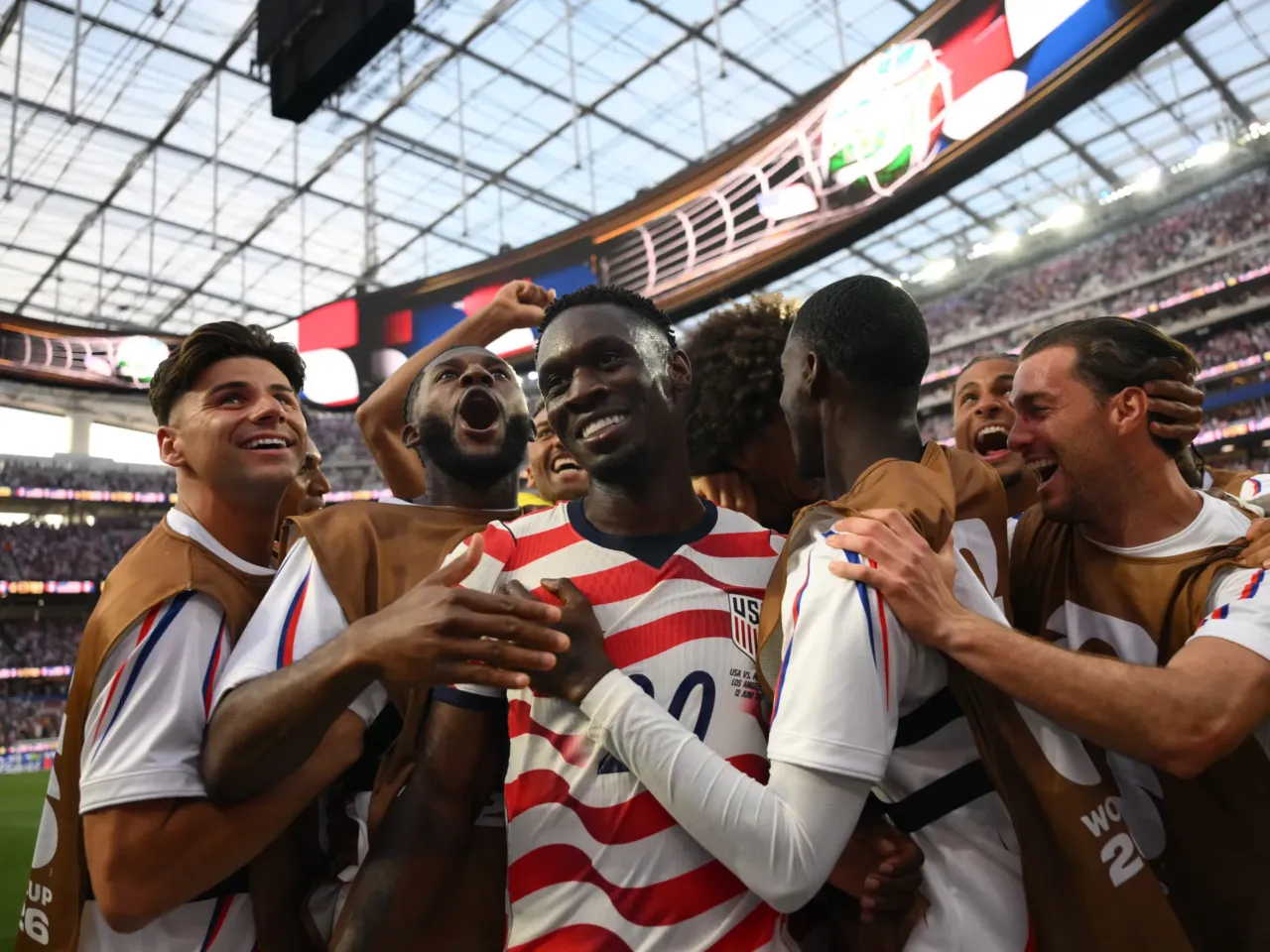
U.S. forward Folarin Balogun (c) celebrates with teammates after scoring his second goal during the U.S.'s opening 4-1 victory over Paraguay in the group stage of the World Cup at Los Angeles Stadium on June 12, 2026.
Patrick T. Fallon / AFP via Getty Images
U.S. forward Folarin Balogun (c) celebrates with teammates after scoring his second goal during the U.S.'s opening 4-1 victory over Paraguay in the group stage of the World Cup at Los Angeles Stadium on June 12, 2026.

LOS ANGELES — With all the political drama, high ticket costs, immigration problems, and transit worries leading up to this year’s edition of the FIFA World Cup, much of that has washed away now that the games are underway. And what a thrilling start to the five-week soccer tournament we’ve witnessed across the co-hosts Mexico, Canada and the United States.

Let’s get you caught up, and look forward to the week ahead.

We’re a U.S.-based media organization. So, of course, we need to start with the dominant and, arguably, best World Cup game the American men have ever played (yes, the U.S. has won the Women’s World Cup four times). Last Friday’s opener at Los Angeles Stadium against Paraguay had it all.

Starting with the score: 4-1. That’s the most goals the U.S. men have tallied in a World Cup match. Striker Folarin Balogun netted two of them — the first multi-goal game by a U.S. player since the very first tournament in 1930.

Defender Chris Richards returned to the lineup after missing both pre-World Cup warm-up games because of an injury. And he made an immediate impact: successfully completing every one of his 83 passes (the most by any player in a World Cup match since 1966). Regarding injuries, the status of star forward Christian Pulisic remains unclear. He was subbed out at halftime because of a calf problem. After the game, he walked gingerly to the team bus.

From top-to-bottom, the U.S. sparkled and dazzled. It was a great start. But one game does not a tournament make.

The U.S. did get a preview Saturday of its next two opponents in Group D: Turkey and Australia. Turkey has more players in Europe’s top-tier leagues, including bona fide stars like Real Madrid’s Arda Güler and the Juventus attacker Kenan Yildiz. None of that mattered to the underdog Australia, which stunned Turkey 2-0. That sets up next Friday’s USA-Australia game to be a big one — if the Americans win, they will be in the driver’s seat in their group and a great position in the later knockout round.
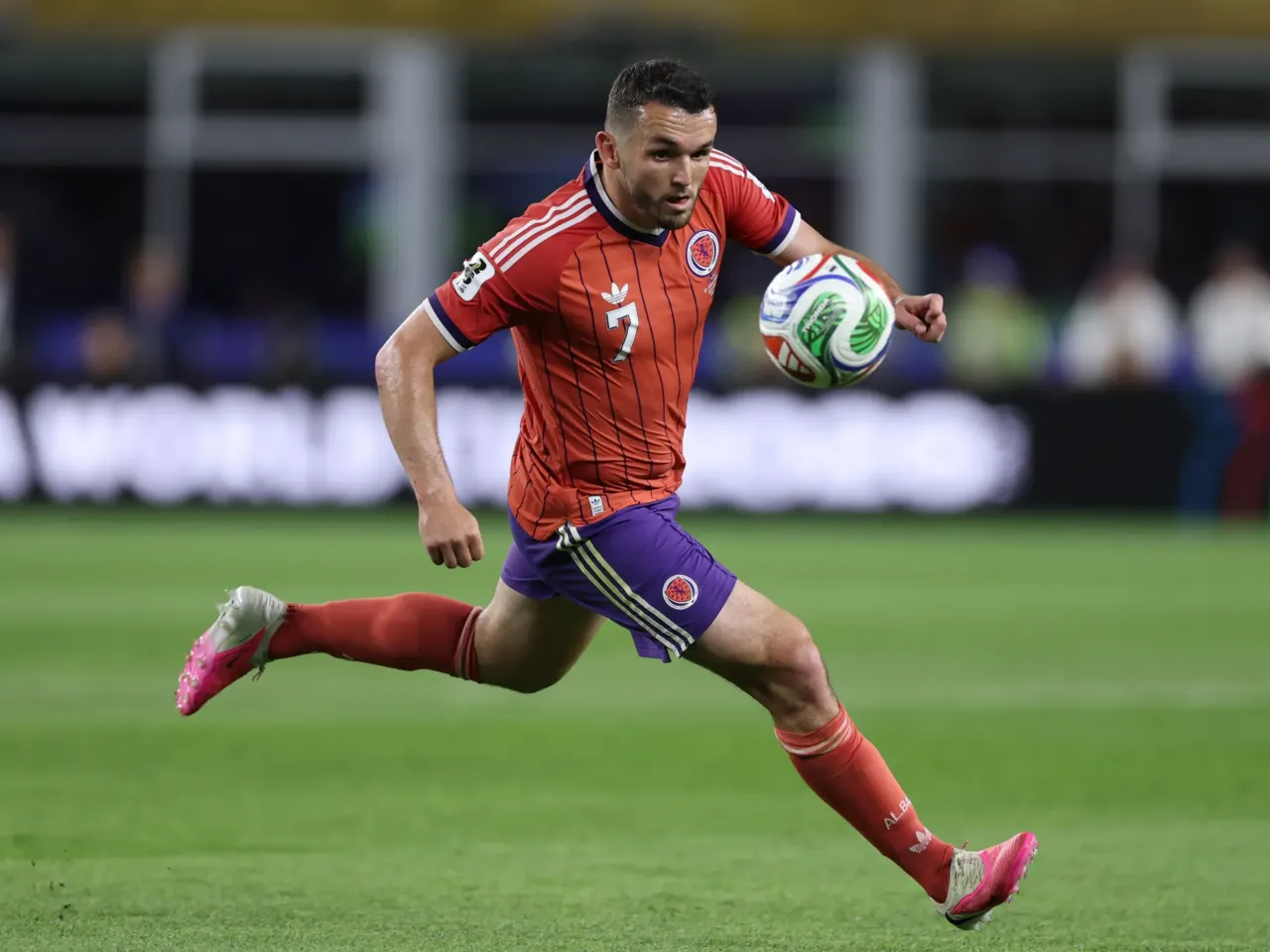
John McGinn of Scotland controls the ball during the team's opening World Cup match against Haiti on Saturday in Foxborough, Mass.
John McGinn of Scotland controls the ball during the team’s opening World Cup match against Haiti on Saturday in Foxborough, Mass. Justin Setterfield / Getty Images

Another World Cup shocker: Scotland, playing its first World Cup in 28 years, is atop Group C after defeating Haiti. The reason that’s notable? They share the group with soccer royalty: Brazil (a record five-time champion) and powerhouse Morocco. Those two are expected to advance to the knockout round, but they played to a 1-1 draw, putting Scotland in the lead. For now.

Speaking of draws, Qatar and Switzerland finished 1-1 on Saturday. With the tie, Qatar earned its first-ever World Cup point. This is just Qatar’s second World Cup (it automatically qualified for the 2022 tournament, which it hosted and lost all three of its games). On Sunday, the Netherlands and Japan played to a 2-2 tie in a battle of Group F heavyweights.

Curaçao, the smallest country (population: 158,000) to play in a World Cup, made its debut against Germany. And for a short while on Sunday, the tiny Caribbean country believed. Germany scored an early goal, and Curaçao then equalized. For the next 17 glorious minutes, the two remained deadlocked. Then Germany began doing Germany things, winning 7-1 (a famous World Cup score for them).

Looking ahead to the rest of the week, we’ll be paying attention to three particular opening group games. The first is Monday between Iran and New Zealand at Los Angeles Stadium. There had been speculation as to whether Iran would participate after the U.S. and Israel attacked the country in February. Iran had been expected to set up its training camp in Tucson, Ariz., but the team moved to Tijuana, Mexico, citing the ongoing hostilities and security concerns. The U.S. government is only allowing the Iranian team to enter the country the day before each of its three group matches.

On Tuesday, France and its superstar Kylian Mbappé will open their World Cup campaign against Senegal in a highly anticipated Group I showdown. Also Tuesday, defending champion Argentina and Lionel Messi will begin their campaign to win back-to-back titles, starting with Algeria in Group J. Only two countries have successfully defended a World Cup title: Italy in 1938 and Brazil in 1962.


As a reminder, you can keep up with all our World Cup coverage from NPR’s correspondents and our network of member stations here.

NPR’s Becky Sullivan contributed reporting from Los Angeles

Copyright 2026 NPR
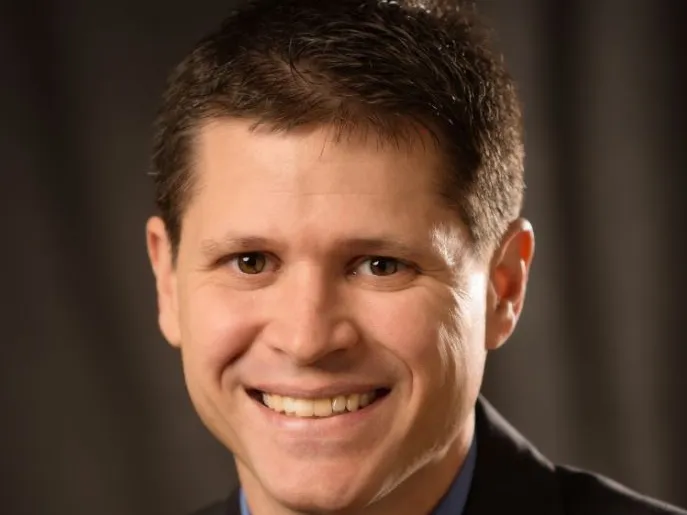
As NPR's Southern Bureau chief, Russell Lewis covers issues and people of the Southeast for NPR — from Florida to Virginia to Texas, including West Virginia, Kentucky, and Oklahoma. His work brings context and dimension to issues ranging from immigration, transportation, and oil and gas drilling for NPR listeners across the nation and around the world.

In addition to developing and expanding NPR's coverage of the region, Lewis assigns and edits stories from station-based reporters and freelancers that air on NPR's news programs, working closely with local correspondents and public radio stations. He spent a year in New Orleans after Hurricane Katrina, coordinating NPR's coverage of the massive rebuilding effort and the reverberations of the storm in local communities. He joined NPR in 2006 and is based in Birmingham, Alabama.

Lewis is also a key member of NPR's 'Go Team' — a small group of experienced NPR producers and reporters who respond to major disasters worldwide. He is often among the first on the scene for NPR — both reporting from these sites as well as managing the logistics of bringing additional NPR reporters into disaster areas that lack functioning transportation systems, basic utilities, food, water, and security.

He was dispatched to Haiti after the 2010 earthquake, where he helped manage a group of NPR journalists. He created an overland supply line for the NPR team between the Dominican Republic and Haiti and brought listeners stories about the slow pace of supply distribution because of border bottlenecks. In Japan in 2011, he was quickly on the scene after the earthquake and tsunami to help coordinate NPR's intensive coverage. In 2013, he was on the ground overseeing NPR's reporting in the Philippines in the aftermath of Super Typhoon Haiyan. Covering the impact of the massive earthquake in Nepal in 2015, he field-produced NPR's coverage and also reported how a lack of coordination by the government and aid workers slowed response. Lewis managed NPR's on-the-ground coverage in 2015 of the terrorist attacks in Paris, France, and reported from Brussels, Belgium. He returned to Brussels in 2016 after the terrorist bombings at the airport and metro station. He helped field-produce NPR's coverage and also reported several stories about the response and recovery. In 2018, he went to Indonesia to field-produce and edit coverage following the earthquake and tsunami in Palu.

Lewis also oversees NPR's sports coverage. He spent six weeks in Brazil in 2014 handling logistics and reporting on the World Cup. In 2015, he did the same in Canada for the Women's World Cup. In 2016, Lewis reported and oversaw NPR's team of journalists at the Summer Olympics in Rio de Janeiro. He also led NPR's coverage from Pyeongchang, South Korea, at the 2018 Winter Olympics and from Tokyo at the delayed Summer Olympics in 2021.

In 2010, the Dart Center for Journalism and Trauma at Columbia University awarded him a prestigious Ochberg Fellowship. The Fellowship is designed to improve reporting on violence, conflict, and tragedy. Lewis has continued his work with the Dart Center and has trained reporters on behalf of the organization in Trinidad and Tobago, the Cayman Islands, and Puerto Rico.

A graduate of the University of Florida, Lewis began his public radio career in 1992 as reporter and executive producer at NPR member station WUFT in Gainesville, Florida. He also spent time at WSVH in Savannah, Georgia, and was Statehouse Bureau Chief at Kansas Public Radio. For six years he worked at KPBS in San Diego as a senior editor and reporter. He also was a talk show host and assistant news director at WGCU in Fort Myers, Florida.

When he's not busy at work, Lewis can be found being creative in the kitchen or outside refereeing soccer games.

Related Stories