Copyright © 2026 VPM, all rights reserved.
PBS is a 501(c)(3) not-for-profit organization.
VPM News Morning Edition
NEXT UP: 9:00 AM

Thanks to our sponsors – Become a Sponsor

A larger World Cup had some worrying the competition would suffer. It hasn’t

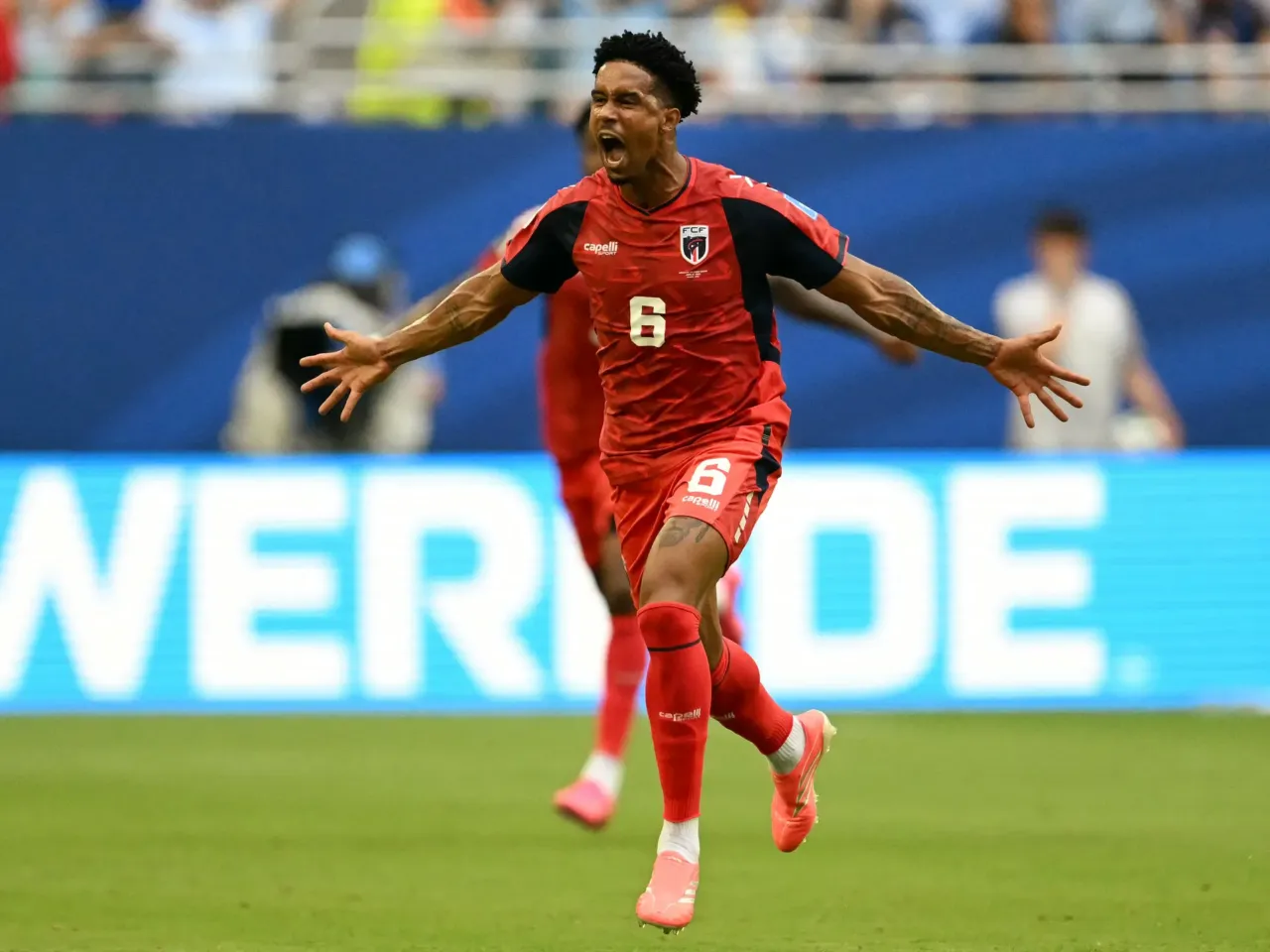
Cape Verde's midfielder Kevin Pina celebrates after scoring his team's first goal during a World Cup match against Uruguay in Miami Gardens, Fla., on Sunday. Cape Verde played Uruguay to a 2-2 draw.
Chandan Khanna / AFP via Getty Images
Cape Verde's midfielder Kevin Pina celebrates after scoring his team's first goal during a World Cup match against Uruguay in Miami Gardens, Fla., on Sunday. Cape Verde played Uruguay to a 2-2 draw.

LOS ANGELES — When FIFA announced that the 2026 World Cup would expand from 32 teams to 48, there was some grumbling.

Soccer purists, a few anyway, fretted that the inclusion of lower-ranked countries would lead to a slew of lopsided results and make the early matches a chore to watch. What’s happened since the tournament kicked off on June 11 has been nothing short of thrilling, with unexpected results.

On Sunday, Cape Verde continued its incredible run at its maiden World Cup with a 2-2 draw against Uruguay. This follows their opening Group H draw against highly favored Spain, 0-0. From the African country with a population of just over half a million people, the Cape Verde team now has a good chance to advance to the knockout round.

Also playing for the first time and doing well is Curaçao. It’s the smallest country ever to participate (pop. 158,000) and on Saturday, tied Ecuador 0-0. Eloy Room made 15 saves in a scintillating performance in goal, securing the country’s first-ever World Cup point.

And how can you not love Scotland (and their delightful fans)? Scotland is back at the World Cup for the first time since 1998. They opened the tournament with a 1-0 win over Haiti and fell just short against Morocco, losing 1-0. Next up for the Scots in Group C is a match against Brazil on Wednesday. Even with a loss to the five-time champions, Scotland could advance to the knockout round.

The United States doesn’t need to worry about any of that.

The American men advanced to the knockout round after dominating Australia 2-0 on Friday (following a dismantling of Paraguay in the opening match). That same day, the U.S. won Group D after Paraguay defeated Turkey (which, surprisingly, has lost both of its opening matches).

So the final U.S. group game on Thursday against Turkey carries little significance. It’s expected that U.S. head coach Mauricio Pochettino will make changes to the starting lineup. Christian Pulisic, nursing a calf injury, may not play, and several players with yellow cards (Folarin Balogun, Antonee Robinson, Chris Richards and Tyler Adams) likely won’t see the field at all. A second yellow card in group play means they would have to sit out the first knockout game.

Defending champion Argentina plays its second group game Monday against Austria. Argentina icon Lionel Messi scored a hat trick in their 3-0 opening win over Algeria. While there’s little doubt Argentina will advance, questions continue to swirl about Portugal. While Messi sparkled, Portugal’s aging star Cristiano Ronaldo had what can only be described as a terrible 1-1 opener against the Democratic Republic of Congo. Ronaldo, who played the entire game, was virtually absent. Portugal takes on Uzbekistan on Tuesday in an important Group K matchup.

Rounding out the rest of the week, here are a few other notable group matches: France plays Iraq on Monday, England takes on Ghana on Tuesday, and Switzerland challenges Canada on Wednesday. On Thursday, Group F will become a little clearer when Tunisia tangles with the Netherlands, and Sweden plays Japan.

The World Cup group stage wraps up on Saturday. The knockout round begins Sunday, June 28, with the first Round of 32 match.


As a reminder, you can keep up with all our World Cup coverage from NPR’s correspondents and our network of member stations here.

Copyright 2026 NPR
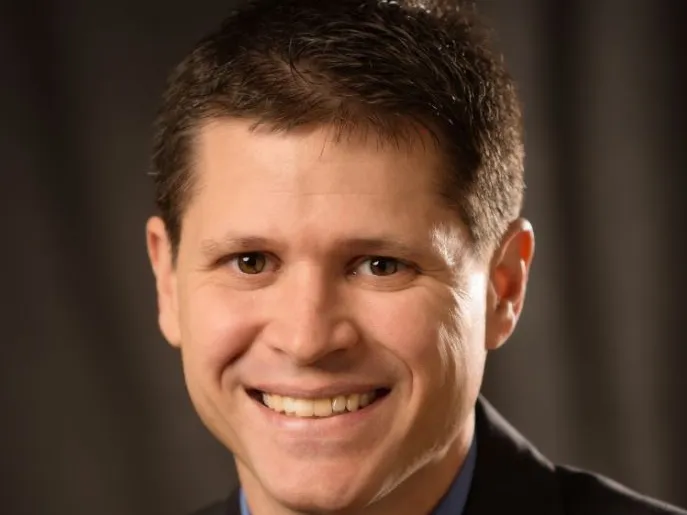
As NPR's Southern Bureau chief, Russell Lewis covers issues and people of the Southeast for NPR — from Florida to Virginia to Texas, including West Virginia, Kentucky, and Oklahoma. His work brings context and dimension to issues ranging from immigration, transportation, and oil and gas drilling for NPR listeners across the nation and around the world.

In addition to developing and expanding NPR's coverage of the region, Lewis assigns and edits stories from station-based reporters and freelancers that air on NPR's news programs, working closely with local correspondents and public radio stations. He spent a year in New Orleans after Hurricane Katrina, coordinating NPR's coverage of the massive rebuilding effort and the reverberations of the storm in local communities. He joined NPR in 2006 and is based in Birmingham, Alabama.

Lewis is also a key member of NPR's 'Go Team' — a small group of experienced NPR producers and reporters who respond to major disasters worldwide. He is often among the first on the scene for NPR — both reporting from these sites as well as managing the logistics of bringing additional NPR reporters into disaster areas that lack functioning transportation systems, basic utilities, food, water, and security.

He was dispatched to Haiti after the 2010 earthquake, where he helped manage a group of NPR journalists. He created an overland supply line for the NPR team between the Dominican Republic and Haiti and brought listeners stories about the slow pace of supply distribution because of border bottlenecks. In Japan in 2011, he was quickly on the scene after the earthquake and tsunami to help coordinate NPR's intensive coverage. In 2013, he was on the ground overseeing NPR's reporting in the Philippines in the aftermath of Super Typhoon Haiyan. Covering the impact of the massive earthquake in Nepal in 2015, he field-produced NPR's coverage and also reported how a lack of coordination by the government and aid workers slowed response. Lewis managed NPR's on-the-ground coverage in 2015 of the terrorist attacks in Paris, France, and reported from Brussels, Belgium. He returned to Brussels in 2016 after the terrorist bombings at the airport and metro station. He helped field-produce NPR's coverage and also reported several stories about the response and recovery. In 2018, he went to Indonesia to field-produce and edit coverage following the earthquake and tsunami in Palu.

Lewis also oversees NPR's sports coverage. He spent six weeks in Brazil in 2014 handling logistics and reporting on the World Cup. In 2015, he did the same in Canada for the Women's World Cup. In 2016, Lewis reported and oversaw NPR's team of journalists at the Summer Olympics in Rio de Janeiro. He also led NPR's coverage from Pyeongchang, South Korea, at the 2018 Winter Olympics and from Tokyo at the delayed Summer Olympics in 2021.

In 2010, the Dart Center for Journalism and Trauma at Columbia University awarded him a prestigious Ochberg Fellowship. The Fellowship is designed to improve reporting on violence, conflict, and tragedy. Lewis has continued his work with the Dart Center and has trained reporters on behalf of the organization in Trinidad and Tobago, the Cayman Islands, and Puerto Rico.

A graduate of the University of Florida, Lewis began his public radio career in 1992 as reporter and executive producer at NPR member station WUFT in Gainesville, Florida. He also spent time at WSVH in Savannah, Georgia, and was Statehouse Bureau Chief at Kansas Public Radio. For six years he worked at KPBS in San Diego as a senior editor and reporter. He also was a talk show host and assistant news director at WGCU in Fort Myers, Florida.

When he's not busy at work, Lewis can be found being creative in the kitchen or outside refereeing soccer games.

Related Stories