Copyright © 2026 VPM, all rights reserved.
PBS is a 501(c)(3) not-for-profit organization.
VPM News Morning Edition
NEXT UP: 9:00 AM

Thanks to our sponsors – Become a Sponsor

In a nailbiter, England moves on to the World Cup semifinals, defeating Norway 2-1

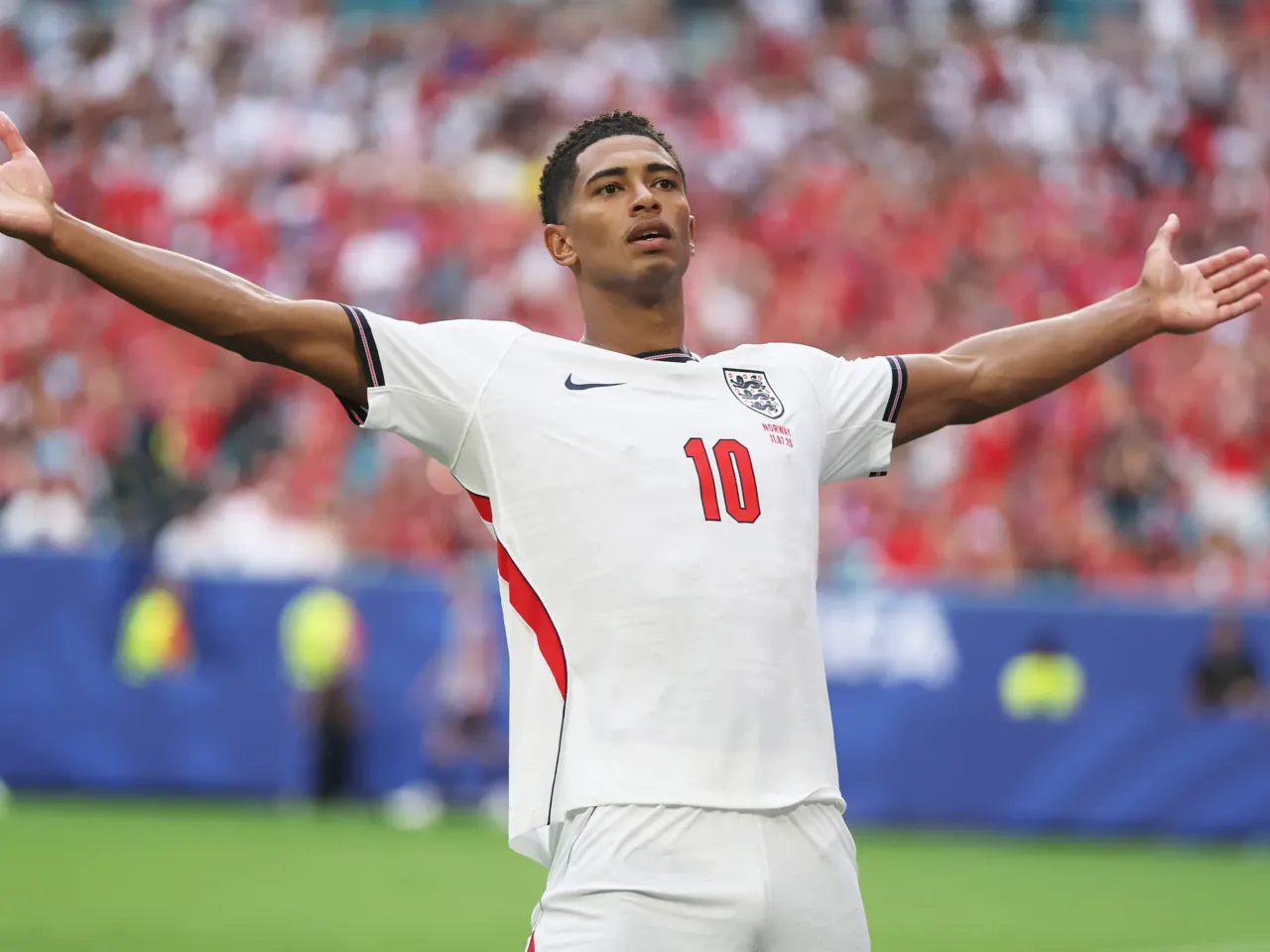
England's Jude Bellingham celebrates scoring his team's second goal during the World Cup quarterfinal match between England and Norway on Saturday in Miami Gardens, Fla.
Richard Pelham / Getty Images
England's Jude Bellingham celebrates scoring his team's second goal during the World Cup quarterfinal match between England and Norway on Saturday in Miami Gardens, Fla.

Updated July 11, 2026 at 23:07 PM ET

MIAMI GARDENS, Fla. — England has done it again. Escaping with an extra-time quarterfinal victory 2-1 over Norway at the World Cup to keep their dreams alive of a second tournament title.

But it wasn’t easy.

It was a typical South Florida July afternoon: hot, muggy and just generally unpleasant. At kickoff, it was 90 F — and meteorologists warned of a dangerous heat index of 108 degrees. Though it felt even hotter than that.

You could see the impact right away — both teams had a smattering of chances in the first half. But the sprints weren’t as fast, the passes not as crisp. England mostly controlled the ball. Striker Harry Kane had a free kick just outside the Norway penalty area in the 29th minute, which sailed just above the crossbar.

Norway’s star, Erling Haaland, had a header in the 35th minute that energized the crowd. The excitement continued when, in the next minute, Andreas Schjelderup sent a blistering left-footed strike past the outstretched arm of England keeper Jordan Pickford. Norway took the lead 1-0

It was the fifth time that Norway had scored first at this World Cup.

The buzz began to build inside Hard Rock Stadium, capacity 64,478, as the England crowd willed its side forward. The team did not delay, intensifying its offensive attack. Then, just before halftime, Jude Bellingham, England’s savior against Mexico in the round of 32, answered again, with another strike. At the break, it was 1-1.
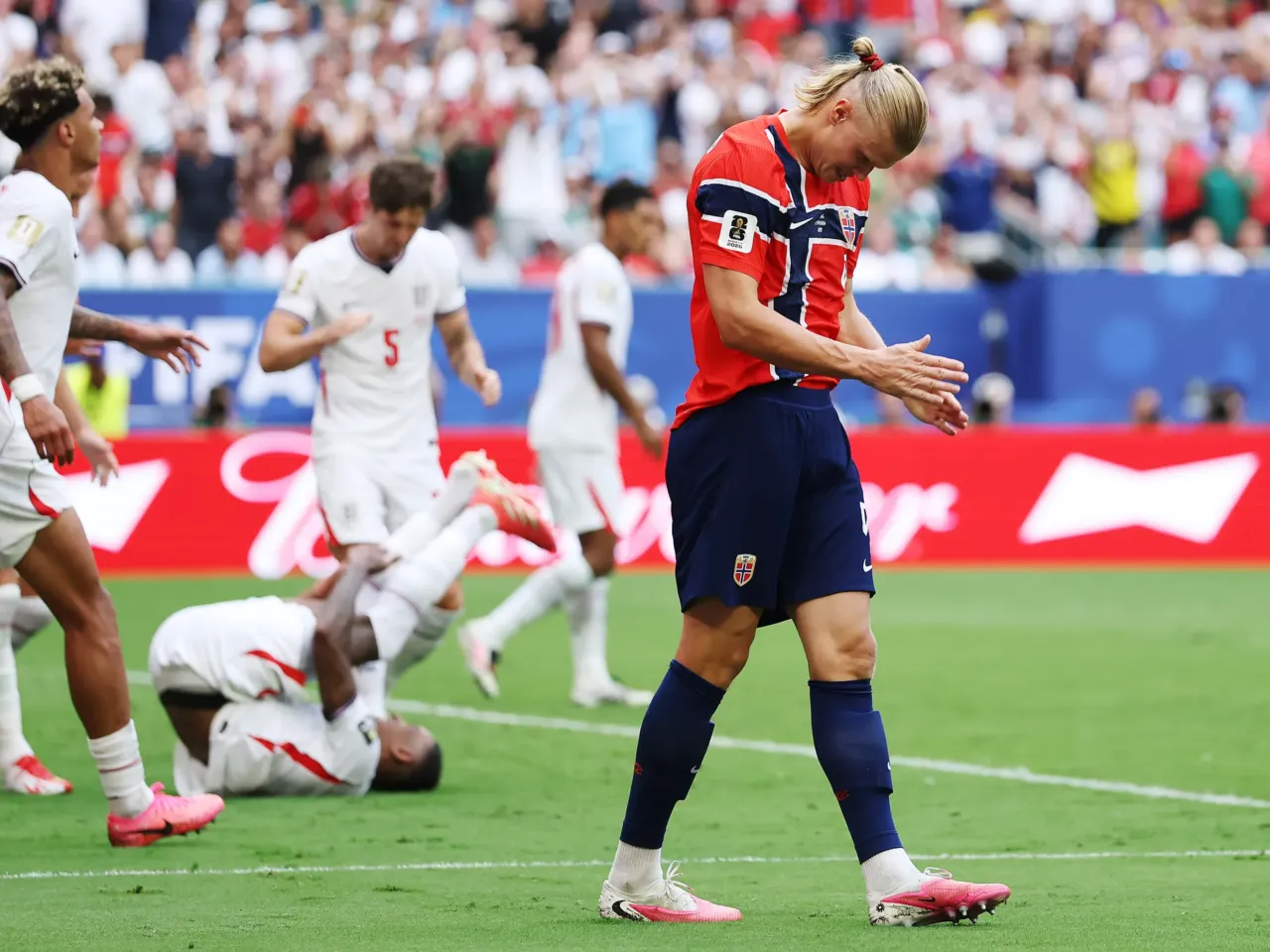
Erling Haaland (R) of Norway reacts during the World Cup quarterfinal match between Norway and England on Saturday in Miami Gardens, Fla.
Erling Haaland (R) of Norway reacts during the World Cup quarterfinal match between Norway and England on Saturday in Miami Gardens, Fla. Buda Mendes / Getty Images

Norway struck first in the second half. After a corner kick, which bounced off a few players, Torbjørn Heggem fired it into the goal. But the goal was wiped away after a video review showed Haaland had pushed an English player to the ground just before the corner kick.

At the end of regulation, the score remained 1-1, forcing another 30-minutes of extra time and another half-hour in the heat. England’s Bellingham only needed three minutes to put his side ahead for good. Norway’s keeper saved a long-range strike, but the ball ricocheted off him, and Bellingham rushed forward and slotted it into the net, his sixth goal of the tournament.

After the goal, Norway’s players and coaches complained to the referee. It appeared that the Norwegian keeper’s kick that preceded the goal had hit a wire of the sky cam. The sky cam zips above the field, providing aerial views of the game. Television replays seemed to show that the trajectory of the ball had changed after the punt. The ball then dropped to the feet of an England player, who passed it to a teammate, and on to Bellingham, who scored.

The soccer balls in use at the World Cup are fitted with electronic sensors. They’re used to inform the referee, for example, if the whole of the ball crosses the goal line. FIFA says the connected ball technology provides “precise, real-time data about its movement and position.” FIFA released a statement after the Bellingham goal that there was “no evidence” that the “heartbeat of the ball” changed when the ball was in the air.

That’s all England would need.

It was the first World Cup meeting between the two sides. And it was the furthest that Norway had ever advanced at a World Cup.

England, which last won the World Cup title in 1966, will face Argentina (which also needed extra time to defeat Switzerland) in the semifinal on Wednesday in Atlanta.

Copyright 2026 NPR
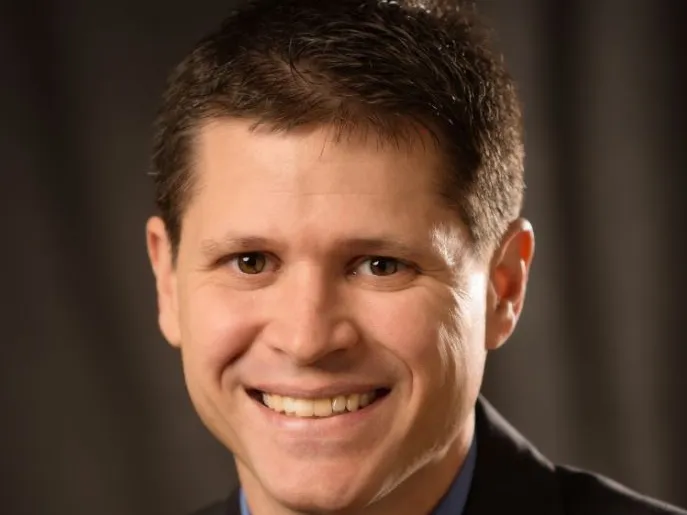
As NPR's Southern Bureau chief, Russell Lewis covers issues and people of the Southeast for NPR — from Florida to Virginia to Texas, including West Virginia, Kentucky, and Oklahoma. His work brings context and dimension to issues ranging from immigration, transportation, and oil and gas drilling for NPR listeners across the nation and around the world.

In addition to developing and expanding NPR's coverage of the region, Lewis assigns and edits stories from station-based reporters and freelancers that air on NPR's news programs, working closely with local correspondents and public radio stations. He spent a year in New Orleans after Hurricane Katrina, coordinating NPR's coverage of the massive rebuilding effort and the reverberations of the storm in local communities. He joined NPR in 2006 and is based in Birmingham, Alabama.

Lewis is also a key member of NPR's 'Go Team' — a small group of experienced NPR producers and reporters who respond to major disasters worldwide. He is often among the first on the scene for NPR — both reporting from these sites as well as managing the logistics of bringing additional NPR reporters into disaster areas that lack functioning transportation systems, basic utilities, food, water, and security.

He was dispatched to Haiti after the 2010 earthquake, where he helped manage a group of NPR journalists. He created an overland supply line for the NPR team between the Dominican Republic and Haiti and brought listeners stories about the slow pace of supply distribution because of border bottlenecks. In Japan in 2011, he was quickly on the scene after the earthquake and tsunami to help coordinate NPR's intensive coverage. In 2013, he was on the ground overseeing NPR's reporting in the Philippines in the aftermath of Super Typhoon Haiyan. Covering the impact of the massive earthquake in Nepal in 2015, he field-produced NPR's coverage and also reported how a lack of coordination by the government and aid workers slowed response. Lewis managed NPR's on-the-ground coverage in 2015 of the terrorist attacks in Paris, France, and reported from Brussels, Belgium. He returned to Brussels in 2016 after the terrorist bombings at the airport and metro station. He helped field-produce NPR's coverage and also reported several stories about the response and recovery. In 2018, he went to Indonesia to field-produce and edit coverage following the earthquake and tsunami in Palu.

Lewis also oversees NPR's sports coverage. He spent six weeks in Brazil in 2014 handling logistics and reporting on the World Cup. In 2015, he did the same in Canada for the Women's World Cup. In 2016, Lewis reported and oversaw NPR's team of journalists at the Summer Olympics in Rio de Janeiro. He also led NPR's coverage from Pyeongchang, South Korea, at the 2018 Winter Olympics and from Tokyo at the delayed Summer Olympics in 2021.

In 2010, the Dart Center for Journalism and Trauma at Columbia University awarded him a prestigious Ochberg Fellowship. The Fellowship is designed to improve reporting on violence, conflict, and tragedy. Lewis has continued his work with the Dart Center and has trained reporters on behalf of the organization in Trinidad and Tobago, the Cayman Islands, and Puerto Rico.

A graduate of the University of Florida, Lewis began his public radio career in 1992 as reporter and executive producer at NPR member station WUFT in Gainesville, Florida. He also spent time at WSVH in Savannah, Georgia, and was Statehouse Bureau Chief at Kansas Public Radio. For six years he worked at KPBS in San Diego as a senior editor and reporter. He also was a talk show host and assistant news director at WGCU in Fort Myers, Florida.

When he's not busy at work, Lewis can be found being creative in the kitchen or outside refereeing soccer games.

Related Stories