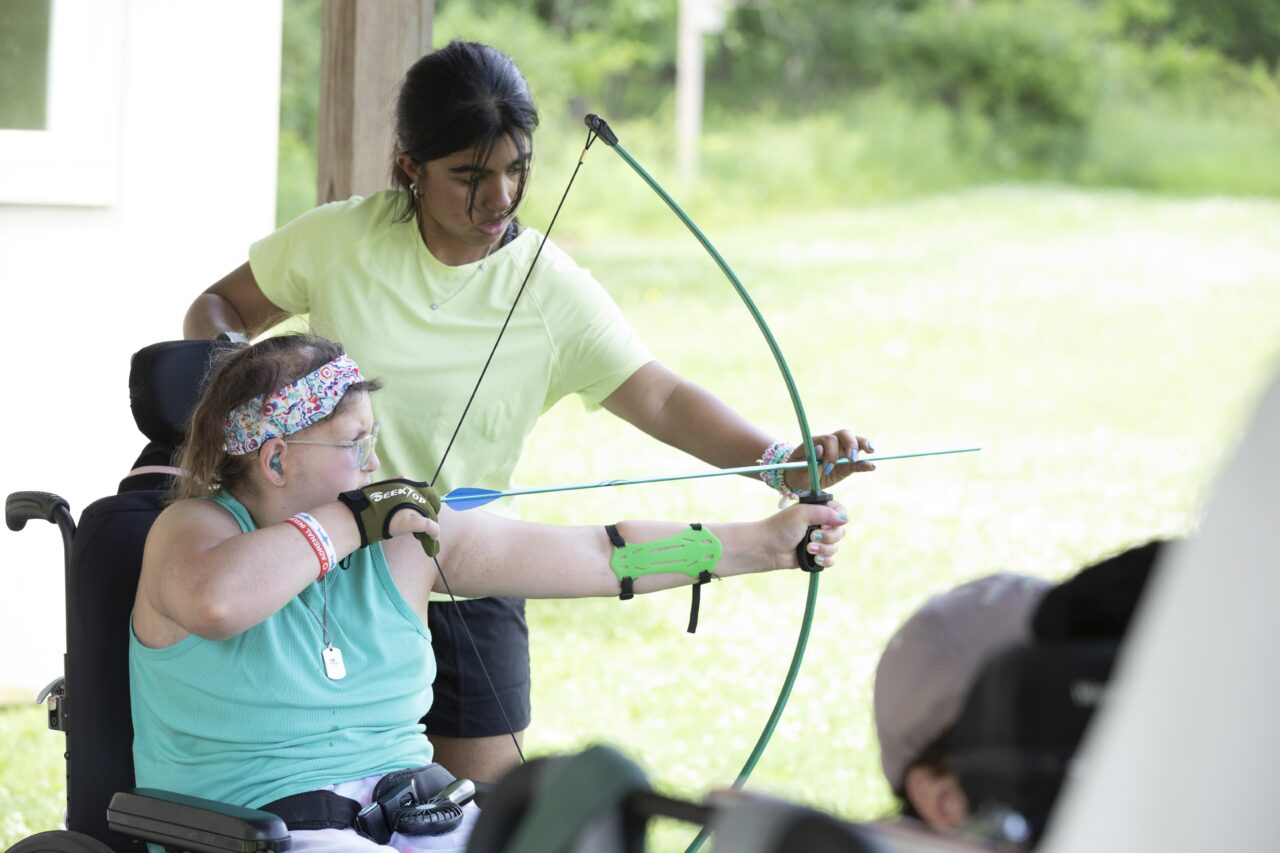
In an open field, arrows whizzed through the humid June air and struck their targets. Campers and counselors cheered.
It was archery hour at Camp Cranium in Millville, Pennsylvania. Operations director Drew Meyer watched, a few tears escaping from behind his dark sunglasses.
“They will surprise you, like, flat out,” he said of the campers, who have all survived brain injuries. “They’ll come out here, and they’ll shoot for three hours and start hitting the target.”
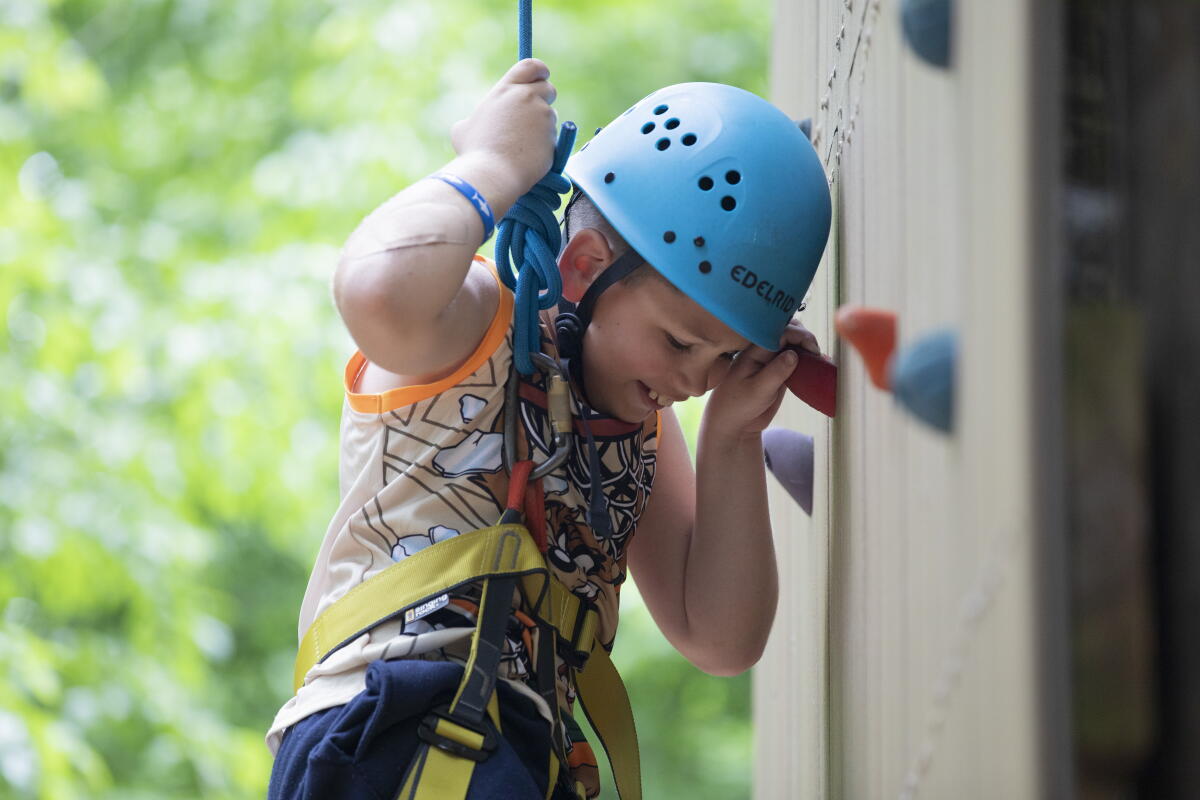
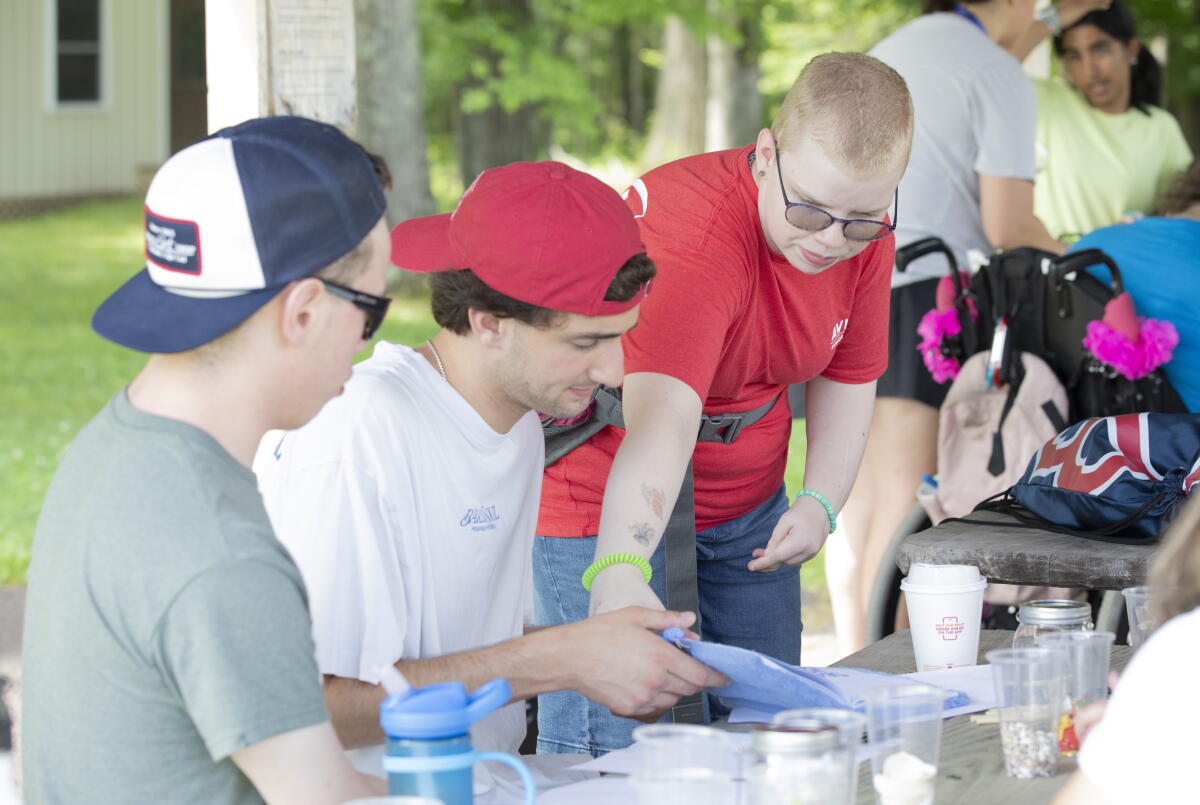
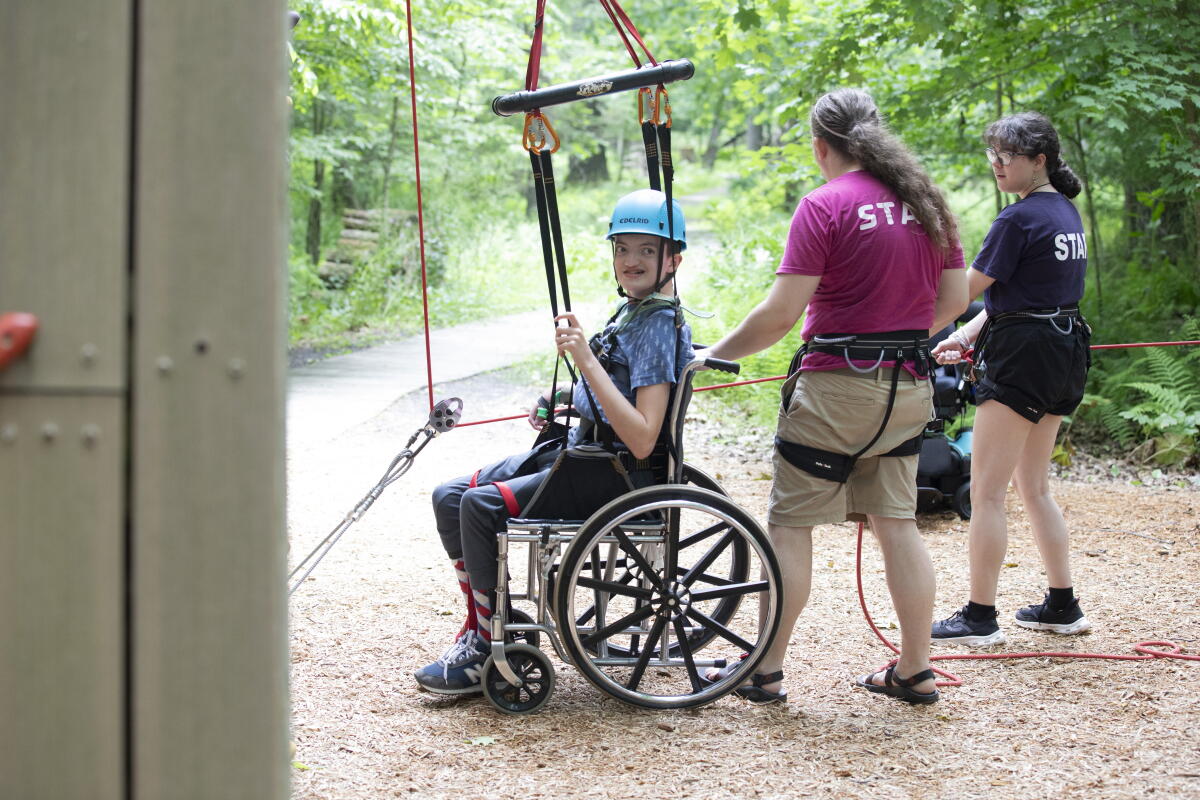
Campers, ranging in age from 10 to 21, have been coming to Camp Cranium in Pennsylvania’s rural Columbia County since 2008. Some of their brain injuries are so severe that they have to relearn basics, from talking to tying their shoelaces. Some use wheelchairs or crutches. But during a week at camp, they climb rock walls, swim and whiz down a zip line through the lush forest.
The existence of Camp Cranium, as well as a handful of others like it, is a response to a decades-long national trend: More people, including children, now survive crises resulting in brain injury than they did in the 1980s. The improvements in survival are largely due to seat belt laws and federal investments in research and trauma centers that can treat injuries quickly.
But recently, efforts to track and prevent one type of brain injury — traumatic ones — are in flux after Congress didn’t renew a law to further research and prevention of traumatic brain injuries, and the Trump administration fired hundreds of employees at the Centers for Disease Control and Prevention (CDC), including the team tracking traumatic brain injuries, or TBIs.
“Brain injury can happen to anybody,” said Rebeccah Wolfkiel, executive director of the National Association of State Head Injury Administrators. “This community deserves more.”
Tracking the actual prevalence of brain injuries
Lucas Hardy, 14, smiled at the encouraging crowd below. In a shady clearing in the woods, he climbed the 30-foot rock wall, aided by a hoist that pulled him out of his wheelchair and helped support his moves. Hardy suffered a traumatic brain injury at age 3, when a tree branch fell on him at a birthday party.
Annually, an estimated 2.8 million Americans experience a TBI, including about 475,000 children, according to the Brain Injury Association of America.
Recent data suggests those numbers are undercounts. In 2018, a CDC team piloted a household survey asking about TBIs in a sample of U.S. children and adults. The results informed a study concluding that such injuries, which are often considered “hidden” because the damage is internal and unseen, are more widespread than hospitalization numbers suggest.
The mass firings at the CDC in early 2025 gutted the team studying TBI, right before it was expected to launch a nationwide concussion surveillance system. A spokesperson for the Department of Health and Human Services, Emily Hilliard, did not respond to questions about the number of employees terminated or whether they were reinstated or replaced.
In a statement, she said: “The Trump Administration remains committed to supporting efforts to prevent traumatic brain injuries, improve surveillance, and ensure Americans have access to practical, evidence-based information that can help protect their health and safety.”
She said the agency’s TBI work is now handled by other staff members at the National Center for Injury Prevention and Control.
Hilliard said the CDC is deciding how to establish a cost-effective national concussion surveillance system within the bounds of current funding, and she said the agency in 2026 dedicated funds to support, among other things, an educational campaign about concussions, an injury prevention program and concussion surveillance.
But Wolfkiel still worries about how the CDC firings and the impasse over federal funding will affect brain injury research and prevention efforts in the long term.
“The lack of resources and programs and information that’s out there is really just sort of appalling,” Wolfkiel said.
Federal funding uncertainty
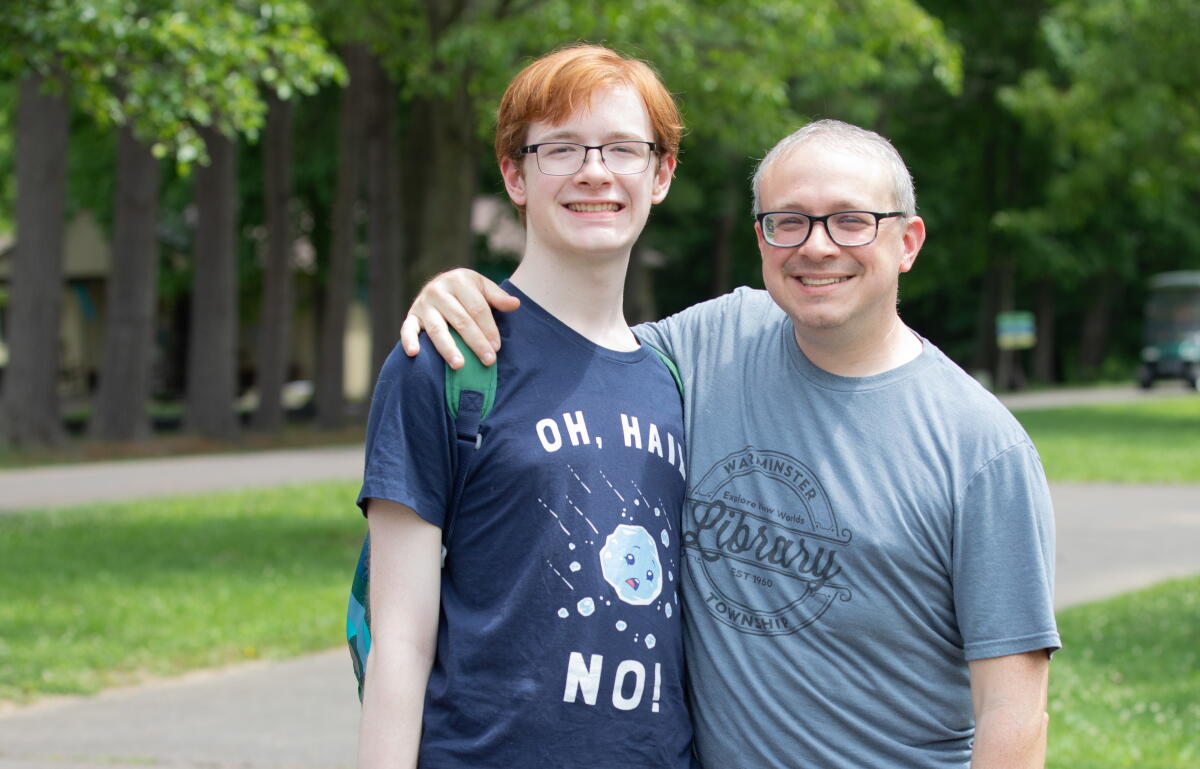
Tony Sadowski, the camp’s executive director, remembers when his son, Bryan, suffered a brain bleed that caused a hemorrhagic stroke at age 6. “You’re in the emergency room,” he recalled, “not knowing what version of your son’s going to wake up.”
Now 18, Bryan Sadowski has attended the camp for years.
“We’re very lucky to be able to be here,” the elder Sadowski said.
In 1996, before Bryan was born, Congress passed the Traumatic Brain Injury Act, which has provided many states with grants for TBI research, advocacy and services. Congress reauthorized the act four times, largely with bipartisan support, until 2024.
It has remained lapsed since then. Trump’s secretary of homeland security, Markwayne Mullin, supported reauthorizing funding when he was a senator. Congress is still considering whether to reauthorize funding through 2030.
Despite the lapse in funding, money is still flowing to TBI programs at the CDC and in states, according to Rick Willis, president and CEO of the Brain Injury Association of America.
Congress did appropriate $8.25 million for TBI program activities through the Consolidated Appropriations Act of 2026, but that’s far less than the typical funding from the TBI Act. The last time Congress reauthorized the act, it provided $23 million a year from 2020 to 2024 — half for the CDC’s concussion research and half for grants to state programs.
“The TBI Act is the only piece of federal funding for traumatic brain injury at the federal level,” Willis said. “We’re aiming to preserve what we have.”
The funding uncertainty has not affected the handful of brain injury camps, including Camp Cranium and Bright Ideas TBI Camp in Alabama, because they are nonprofits that mostly rely on private donations.
Back at Camp Cranium, bursts of laughter, whoops of delight and distant chatter punctuated the humid summer air.
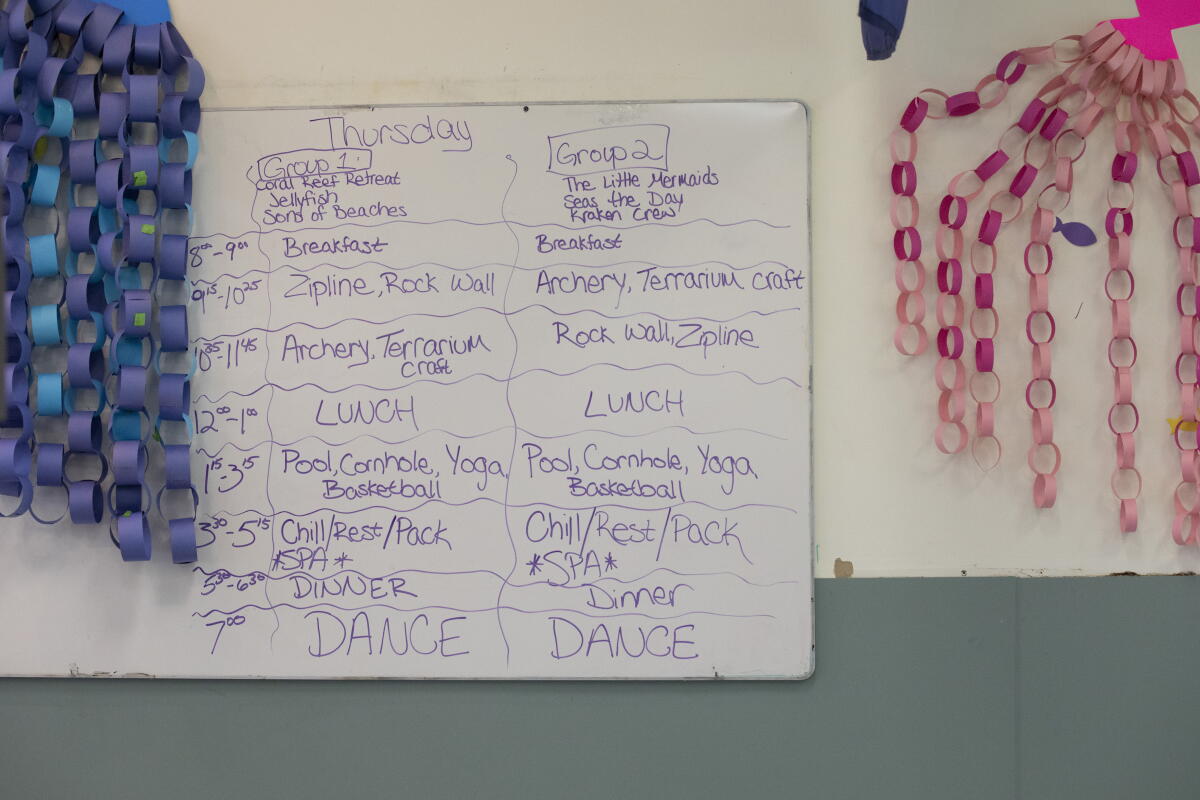
While her fellow campers did archery or art, Brianna Engleman moved between groups, collecting song requests for a dance that evening. When she was 5, doctors performed a hemispherectomy to relieve her of debilitating seizures. But the surgery itself can injure other parts of the brain.
She lives in Northern Virginia and first attended Camp Cranium as a teen in 2018. It was her first time being around so many people like her, said Engleman, now 21.
“I’ve gotten more confident,” Engleman said. “It made me think, well, there’s actually good people out there.”
Next time she returns to camp, she said, she plans to do so as a counselor.
This story comes from NPR’s health reporting partnership with WVIA and KFF Health News.
Transcript:
ADRIAN FLORIDO, HOST:
For more than 15 years, a patch of woods in northeast Pennsylvania has hosted a week-long summer camp for children who have survived brain injuries. Camp Cranium is a testament to the fact that medical advances have meant more people survive such injuries. But as Lydia McFarlane at member station WVIA reports, recent decisions by Congress and the Trump administration have jeopardized brain injury research.
LYDIA MCFARLANE, BYLINE: It was Lucas Hardy’s turn at the outdoor rock wall.
UNIDENTIFIED PERSON #1: You ready?
MCFARLANE: A mechanical hoist lifted him from his wheelchair, and he started climbing with his arms.
UNIDENTIFIED PERSON #1: You got the thing – you got the thing on?
UNIDENTIFIED PERSON #2: (Inaudible).
MCFARLANE: The machine supported the rest of his body and gave the 14-year-old an extra boost.
UNIDENTIFIED PERSON #3: Go dude.
MCFARLANE: When Hardy reached the top 30 feet up, he smiled and rang a bell.
(CHEERING)
MCFARLANE: There were 25 campers this summer at Camp Cranium. They ranged in age from 10 to 21. Brianna Engleman suffered a brain injury when she was 5 during treatment for severe epilepsy. She first came to camp as a teen. She says that was the first time she was around so many people like her.
BRIANNA ENGLEMAN: It made me think, wow, there’s actually good people out there.
MCFARLANE: Engleman flits between the archery and crafting groups, gathering song requests for a dance that evening. She’s 21 now, and it’s her last year as a camper. Next time she comes back, she says it’ll be as a counselor.
ENGLEMAN: It’s shown me, like, all the different, like, conditions out there. And I can write about them, shown me different ways to adapt. I’ve gotten more confident, feeling more confident in myself since I’ve been here.
MCFARLANE: Two point eight million Americans suffer a traumatic brain injury every year. Almost half a million of them are children, though recent research suggests that’s probably an undercount. Last year, the Centers for Disease Control and Prevention was just about to launch a new nationwide system to track concussions, one form of traumatic brain injury. But then the Trump administration fired hundreds of CDC employees, including the team in charge of the tracking program.
Emily Hilliard is a spokeswoman for the United States Department of Human Services. In a statement, she said the CDC’s brain injury work is now being handled by other staff. But the firings haven’t been the only cause for concern among advocates. They’re also worried about future federal support. Rebeccah Wolfkiel is the executive director of the National Association of State Head Injury Administrators.
REBECCAH WOLFKIEL: Brain injury can happen to anybody, and it happens to most people, frankly. At some point in their lives, they might sustain a concussion.
MCFARLANE: For almost 30 years, Congress has funded research through the Traumatic Brain Injury Act, the TBI Act. It’s been renewed four times, most recently in 2018. But Congress didn’t renew the act in 2024. Right now, money is still flowing to the CDC. But without reauthorization, the future is unclear. Rick Willis is the CEO of the Brain Injury Association of America.
RICK WILLIS: The TBI Act is the only piece of federal funding for traumatic brain injury at the federal level. So really, we’re aiming just to preserve what we have.
MCFARLANE: Along with money for research, the act provides millions in grant funding to states to support brain injury programs. Camp Cranium, though, is mostly insulated from the federal uncertainty. It’s a nonprofit that’s mostly supported by private donors. Operations Director Drew Meyer was supervising archery for the campers. While he watched, a few tears slipped out from behind his dark sunglasses.
DREW MEYER: They’ll come out here, and they’ll shoot for three hours and start hitting the target. I haven’t seen anything yet that they haven’t been able to do.
MCFARLANE: Tony Sadowski is the camp’s executive director. His teenage son, Bryan, is also a longtime camper. He suffered a brain injury when he was 6.
TONY SADOWSKI: We go from that scary, traumatic moment as parents, where you’re in the emergency room not knowing what version of your son’s going to wake up, and we’re very lucky to be able to be here and enjoy this week with him.
MCFARLANE: The House of Representatives voted in July to renew the federal law supporting traumatic brain injury research, but the Senate has yet to act.
For NPR News, I’m Lydia McFarlane in Pittston, Pennsylvania.
(SOUNDBITE OF NEXERI SONG, “FADE INTO YOU”)
FLORIDO: This story comes from NPR’s partnership with WVIA and KFF Health News.