This episode is packed with your best economic ideas from around the world and a penguin interview. It all comes together in this final session of Summer School 2026.
Pack your parka, we’re headed to Antarctica.
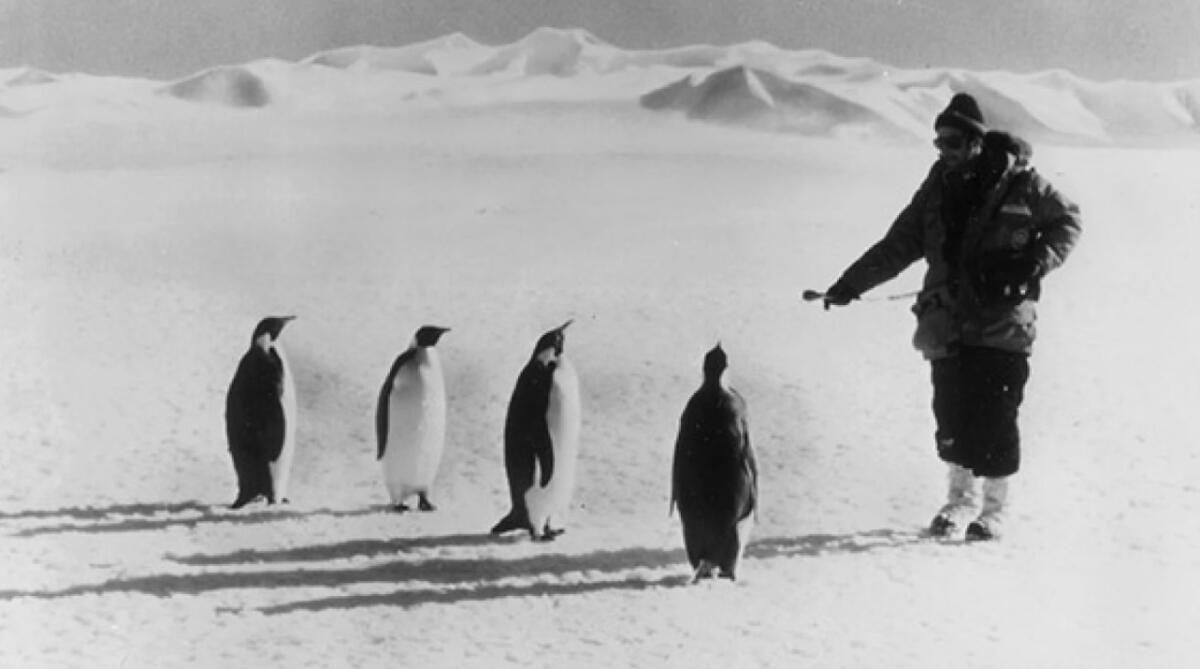
First, we’ll travel back in time to the late 1970s when NPR was a scrappy young network, with a synth soundtrack, and tons of heart. Science reporter Ira Flatow took a trip to the South Pole that put NPR on the news industry map. We’ll hear an excerpt where he brings us along through what life is like on the ice, including a memorable interview with the wildlife.
Then we look inside McMurdo Station, the largest human settlement and research base on Antarctica to hear from a listener who managed the store at the base back in the 1980s. Normal retail rules do not apply. We’ll also speak with an economist who has estimated the continent’s monetary value, while asking questions like “why put a price tag on this uninhabitable land”? She makes the case we should consider the environmental benefit as a service.
But, we can’t let the episode and the series wrap without marking our achievements! You did it! As part of our graduation celebration, we hear from your fellow members of the summer school class of 2026. Listeners like you who have written in from around the globe with provocative economic ideas that could make life better for all of us if we just have the will to do it. Man did you all deliver on sending in ideas. We’ve curated our favorites. Way better than speeches.
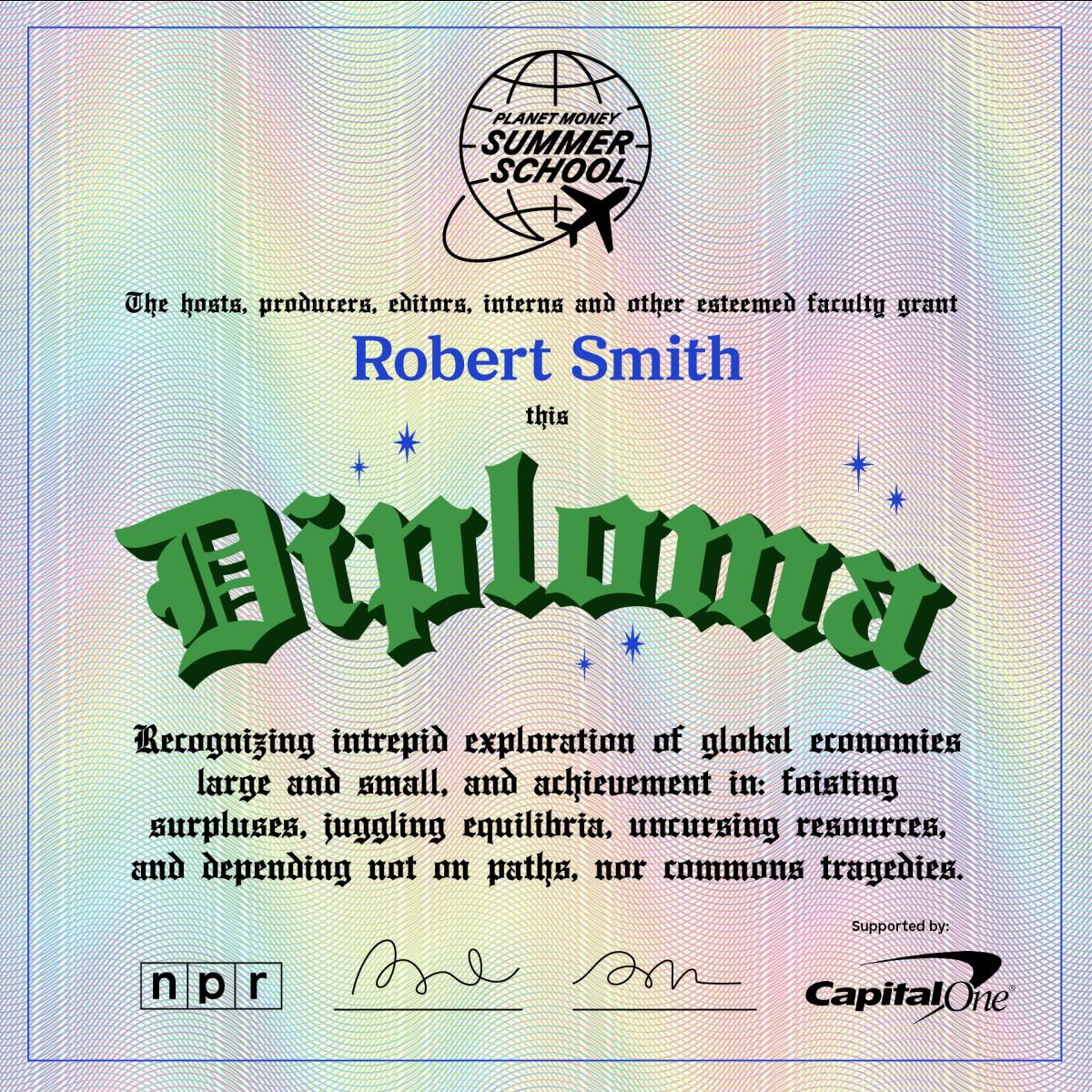
And don’t forget your totally real, but not legal, diploma by taking our short online test. Don’t worry if you need a refresher, catch up on past seasons of Planet Money Summer School here.
Featured Episodes:
Featured Terms:
- Ecosystem as a service
- Consórcios (a type of ROSCA, a Rotating Savings and Credit Association)
- Social housing
- Natural capital
Support:
- NPR+ (sponsor-free listening & bonus episodes)
- And please click “follow” in your podcast app so you don’t miss an episode. NPR+
Read:
- Our book: Planet Money: A Guide to the Economic Forces That Shape Your Life (Audiobook here)
- Our weekly longform Planet Money newsletter
- Our weekly Indicator link round-up newsletter
Follow:
This episode of Planet Money Summer School is hosted by Robert Smith. It was produced by Schuyler Swenson and Sophia Paliza-Carre and edited by Planet Money Executive Producer Alex Goldmark. It was fact-checked by Charlotte Isidore and engineered by Annlie Huang.
Music: NPR Source Audio – “Caroldine”, “Pomp And Circumstance March No. 1 Allegro con molto”, “Bismuth Bossa”, “Rumba Cotidiana”, Moons of Saturn”, “Column and Law”, “Our Son the Potter”, “Hutter”, “And So It Goes | 10penny Organ”.
Support public media with NPR+ and enjoy perks for over 25 podcasts like this one. Planet Money’s perks include bonus episodes and sponsor-free listening. Learn more at plus.npr.org.