Audiences flock to Broadway each year for a dose of “theater magic.” And some of this spectacle and wonder is actually created behind the scenes by magicians.
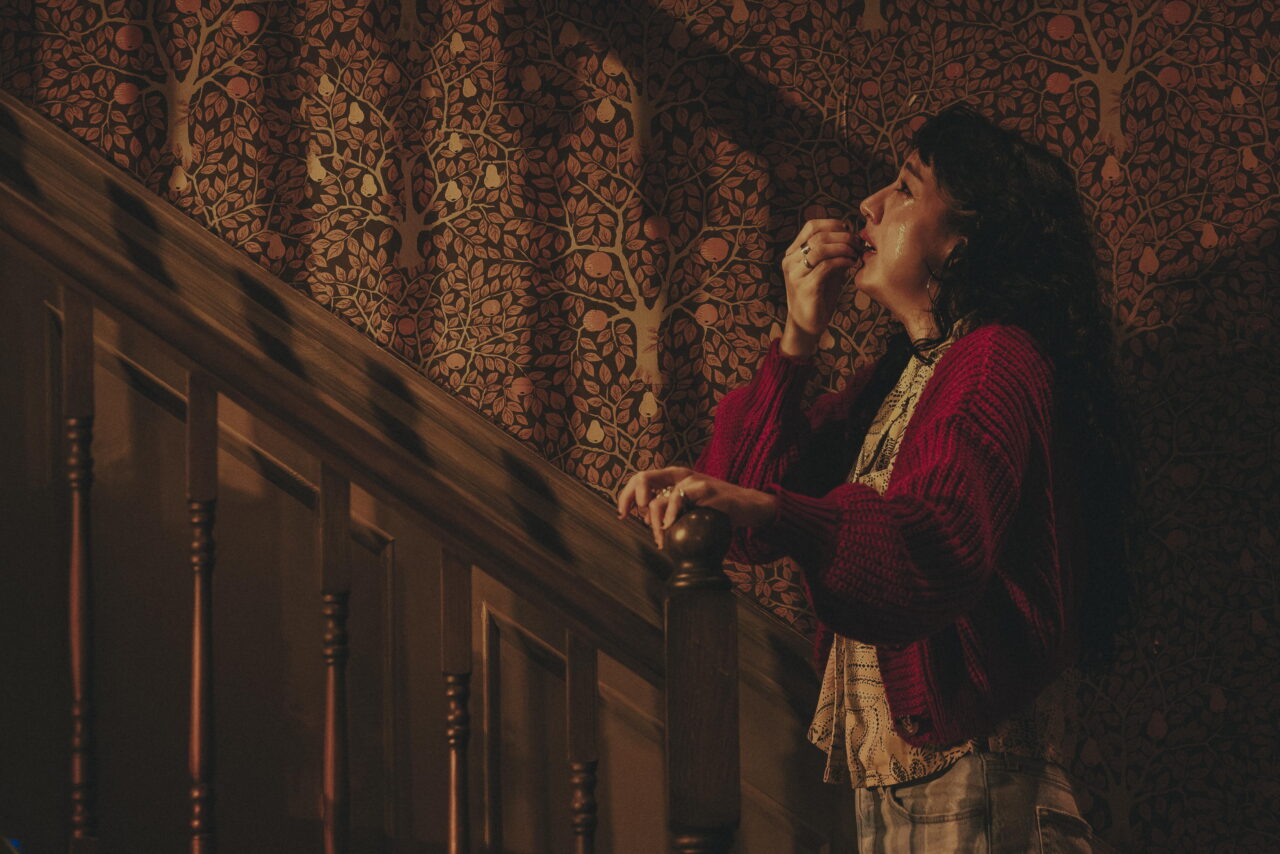
One show making the impossible seem possible on stage is Paranormal Activity, which just started its run on Broadway on Aug. 25. In it, theatergoers are witness to a haunting.
Chris Fisher, a member of the prestigious Magic Circle society, is primarily responsible for a lot of the illusions in Paranormal Activity. He’s one of a handful of illusion designers who collaborate with the costumes, props, lighting and other theater teams to surprise audiences. The U.K.-based magician has also helped make a life-sized battleship appear in Stranger Things: The First Shadow and wizards battle in Harry Potter and the Cursed Child.
NPR spoke with him about his work devising illusions and directing actors in pulling them off — and about what makes magic and horror work on stage. These are excerpts from that conversation.
On what makes a good jump scare
It’s hard doing scares on stage. We use this feeling of sort of drawing you in — and then nothing happens. And then drawing you in, drawing you in — nothing happens, nothing happens. And then, just on an offbeat, something happens. That’s a technique we use in magic all the time, just subverting when you think something’s going to happen. “Catching you on the offbeat” is what we often call it in magic.
With American audiences, there is always a bigger reaction. We get jumps in the U.K. but, in America, it’s amplified. And it’s often infectious. As soon as someone jumps, they make someone else jump and the second jump is even louder than the first one, which kind of heightens it even more.
On the fine line between “scary” and “hammy”
Something can be scary and really get you, and you can be shocked and laugh afterwards. Or something could become hammy, it could become sort of a little too much. And then people laugh because it’s just silly as opposed to actually being shocking. [An example is the play] Blithe Spirit, where things fly across the room and it’s really overt.
Less is more sometimes. I often refer to something called the Jaws effect — the fin coming through the water, the music going duh-duh, duh-duh, is scarier than the mechanical shark. It’s much more scary, what’s in your imagination.
On why it’s hard for actors to learn magic
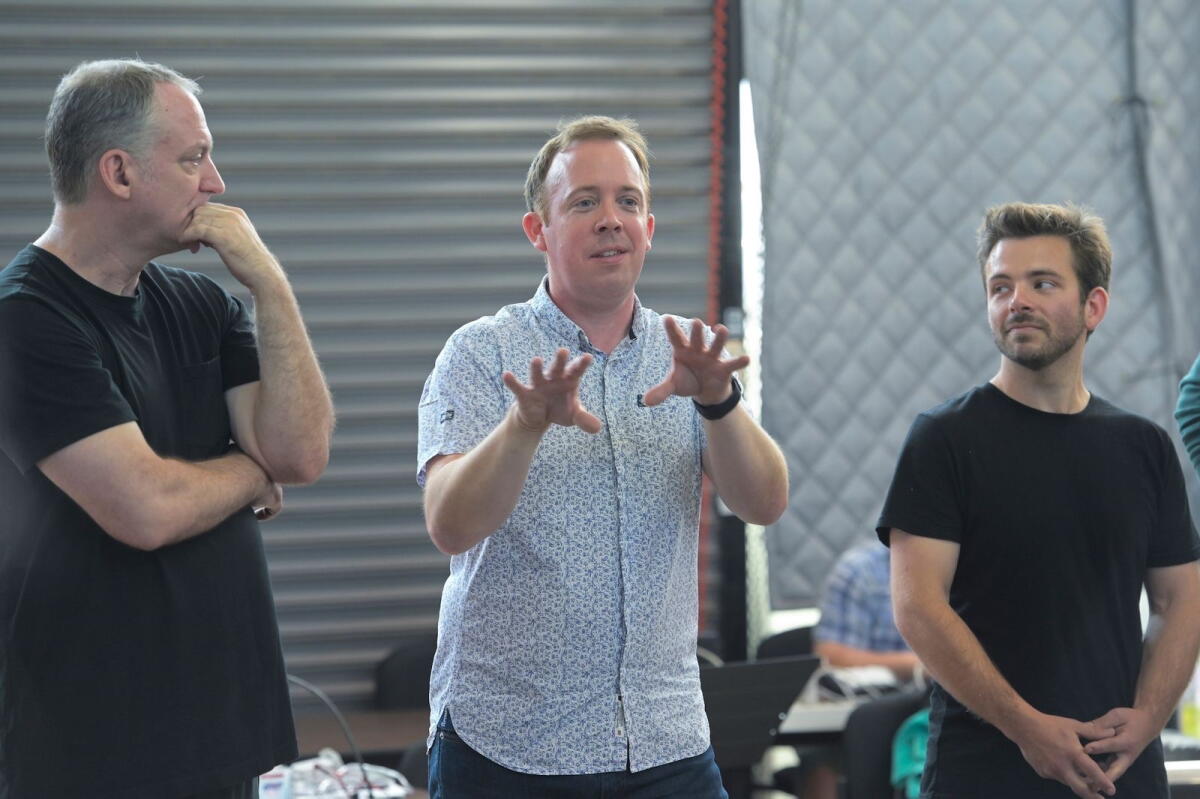
Magic is fiddly. It’s awkward, it’s hard. But that’s the reason why I’m coming to work [with actors]. Actors have a very, very demanding job, particularly in this show, which is they’ve got to stay naturalistic. The play only works if they are playing that naturalism and making us believe in those characters. And so as soon as you’re asking them to do something contrived, it can go against the grain. You know, suddenly you can get flustered and that naturalism can break.
On how to use misdirection, a main tool of magic
We talk a lot about misdirection. It might be, for example, that you’re holding something in your hand that you don’t want the audience to see. And often when actors first have something in the hand, the hand is very, very stiff and it really looks abnormal. But the other hand is really loose. So you can straight away know that something looks odd.
So we talk about just keeping the body free. And we talk about, if that hand is holding something, and you’re looking down at your hand, the audience will look down at your hand, because we naturally look where [others’] eyes go.
Whereas if your hand is nice and relaxed by your side and you look over there, we’ll look over there. There’s no reason to suspect that there’s something in your hand unless you draw attention to it. Magic is practice, practice, practice.
Meghan Sullivan edited this story for broadcast and digital. Chloee Weiner mixed the audio.
Transcript:
SCOTT SIMON, HOST:
Audiences flock to Broadway each year for theater magic, just as many tune into our show to hear BJ Leiderman’s theme music. NPR’s Jennifer Vanasco takes us to a play where some of that magic is created by magicians.
JENNIFER VANASCO, BYLINE: There’s this one scene in the new Broadway play “Paranormal Activity” that blows people’s minds. It’s toward the end of the first act, and Lou is fighting with her husband, James, about whether their new house is haunted, or is she just imagining it?
(SOUNDBITE OF ARCHIVED RECORDING)
TRAVIS KNIGHT: (As James) Did you take your meds today?
CHER ALVAREZ: (As Lou, gasping).
VANASCO: Lou stomps upstairs.
(SOUNDBITE OF DOOR SLAMMING)
VANASCO: Then she returns and asks…
(SOUNDBITE OF ARCHIVED RECORDING)
ALVAREZ: (As Lou) Jimmy, who are you talking to?
UNIDENTIFIED AUDIENCE MEMBERS: (Yelling).
VANASCO: The audience goes crazy.
(SOUNDBITE OF ARCHIVED RECORDING)
KNIGHT: (As James) Lou.
VANASCO: I can’t tell you what happens. That would spoil it. But it is shocking. “Paranormal Activity” is an original work based on the horror film franchise. On the surface, it’s about a haunting. But its theme is, can you trust people you love? And this scene explores that in a visceral way. It’s just one of the illusions created for the show by magician Chris Fisher.
CHRIS FISHER: It’s hard doing horror on stage right. You really kind of try and crack it a little bit. And then I think that’s what’s exciting, is the communal scaring of everyone kind of shrieking and shuddering and jumping at the same time.
VANASCO: Fisher has loved magic since his parents gave him a magic show set on his fourth birthday. As an adult, he pivoted to theater and eventually became a professional stage manager. And for the last 10 years, he’s had his dream job.
FISHER: So an illusion designer brings moments of wonder, brings moments of spectacle. It could be that someone suddenly disappears or suddenly someone appears. It could be that suddenly someone transports from this place to this place. An illusion designer will come in and work out a method to make that real, to make that possible on stage.
VANASCO: He’s worked on Broadway shows that you might be familiar with – “Stranger Things: The First Shadow,” the musical “Back To The Future,” “Harry Potter And The Cursed Child.” He says the illusions for these shows are like the special effects in movies. Except in theater, these effects happen in front of your eyes, which makes them powerful. There are only a handful of illusion designers who are working in professional theater. Most, like Fisher, are from the U.K. But as more shows turn towards spectacle, they are in high demand. One of the things that sets Fisher apart is that he doesn’t just design illusions and move on. He also teaches actors how to pull them off.
FISHER: Magic is fiddly. It’s awkward. It’s hard, you know.
VANASCO: Magic requires actors to do weird things with their hands, their walk, their posture. But they need audiences to believe they’re still the character.
FISHER: They’ve got to stay naturalistic. And so as soon as you’re asking them to do something contrived, it can go against the grain. You know, suddenly you can get flustered and that naturalism can break.
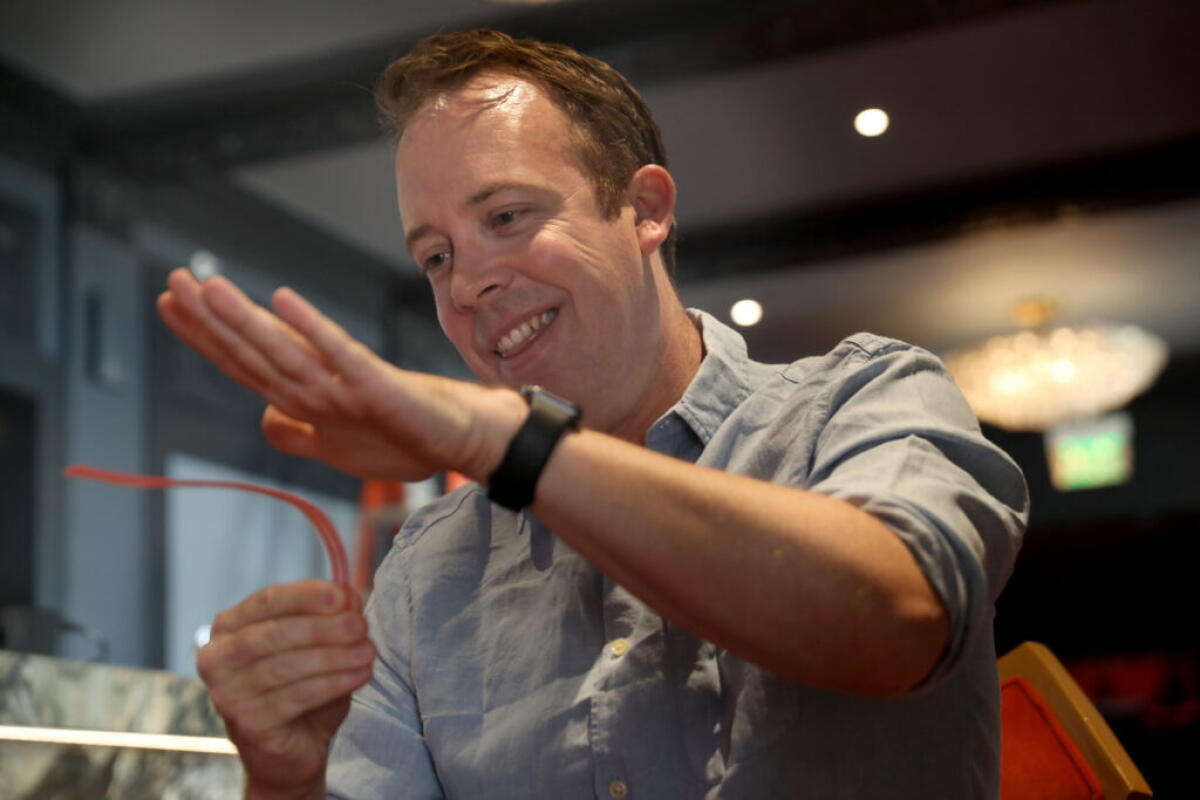
VANASCO: To help me understand how he teaches the actors, Fisher comes to the NPR studios in New York. He says he usually starts by showing them how to do a trick. So he takes out a small elastic band and hands it to me.
FISHER: And you’re going to loop it onto your two fingers.
VANASCO: OK. Got it.
FISHER: As you flip up your hand, it flips onto the next two fingers.
VANASCO: Ah.
FISHER: And so what we do…
VANASCO: It’s so simple but really…
FISHER: It’s so simple but really fun.
VANASCO: It looked impossible.
FISHER: Yeah, yeah, yeah. I’m going to do it quickly. And I’m going to do it with a flourish. I’m going to go (vocalizing). And in magic, we have a saying, the larger movement hides the smaller movement. Yeah, exactly. It’s nice.
VANASCO: I still need practice, but I’m pretty proud.
ALVAREZ: Sometimes you’re like, what is that man cooking up? Because, yes, he’s an illusionist, but, like, his mind is also working like an engineer, too, you know? But the thing is he believes so strongly in it that you can’t help but just be like, yeah, I’ll try it. I’m in. Like, let’s go for it. You know? Like, how can we make this better?
VANASCO: That’s Cher Alvarez. She stars as the wife, Lou, in “Paranormal Activity.” She’s part of that shocking illusion that happens in the first act. I meet her in her dressing room. She’s putting on her makeup before the show. But when we start talking about Fisher…
ALVAREZ: What a joy he is.
VANASCO: She turns to me, smiling. Alvarez says learning to do illusions from Fisher has changed what she thought was possible to do in theater.
ALVAREZ: I never thought that I would be doing magic on stage, ever, ever in my life. Like, it was not – I mean, I don’t know if I’m going to add it to my resume, you know (laughter)? But I can tell people that, like, I’ve disappeared on stage before, and that’s really freaking cool. Can’t tell you how it’s done, but I did it.
VANASCO: She’s keeping the secret. It’s like she’s a magician.
Jennifer Vanasco, NPR News, New York.
(SOUNDBITE OF MUSIC)