
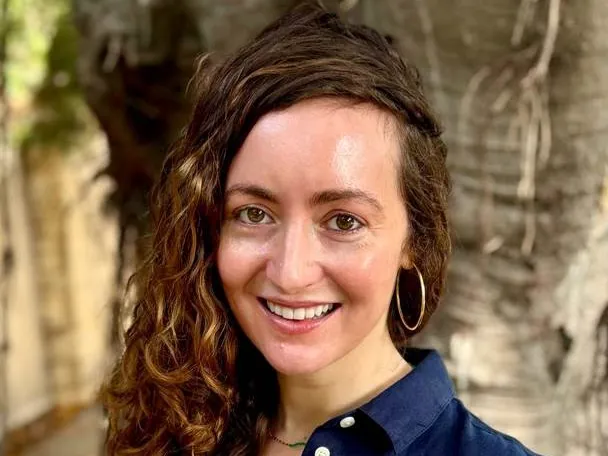
Julia Simon is the Climate Solutions reporter on NPR's Climate Desk. She covers the ways governments, businesses, scientists and everyday people are working to reduce greenhouse gas emissions. She also works to hold corporations, and others, accountable for greenwashing.
Simon is a longtime contributor to NPR News and programming, including the Science, International and Business desks, as well as NPR's climate coverage. She has also reported for several NPR podcasts, including Planet Money, The Indicator, Rough Translation, Short Wave, Life Kit and Code Switch, and has done investigations for CIR's Reveal. She began her career at the BBC Cairo bureau and has worked as an energy reporter at Reuters.
Simon lived in and reported from Egypt, Indonesia and Nigeria, where she was a Fulbright Fellow covering the oil sector. She has reported for NPR on the tree math of carbon offsets and how misinformation is derailing renewable energy projects across the U.S., and has traveled deep into the Sumatran rainforest in search of climate solutions.
As a guest host for Planet Money, she's taken listeners on adventures to explain key parts of the global economy. Simon followed stolen oil from Nigeria to Togo to Long Island, found gold and staked a claim to explain America's 150-year-old mining law and, along with Planet Money's Kenny Malone, visited an old oil boom town to explain the history of antitrust. The antitrust series was a 2020 finalist for the Gerald Loeb award.
Simon is a graduate of the University of Chicago and studied international energy and climate change as a KSP scholar at the Sciences Po in Paris. She speaks and reports in Egyptian Arabic, Spanish, French and Indonesian.
-
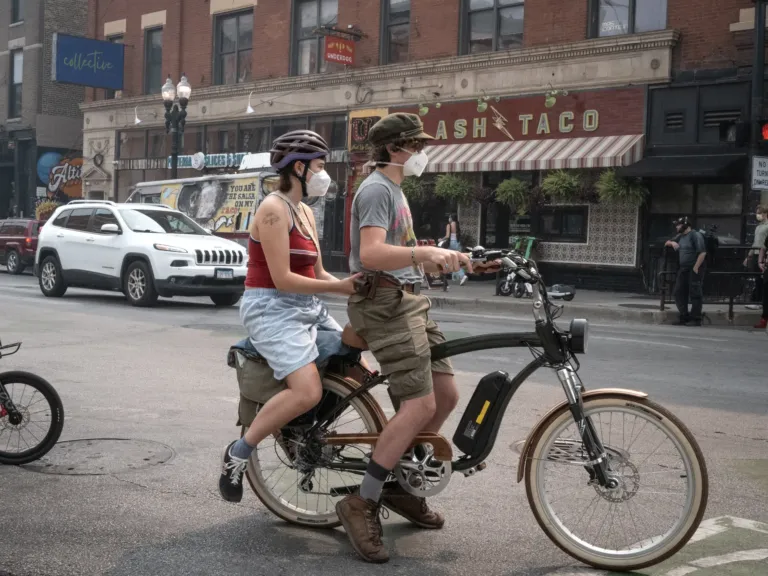 As Canadian wildfires spread smoke across the U.S. the air pollution is dangerous to health. But there are ways to...
 -
Higher oil prices since the Iran war began mean many oil companies have brought in excess profits. Some U.S. lawmakers...
-
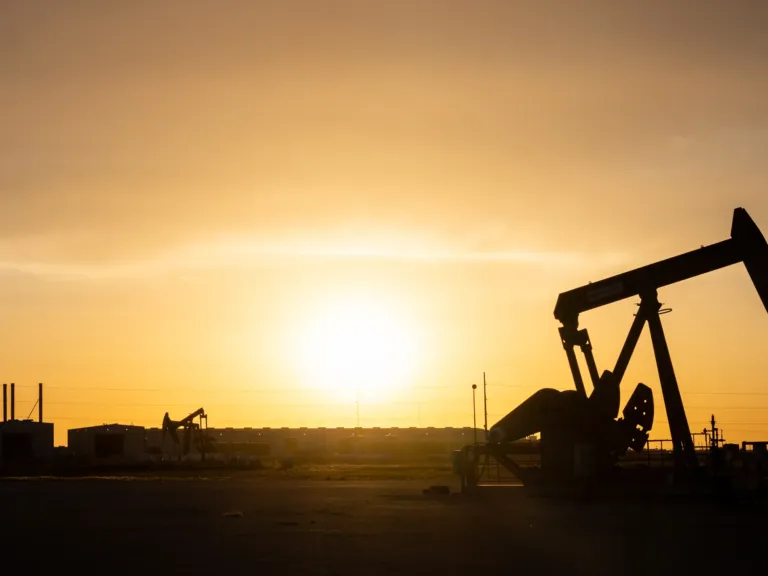 Higher oil prices since the Iran war began mean many oil companies have brought in excess profits. Some U.S. lawmakers...
 -
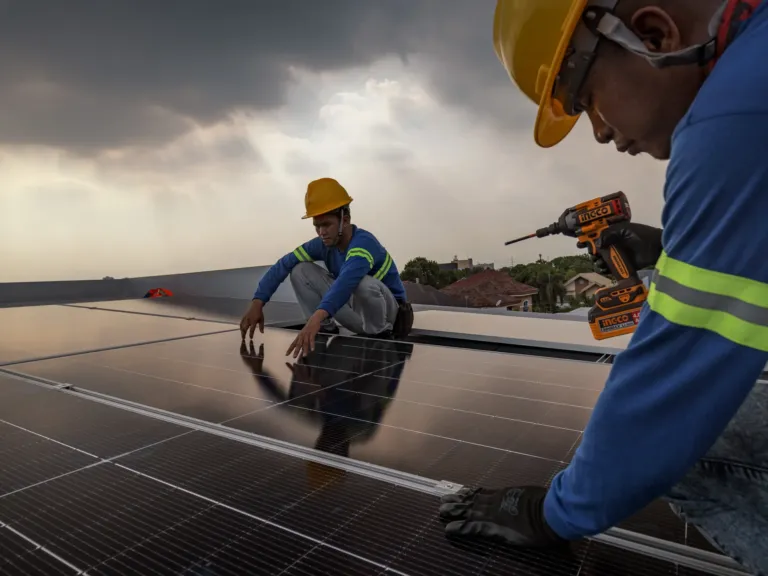 The new round of bombing in the Middle East has underscored the precarity of relying on fossil fuels. The war...
 -
The Iran war and high oil and gas prices have supercharged the adoption of renewables and EVs worldwide. Global investors...
-
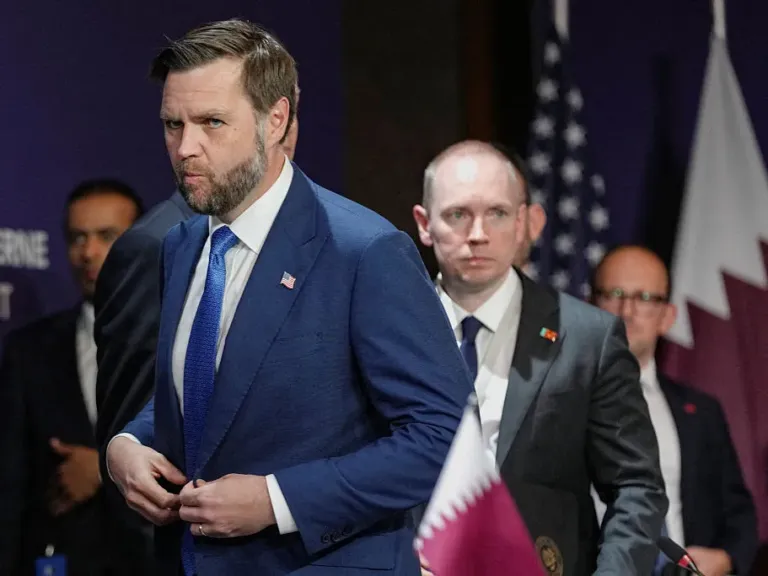 Qatar and Pakistan said the talks made "encouraging progress" despite a rocky start after Trump made threats to "hit Iran...
 -
NPR's Julia Simon kicks off Climate Solutions Week with a look at how cities and states are working to reduce...
-
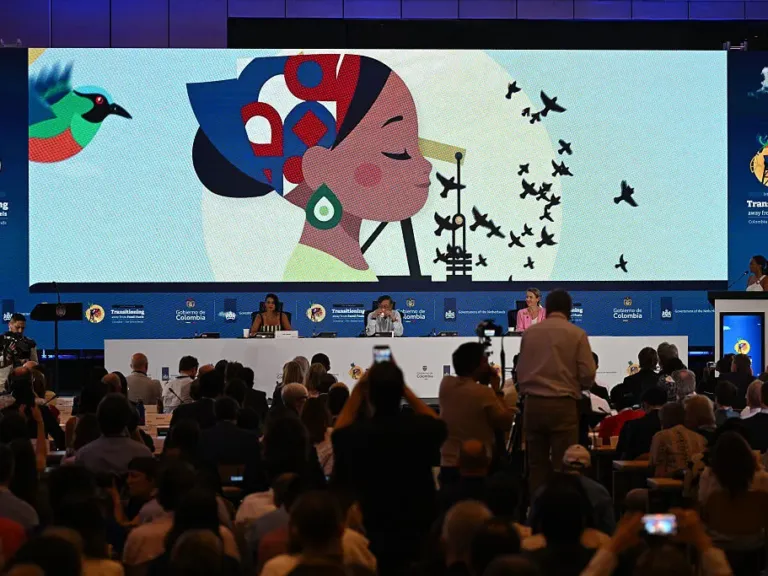 Against the backdrop of an energy crisis and a warming planet, more than 50 countries have come to Santa Marta,...
 -
Countries gather in Colombia for the first international conference on how to phase out fossil fuelsMore than 50 countries are gathering in Santa Marta, Colombia next week for the first international conference focused on transitioning...
-
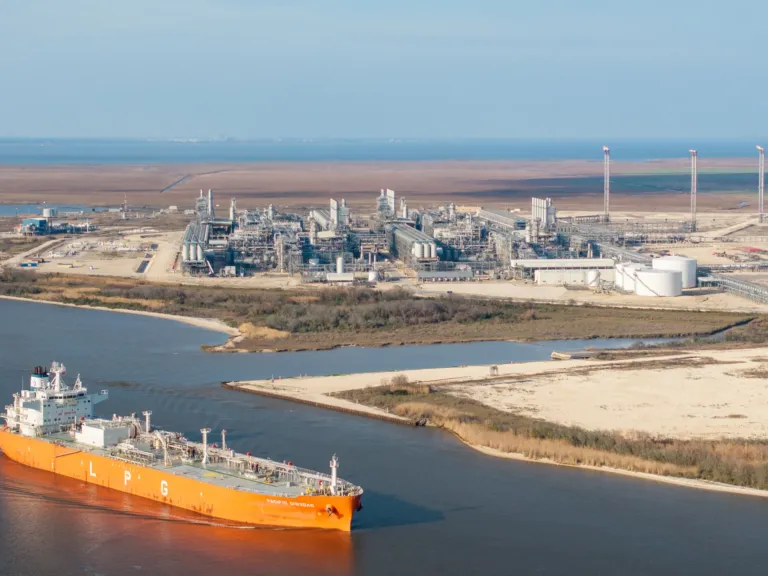 With Qatar's liquefied natural gas still offline, U.S. companies see an opening and are bringing in new investments.
 -
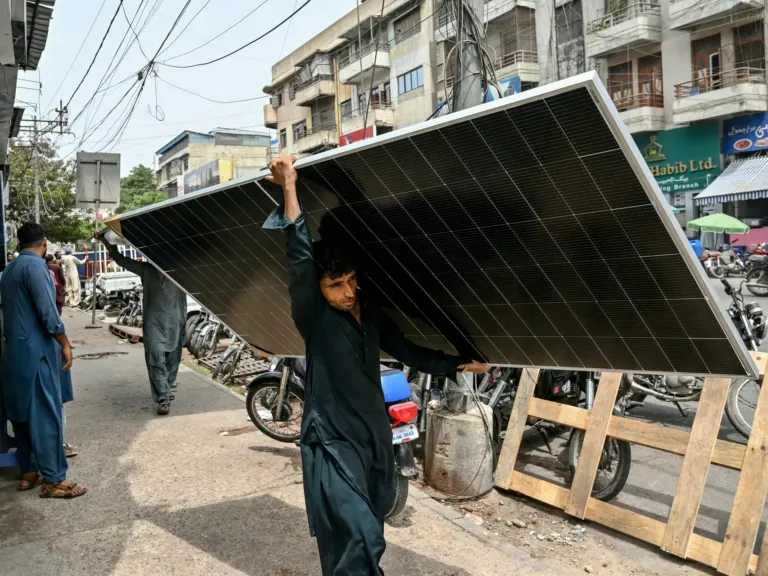 As an energy crisis grows, some countries are more prepared because of renewable energy and electric vehicles. Pakistan reduced its...
 -
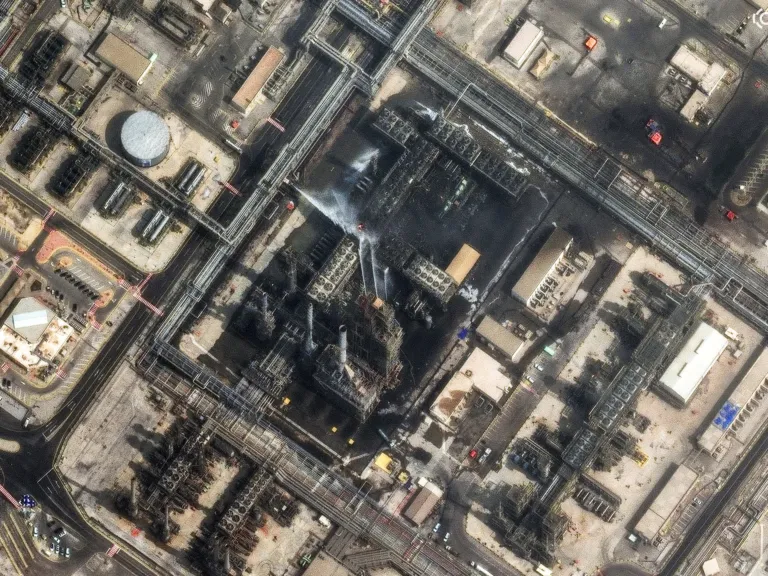 Recent conflicts in the region have either spared energy infrastructure or caused limited damage. That isn't the case in the...