It’s been hit-and-miss so far for the City of Richmond’s legislative goals at the 2026 General Assembly session. Affordable housing proposals are moving forward, while local anti-rent gouging bills are being set aside until next year.
But time will tell whether the city gets its biggest ask: $280 million over the next two years to upgrade its aging water and sewer systems.
Richmond Mayor Danny Avula says he’s spoken with key legislators about the city’s request for $80 million over the next two fiscal years to improve its water treatment plant and infrastructure. Richmond is also seeking $100 million in both fiscal year 2027 and FY28 to improve the city’s sewer system.
“Those conversations have gone well,” Avula told VPM News last week. “I think, particularly because the General Assembly was impacted by the water outage last January, everybody has a sense that this is something that requires some investment.”
Former Gov. Glenn Youngkin didn’t include this funding in his final biennial budget plan, but Richmond-area legislators have since proposed adding money to help the city reach its goals.
Del. Betsy Carr (D–Richmond) and state Sen. Mike Jones (D–Richmond) have each put forward budget amendments to include $100 million in each of the next two fiscal years (FY27 and 28) to go towards the combined sewer overflow project.
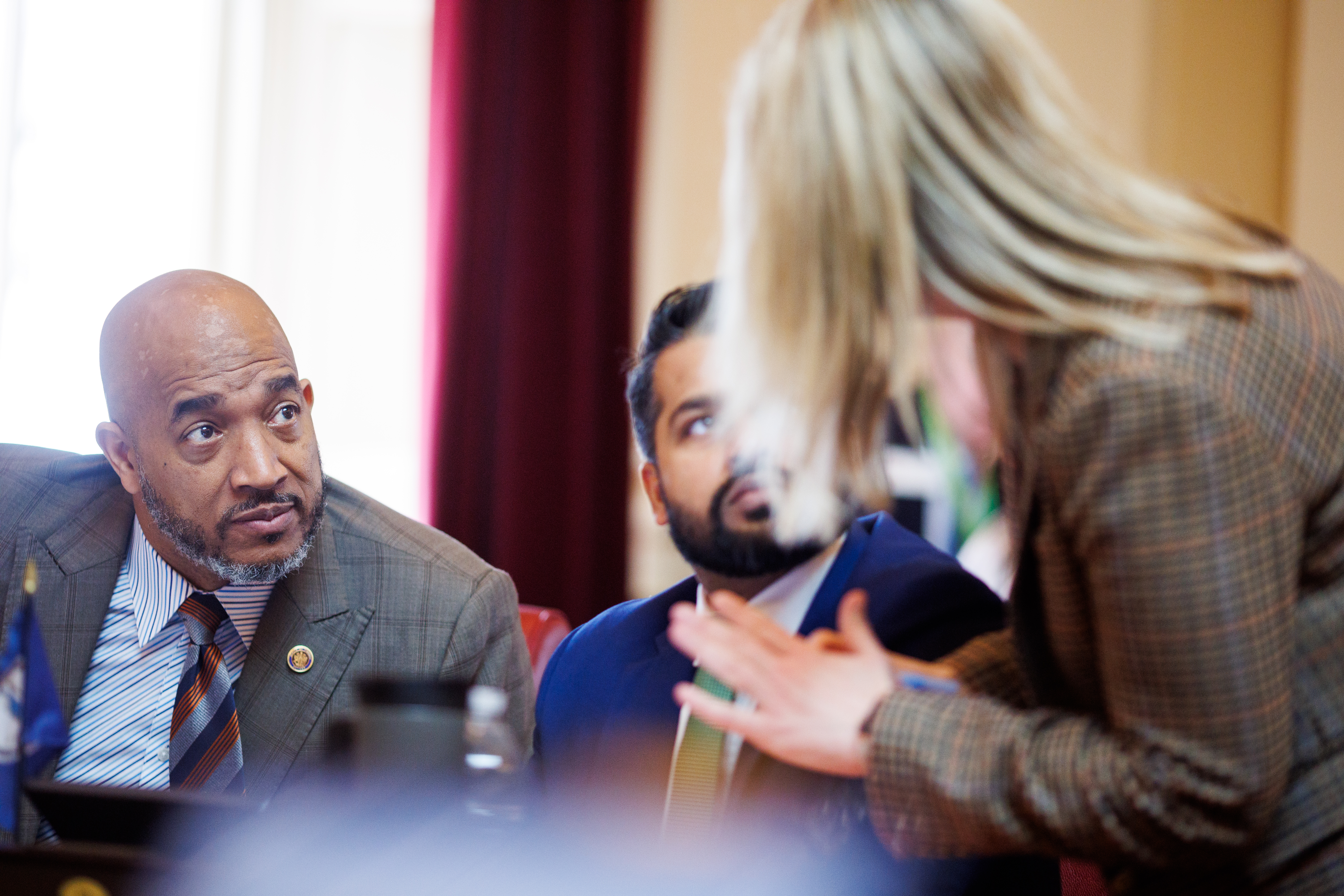
Both Carr and Jones have also proposed devoting $80 million in state funding over the next two fiscal years for “regional drinking water infrastructure in Central Virginia.”
The city estimates it will cost $1.3 billion to make the water plant improvements it wants over the next decade, with officials highlighting the need to address infrastructure concerns in the wake of multiple water issues affecting the city in 2025.
For upgrades to the city’s combined sewer overflow system, Avula said the city wants to meet the state-imposed deadline of 2035 to stop dumping sewage into the James River.
Under a state law, Richmond needs to control wastewater discharges into the James River during heavy rain and meet certain water quality standards. The city’s combined sewer overflow plan calls for building conveyance facilities on the north and south sides of the James River, expanding the Shockoe Retention Basin and other smaller projects.
City officials believe the total cost of the sewer project can be reduced from the initial $565 million price tag to $533 million. According to Richmond’s FY26 budget, the city has set aside nearly $200 million in its FY26–FY30 capital improvement plan for the combined sewer overflow project. More than $77 million of that money has been devoted to the effort in the current fiscal year.
Richmond needs $400 million in state funds for the project by FY29 to meet the state’s deadline, per the city’s 2026 state legislative resolution. The General Assembly has appropriated $250million in state grants and federal COVID-19 relief funding for the CSO, with almost $120 million dedicated to the final plan so far, according to the resolution.
Carr wanted a total of $300 million in state money for the combined sewer overflow project in the last state budget cycle, which ends June 30. But the final budget deal included $100 million for the CSO over the two-year period.
Avula says Virginia legislators understand the city’s need to address both issues and he’s optimistic about their ongoing conversations, but that the pool of state funding is expected to be limited.
“I think it really is in the midst of a very challenging budget season, while they’re contending with holes to fill on Medicaid or on SNAP error rates,” Avula said. “That is going to hit the budget in really unique ways this year.”
Virginia is expected to put north of $27 billion in state funds to cover Medicaid this fiscal year, per the House Appropriations Committee, up from $25 billion in FY25.
The city also prioritized legislation aimed at addressing its ongoing affordable housing crisis and protecting renters, both of which have been top priorities for Avula and city councilors.
Two identical measures that Richmond backed — SB 355 and HB278 — proposed letting local governments block landlords from increasing rent more than 3% in a given fiscal year.
Richmond City Councilor Ellen Robertson (6th District) was among the group that urged the panel to advance the measure.
“The increase in costs is going through the roof,” Robertson said. “This legislation will provide local government an opportunity to work with landlords and tenants to look at a way that we can control the costs.”
Opponents of the measure said it would hinder housing supply growth by discouraging developers from building in localities with such rules in place.
In the end, the Democrat-led committee pushed the legislation aside until 2027.
The city has also pressed for legislation to give all localities authority to change its zoning code to establish an affordable housing dwelling unit program.
If signed into law and approved by Richmond City Council, the program would offer optional density increases to help reduce land costs and other incentives to encourage developers to include affordable housing units in projects.
Bills to give Richmond and other local governments this power — SB74 and HB867 — have advanced out of their respective chambers. The Senate version also cleared the House of Delegates with bipartisan support.
The 2026 session is set to adjourn March 14.
Copyright 2026 VPM