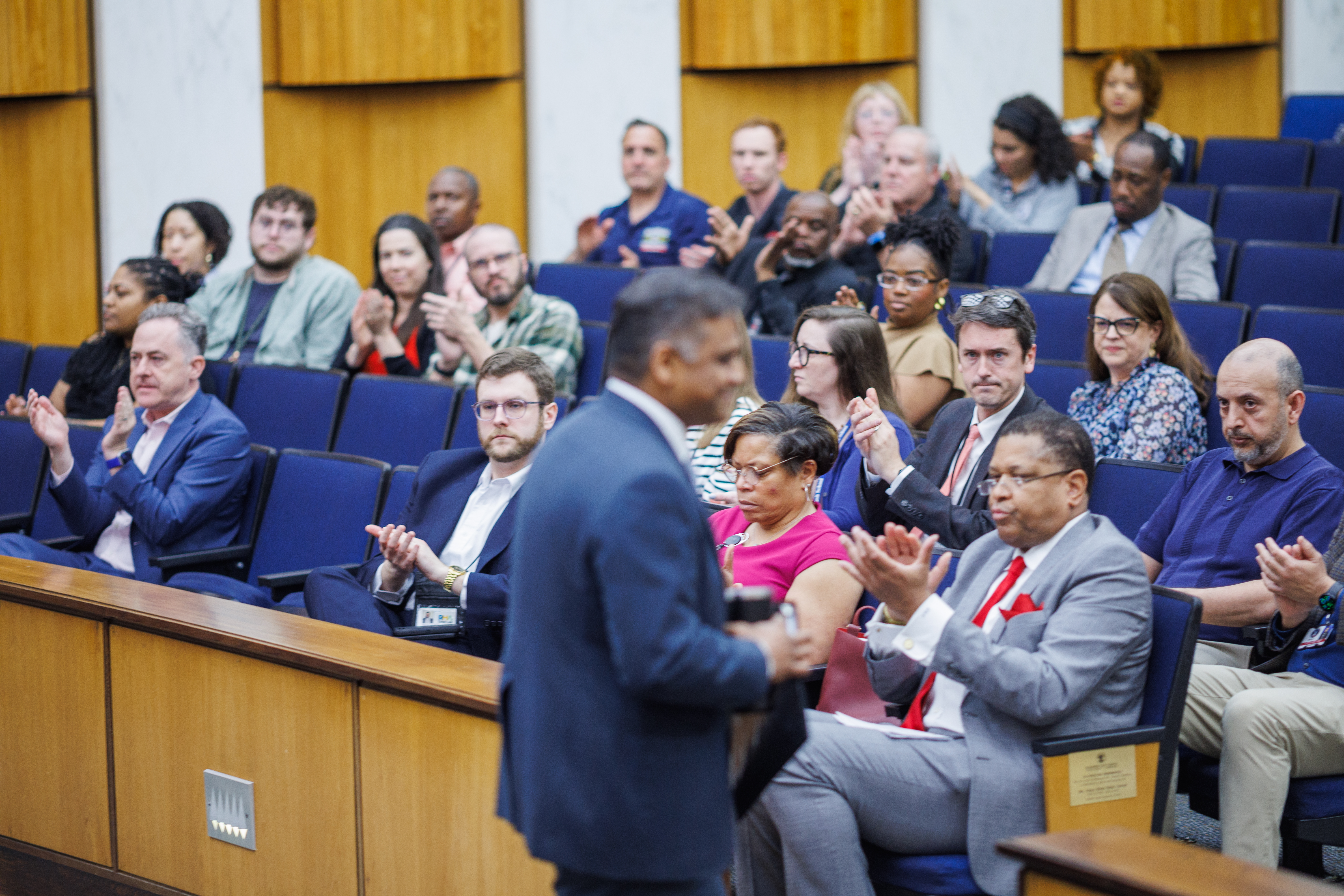
Richmond Mayor Danny Avula unveiled his proposed budget for the upcoming fiscal year on Wednesday, outlining spending priorities to advance his action plan for a thriving River City.
Speaking in front of city councilors, Avula presented the $3.4 billion spending plan, officially kicking off the city’s budget process and setting the administration’s priorities for fiscal year 2027, which begins July 1. The budget represents an increase of $400 million over FY26.
The spending plan prioritizes honoring collective bargaining obligations, expanding investments in affordable housing and delivering the city’s largest investment ever in Richmond Public Schools.
“When people talk about what they want from their city government, they often talk about the big issues, housing affordability, safety, schools, economic opportunity, but to deliver on those priorities, they’re also asking for something more foundational,” Avula said. “A government that works, a government that is competent, transparent, responsive and worthy of the public’s trust.”
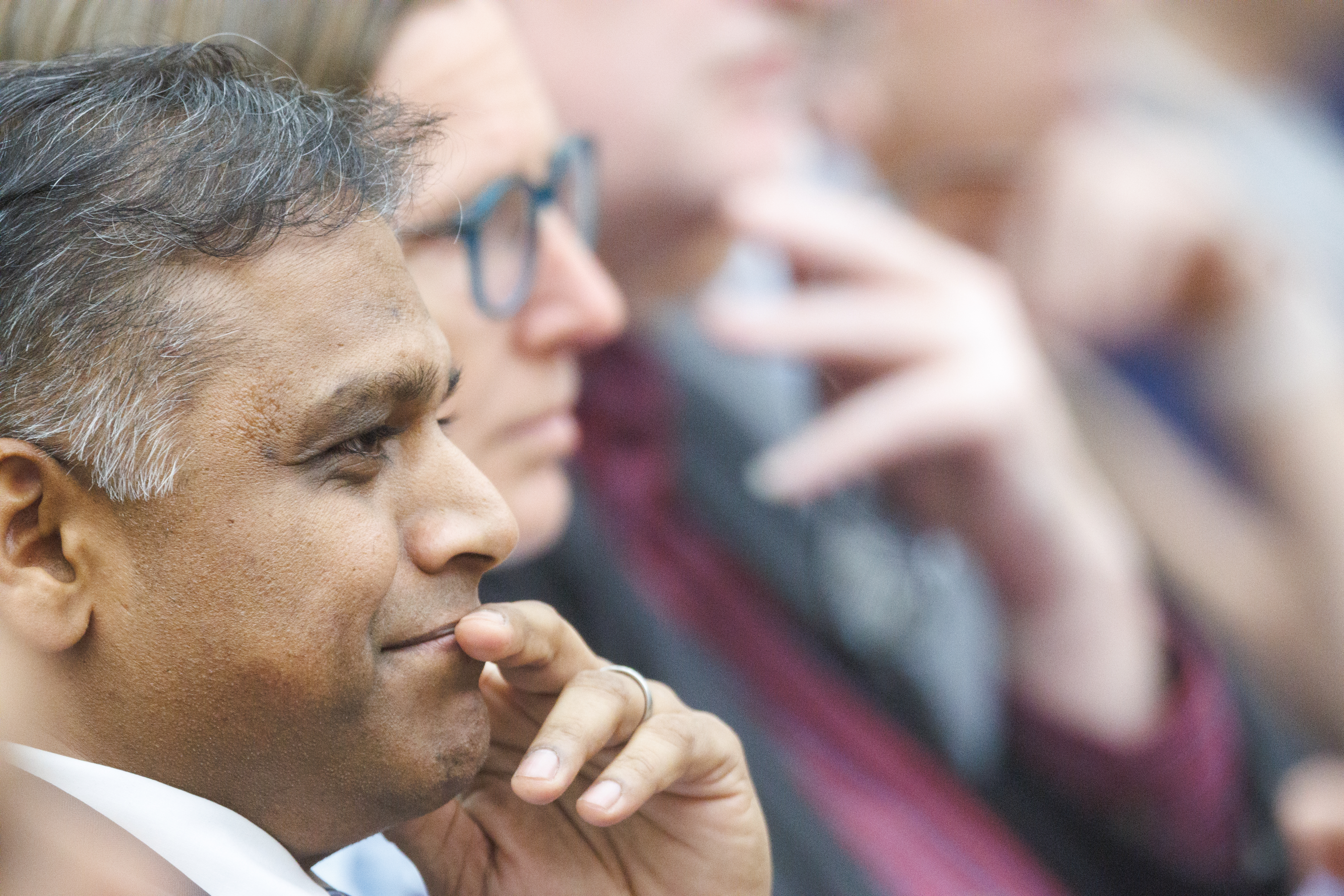
Over the past year, the mayor has reshaped the city’s budget process, holding a series of collaborative meetings with city council and school board members. In recent weeks, his administration also held budget town hall meetings for Richmonders.
Still, tensions surfaced in November when councilors asked if the administration would prepare two spending plans, including one based on lowering the city’s real estate tax — a request Chief Administrative Officer Odie Donald II declined.
One major hurdle facing Richmond during the budget process: A long-awaited freeze on real estate tax assessments took effect in 2026 to allow the city to align annual reassessments with the budget cycle moving forward. Real estate taxes are the city’s largest source of revenue.
But with the value of properties frozen, officials estimated real estate tax growth at less than $15 million, compared to $42 million in FY26. (Virginia’s fiscal year runs July 1–June 30.)
Citing the combination of slowing property tax growth and continued uncertainty over federal funding, Avula has said his spending proposal focuses on critical services and responsible spending.
“This work is not just about balancing a budget, it is about shaping the future of our city, making sure that Richmond is a place where every child can grow up safe, every family can build a life, and every neighborhood can thrive,” Avula added. “And that’s what it means to build a city that works — a city that thrives.”
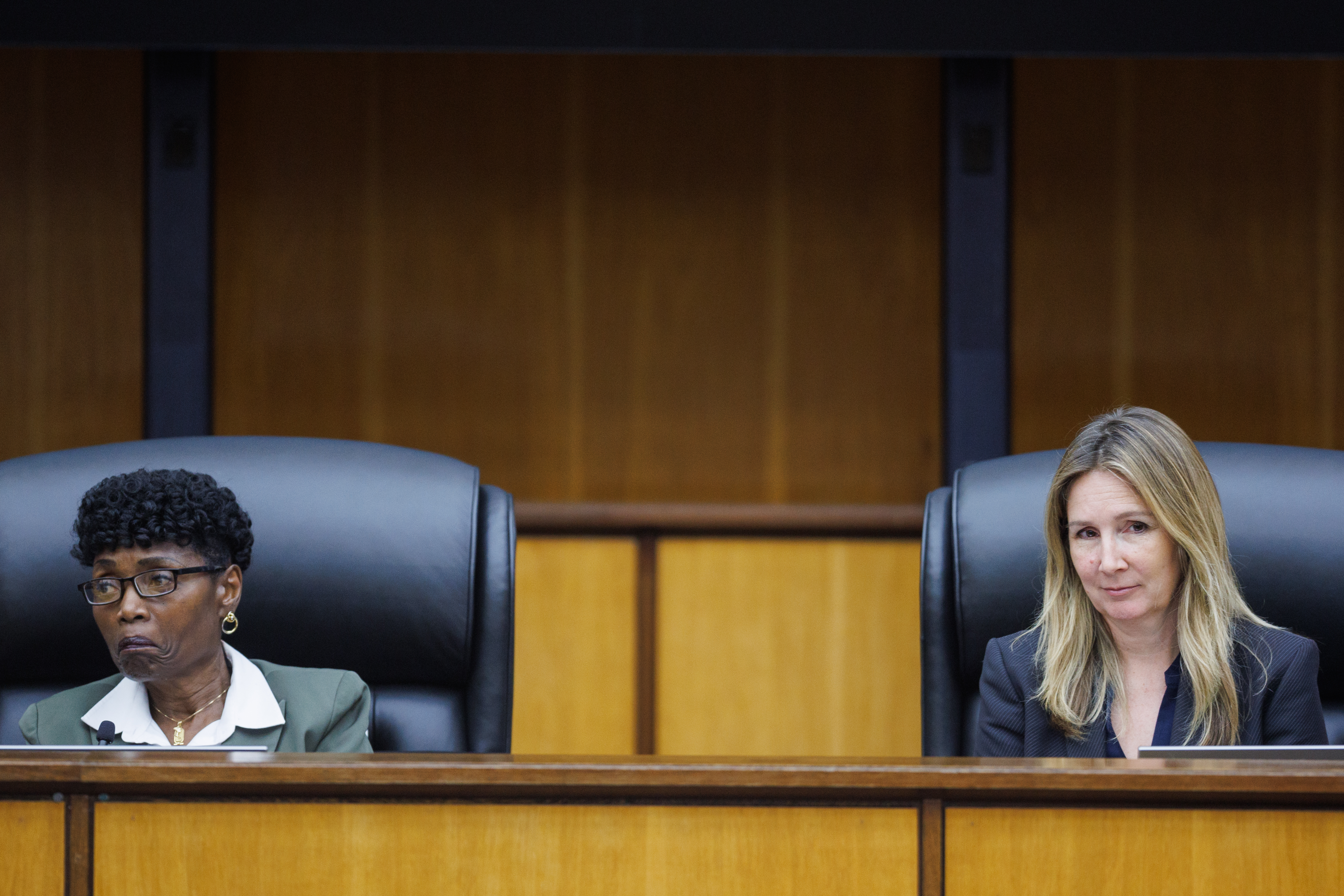
Councilors thanked Avula’s administration for the effort in working together on a new budget process, which they said was rooted in intentionality, collaboration and transparency.
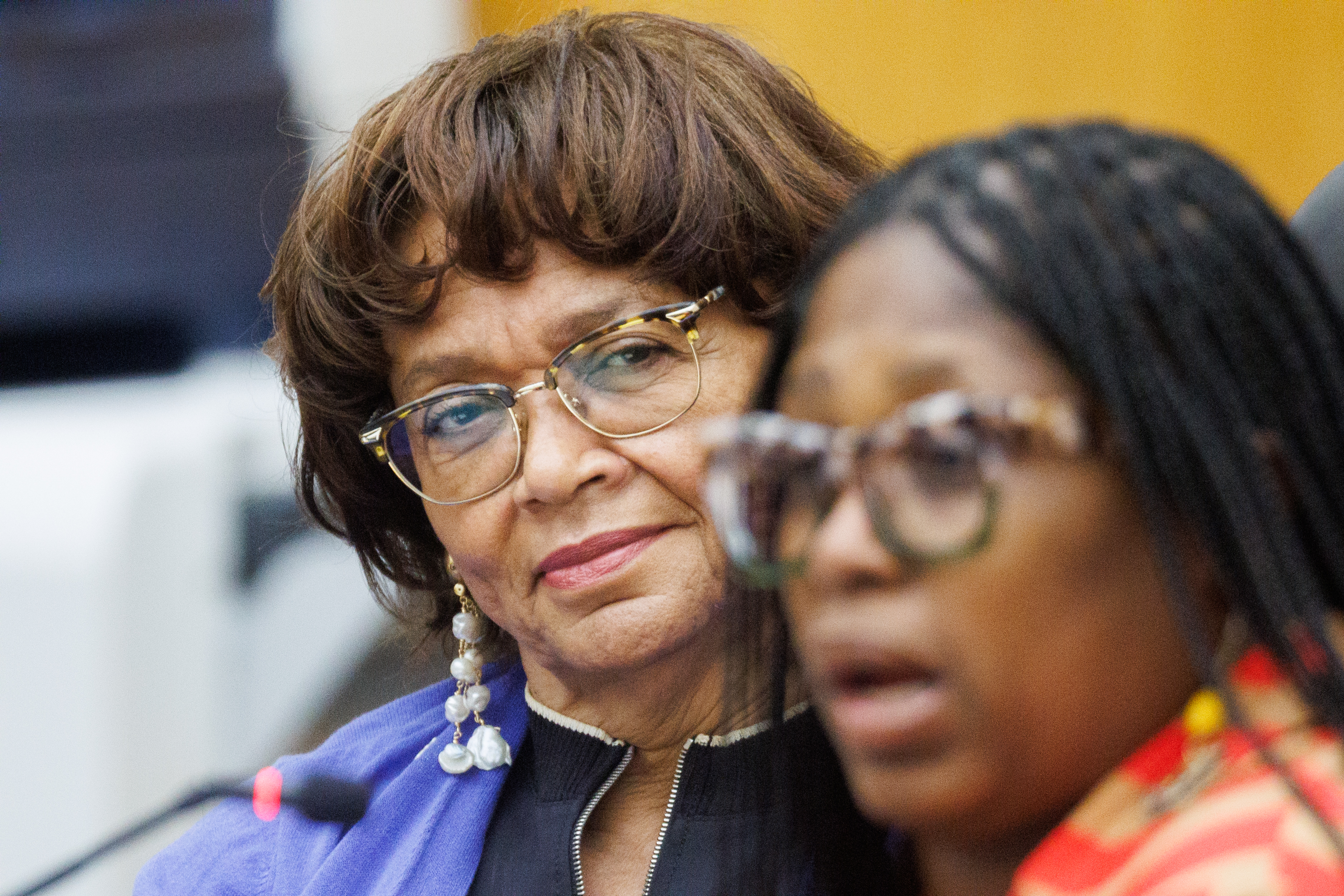
Councilor Nicole Jones (9th District) said the proposal gave her a real sense of hope: “It feels very people-led, and it feels like it is for the people, with the people and we are going to do what we are supposed to do right by the people.”
Core city services
Avula’s budget proposes an increase of approximately $22.1 million over FY26 to honor collective bargaining agreements, bringing the total to $263.5 million for the city’s workforce.
The mayor said investments in the city’s workforce are crucial to remain competitive.
“Our workforce — the people who paved the streets, keep our water running, answer our emergency calls, maintain our parks and pick up our trash — they’re the backbone of local government,” Avula said. “Our commitment to them is essential to building the high performing organization that we’ve outlined.”
Under his plan, union-represented employees will receive a 3.25% salary increase. Non-union employees performing jobs similar to those in unions will also receive the same bump in pay.
Avula is proposing a 3% cost-of-living adjustment for all other non-union employees.
Public safety remains one of the largest areas of spending in the mayor’s proposed budget. The plan includes an average compensation increase of 6.7% for sworn police officers and fire personnel.
All departments that report to the CAO were asked to identify 2% in budget cuts, totaling $4 million in savings that were redirected to fund other priorities in the FY27 budget.
Avula is not proposing reductions in the city’s workforce.
“It’s these kinds of disciplined decisions that are part of building a government that is both effective and fiscally responsible,” Avula said.
The mayor’s budget includes increases to utility rates to help offset the cost of maintenance and improvements to Richmond’s water, wastewater and gas system.
The proposal also calls for an investment in efforts to foster inclusivity and make Richmond more sustainable. Nearly $9 million is directed towards city offices focused on neighborhood and community services.
It also includes $601,400 for arts and culture grants, and about $1.6 million to support the Office of Sustainability.
Avula’s affordable housing plan
The mayor’s budget lays out new investments for affordable housing and maintains the prioritization of anti-displacement strategies, with a total investment of over $25 million.
“If Richmond is going to truly thrive, we have to create more homes for more people and more ways for families to stay in the neighborhoods they love, and that means building new housing and preserving existing homes,” Avula said.
His plan includes $11.7 million for the city’s Affordable Housing Trust Fund and $1.8 million in performance-based grants aimed at supporting the development and preservation of affordable units across Richmond.
Avula’s plan allocates $1.6 million for the next phase of Creighton Court redevelopment and additional funding toward family case management and transition planning as construction is underway.
The administration is also prioritizing combating displacement across the city by allocating $10.1 million across the following programs:
- $700,000 for right to counsel services
- $1 million for the Family Crisis Fund
- $1 million for eviction diversion programs
- $7.4 million for tax relief for older adults and residents with disabilities
Record investment in RPS still short millions needed
Avula said investing in public education is key to providing children learning environments that are safe, enriching and full of opportunities.
“We have a moral obligation to invest in the future generations of our city, and the stronger that our school system is, the more kids and their families will be compelled to invest here and stay here,” Avula said.
The budget allocates a total of $257 million for RPS’ operating budget. In addition to expanded funding, Avula’s administration is also proposing investments in after-school programming, out-of-school opportunities and child care expenses.
The mayor is also calling for an $8 million increase in funding for Richmond Public Schools, highlighting the district’s progress in achieving an 80% graduation rate — the highest in the last 20 years.
To fund needed school infrastructure repairs, Avula is frontloading $9.3 million to the district’s capital improvement plan budget, on par with Superintendent Jason Kamras’ proposed budget — which didn’t include an extra $1 million for structural improvements to the parking lot and drop-off area at Westover Hills Elementary School.
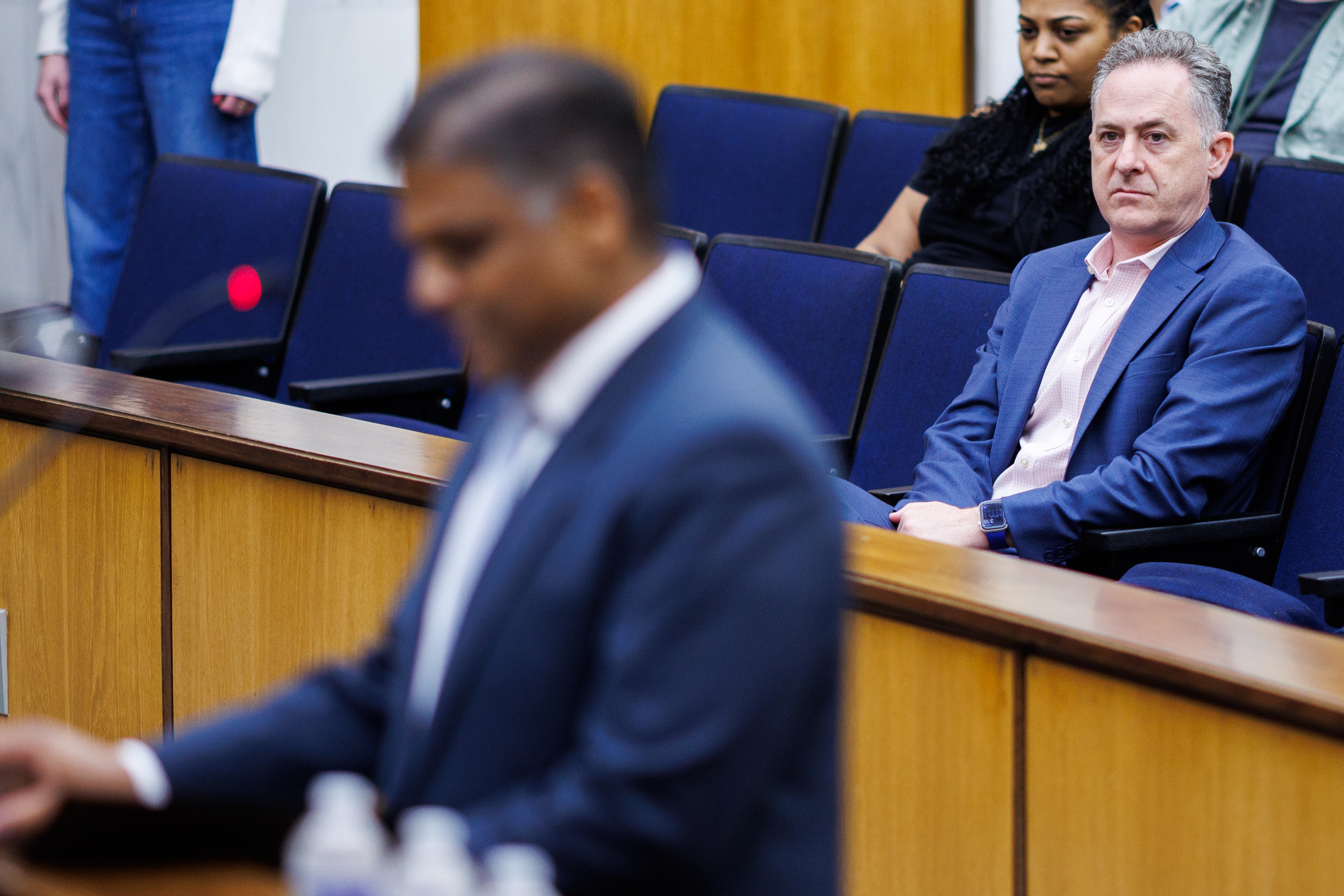
Despite the growing investment, the district is still $4 million short of its own $261 million request for the city — after adding back funding for Richmond Virtual Academy at last week’s school board meeting.
In the last decade, the city’s investment in RPS’ operating budget has grown significantly, from $151 million in FY17 to nearly $249 million in the current FY26.
Kamras recognized this is a difficult year for city revenue given the assessment freeze, saying he is “grateful” for the continued investment.
“The proposed increase will help us meet our collective-bargaining agreements, which was our first priority in this budget,” Kamras said in his RPS Direct Newsletter last week. “We will continue to advocate at the state level.”
RPS’ approved budget still assumes that General Assembly legislators will finalize a House-led budget that would fund a $20 million increase for RPS, as opposed to a Senate plan that only increases revenue by $16 million.
Given the city’s funding gap and pending state budget, district leaders will be faced with revisiting reductions and difficult choices in the coming months.
The mayor’s plan also includes investing $3 million to support child care, after school programs and out of school opportunities for youth.
Next steps
Avula said he is looking forward to working with council members in the weeks to come.
City council will now review Avula’s proposal and begin weeks of debate. Richmond’s legislative body can propose changes and ultimately has final say over the budget’s approval.
City residents will also have opportunities to weigh in before council votes on the spending plan later this spring.
Council must adopt a budget before the start of the new fiscal year on July 1.