For many people, making friends, starting conversations or navigating the world of dating can feel intimidating. This summer, one camp is helping teens and young adults in the City of Richmond build up those skills in a supportive environment.
Inspired by the popular Netflix series Love on the Spectrum, PEERS RVA focuses on teaching practical social skills that can help participants ranging from 14–30 years old become more confident and independent in their everyday lives.
“PEERS RVA is a program that works with people who are on the autism spectrum, and what we do is teach them social skills,” said Les Redfern, one of the social skills instructors. “It’s to help them to improve their ability to create friends, as well as to be more comfortable in social settings.”
The camp’s core lessons come from the UCLA-developed PEERS curriculum — an evidence-based social skills program created by clinical psychologist Elizabeth Laugeson. Laugeson helped prepare the first season cast of Love on the Spectrum through a dating workshop before filming began.
“Social skills are something that is not a given, it’s something that we learn from a very early age,” Redfern told VPM News. “There are certain protocols or certain ways that we are taught to behave — and when somebody doesn’t behave like that, they stand out.”
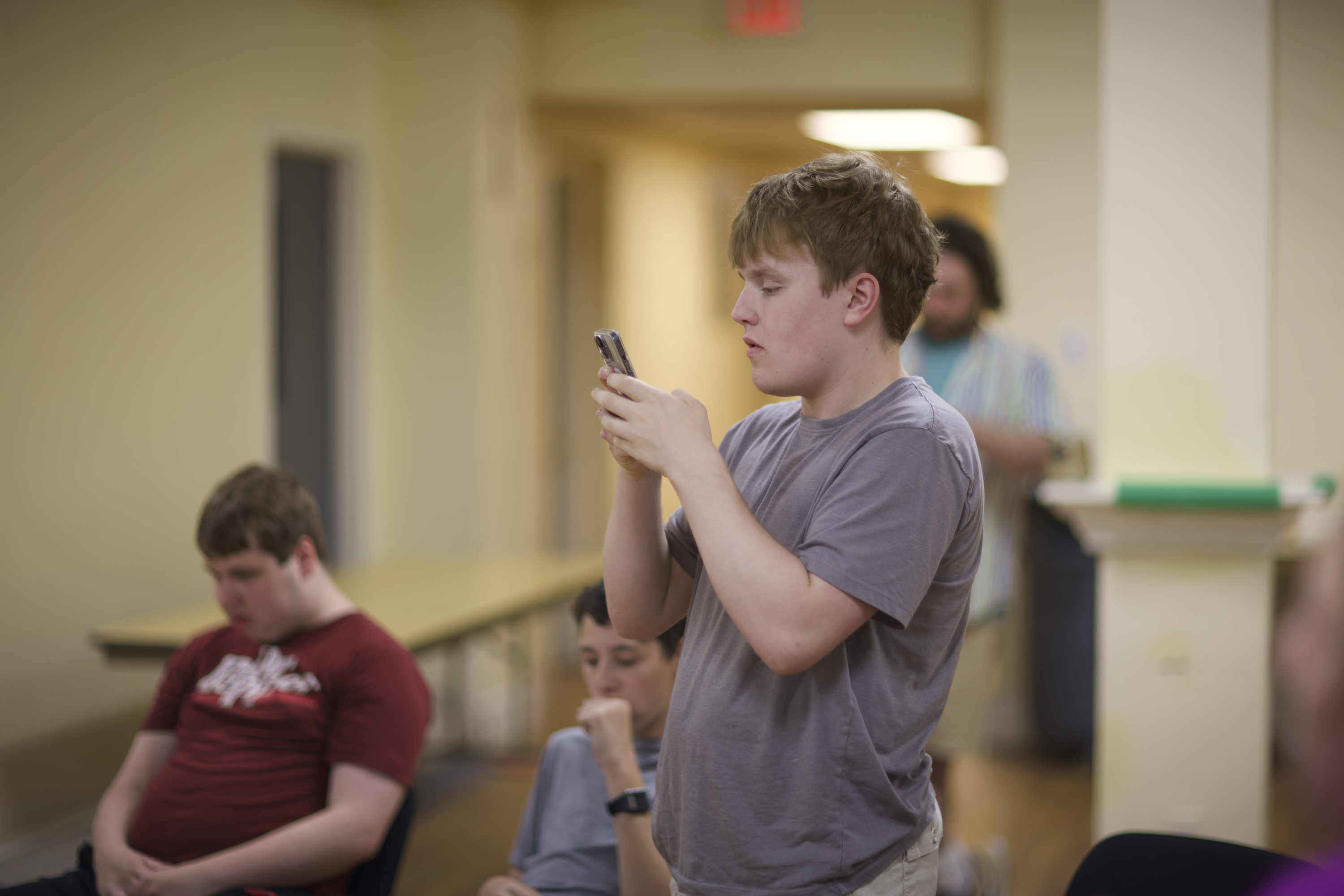
Throughout the week, campers practiced real-life scenarios they may encounter long after summer ends. They planned a party together, talking through everything that could go right — or wrong.
They also learned how to navigate situations common to romantic relationships, from establishing eye contact to figuring out whether someone is single.
“Dating is no different than any other kind of friendship. It’s a type of relationship, and there are do’s and don’ts, and when you do not understand social cues, sometimes that can be misinterpreted,” Redfern said. “What we do in the dating section is we try to help them to say: This is the kind of behavior that is acceptable, this is the kind of behavior that’s not acceptable, this is how it could be interpreted.”
For one camper, the experience has already made a significant difference.
“I knew a little bit how to start a conversation before I went here, but just this helped me get better at it,” said 17-year-old Samuel Von Bank, who added that made many friends during camp.
Love on the Spectrum’s popularity has helped bring greater awareness to conversations about how neurodivergent people navigate relationships and social connections. Redfern said he hopes this program goes a step further and makes learning and practicing skills more accessible for neurodivergent people, too.
“This community is a community that is not seen, it’s a community that’s not understood,” he said. “If there’s anything that I can do to help them to be integrated more into society, as well as help others to understand what’s going on with them, then I think it’s a better opportunity for them to be integrated into society, and that they can live a more rich and whole life.”
Learning about a healthy dating life is what drew 27-year-old Dorian Soudjian to sign up for the weeklong camp.
“How to get in and out of conversation, how to do get-togethers with people, are my favorite parts of this class,” Soudjian said.
Beyond all of her favorite camp memories, one of the most meaningful for Soudjian was gaining the confidence to understand and recognize healthy relationships: “It’s helped me to become more confident, independent, and I think that’s what a lot of people will take away from this class.”
For many campers, growing more confident also means learning that healthy relationships begin with understanding that dating is a choice.
“Who you choose to date — or if you choose to date — is totally up to you. And we try to help them to understand that they have choices, and if they’re uncomfortable with something, they need to be able to express that,” Redfern said.
Redfern said the camp’s takeaways will be different for each student, regardless of age — because everyone has a different starting point.
“If we can help them by the end of the week to be more engaged with one another, to have conversations, to feel more comfortable in the public settings and to be aware of their surroundings and those interactions, then I would call that a success,” he said. “This is not a cure-all; it’s not going to solve all of their problems — but it is a good starting point.”