For the Aldabaans, a Syrian refugee family, the path to the American Dream has begun with mortgage on a house in suburban Connecticut — one with a grassy backyard and room for bikes and birds.
Adeebah and Ibrahim, parents of five school-aged children, work while their kids — who now speak English — attend school. The oldest two, Naji, 19, and Ammal, 18, are seniors in high school and making plans for college.
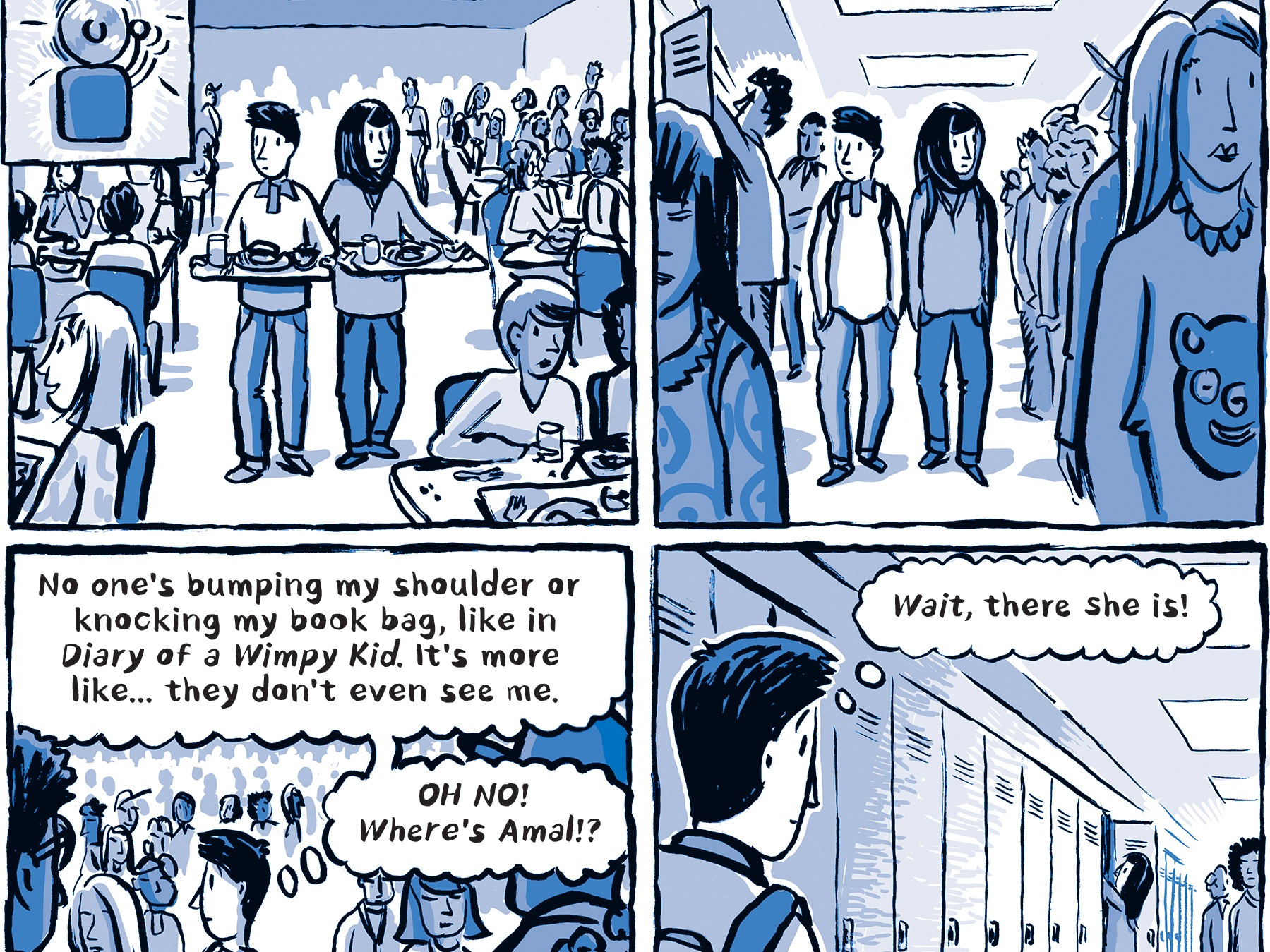
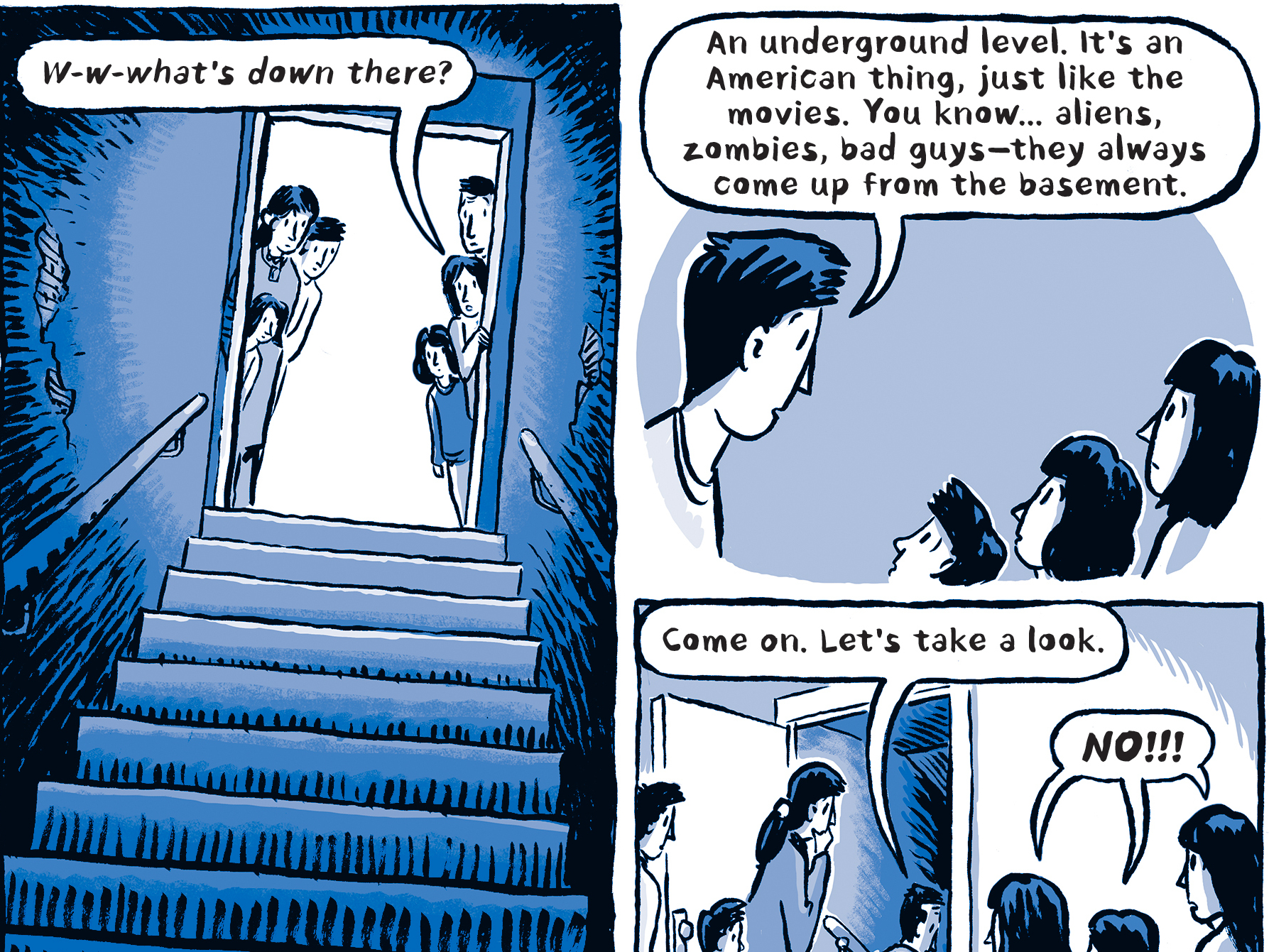
Author Jake Halpern began to document the newcomers’ transition. His reporting, with artwork by Michael Sloan, became a weekly nonfiction comic strip in The New York Times that won a 2018 Pulitzer Prize for editorial cartooning. The new book expands the story.
“They are so good at adapting, this is such a different world here,” Halpern says. He documented everything from first jobs to English classes, the kids’ first day at school, a house fire — and even a death threat.
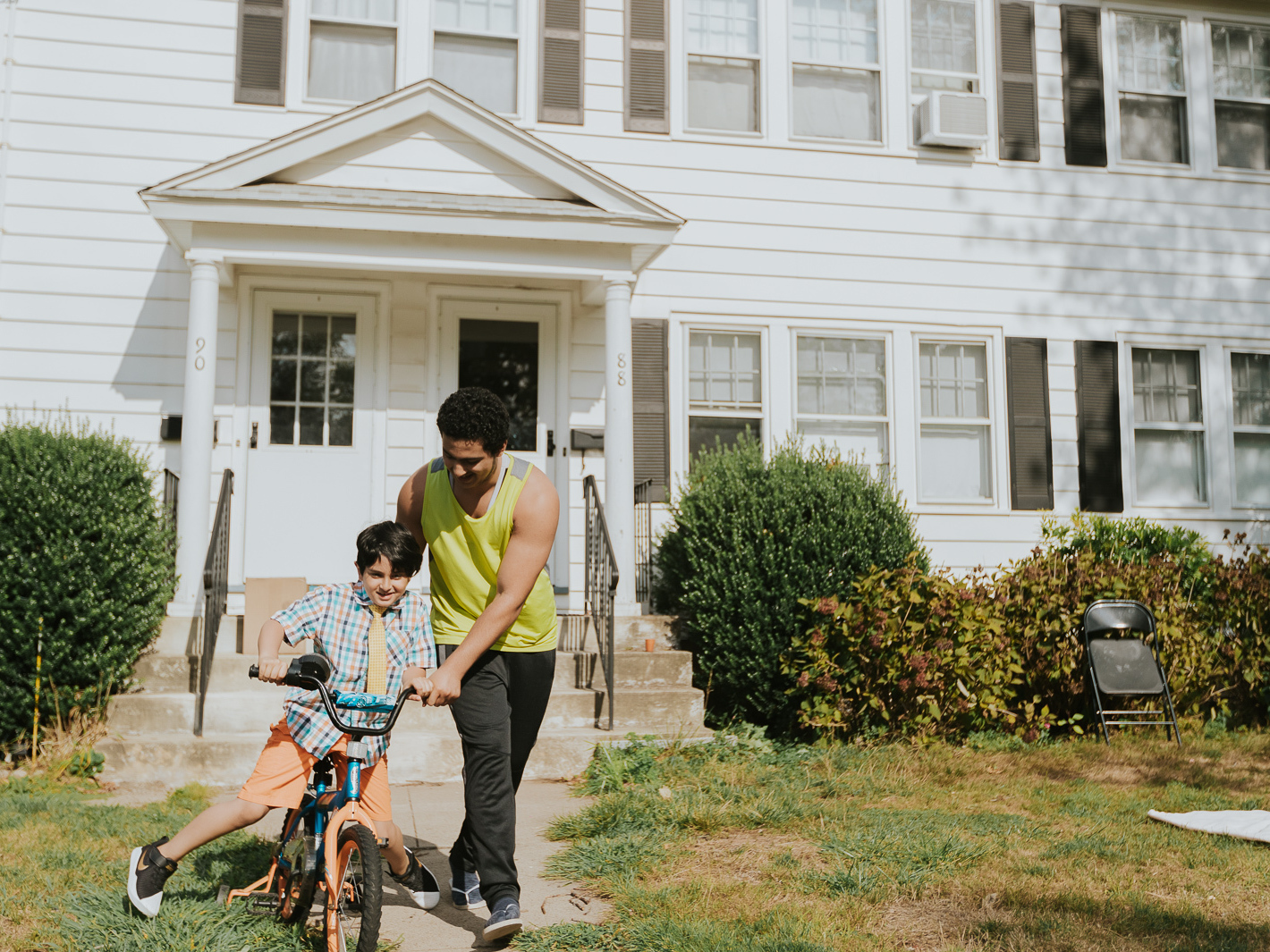
Halpern points out that Ibrahim put an American flag outside the house as soon as the family moved in.
“They just bought this house — it’s like the American dream realized,” Halpern says. “They are thrilled. The mom and the dad, Adeebah and Ibrahim, and also Naji, the oldest son, have all been working full time to get a mortgage for this.”
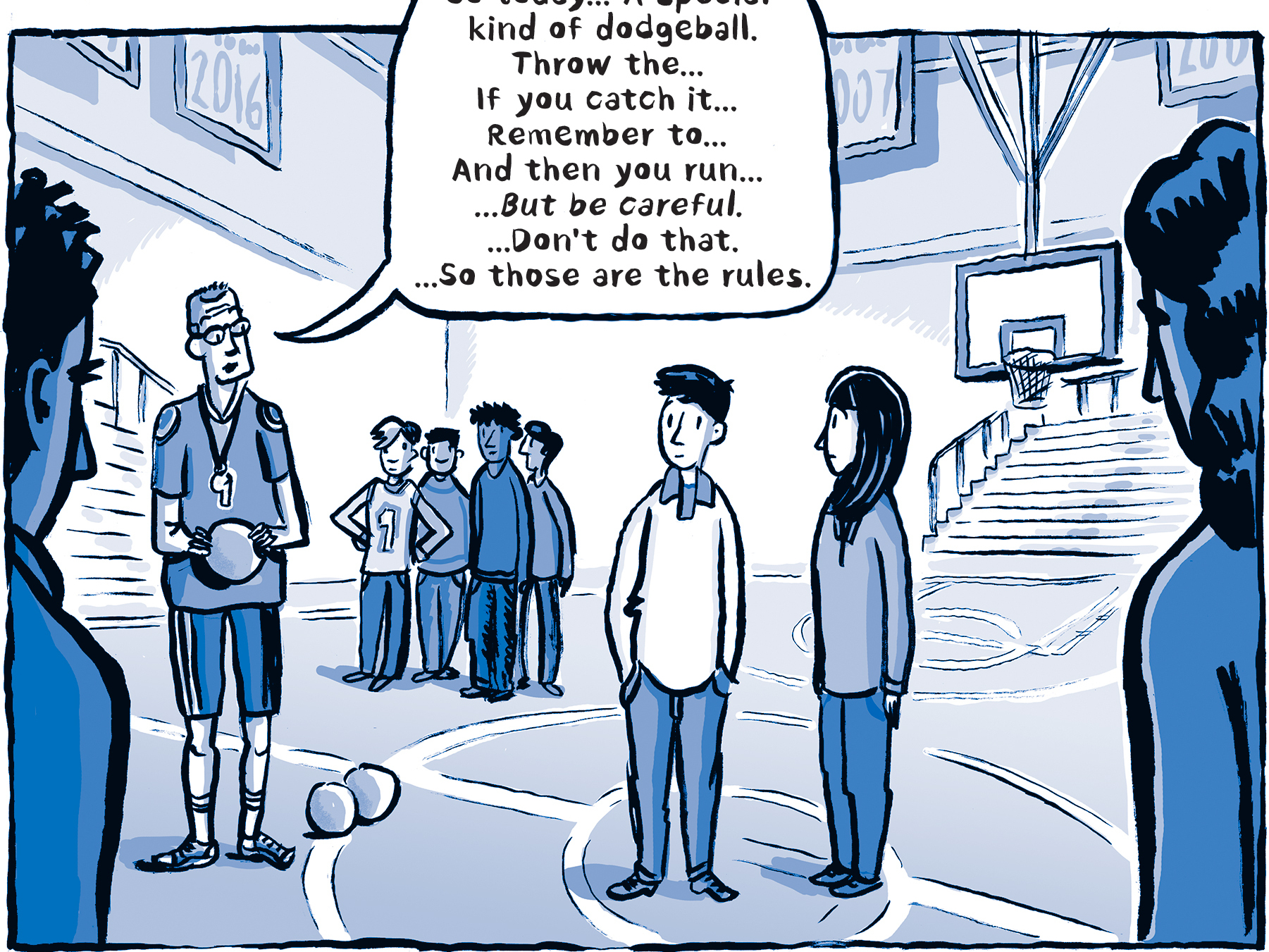
It’s been a long road for the family, from Homs, Syria, where a civil war drove them to find safety in a Jordanian refugee camp in 2011. The long-awaited approval to resettle to the U.S. came in 2016 but posed another agonizing decision: Only Ibrahim, his wife and five children could travel. Approval for the extended family still pending.
Naji says the choice as to whether to stay or go was wrenching. They were following the U.S. presidential election, where candidate Donald Trump vowed to suspend refugee resettlement, especially for Muslims.
“My dad’s mother, she told my dad if we go to the United States and Trump wins, ‘I might not see you again,'” Naji recounts. Ibrahim was so conflicted he considered a longer stay in Jordan to wait for approvals for his mother and brothers.
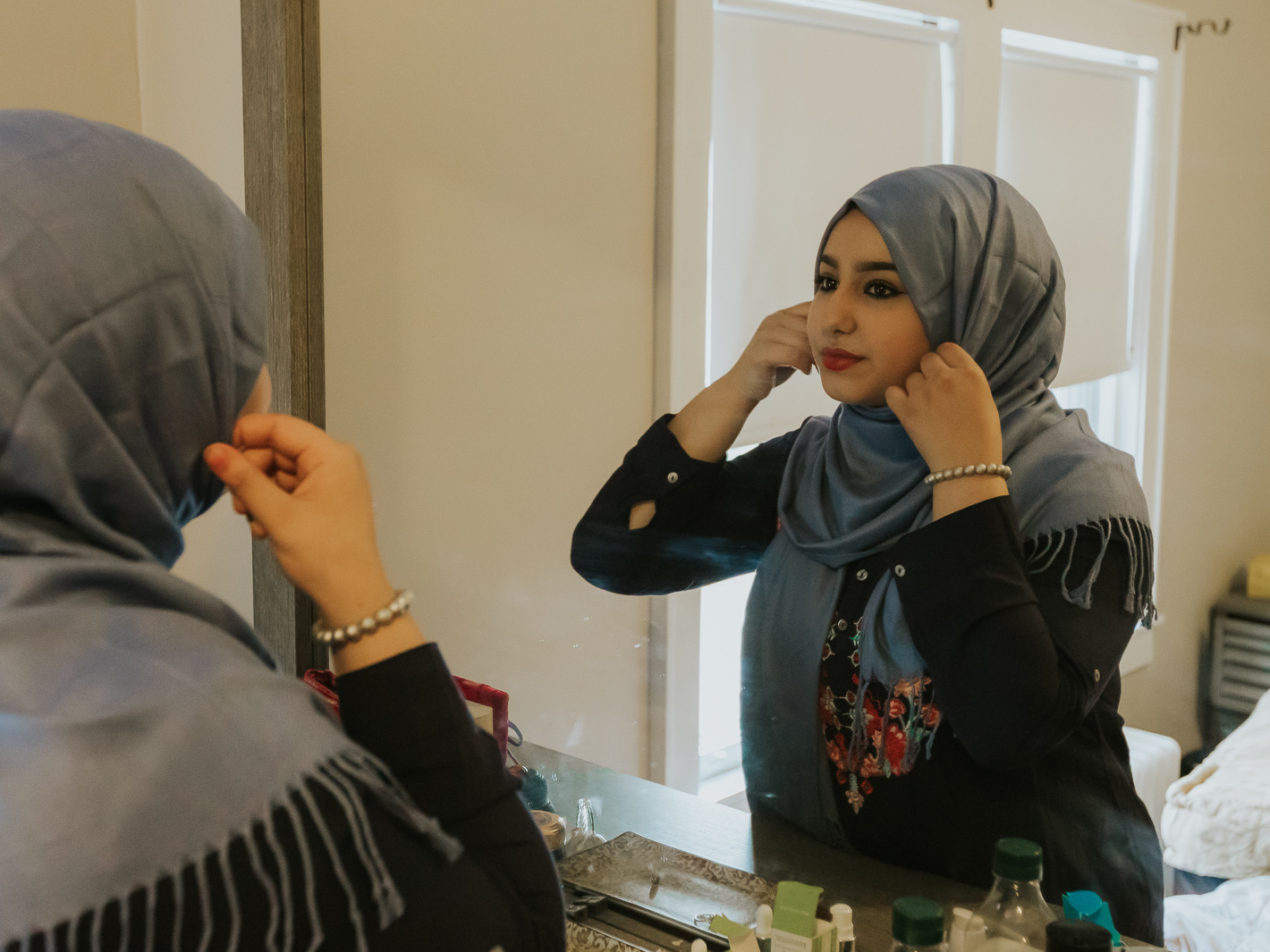
But Naji insisted that any delay was risky. He argued that a better future was only possible in America. His father was prohibited from any work in Jordan, where they had been living. Naji had been out of school for five years.
“This was a big part of why Naji was pushing so hard for the family to come to America,” Halpern says. “Relentlessly pushing his dad.”
Naji ended up being the driving force in the family’s move to Connecticut. Halpern’s book documents the divergent experiences of the parents and children finding their way in a new country.
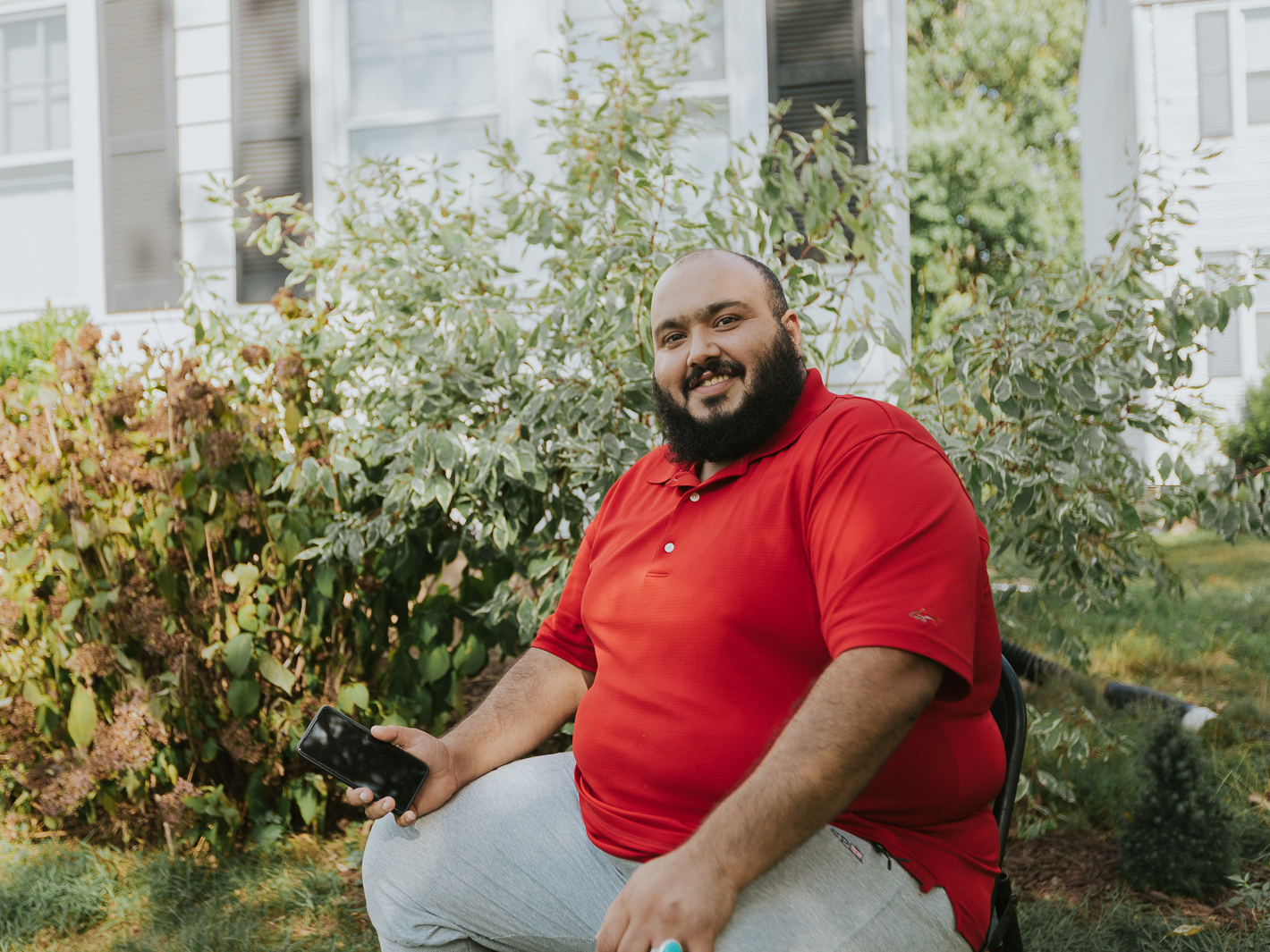
Looking through the pages of Halpern’s book, recounting their experience in intimate detail, the family is reminded of surprising terrors along the way. Bears, for example. Ibrahim spotted them in suburban Connecticut while delivering packages for Amazon. Another initial fear? Basements. The family had learned from American films that basements, unknown in Syrian homes, are scary.
“I see the movie in my country,” Adeebah laughs. The kids remember that their dad was the only one brave enough to make the first trips to the basement.
The book also recounts real hazards, like a middle-of-the night apartment fire that forced them to find shelter in a hotel. “It was night in winter, there was a snow storm coming,” Halpern says.
They had to move again after a frightening death threat on Ibrahim’s cell phone.
But the family has taken the setbacks in stride and built at new life through hard work and resilience, Ibrahim says. And, he says, they made the right decision to move ahead with the resettlement in America.
“I have my children, I have my family, I am like any American. Yes, I’m lucky,” Ibrahim says.
Halpern has observed that Ibrahim makes his own luck: “I’ve just seen this man worry and push for his family for four years and yeah, I admire him for that.”
At the same time, Halpern points out that a dad, especially a refugee dad, has to make wrenching choices. The Aldabaans cannot forget all they have lost, but Halpern’s book also documents what they have gained.
“Now, we all realize that it’s a good thing for us, especially now that we are helping our family back home. So, at the end, it helped both of us,” Naji says. “If we were there, we wouldn’t be able to help them. We always make sure we take from us and give to them.”
Naji still hopes that the extended family will eventually be approved for resettlement in the U.S.
“Every day, we hope something new is changing. This election will be better,” he says. “We are expecting them to be here.”
Copyright 2024 NPR