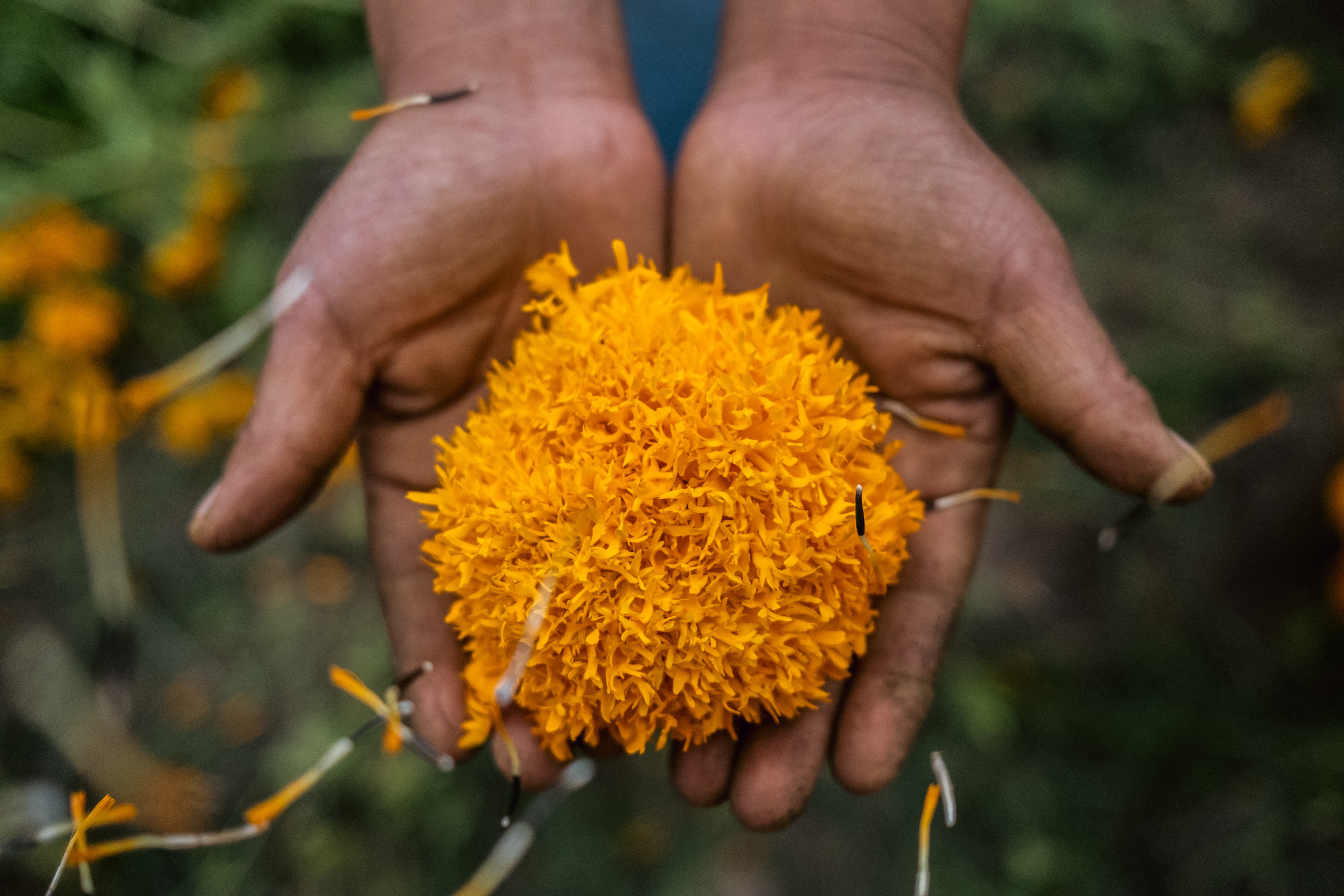
Alonso, the son of Maria Fernanda Hérnandez, plucks a cempasúchil flower in San Fúlix Hidalgo, Puebla, Mexico.
Updated December 26, 2022 at 12:35 PM ET
In the fields of Atlixco, San Fúlix Hidalgo, San Pedro Cholula and San Gregorio Zacapechpan in the central Mexican state of Puebla, golden flowers shine like the sun next to an elegant purple flower. These flowers are the “cempohualxochitl” or “cempoalxóchitl” which in Náhuatl, means “20 flowers” because it appears that inside the flower there are many more. The purple flowers, called “terciopelos,” which translates to “velvet,” are also cultivated in Africa and Asia.
The “Cempoalxóchitl” flowers are known as “Cempasúchil” in Spanish.
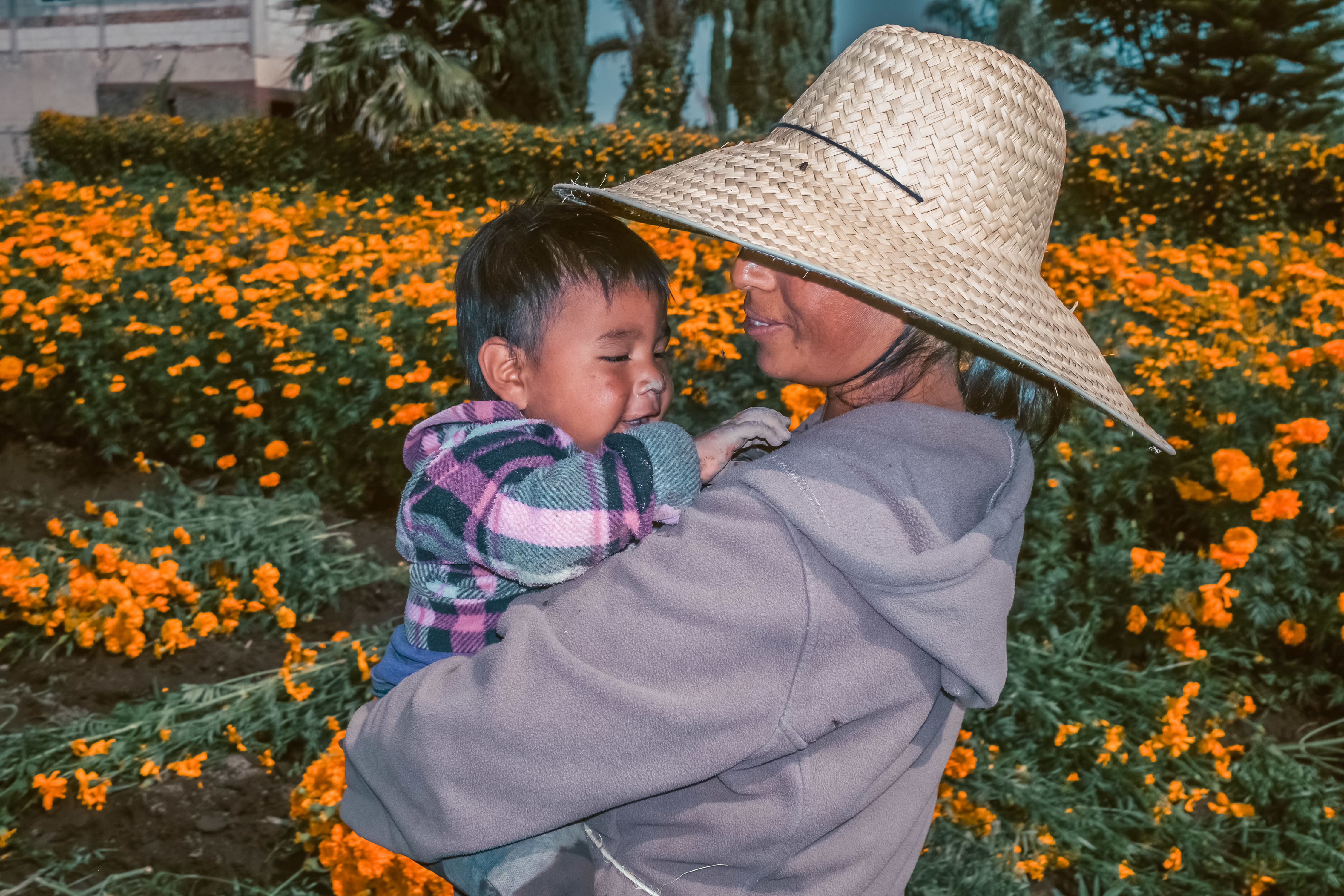
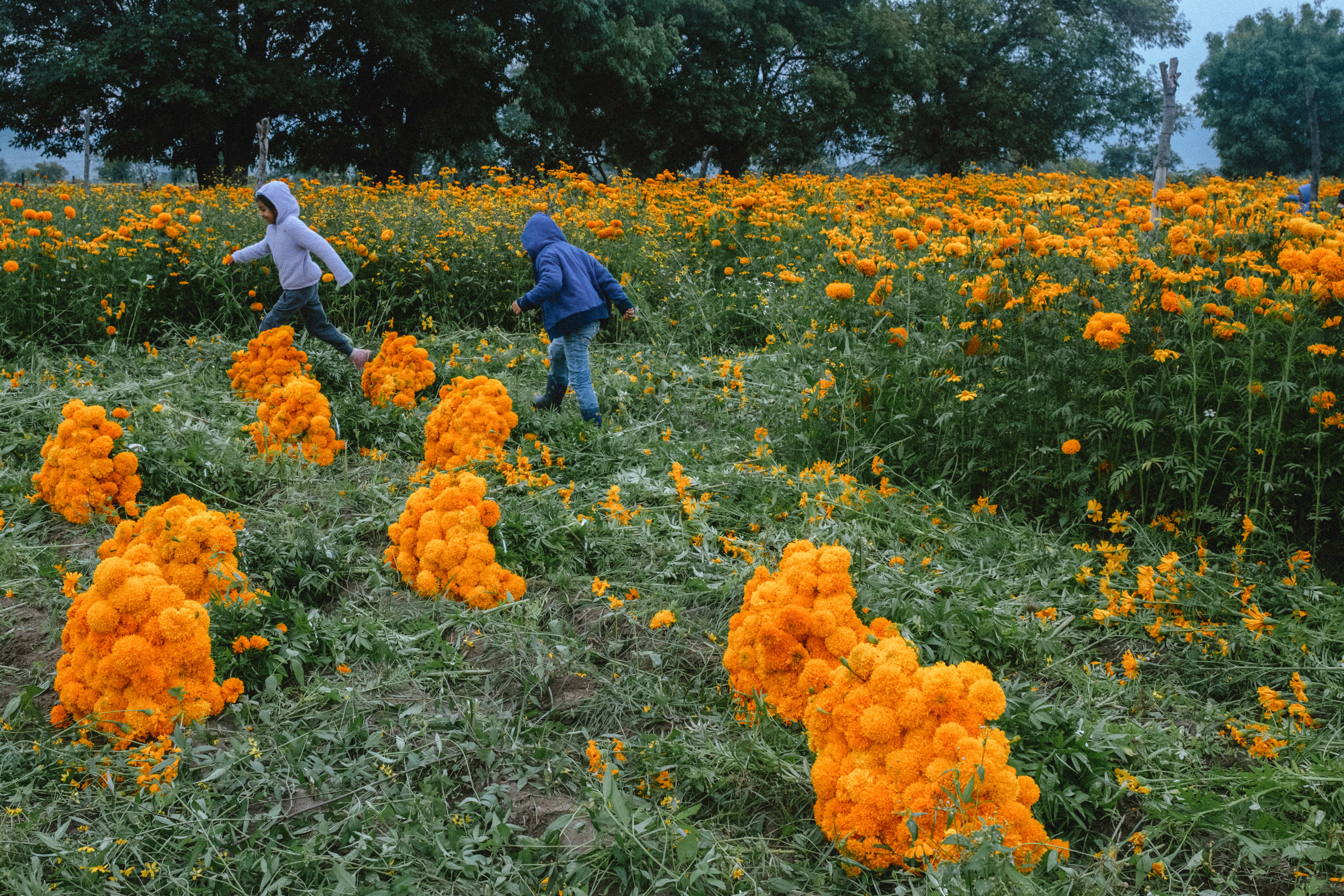
Sara and her son Pablo during their work day harvesting Cempasúchil flowers in San Gregorio Zacapechpan, Puebla, Mexico. / Koral Carballo for NPRCempasúchil flower at sunrise in San Pedro Cholula, Puebla. Abril, daughter of Maria Fernanda Hernandez playing with the petals of the Cempasúchil flower. / Koral Carballo for NPRAbril and Alonso play while their family harvests Cempasúchil flowers in San Fúlix Hidalgo, Puebla, Mexico. / Koral Carballo for NPRHarvesting is a tradition in this land. Just like Sara and Miriam, the Marin family of San Fúlix Hidalgo gathers to harvest at dawn. Virginia Marin Solis, 68, says that since she was a child, her mother taught her how to sow, spread the seeds in the field, wait for the rain and, two months later, harvest. Today Virginia shares this once-in-a-year tradition with her children’s partners, Maria Fernanda Hérnandez, Miriam García Reyes and Maria Azucena Violante. The women also bring their children, Abril, Alonso and Roxana, to the fields to pluck the cempasúchil, run through the tereciopelo and play in the fields while their mothers work.
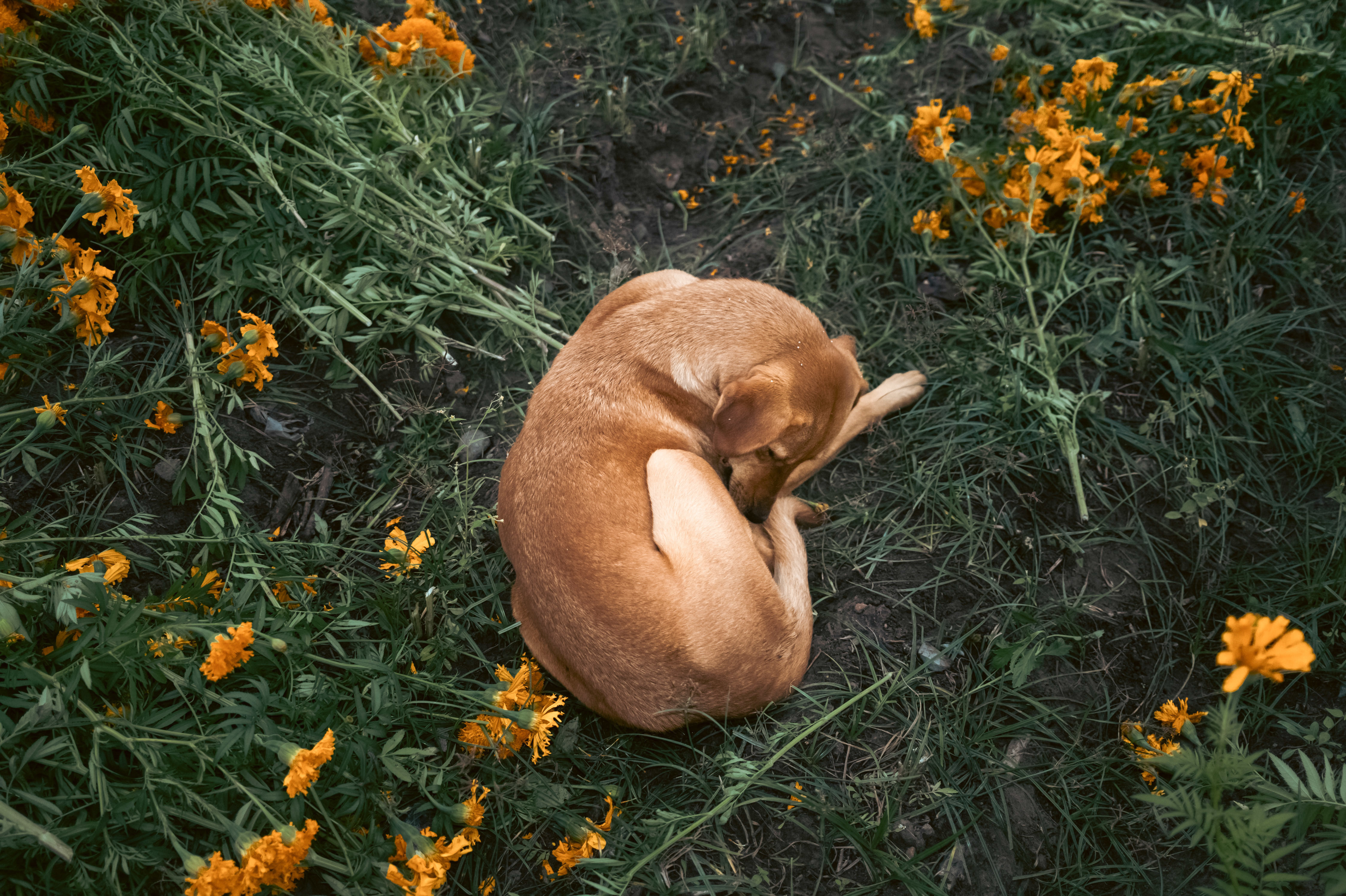
Maria Fernanda Hernandez Reyes, 29, has been harvesting for the last 6 years after marrying Virginia Marin’s son in San Fulix Hidalgo. Miriam García Reyes, 14, has been working for three years in the fields of the Marin Solis family in San Fúlix Hidalgo, Puebla, Mexico. / Koral Carballo for NPRMaria Fernanda Hernandez Reyes, holds a Cempasúchil flower. / Koral Carballo for NPRLula, the Marin Solis family’s dog rests during her family’s workday in San Fúlix Hidalgo, Puebla, Mexico. / Koral Carballo for NPR
Loading…
The work of harvesting the flowers is essential at this time of the year so that the women can keep food on their children’s plates year-round. Their work is also important for the flowers to reach the ofrendas — altars where food and drinks are offered up for those in the family who’ve died. Our ancestors in Mexico believed that the cempasúchil had the power to shield the rays of the sun, which served to guide the path of the dead who return from the Mictlán (the underworld, where the dead are) every Nov. 1 and 2 to celebrate with the living: the Day of the Dead.
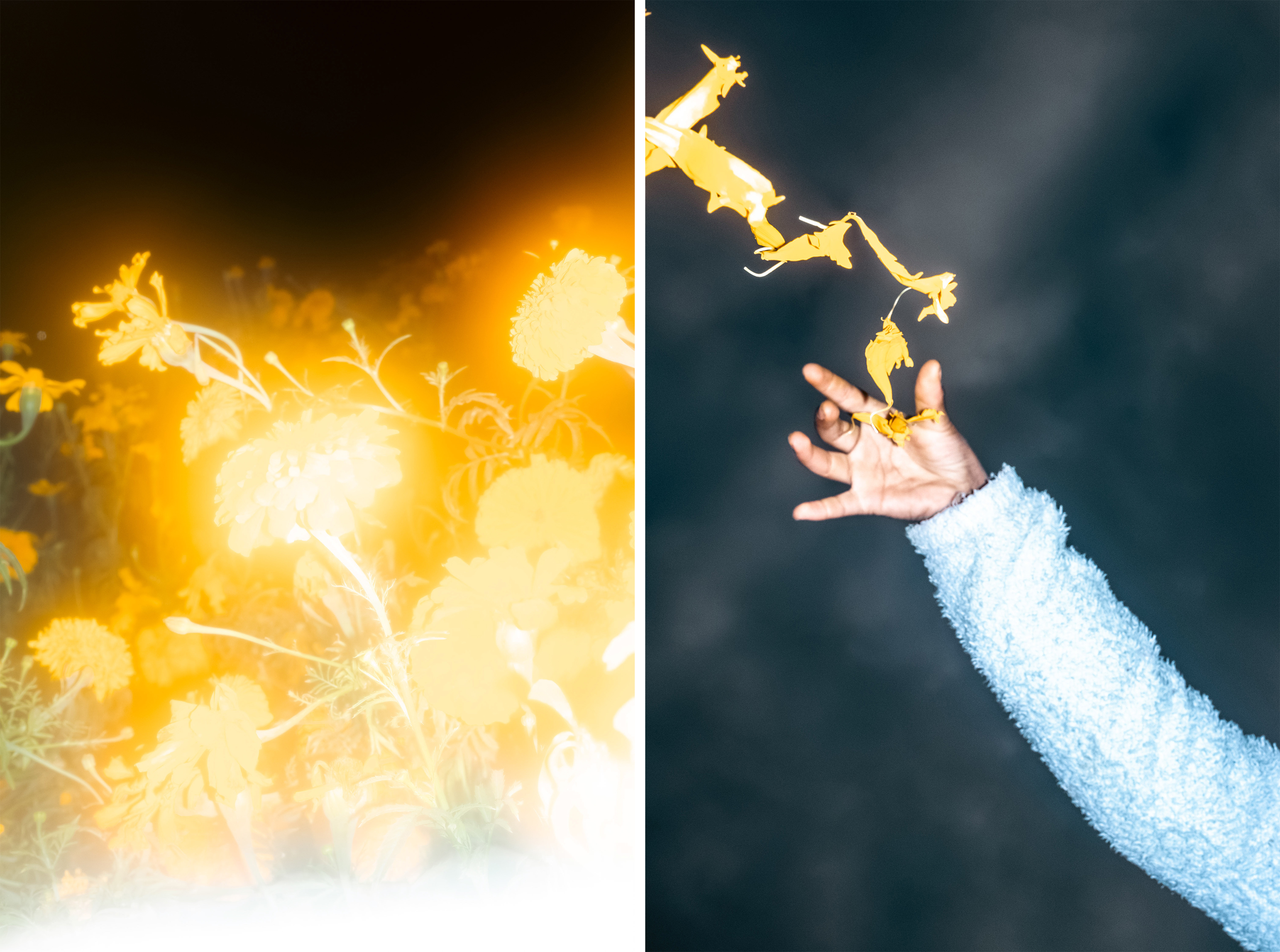
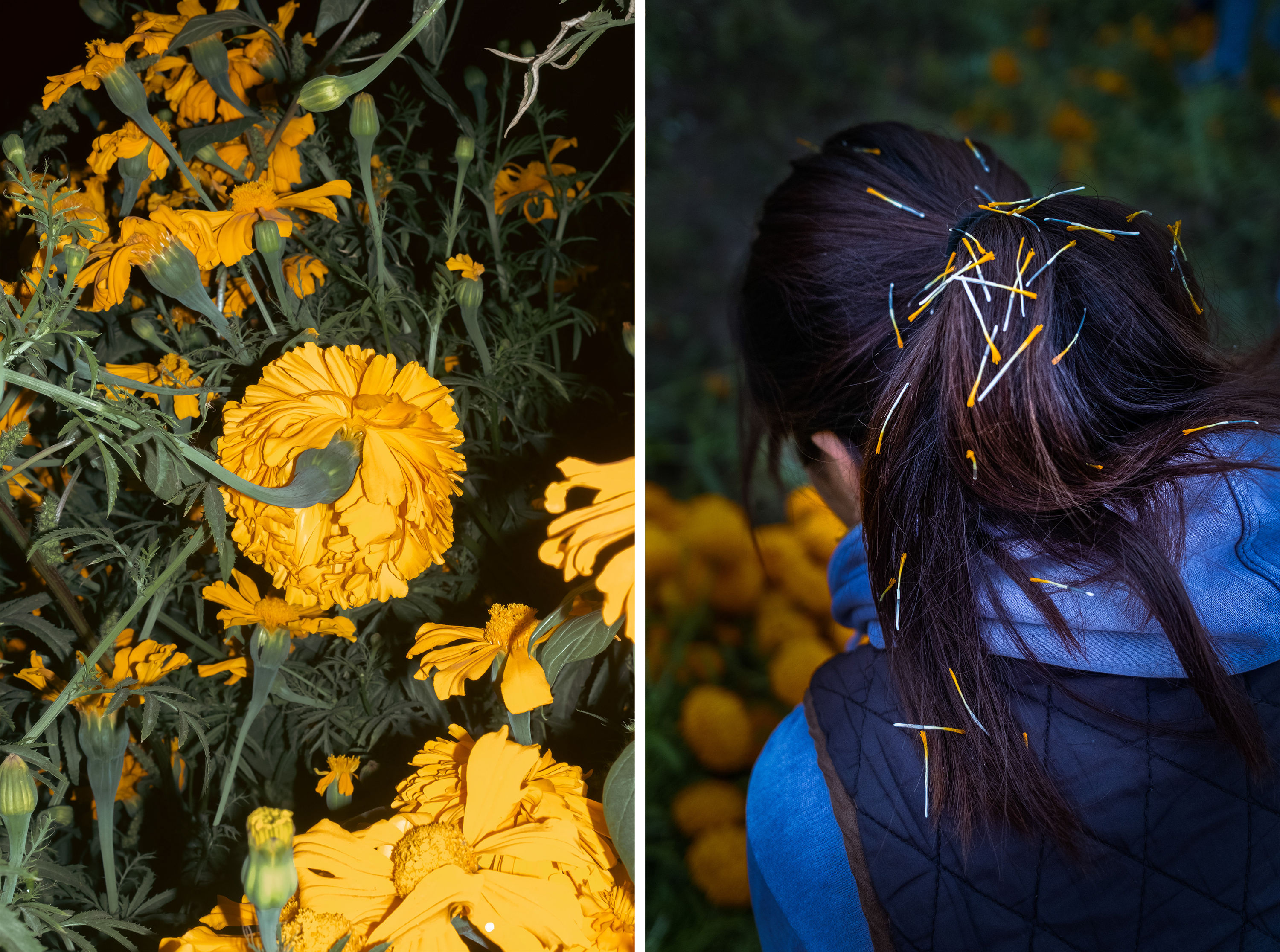
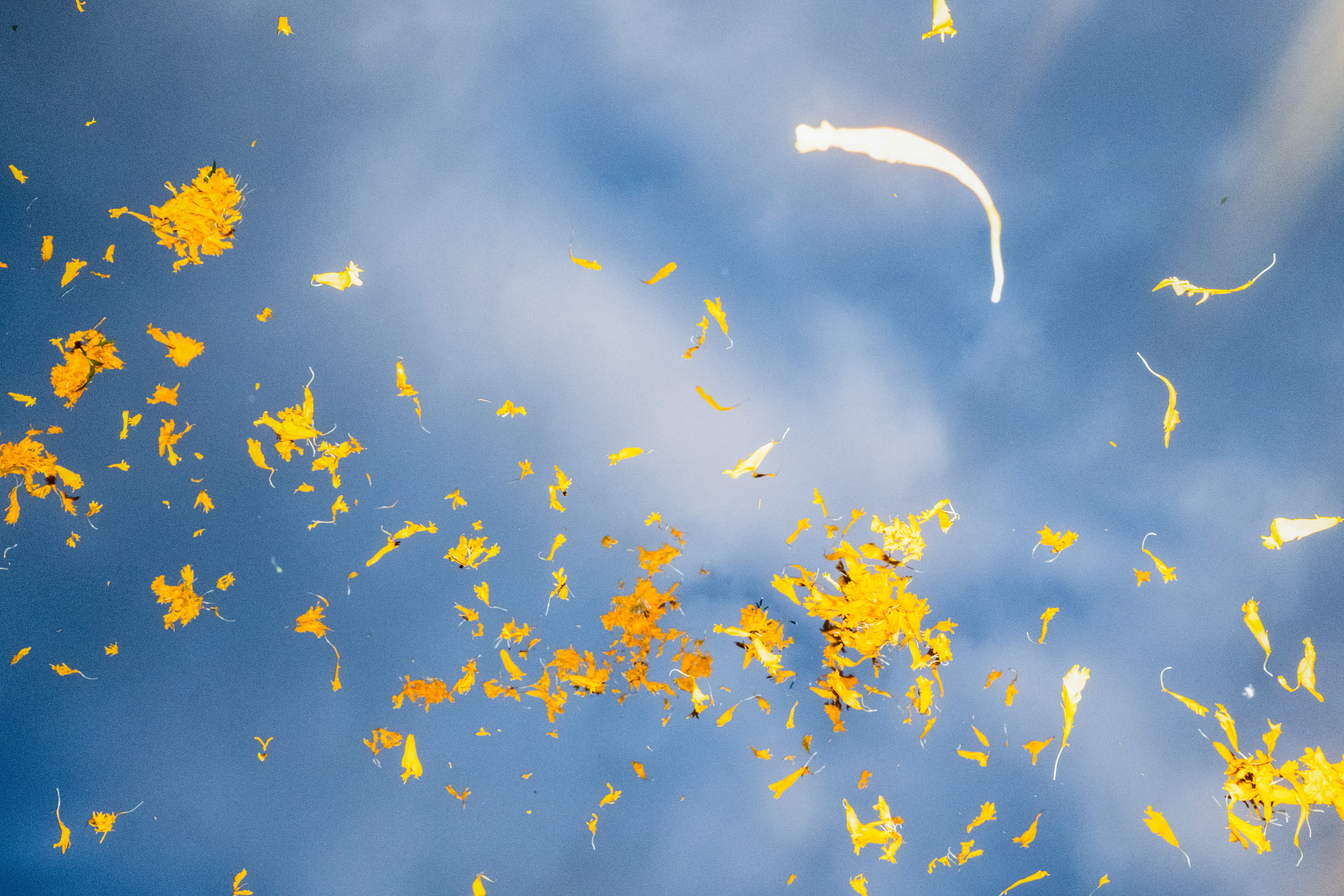
Maria Fernanda Hernandez’s hair with pistils of the Cempasúchil flower that her daughter Abril placed in her hair in San Fulix Hidalgo, Puebla, Mexico. / Koral Carballo for NPRAbril throws Cempasúchil flower petals to the sky as her parents, aunts and grandparents work harvesting flowers in San Fúlix Hidalgo, Puebla, Mexico. / Koral Carballo for NPRClick here to see more of Koral Carballo’s projects.
Copyright 2023 NPR. To see more, visit https://www.npr.org.




9(MDM3NjYwMjA5MDE1MjA1MzQ1NDk1N2ZmZQ004) "Meet the families harvesting the flowers that guide souls home on the Day of the Dead 11")