Updated March 5, 2024 at 3:19 PM ET
Bitcoin has reached a new all-time high.
After a “crypto winter” that dragged on for more than two years, digital currencies are making a major comeback after regulators approved this year new bitcoin investment funds that makes it easier for mom-and-pop investors to add bitcoin to their portfolios.
Bitcoin has also benefited from a strong rally in broader stock markets amid rising optimism about the health of the economy.
On Tuesday, bitcoin climbed above $68,990.90, the previous record that had been in place since Nov. 10, 2021 — marking a more than 45% gain this year.
But after touching the milestone, bitcoin retreated sharply, underlying the volatile nature of the world’s most popular digital currency.
Why did Bitcoin hit a record high?
In two words: bitcoin ETFs.
Back in January, the Securities and Exchange Commission reluctantly gave the go-ahead to almost a dozen exchange-traded funds, or ETFs, that track the price of bitcoin.
ETFs are popular investment funds that track the prices of assets or indices, like a stock index or government bond index, for example.
The approval potentially allows millions of investors to invest into bitcoin without having to own it directly.
According to Bryan Armour, the director of passive strategies research for North America at Morningstar, these bitcoin ETFs had a “rocky performance out of the gate.”
But since then, “it’s been clear skies and smooth sailing” he says. Billions of dollars have flowed into these funds.
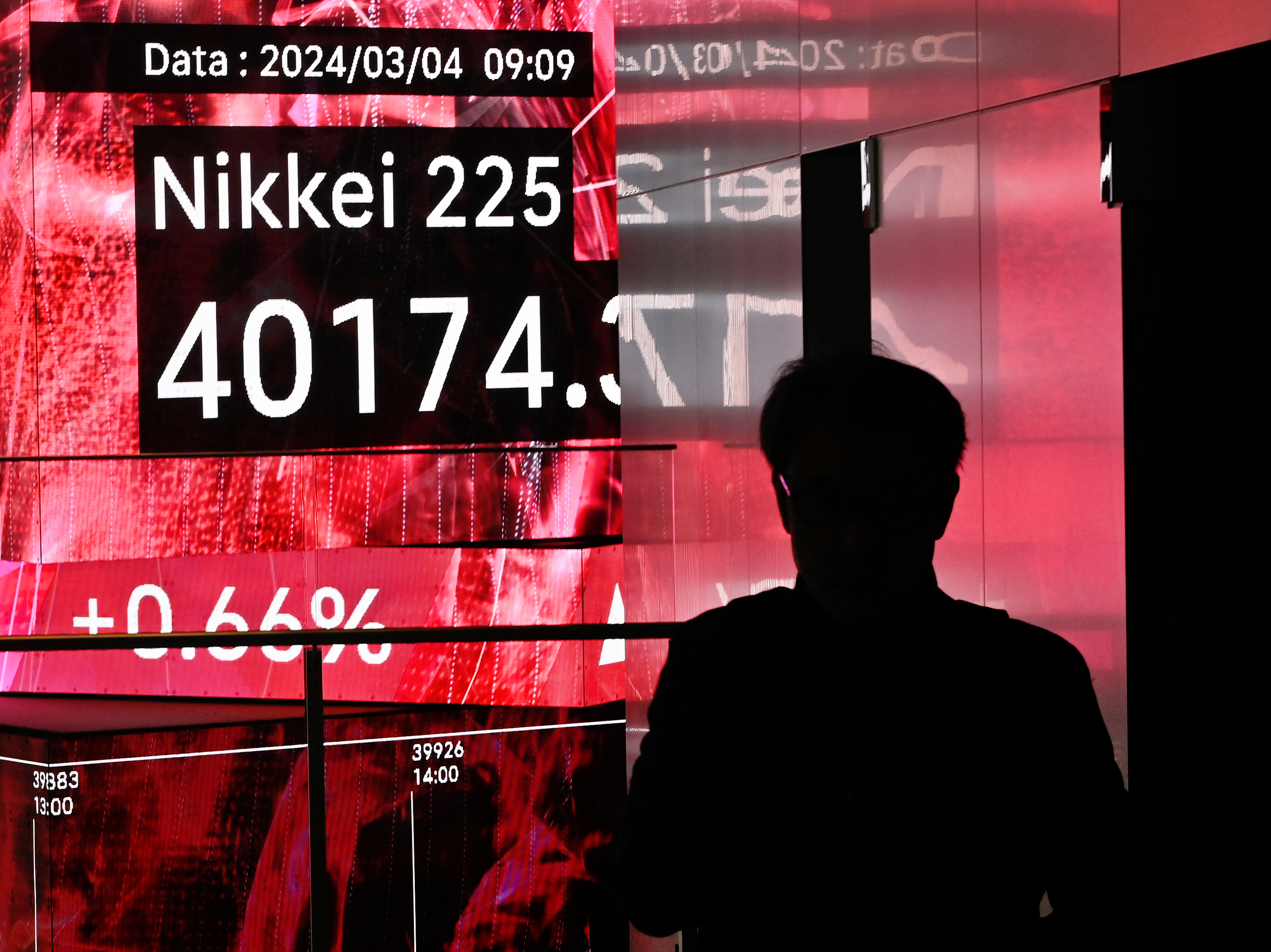
Markets more widely have also been doing well. All three major stock indexes for example, including the Dow Jones Industrial Average, have hit record highs recently.
Wall Street is hopeful Federal Reserve policymakers will soon feel comfortable enough with the progress they’ve made fighting high inflation to start lowering interest rates — and that’s made investors more comfortable buying riskier assets.
But weren’t cryptocurrencies facing trouble recently?
Indeed. It was called the “crypto winter,” and it lasted for most of the past two years.
Cryptocurrencies were hit hard by the same factors impacting other markets, including stocks: The Fed was raising interest rates aggressively in a bid to fight inflation, which sparked fears the economy would head into a recession.
Fraud and the volatility in bitcoin and other digital currencies led to the collapse of a handful of crypto firms, none more spectacularly than FTX, which was once one of the world’s largest exchanges.
A slew of arrests and prosecutions followed, resulting most prominently in the sweeping conviction of FTX founder and former CEO Sam Bankman-Fried, who’s due to be sentenced later this month. He could spend the rest of his life behind bars.
But eventually, those arrests and implosions improved sentiment towards cryptocurrencies — by removing some of the bad apples in the sector.
That combined with the improving market optimism has appeared to thaw out that “crypto winter.”
What could go wrong?
Plenty still.
It’s something of a fool’s errand to predict the trajectory of bitcoin’s prices because its a speculative asset that doesn’t have any inherent value. Crypto investors have grown accustomed to wild, daily swings of hundreds and sometimes thousands of dollars.
On Tuesday, bitcoin tumbled sharply after hitting a record high, for example.
In recent weeks, Wall Street has scaled back its expectations of how quickly the Fed can cut interest rates and by how much. If interest rates remain elevated, investors could decide to steer clear of riskier assets.
More broadly, there is always the risk that the economic environment could change. So far, the U.S. economy has managed to avoid a steep downturn.
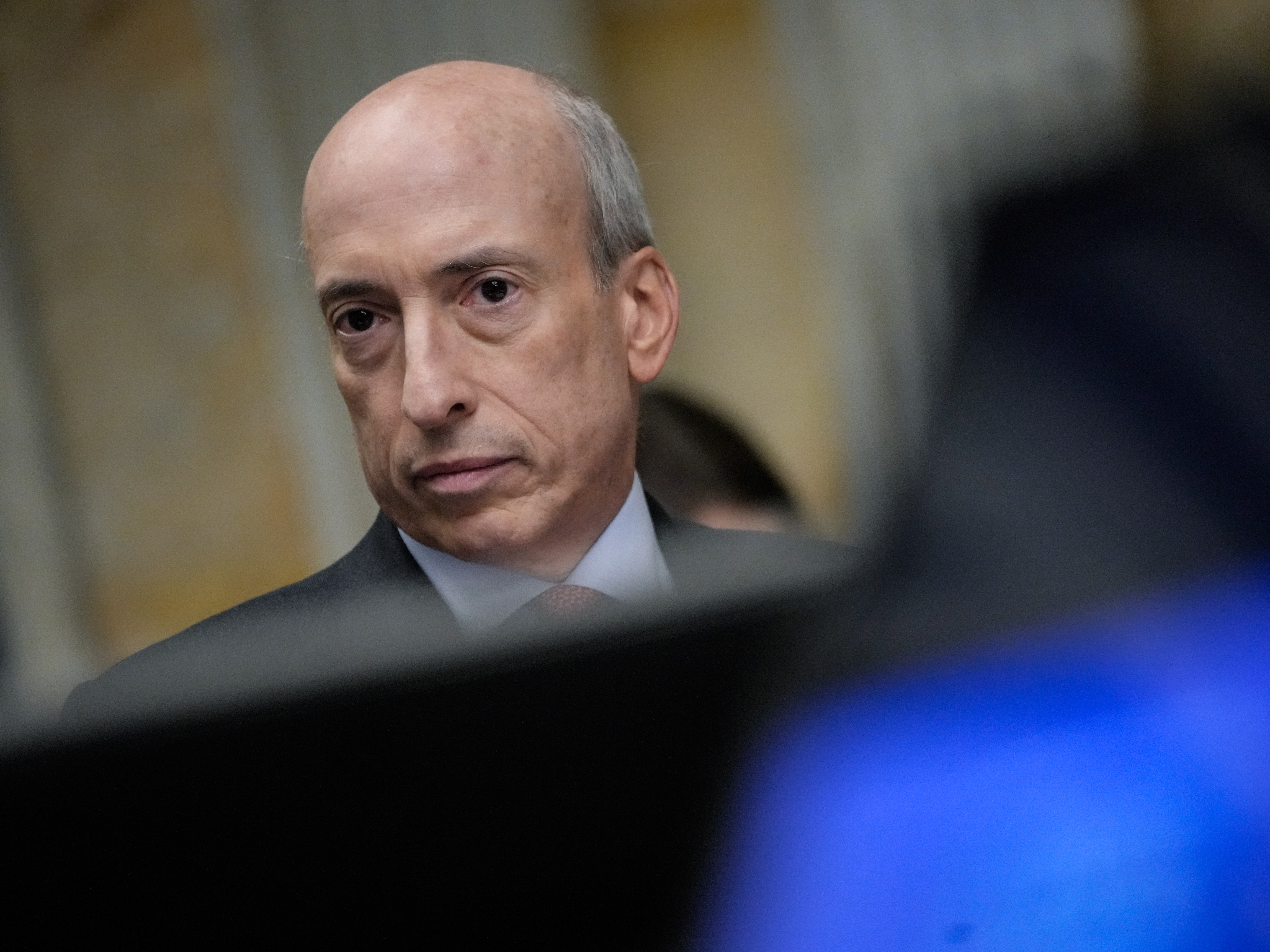
Lastly, there is still a lot of regulatory uncertainty. The SEC under Chair Gary Gensler has acted boldly, relying on its existing enforcement authority to go after bad actors in the world of crypto.
Gensler has not been shy about his concerns about what he calls “the wild west” of crypto and has vowed repeatedly to get players in the sector to follow Wall Street rules.
So what’s next for regulators?
A regulatory crackdown on cryptocurrencies worldwide is likely to continue. In the U.S., both the SEC and the Department of Justice have made clear they will continue to go after bad actors in the sector, creating continued tensions and raising the prospect of more legal fights.
The SEC approved bitcoin ETFs only after suffering a major legal defeat that forced its hand.
In a statement when approving those bitcoin ETFs, Gensler stressed he “did not approve or endorse bitcoin.”
“Investors should remain cautious about the myriad risks associated with bitcoin and products whose value is tied to crypto,” Gensler said then. “Bitcoin is primarily a speculative, volatile asset that’s also used for illicit activity including ransomware, money laundering, sanction evasion, and terrorist financing.”
Copyright 2024 NPR. To see more, visit https://www.npr.org. 9(MDM3NjYwMjA5MDE1MjA1MzQ1NDk1N2ZmZQ004) "Bitcoin hits a record high. Here are 4 things to know about this spectacular rally 3")