Copyright © 2026 VPM, all rights reserved.
PBS is a 501(c)(3) not-for-profit organization.
VPM News Morning Edition
NEXT UP: 9:00 AM

Thanks to our sponsors – Become a Sponsor

It’s Veterans Day. The VA says it can’t help thousands of vets it left stranded

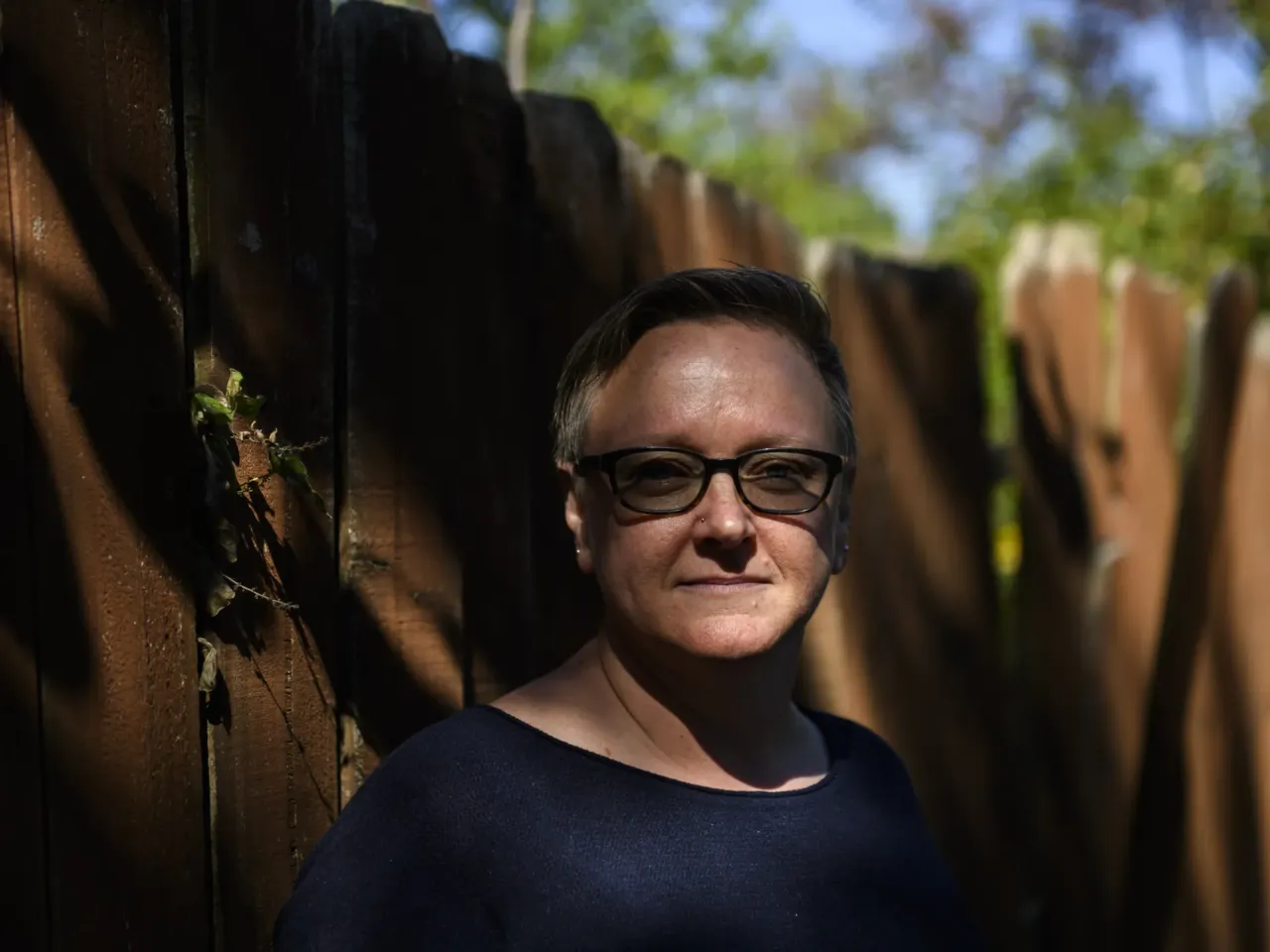
Natalie Donaldson, an Army veteran, poses for a portrait at her home in Tulsa, Okla. A COVID assistance program that was supposed to help her avoid foreclosure ended up increasing her mortgage payments by 50% every month.
Michael Noble Jr. / for NPR
Natalie Donaldson, an Army veteran, poses for a portrait at her home in Tulsa, Okla. A COVID assistance program that was supposed to help her avoid foreclosure ended up increasing her mortgage payments by 50% every month.
When you walk up to Natalie Donaldson’s little cottage-style house in Tulsa, Okla., you’re greeted by her bright smile, and her well-muscled pit bull named Sigrid.

“She’s friendly but she’s gonna want to check you out,” Donaldson said.

Donaldson is an army vet, and she had a rough go in the military. She has PTSD. And that’s partly why owning this house is important to her — she has her own space where she feels safe.

But these days Donaldson is barely able to scrape the money together to pay her mortgage, because she was hurt by a botched VA home loan program. The program was meant to help her, but instead it stranded her in a modified mortgage with a much higher interest rate that has raised her payments by 50% — nearly $500 more every month, permanently.

“I bought a house that I could afford by myself and now I can’t,” Donaldson said. “The girl that’s my loan advisor, she doesn’t have the power to do anything… except for listening to me rant and cry and tell me she’s sorry over and over again.”

There are many other vets in Donaldson’s same situation.

NPR has learned that thousands of other veterans appear to have been similarly hurt by the VA’s missteps and left stranded in higher-cost mortgages. According to documents obtained under the Freedom of Information Act, at least 1,300 veterans ended up in loans that raised their monthly payments by more than 50%.

Loading…

A program to help vets is hurting them


This all started for Donaldson after COVID hit. She’d been working as a schoolteacher after leaving the Army but her grandfather was dying and she needed to stop working to care for him.

Donaldson called her mortgage company, desperate for help. “I was crying and she goes, ‘Oh honey, why are you crying… it’s gonna be OK.’ ”

It should have been OK, because back then Congress said anyone with a federally backed mortgage could pause their payments for up to 18 months through what’s called a COVID mortgage forbearance. Donaldson, like millions of other veterans, has a home loan backed by the Department of Veterans Affairs. So she was told she could stop paying her mortgage.

A mortgage forbearance gives a homeowner a way to temporarily stop paying their mortgage, and then when they get back on their feet financially, they’re supposed to be able to resume paying and be current on their loan. A forbearance is not supposed to result in a massive increase in a homeowner’s mortgage payment because the whole point is to help somebody who is struggling to pay in the first place.
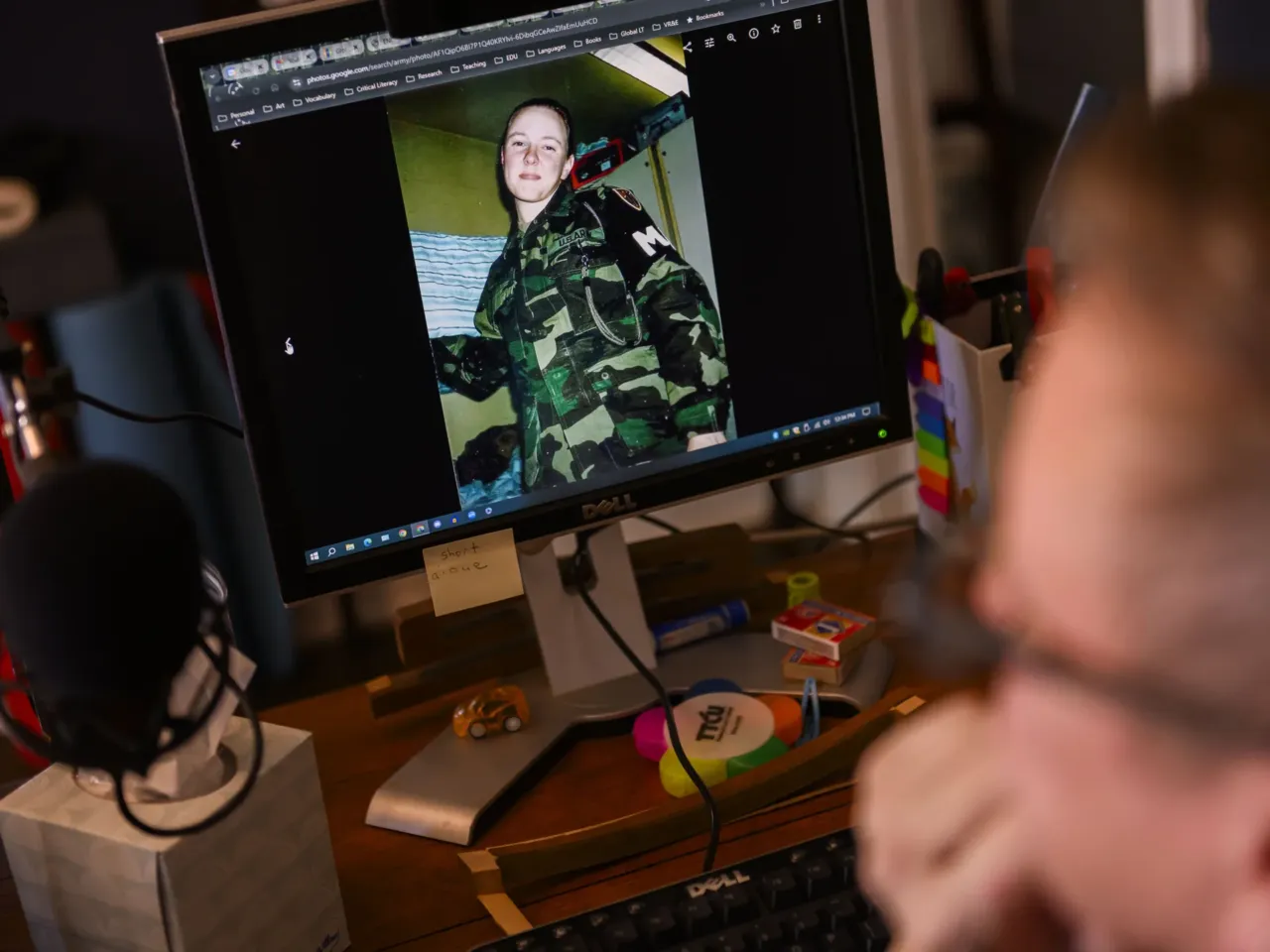
Natalie Donaldson served as a military police officer in the Army. Like millions of other veterans she bought a home using a VA home loan which is backed by the Department of Veterans Affairs. A debacle within the VA left thousands of vets like her in danger of losing their homes after the COVID pandemic hit.
Natalie Donaldson served as a military police officer in the Army. Like millions of other veterans she bought a home using a VA home loan which is backed by the Department of Veterans Affairs. A debacle within the VA left thousands of vets like her in danger of losing their homes after the COVID pandemic hit. Michael Noble Jr. / for NPR
When they started the forbearance, many vets were told that when they were ready to start paying again, their missed payments would be moved to the back of their loan term. That would enable them to just resume making their original monthly mortgage payment, and the missed payments would get paid back down the road.

But that’s not how it worked out for many veterans.

When Donaldson was ready to start paying her loan again, her mortgage company told her she only had two options — both of them bad.

The first option, Donaldson was told, was to pay back all the missed payments right away in a lump sum of more than $15,000, which she didn’t have. The other option was a loan modification. But mortgage rates had doubled, so the loan representative told Donaldson this new modified loan would have a much higher interest rate and monthly payment.

“I’m telling her it’s not sustainable. I can’t do this,” Donaldson said. “I don’t know what to do.”

How the VA stranded vets 


The reason Donaldson and thousands of other vets were put in this position is that in October of 2022, the VA suddenly shut down a key part of its mortgage forbearance program — the part that enabled homeowners to move their missed payments to the back of their loan term. Interest rates had just risen more sharply than they had in 40 years. And so without that option, there was no affordable choice left for veterans. They were stuck.

Donaldson’s mortgage company gave her a deadline to accept a loan modification. Her interest rate would rise from 3.25% to 6.75%, pushing her monthly payments up by nearly $500 a month, on a school teacher’s salary.

“Finally the date has come and gone and they’re calling me, they’re calling me every day,” said Donaldson. “I’m on the phone with the girl… and she said, ‘You have to sign it, you know you have to, otherwise we’re gonna foreclose on your home.'”
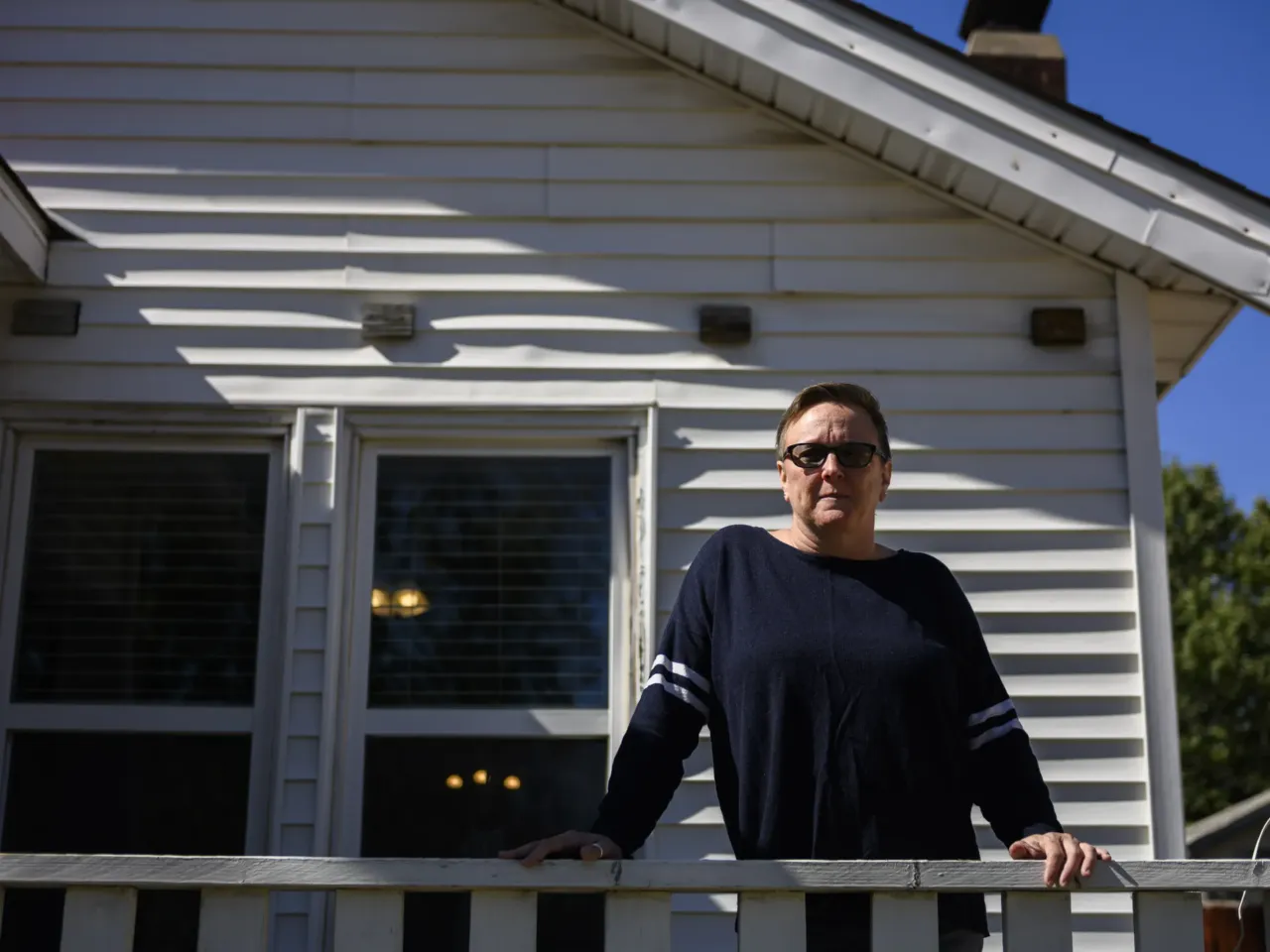
Natalie Donaldson at her home in Tulsa, Okla. Donaldson has been forced to work multiple jobs to scrape together enough money to pay her mortgage after a blunder within the VA stranded thousands of vets' home loans with much higher monthly payments.
Natalie Donaldson at her home in Tulsa, Okla. Donaldson has been forced to work multiple jobs to scrape together enough money to pay her mortgage after a blunder within the VA stranded thousands of vets’ home loans with much higher monthly payments. Michael Noble Jr. / for NPR
Donaldson didn’t want to lose her house. So she took that really bad deal and scrambled to find any extra work she could take on, in addition to her full-time job.

“Tuesday, I was doing one after-school program, Thursday I was doing one after-school program, and Wednesday, I was doing another one,” Donaldson said. “And so I’m just doing all this stuff so that I can make all this money so I can try to pay my house payment.”

Donaldson said the burden of making the extra money has been relentless.

“I just went to work, I came home, I kind of shut down,” she said. “I just said, ‘I can’t, I can’t do this anymore.’ ”

But she is still somehow making those payments. And, Ironically, that’s what’s hurting her. If she’d thrown up her hands and hadn’t even tried to pay this more expensive mortgage, Donaldson would likely be OK right now.

That’s because when NPR first reported on this problem within the VA last year, the story revealed that thousands of veterans were on the verge of foreclosure. In response, a group of powerful U.S. senators fired off a letter to the VA which quickly halted foreclosures across the country while it rolled out a rescue plan.
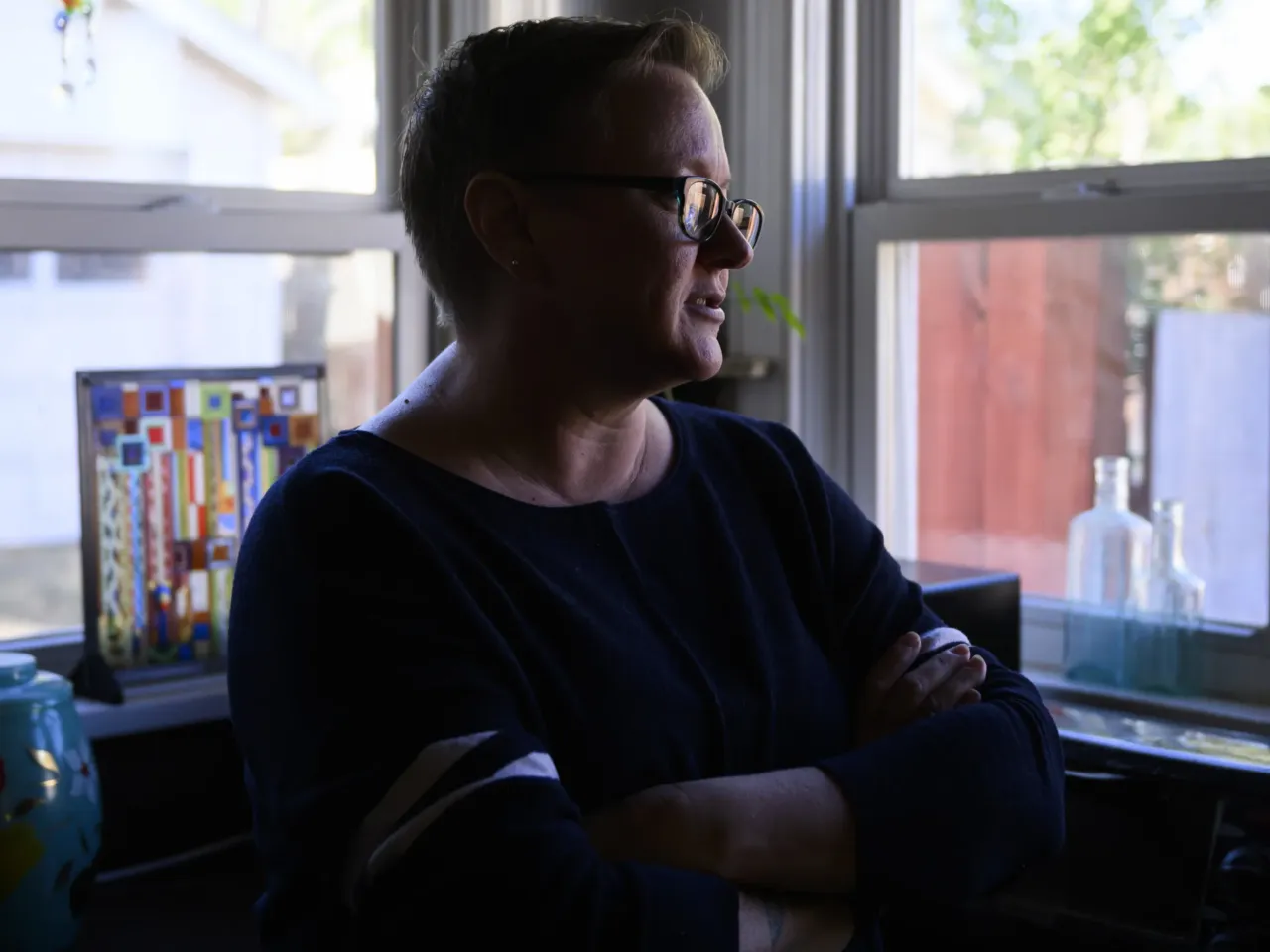
Natalie Donaldson is among at least 1,300 military veterans that saw their mortgage payments increase by more than 50 percent after a COVID forbearance, according to an NPR analysis of VA home loan data. That is not how mortgage forbearance programs are supposed to work
Natalie Donaldson is among at least 1,300 military veterans that saw their mortgage payments increase by more than 50 percent after a COVID forbearance, according to an NPR analysis of VA home loan data. That is not how mortgage forbearance programs are supposed to work Michael Noble Jr. / for NPR
The VA is just now rolling out that plan. It will offer vets who were left facing foreclosure a new loan – with affordable payments at a low 2.5 percent interest rate. That should help tens of thousands of veterans.

But it’s not helping Donaldson.

The VA’s rescue program, with these new affordable loans, is only for people who never accepted a loan modification like Donaldson got.

“All these other people, it’s fixed for them and I’m so happy for them,” Donaldson said. “But I want, I need that for myself too.

“I want some semblance of what my life was before I did this.”

Other vets have told NPR the same thing. They were offered a lifeline with this forbearance, but because of the VA’s missteps, they got stuck with a much higher-cost modified mortgage that they can’t afford.

Loading…

And under the current rules of the VA’s program, these veterans are not eligible for the VA’s rescue plan and a lower-cost loan.

What’s more, the fine print of the VA’s rescue plan explains that many vets who took on one of these higher cost loan modifications and then fell behind because they couldn’t afford it – they, too, are excluded from the rescue plan.

In a statement to NPR, a VA spokesman said the agency “does not have the authority” to include veterans like Donaldson in its new program, known as the Veterans Affairs Servicing Purchase program, or VASP.

Steve Sharpe, an attorney and mortgage policy expert at the National Consumer Law Center, said he’s skeptical of that claim by the VA.

“The VA probably does have the authority,” Sharpe said. “It should be able to find a way to help these borrowers.”

Copyright 2025 NPR
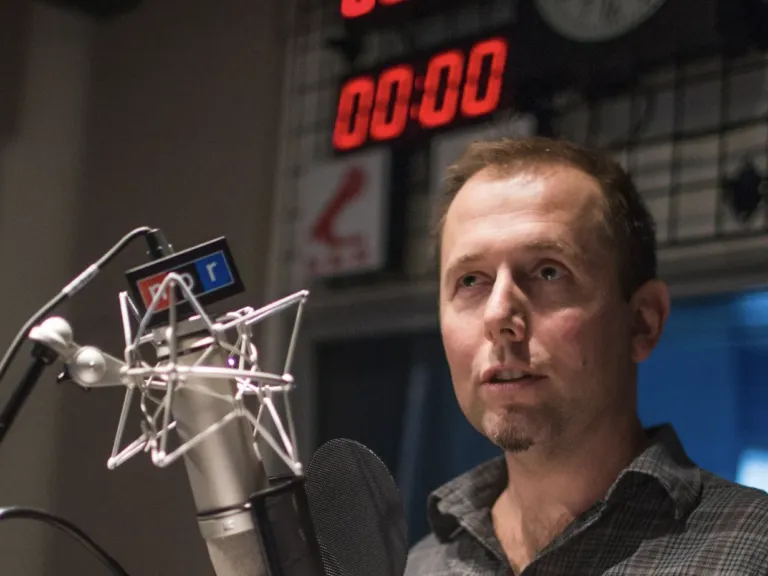


NPR correspondent Chris Arnold is based in Boston. His reports are heard regularly on NPR's award-winning newsmagazines Morning Edition, All Things Considered and Weekend Edition. He joined NPR in 1996 and was based in San Francisco before moving to Boston in 2001.

Arnold's reporting often focuses on consumer financial protection issues. Most recently he has been working with the investigations team at NPR.

During the pandemic, Arnold reported on renters facing eviction and homeowners at risk of foreclosure. His investigative stories showed how mortgage companies, in violation of federal rules, were misleading homeowners who'd lost their jobs in the shut-downs, demanding outrageous balloon payments if they skipped mortgage payments and scaring them away from help that Congress wanted them to have under the CARES Act.

Stories Arnold reported on mobile home parks showed how corporate owners of the parks were evicting lower income residents, even though they qualified for and were awaiting federal pandemic rental assistance.

Arnold was honored with a 2017 George Foster Peabody Award for his coverage of the Wells Fargo banking scandal. His stories sparked a Senate inquiry into the bank's treatment of employees who tried to blow the whistle on the wrongdoing. Arnold also won the National Association of Consumer Advocates Award for Investigative Journalism for a series of stories he reported with ProPublica that exposed improper debt collection practices by non-profit hospitals who were suing thousands of their low-income patients.

His series of stories "The Trouble with TEACH Grants," that he reported from 2018 - 2020 with NPR's Cory Turner, exposed a debacle at the U.S. Department of Education through which public school teachers had grants unfairly converted into large student loan debts — some upwards of $20,000. As a result of the stories, members of Congress demanded reforms and the Education Department overhauled the program and is now giving thousands of teachers their grant money back and erasing their debts.

In addition to reporting for NPR's main radio programs, Arnold was on the creative team that started NPR's Life Kit podcast. He has hosted many of its personal finance episodes which offer listeners actionable tips backed up by behavioral economics research on the best ways to save money, invest for the future and a range of other topics.

Arnold previously served as the lead reporter for the NPR series "Your Money and Your Life," which explored personal finance issues. As part of that, he reported on the problem of Wall Street firms charging excessive fees in retirement accounts — fees that siphon billions of dollars annually from Americans trying to save for the future. For this series, Arnold won the 2016 Gerald Loeb Award, which honors work that informs and protects the private investor and the general public.

Following the 2008 financial crisis and collapse of the housing market, Arnold reported on problems within the nation's largest banks that led to the banks improperly foreclosing on thousands of American homeowners. For this work, Arnold earned a 2011 Edward R. Murrow Award for the special series, "The Foreclosure Nightmare." He's also been honored with the Newspaper Guild's 2009 Heywood Broun Award for broadcast journalism. He was also a finalist for the Scripps Howard Foundation's National Journalism Award.

Arnold was chosen for a Nieman Journalism Fellowship at Harvard University during the 2012-2013 academic year. He joined a small group of other journalists from the U.S. and abroad and studied economics, leadership, and the future of journalism in the digital age. Arnold also taught Radio Journalism as a Lecturer at Yale University for 4 years prior to the pandemic.

Over his career at NPR, Arnold has covered a range of other subjects — from Katrina recovery in New Orleans and the Gulf Coast, to immigrant workers in the fishing industry, to a new kind of table saw that won't cut your fingers off. He traveled to Turin, Italy, for NPR's coverage of the 2006 Winter Olympics. He has also followed the dramatic rise in the numbers of teenagers abusing the powerful and highly addictive painkiller Oxycontin.

In the days and months following the Sept. 11 attacks, Arnold reported from New York and contributed to the NPR coverage that won the Overseas Press Club and the George Foster Peabody Awards. He chronicled the recovery effort at Ground Zero, focusing on members of the Port Authority Police department as they struggled with the deaths of 37 officers — the greatest loss of any police department in U.S. history.

Prior to his move to Boston, Arnold traveled the country for NPR doing feature stories on entrepreneurship. His pieces covered technologists, farmers, and family business owners. He also reported on efforts to kindle entrepreneurship in economically disadvantaged areas ranging from inner-city Los Angeles to the Pine Ridge Indian reservation in South Dakota.

Arnold has worked in public radio since 1993. Before joining NPR, he was a freelance reporter working out of San Francisco's NPR Member Station, KQED.

Related Stories