
Have a question you want to ask Dear Life Kit anonymously? Share it here. For our next episode, we’re looking for your queries on doubt and making decisions in relationships.
Dear Life Kit is NPR’s advice column, where experts answer tricky questions about relationships, social etiquette, work culture and more.
These questions were answered by friendship coach Danielle Bayard Jackson and psychologist Marisa Franco. The conversation has been edited for length and clarity.
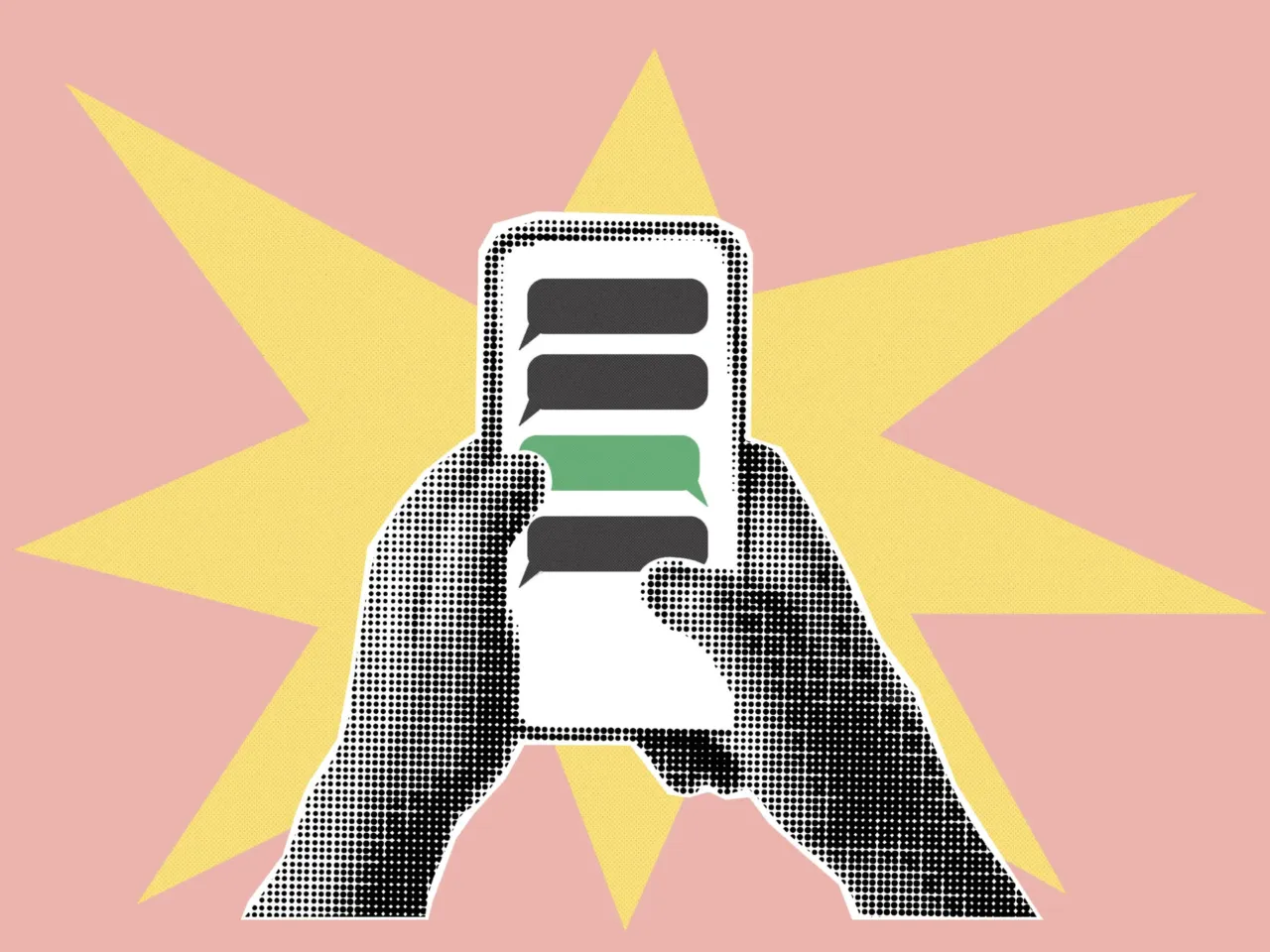
Dear Life Kit, I made friends with a neighbor about a year ago. We became instant friends and have a lot in common. However, she texts me nonstop — starting with a “good morning” text, then constant messages about every detail of her day, and ending with a “good night” text. Sometimes I don’t respond, but it doesn’t deter her. I want to be this person’s friend, but I wish we could just catch up in person. She’s very sensitive, and I know saying something will hurt her feelings. I don’t want to end the friendship, but she’s driving me away. What should I do? —Unsubscribe

Bayard Jackson: Let your friend know you’re not going to text back as much, and how the texting makes you feel.
Maybe tell them, “Sorry if I’m not responding as much as you’d like. I actually prefer getting together in person. When I get messages throughout the day, it makes me anxious.”
Hopefully, they can pick up the subtext, which is: “Girl, I’m gonna need you to stop blowing up my phone.”
I know if I was blowing up someone’s phone, I would want that information. The last thing I want is to make anybody in my life feel overwhelmed and stressed.
Franco: You’re afraid the friendship is going to end if you bring up this issue, but you guarantee it will end if you don’t bring up the issue. So at least give it a chance.
Sometimes you have to do what feels cruel to be kind. It will hurt her feelings a lot more if you end the friendship without giving her a chance to repair it.
Bayard Jackson: Remind yourself what values you have in friendship. Honesty? Openness? Space for both people to have their needs met? This is that in practice.
Meanwhile, this is an opportunity for your friend to say, “OK, I feel a little embarrassed, but I hear you. Say less. You’re safe with me.”
Franco: Some people think our phone reflects who a person is. Some people don’t.
You may be neglecting your friend over the phone, but in person, maybe your friend gets your full attention. This is just a difference you’ll have to navigate going forward.
The podcast episode was produced by Andee Tagle. The digital story was edited by Malaka Gharib. The visual editor is Beck Harlan. We’d love to hear from you. Leave us a voicemail at 202-216-9823, or email us at [email protected].
Listen to Life Kit on Apple Podcasts and Spotify, and sign up for our newsletter. Follow us on Instagram: @nprlifekit.
Copyright 2025 NPR