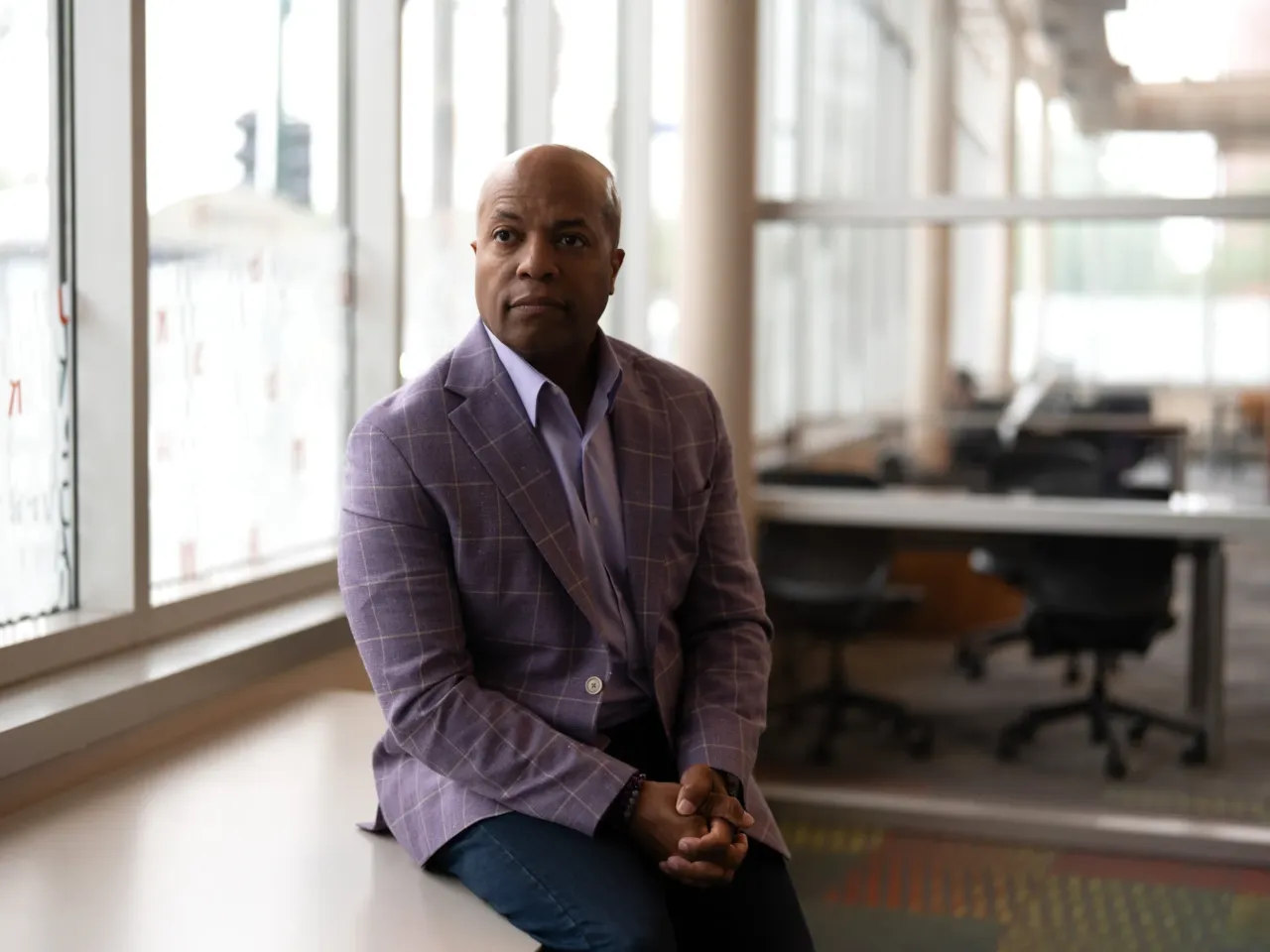
Medaria Arradondo was in his third year serving as chief of police in Minneapolis – the city’s first Black chief – when one of his officers killed George Floyd by kneeling on his neck for more than 9 minutes.
The killing ignited a wave of protests all over the country and in many parts of the world, some of which caused hundreds of millions of dollars in property damage in the Twin Cities alone.
Five years later, Arradondo has published a book, Chief Rondo: Securing Justice for the Murder of George Floyd, in which he recounts and reflects on Floyd’s death and the 2020 protests.
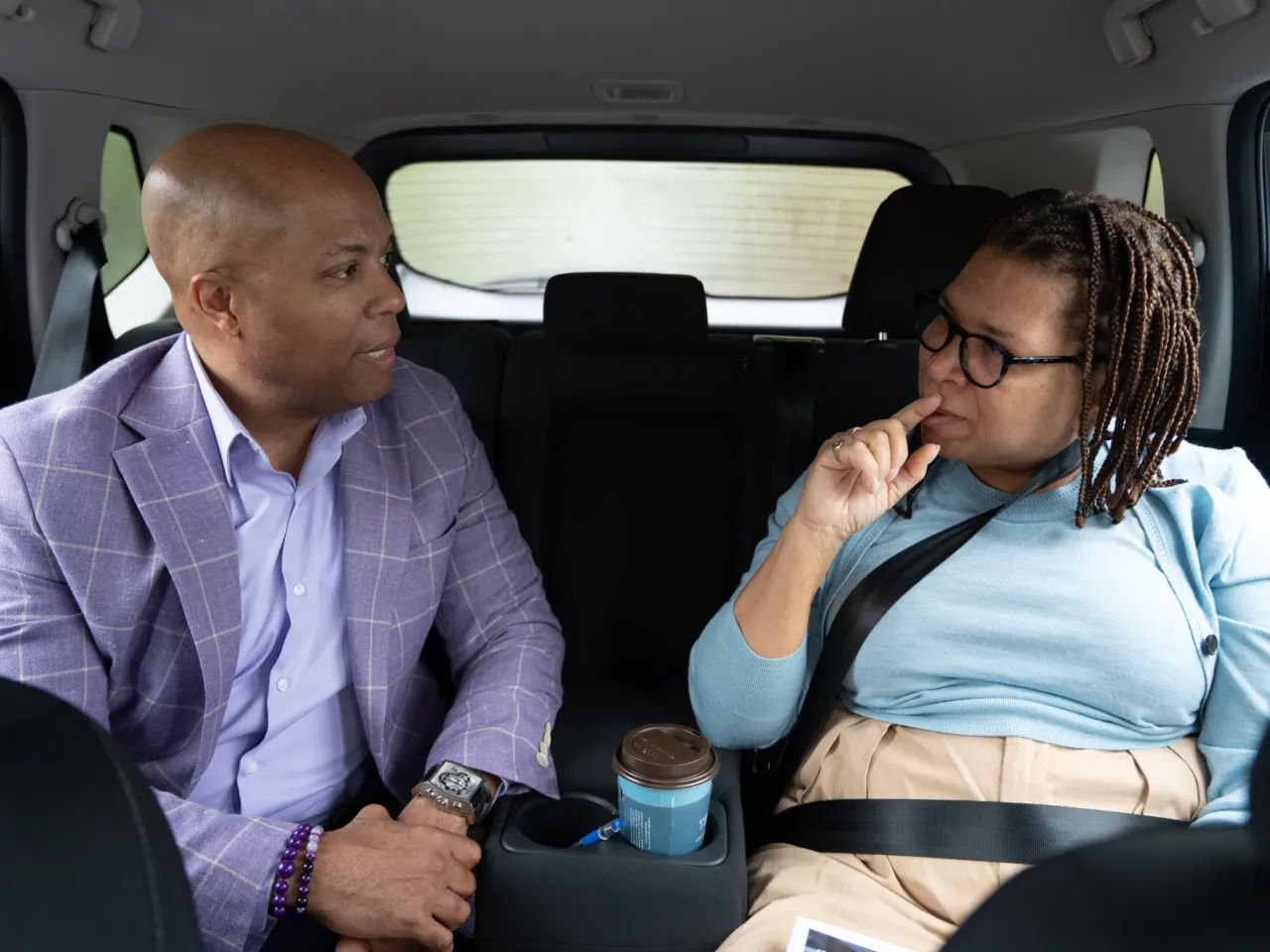
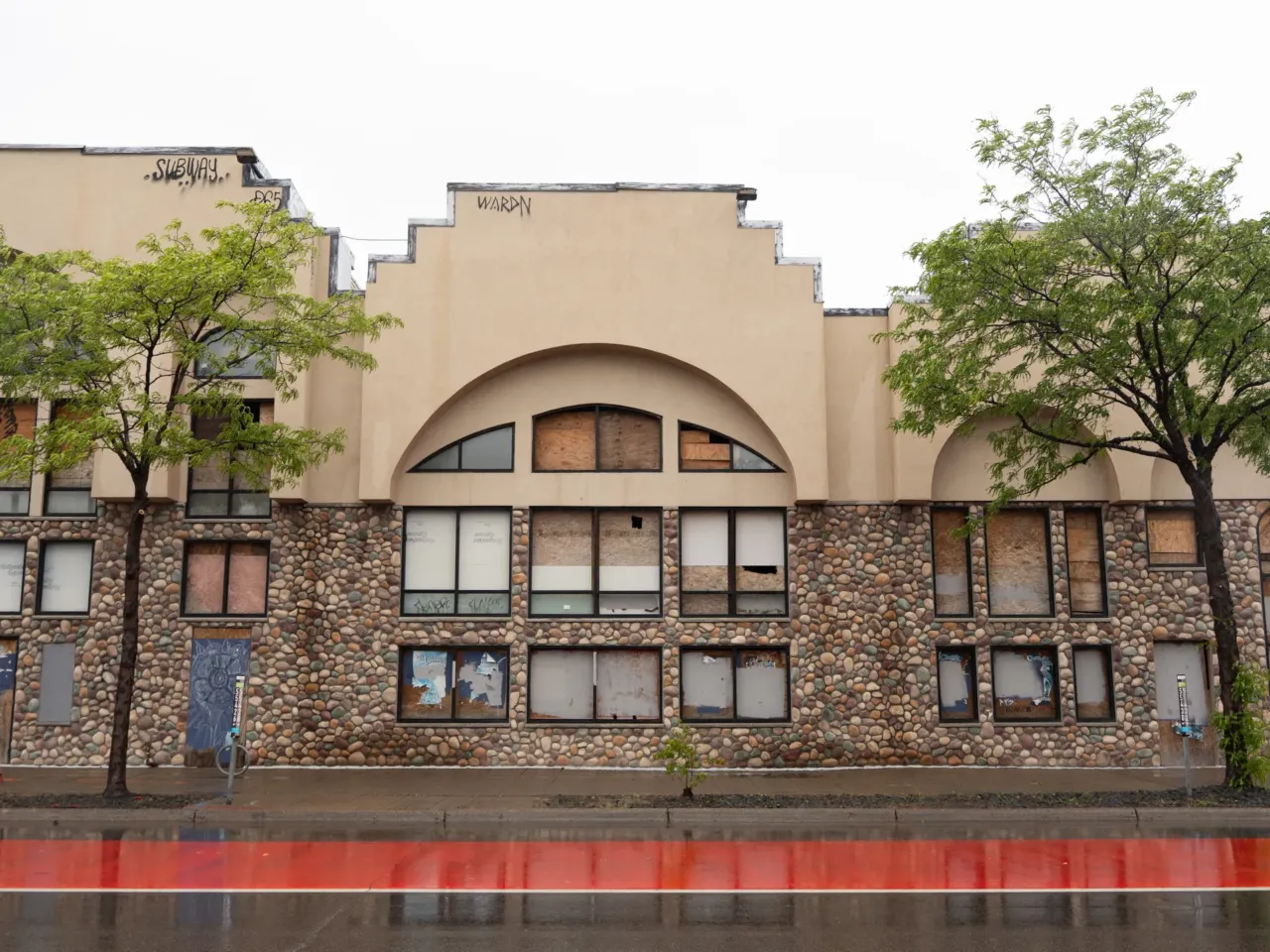
On a cold, rainy morning, just a few days before the May 25 anniversary of Floyd’s death, Arradondo met NPR’s Michel Martin in south Minneapolis, on Lake Street, near what was Minneapolis’s third police precinct. The building, where Derek Chauvin and three other former officers convicted in connection with Floyd’s murder were assigned, was overrun and damaged when rage boiled over into violence.
Like the third precinct, currently being rebuilt as a new city center, nearby buildings present boarded up windows and scorch marks. Among the businesses that survived or were rebuilt, empty grass and asphalt lots sit idle.
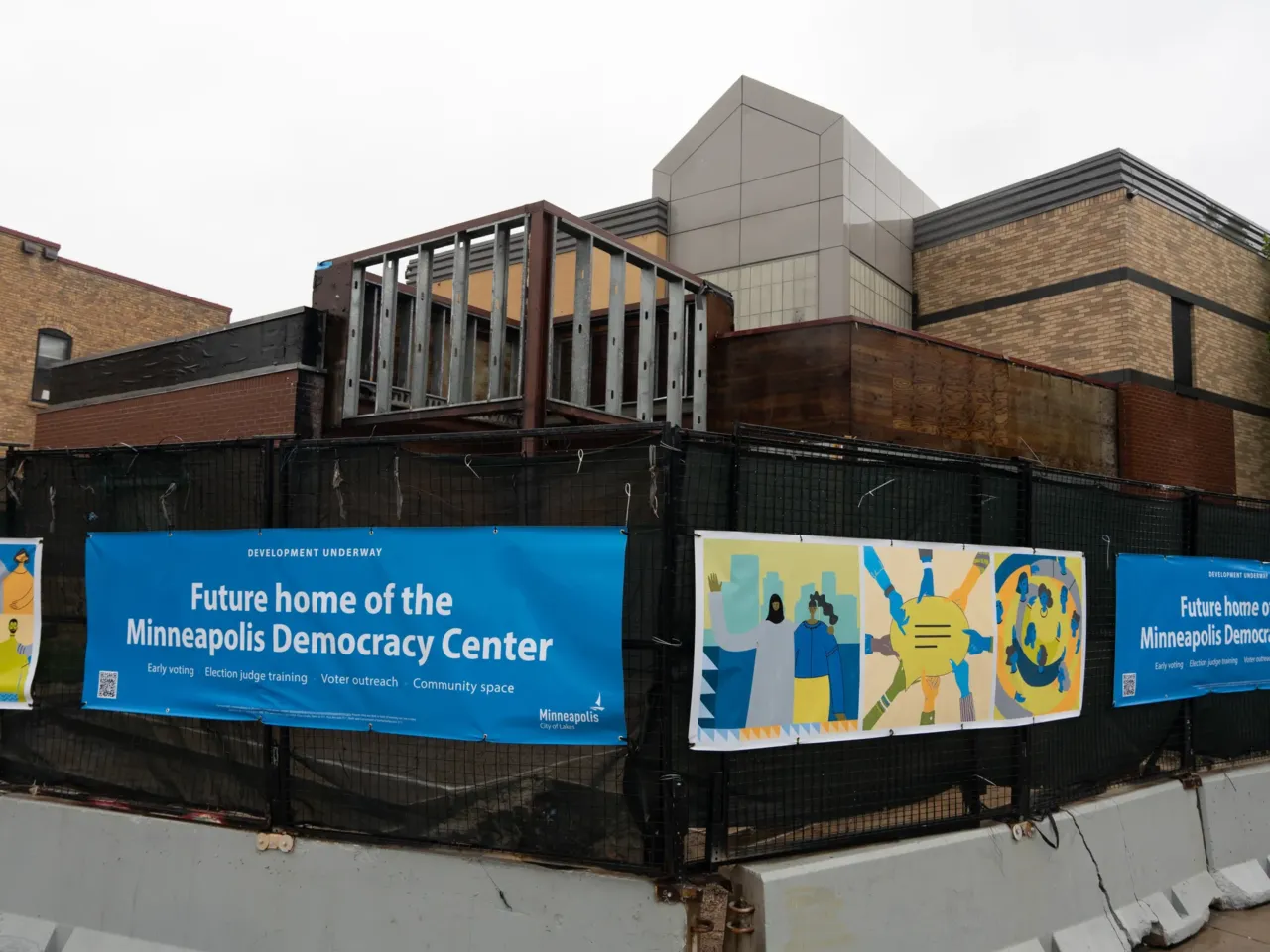
It was here, Arradondo said, that thousands of people massed to protest police brutality – even beyond Floyd’s murder.
It was also on this same street, he recounted as he walked with Martin, that he responded to an assault on the building by making the call to evacuate the building of officers and staff, acknowledging that he felt he could not keep the city safe.
The following conversation has been lightly edited for clarity.
Michel Martin: A pivotal moment in the book and in your life that took place here. And this is where you made the decision. You basically told the mayor that you had made the decision to withdraw. Can you take us back to that and tell us what went into that decision?
Medaria Arradondo: This place, the third precinct, became the focal point for both peaceful demonstrations and people who were angry. And I knew that we were facing something that we had never faced before. The crowds are just becoming massive in the thousands along Lake Street here. The Target to the right that was looted and employees were barricading themselves in there. The AutoZone, which has been rebuilt, that went up in flames. There was a Minnehaha Liquor store right across from the front of the precinct that was looted. And folks are standing on top of the building. They’re throwing Molotov cocktails. And we had a small contingency of officers inside. And I’m hearing their radio, intermittent radio transmissions, Michel. And over the radio, [I hear], “They’re breaching, they’re breaching, they’re coming in.”
Martin: The point came when you had to call the mayor and say…
Arradondo: “As your chief, I can no longer keep our city safe.” And that wasn’t the only place where things were occurring. It’s happening all over the city. And so I made the call to the mayor and I said, “I can no longer, as your chief, keep this city safe.” We need the National Guard in here ASAP. And if you could reach back out to Governor Tim Walz to get them to deploy.
Martin: I think some people look back on this now and think the police shouldn’t have withdrawn, that they allowed sort of chaos to reign. What are they missing from your perspective?
Arradondo: There is a bronze plaque in the office lobby in downtown city hall and the chief’s office. And that bronze plaque has about 48 names on that plaque. And those are all officers who have been killed in the line of duty since the inception of this department. I was fortunate, Michel, that I did not have to ever add a name to that. And I will tell you, if those officers would have been directed to hold that precinct at all costs, there would’ve been funerals, there would have been officers funerals, and there would have been civilian funerals.
Martin: So from your perspective, property was lost, but lives were saved?
Arrandondo: Absolutely.
Martin: And that’s your North Star?
Arradondo: That’s my North Star. And that became my number one goal. There was no playbook, Michel, for this in the country. When you’re leading in crisis, and you have to literally make life or death decisions, I will always lean towards life.
Martin: How do you feel about that moment now, five years later?
Arradondo: Five years later, to get those officers out of this building? Yeah, it was the right decision.
Martin: And how do you feel about what transpired? Because now we still see there are vacant lots. We see a lot of businesses that were destroyed that never came back. People’s livelihoods were destroyed. A lot of people’s personal effects. How do you feel about it now?
Arradondo: When I look back on it, I don’t believe all of that pain and anger was just about Mr. Floyd’s murder. I believe it was generations of people who had either dealt with trauma, who had experienced bad things by Minneapolis police or policing in general in our country. And so I think it ignited that flame. And it’s going to take a while for this city to get back. But the worst thing we can do is dismiss this as some sort of anomaly. That is the worst thing we can do. And so I hope we learn from this.
Martin: Your book is very interesting. You ended with a letter to George Floyd’s daughter. Why did you end it this way?
Arradondo: I ended the story because I don’t think that I can tell that story without acknowledging Gianna. Although I’ve never had an opportunity, Michel, to meet her, to tell her I’m sorry. I needed to let her know that while I wasn’t there at the scene when her dad was taken from her, I hurt him. And I want her to know that there is hope in the world.
Martin: Do you want to read a little bit of it for me?
Arradondo: “Gianna, I believe adults everywhere have an obligation to all our children to never remain silent when we witness harm against humanity. To remain silent means we are complicit. So we must act. Gianna, I promise you that I will do all I can during the time I’m given to make this world a better place for you. With love and a promise, Chief Rondo.”
This digital article was adapted for the web by Obed Manuel and edited by Treye Green.
Copyright 2025 NPR