Copyright © 2026 VPM, all rights reserved.
PBS is a 501(c)(3) not-for-profit organization.
VPM News Morning Edition
NEXT UP: 9:00 AM

Thanks to our sponsors – Become a Sponsor

10 years after the deadly church shooting, a new history of ‘Mother Emanuel’

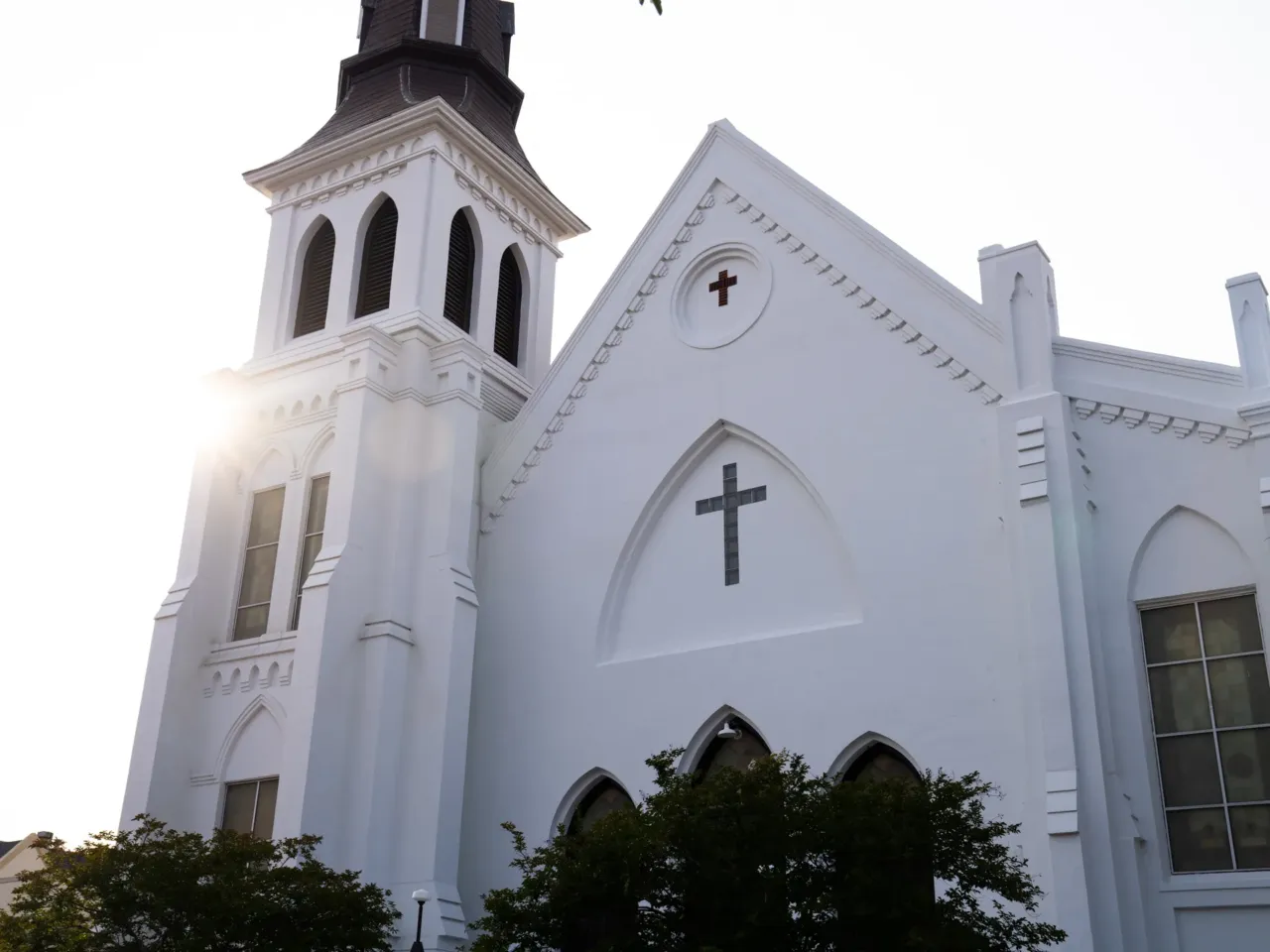
Mother Emanuel African Methodist Episcopal Church in Charleston, SC on June 2, 2025.
Catie Dull / NPR
Mother Emanuel African Methodist Episcopal Church in Charleston, SC on June 2, 2025.

CHARLESTON, South Carolina — June 17 marks 10 years since a deadly mass shooting at Mother Emanuel African Methodist Episcopal Church shocked the nation. A white supremacist, intent on starting a race war, opened fire during Wednesday night Bible study, killing nine Black worshippers as they bowed their heads in prayer.

“I was here the night when it happened, but I left before he came in and did the damage,” says longtime church member Theodora Watson.

“I still don’t forgive him because you took something out of us and out of this church,” she says of the shooter Dylann Roof, now on federal death row for the murders.
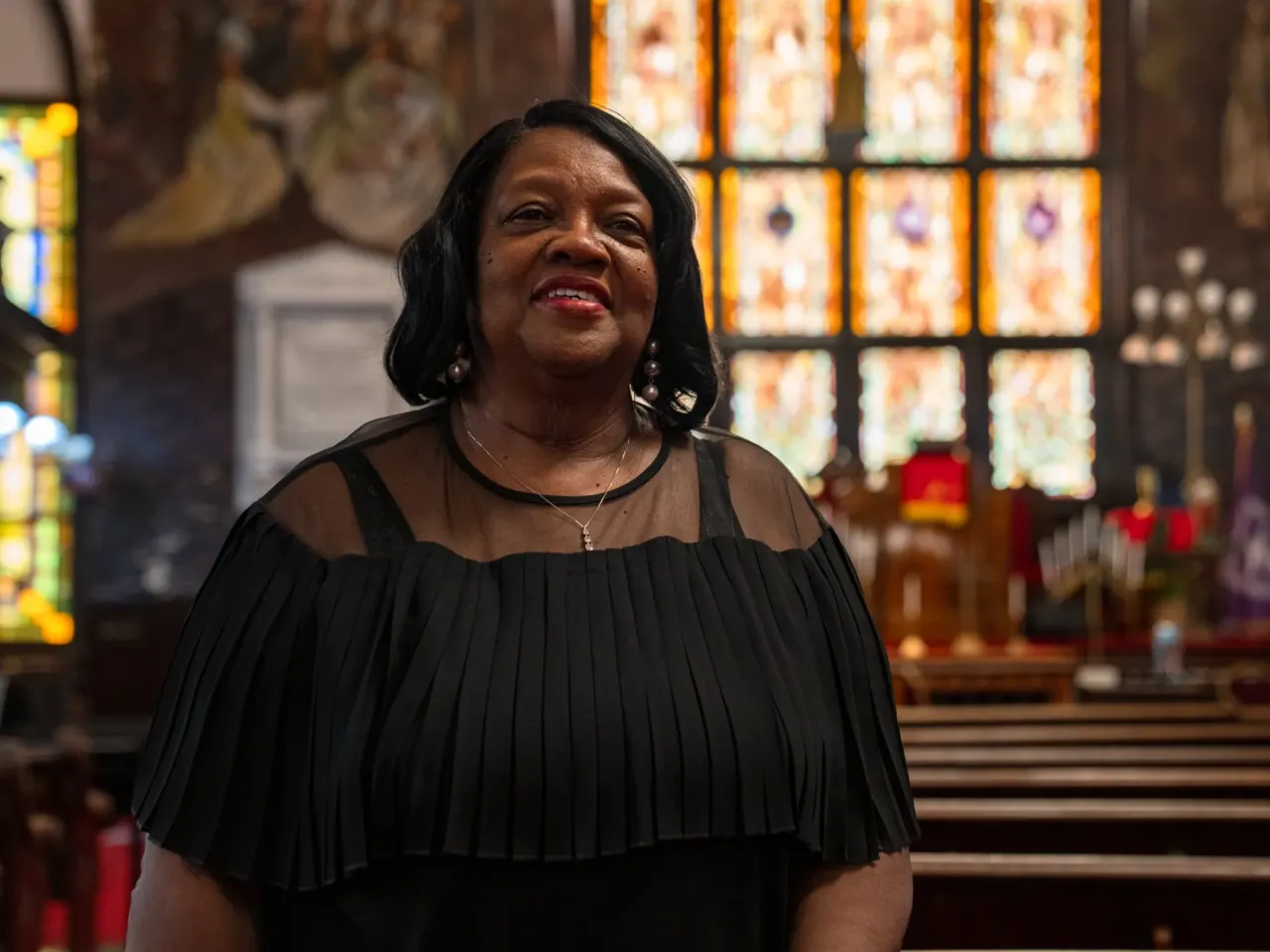
Church member Theodora Watson at Emanuel African Methodist Episcopal Church on June 2, 2025.
Church member Theodora Watson at Emanuel African Methodist Episcopal Church on June 2, 2025. Catie Dull / NPR

Twice a day, the church bells toll nine times, one for each of the Black worshippers killed, now memorialized as the Emanuel 9. They are the Rev. Clementa Pinckney, Cynthia Graham Hurd, Susie Jackson, Ethel Lee Lance, Depayne Middleton-Doctor, Tywanza Sanders, Daniel Simmons, Sharonda Coleman-Singleton and Myra Thompson. Five others survived — Polly Sheppard, Tywanza’s mother Felicia Sanders and her granddaughter, and the pastor’s wife, Jennifer Pinckney and one of their daughters.

“The church was violated,” says Melvin Graham, brother of Cynthia Hurd. “The family was violated, the community was violated.”

Even a decade later, the memories are fresh for the parishioners here, and it’s hard for them to welcome strangers as their faith demands.
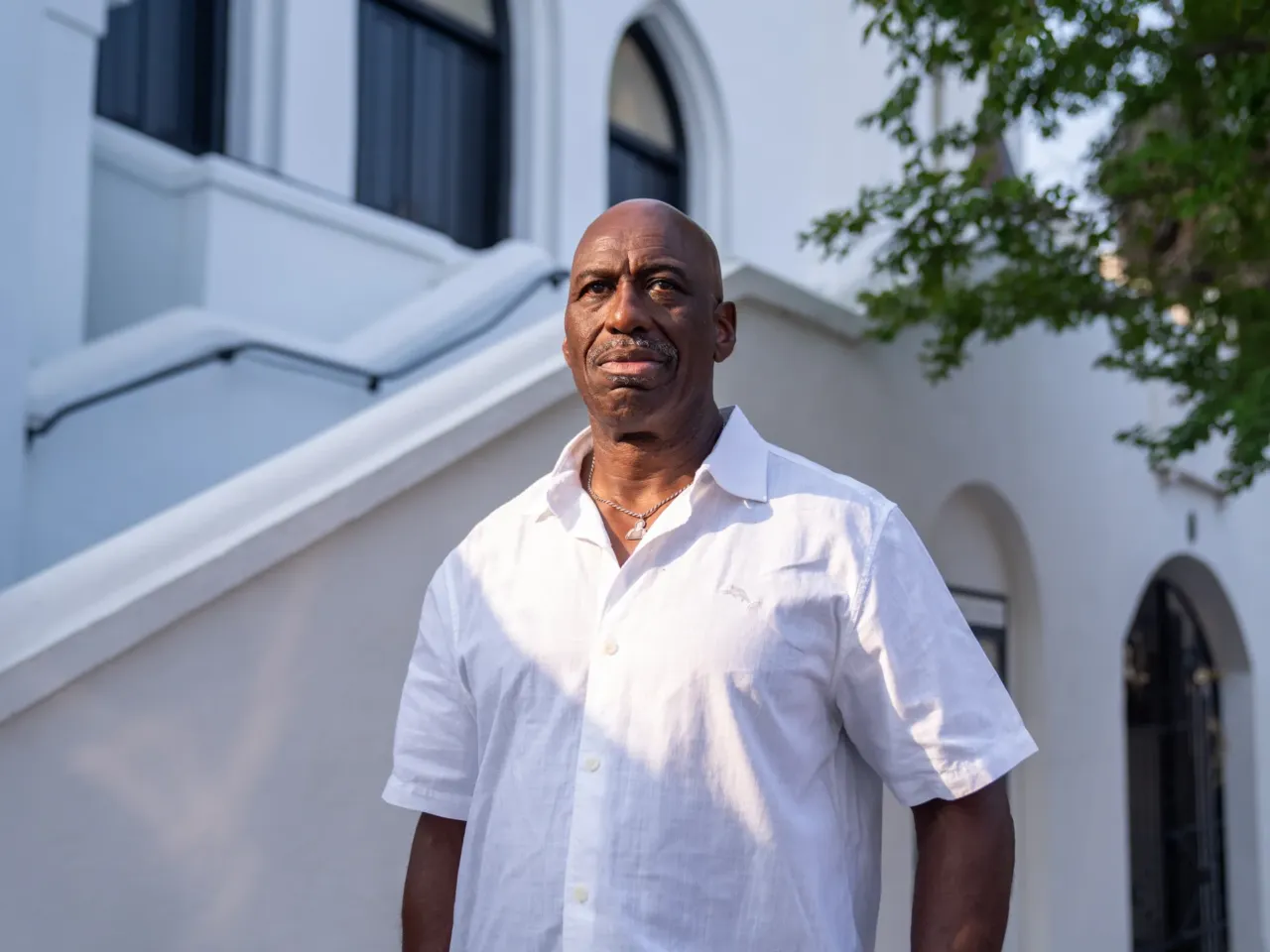
Melvin Graham, Jr., brother of Cynthia Graham Hurd, one of the nine Black worshippers killed at Emanuel AME. He wears a charm with Cynthia's image on his necklace. "When she was executed, I made a promise to be her voice," he says.
Melvin Graham, Jr., brother of Cynthia Graham Hurd, one of the nine Black worshippers killed at Emanuel AME. He wears a charm with Cynthia’s image on his necklace. “When she was executed, I made a promise to be her voice,” he says. Catie Dull / NPR

“I try to help people understand that we as the church still experience trauma,” says the current pastor, the Rev. Eric Manning. “Every day I come into what was a crime scene. The space where people lost their lives.”

Reporter Kevin Sack’s new book frames the tragedy by looking at the historical legacy of the oldest Black congregation in the South, known affectionately as “Mother Emanuel” for its role is establishing the AME faith.

“As I was covering the aftermath for The New York Times, I just got fascinated by the incredibly rich history of this place,” Sack told NPR.

Titled Mother Emanuel: Two Centuries of Race, Resistance, and Forgiveness in One Charleston Church, Sack’s new book tells the story of how Mother Emanuel has been at the forefront of the struggle for racial justice since it was founded in an “act of bold subversion” by enslaved and free African-Americans in the 1800s.

The Rev. Manning says healing can only come if the congregation leans into that tradition.
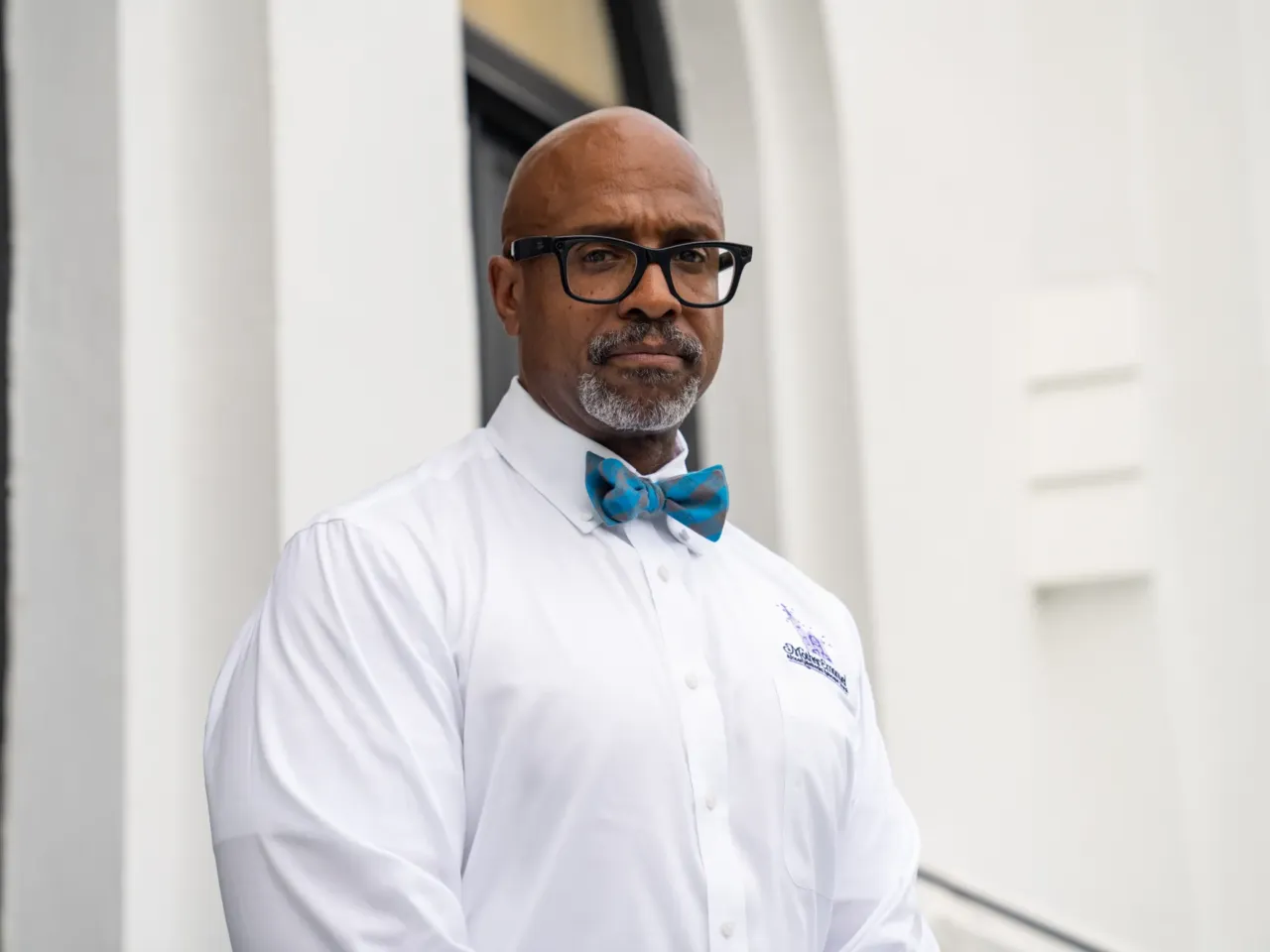
The Rev. Eric Manning says Mother Emanuel's legacy is to be "a light in the pathway of darkness."
The Rev. Eric Manning says Mother Emanuel’s legacy is to be “a light in the pathway of darkness.” Catie Dull / NPR

“We need to be intentional to make sure that we are carrying a message of hope, of resilience and of restoration,” Manning says.

Those themes — hope, resilience, and restoration — are woven throughout Kevin Sack’s biography of Mother Emanuel AME, as he told NPR’s Debbie Elliott during a recent interview from the polished pews of the historic sanctuary.
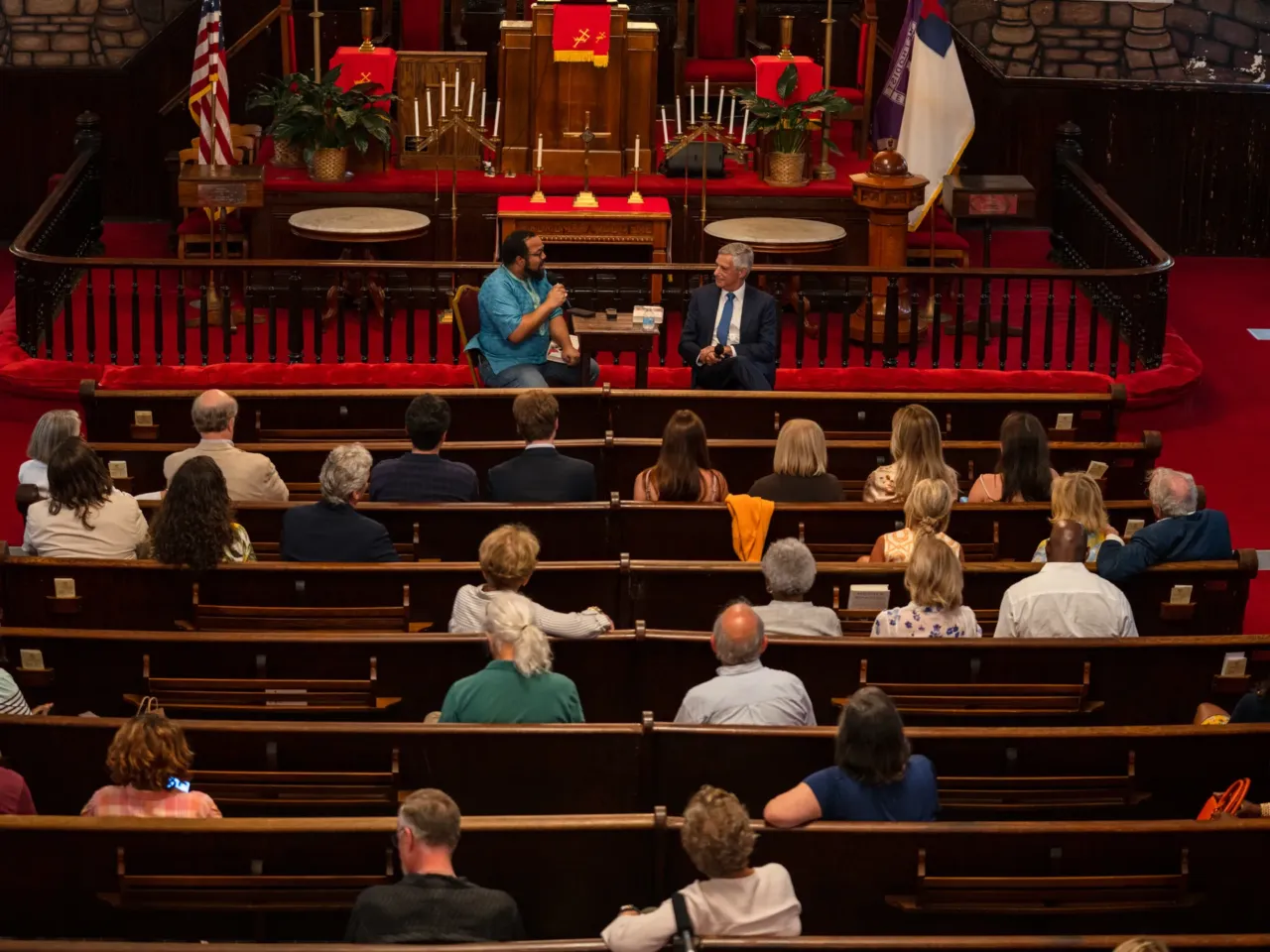
Author Kevin Sack (R) is interviewed at a book release event at Emanuel AME Church in Charleston, SC on June 2, 2025.
Author Kevin Sack (R) is interviewed at a book release event at Emanuel AME Church in Charleston, SC on June 2, 2025. Catie Dull / NPR

The following exchange has been lightly edited for length and clarity.

Interview Highlights

Debbie Elliott: This is not just the story of that tragic moment and that heinous crime. How would you describe what you were trying to do with this book?

Kevin Sack: I was deeply affected by what happened here that night. It started to occur to me that there was a way to use the church as a vehicle to tell a much broader, larger story of African-American life in Charleston over a two century period. The property on which this building was constructed dates back to about 1865. But there was a predecessor congregation, only known as the African Church, that dates all the way back to 1818. And it was created during enslavement in an act of bold subversion. Free and enslaved Black Methodists withdrew from white controlled Methodist churches in this city and decided to create an autonomous congregation that we can control ourselves and where we can worship in the way that we wish.

Elliott: So it had symbolism that Dylann Roof chose this church?
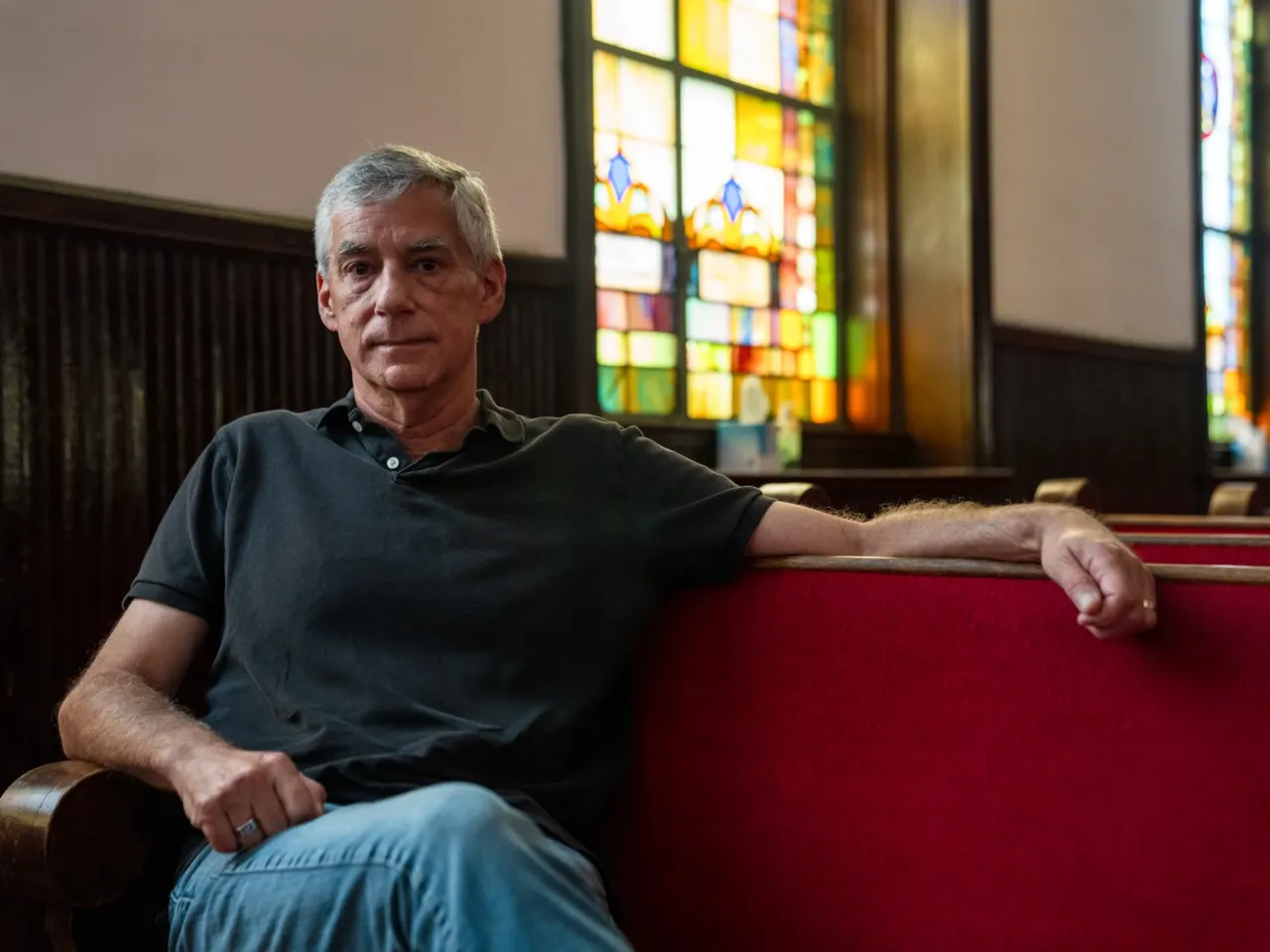
Reporter Kevin Sack says he was moved to write "Mother Emanuel: Two Centuries of Race, Resistance, and Forgiveness in One Charleston Church," after covering the aftermath of the deadly racist attack on the church ten years ago.
Reporter Kevin Sack says he was moved to write “Mother Emanuel: Two Centuries of Race, Resistance, and Forgiveness in One Charleston Church,” after covering the aftermath of the deadly racist attack on the church ten years ago. Catie Dull / NPR

Sack: I don’t know that he knew it, but it had incredible symbolism. It’s the oldest African Methodist Episcopal Church in the South, one of the oldest Black congregations of any kind in the South. The church had a significant role in sort of every major era or movement that we document as part of the Black liberation struggle in this country, starting with the resistance to slavery. There was a slave revolt that was plotted in Charleston, known as the Denmark Vesey Conspiracy. The people who have spoken from this pulpit are remarkable. Booker T Washington spoke here in 1909. W.E.B. Dubois spoke from this pulpit in 1921. Dr. Martin Luther King, Jr. in 1962. His widow came back in 1969, the year after his assassination, to lead a hospital workers strike. Throughout its history, the church has been a bulwark of protest against oppression and discrimination.

Elliott: This church has produced a lot of politicians over the decades, including the pastor who was killed on June 17th.

Sack: That’s right. Clementa Pinckney, who was the pastor at the time of the shootings, was an incredible prodigy. He was the youngest African American ever elected to the state legislature. He was serving his fourth term in the state Senate. At the time of the shootings, he was considered to be a guy with limitless possibilities for the future. The tragedy of his life being cut so short follows this pattern that we see right in the Civil Rights Movement of dynamic young leaders being cut down way before their time.
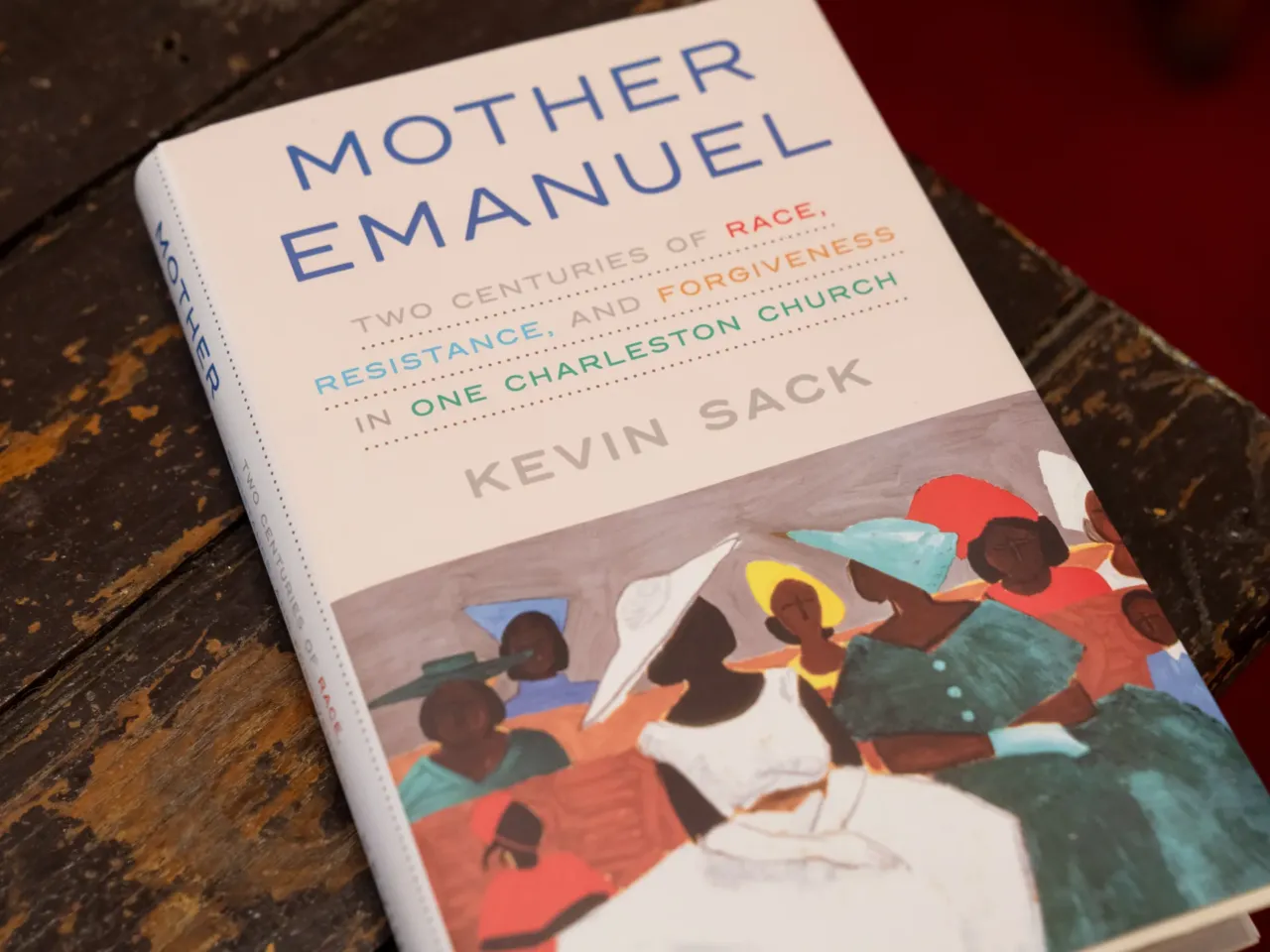
Kevin Sack's new book is "Mother Emanuel: Two Centuries of Race, Resistance, and Forgiveness in One Charleston Church."
Kevin Sack’s new book is “Mother Emanuel: Two Centuries of Race, Resistance, and Forgiveness in One Charleston Church.” Catie Dull / NPR

Elliott: You write that, “for a moment, June 17th seemed to be the night old Dixie died.” How has the idea of Charleston as a kind of model for reconciliation evolved over these last 10 years?

Sack: A couple of important symbolic achievements came in the aftermath of this event. The Confederate flag that was flying outside the statehouse in Columbia was brought down because of the close association between the shooter and the flag. There also was a resolution by the city council here to apologize for the city’s role in slavery. Interestingly, though, the vote on that resolution was seven to five. I do think there was a Charleston before 2015 and the Charleston after 2015, and they’re not exactly the same place. But it continues to be a city that is working its way through a very long and very oppressive racial history.

Copyright 2025 NPR

NPR National Correspondent Debbie Elliott can be heard telling stories from her native South. She covers the latest news and politics, and is attuned to the region's rich culture and history.

For more than two decades, Elliott has been one of NPR's top breaking news reporters. She's covered dozens of natural disasters – including hurricanes Andrew, Katrina and Harvey. She reported on the aftermath of the 2010 Haiti earthquake, introducing NPR listeners to teenage boys orphaned in the disaster, struggling to survive on their own.

Elliott spent months covering the nation's worst man-made environmental disaster, the 2010 BP oil spill in the Gulf of Mexico, documenting its lingering impact on Gulf coast communities and the complex legal battles that ensued. She launched the series "The Disappearing Coast," which examines the oil spill's lasting imprint on a fragile coastline.

She was honored with a 2018 Gracie Award from the Alliance for Women in Media Foundation for crisis coverage, in part for her work covering the deadly white supremacist rally in Charlottesville, Virginia, and the mass murder of worshippers at a church in Sutherland Springs, Texas. She was part of NPR's teams covering the mass shootings at Charleston's Emanuel AME Church and the Pulse Nightclub in Orlando.

Elliott has followed national debates over immigration, healthcare, abortion, tobacco, voting rights, welfare reform, same-sex marriage, Confederate monuments, criminal justice and policing in America. She examined the obesity epidemic in Mississippi, a shortage of public defenders in Louisiana, a rise in the incarceration of girls in Florida and chronic inhumane conditions at state prisons in Alabama and Mississippi.

A particular focus for Elliott has been exploring how Americans live through the prism of race, culture and history. Her coverage links lessons from the past to the movement for racial justice in America today.

She's looked at the legacy of landmark civil rights events, including the integration of Little Rock's Central High, the assassination of Mississippi NAACP leader Medgar Evers, the Montgomery bus boycott and the voting rights march in Selma, Alabama. She contributed a four-part series on the 1968 assassination of the Rev. Martin Luther King, Jr. in Memphis, Tennessee, which earned a 2019 Gracie Award for documentary.

She was present for the re-opening of civil rights era murder cases, covering trials in the 16th Street Church bombing in Birmingham, the murder of Hattiesburg, Miss., NAACP leader Vernon Dahmer and the killings of three civil rights workers in Neshoba County, Miss.

Elliott has profiled key figures in politics and the arts, including former Attorney General Jeff Sessions, historian John Hope Franklin, Congressman John Lewis, children's book author Eric Carle, musician Trombone Shorty and former Louisiana Governor Edwin Edwards. She covered the funerals of the Queen of Soul Aretha Franklin, and the King of the Blues BB King, and she took listeners along for the second line jazz procession in memory of Fats Domino in New Orleans.

Her stories give a taste of southern culture, from the Nashville hot chicken craze to the traditions of Mardi Gras to the roots of American music at Mississippi's new Grammy Museum. She's highlighted little-known treasures such as North Carolina artist Freeman Vines and his hanging tree guitars, the magical House of Dance and Feathers in New Orleans' Lower 9th ward, a remote Coon Dog Cemetery in north Alabama and the Cajun Christmas tradition of lighting bonfires on the levees of the Mississippi River.

Elliott is a former host of NPR's newsmagazine All Things Considered on the weekends, and is a former Capitol Hill Correspondent. She's an occasional guest host of NPR's news programs and is a contributor to podcasts and live programming.

Elliott was born in Atlanta, grew up in the Memphis area, and is a graduate of the University of Alabama. She lives in south Alabama with her husband, two children and a pet beagle.

Related Stories