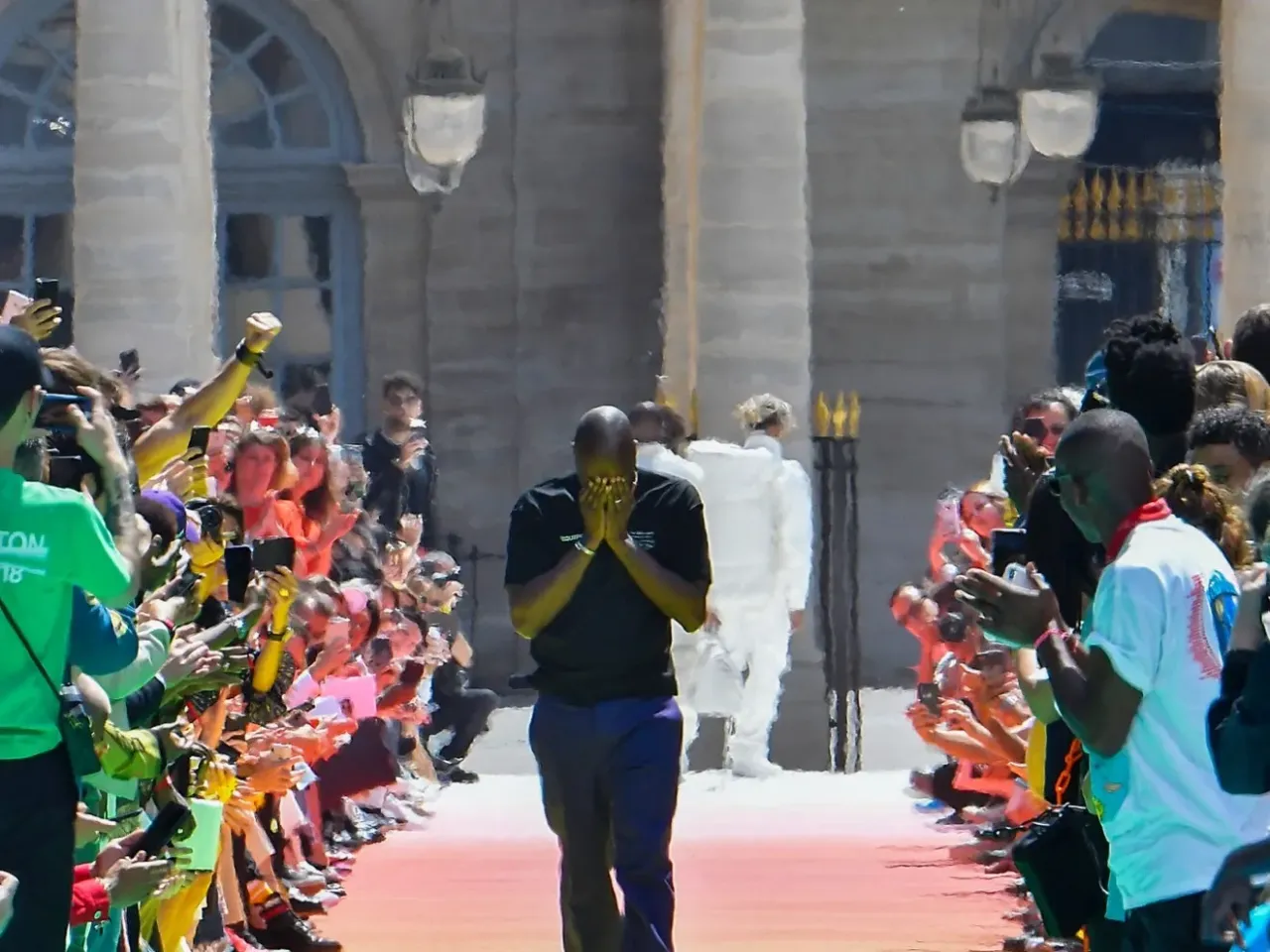
How did Virgil Abloh, a streetwear loving Black kid from the outskirts of Chicago with no formal training in fashion, become an artistic director at Louis Vuitton, the world’s largest luxury brand?
That’s the question Pulitzer Prize winning journalist Robin Givhan explores in her new book, Make It Ours: Crashing the Gates of Culture with Virgil Abloh, about the late fashion designer.
Abloh died in 2021 at age 41 from cardiac angiosarcoma, a rare form of cancer. Before his death, he helped elevate streetwear and redefined what luxury could look like. After Abloh’s death, Grammy-winning producer and singer Pharrell Williams was named his successor in 2023.
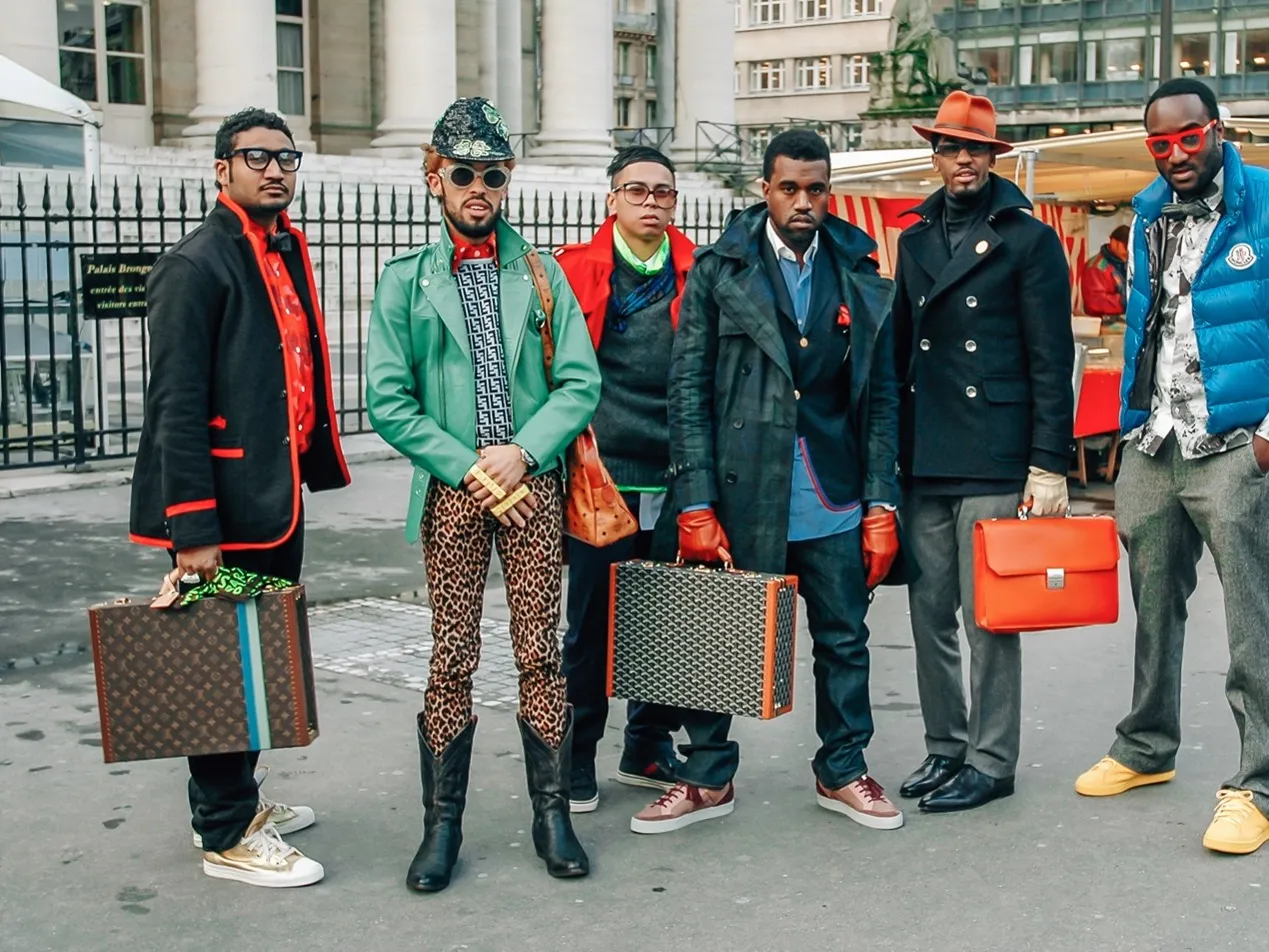
He first developed a following while working as an assistant to rapper Kanye West. He later founded the high-end clothing brands Off-White and Pyrex Vision.
“What he did that was so unusual is normally a company starts out with a garment and they build a brand around the garment,” Givhan told NPR’s Michel Martin. “Virgil created a brand and then he proceeded to put products underneath the brand.”
Givhan added, “he was able to kind of inject meaning into those products. And it made the people who purchased the products feel seen and feel like their perspective about what was valuable, what was beautiful was being heard at the highest levels.”
Givhan spoke with Morning Edition about how Abloh reshaped the fashion industry.
This interview transcript has been lightly edited for length and clarity.
Michel Martin: Was he kind of the precursor of the celebrity brand in some way? Creating a sense of belonging through wearing a garment?
Robin Givhan: I think in some ways he was even better than a celebrity brand. I mean, he was known because he had been an assistant for Kanye West. He was known because he had such an enormous social media presence and because he deejayed. But he wasn’t really sort of the classic celebrity. And still he was able to create a brand called Off-White. And he made it so meaningful to people that it didn’t really matter that the clothes that came out underneath the brand weren’t necessarily that unique. Off-White was really known for hazard lines, for putting words in quotation marks, for these little red zip ties that were on the sneakers that he made. That’s how you really knew who had made the product.
Martin: So give us the short version of how Abloh went from an engineering and architecture student from Rockford, Illinois, to become the first Black artistic director at the world’s largest luxury brand, Louis Vuitton.
Givhan: He started out having this sort of serendipitous meeting with Kanye West and got swept up in that circle of people who were wildly ambitious and deeply interested in design. Eventually, he dabbled in with his first big T-shirt success with something called Been Trill, which was really T-shirts that were made by a DJ collective. And that really informed the way that he worked. This idea that you didn’t have to necessarily write the melody or the lyrics, you could take pre-existing ideas and mix them together in new ways and call that your design. And then from there, he did this project called Pyrex Vision, which he described as an art project. He bought Deadstock from Ralph Lauren Rugby and he’s silkscreened Pyrex 23 on the back. The original shirt sold for about $40. He sold his versions for over $500. And they sold out.
Martin: How did he become artistic director at Louis Vuitton?
Givhan: What I think really sort of propelled him into the sightlines of the folks at Vuitton was when he did a collaboration with Nike. And Nike wanted to reissue 10 of their most recognized sneaker styles. And he ended up being responsible for all 10 of these designs. Nike is so enormous, it is more recognized than written as a brand. And when there’s a success there, it really reverberates. And that caught the attention of Vuitton.
Martin: You’re a distinguished fashion writer and a distinguished critic. But inevitably, when we have these conversations about fashion, the question arises, So what? Why do we care about a Virgil Abloh?
Givhan: We care about Virgil because at the very smallest level, there are kids out there who are making T-shirts or maybe they’re putting stickers on baseball caps, and they love design, they love art. And he is proof that you can take something that’s simple, gestures that’s simple, and you can lean into them, and just because you don’t have the training or the classical background or all the access that you think you need, that you can still get pretty far in the fashion industry.
Copyright 2025 NPR