Copyright © 2026 VPM, all rights reserved.
PBS is a 501(c)(3) not-for-profit organization.
VPM News Morning Edition
NEXT UP: 9:00 AM

Thanks to our sponsors – Become a Sponsor

Man started Idaho blaze and then fatally shot 2 firefighters in ambush, officials say

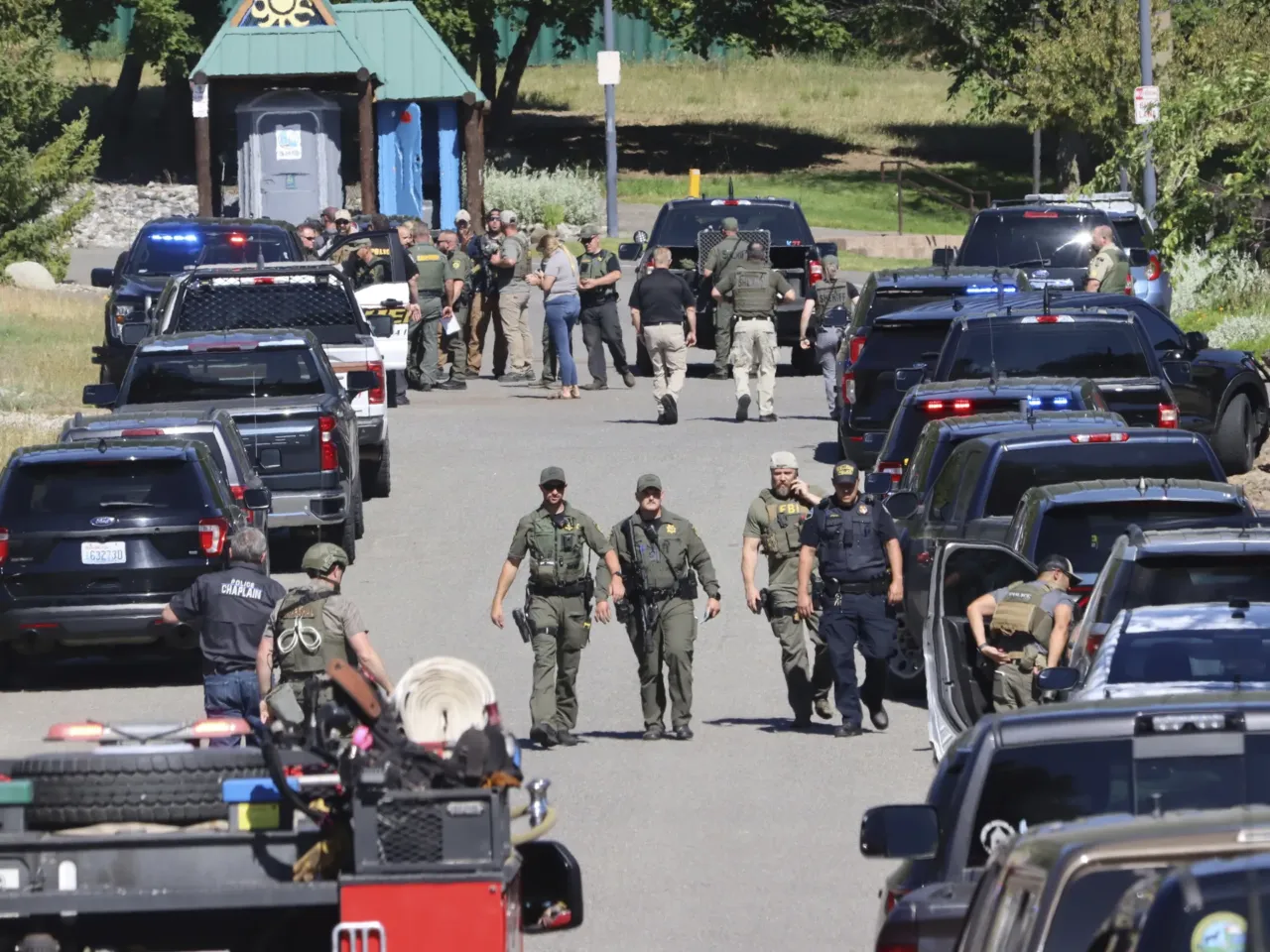
Law enforcement and emergency responders are shown on Sunday afternoon, June 29, 2025, following reports of an ambush shooting attack on Canfield Mountain, in Coeur d'Alene, Idaho.
Bill Buley / Coeur D'Alene Press / AP
Law enforcement and emergency responders are shown on Sunday afternoon, June 29, 2025, following reports of an ambush shooting attack on Canfield Mountain, in Coeur d'Alene, Idaho.

Updated June 30, 2025 at 02:08 AM ET

Local authorities said an armed man started a fire on a mountain in northern Idaho and then began shooting at responding firefighters, killing two and injuring a third.

Additionally, authorities in Kootenai County, Idaho, said the body of the man recovered on the mountain is believed to be the only suspect responsible for the fatal shootings. A weapon was found near the body, said Kootenai County Sheriff Bob Norris.

Norris also made clear that he and other authorities believe the shootings were intentional.

“We do believe the suspect started the fire, it was an ambush and it was totally intentional,” Norris said. “This was a total ambush. These firefighters did not have a chance.

Norris added: “Based on the preliminary investigation, we believe that is the only shooter on the mountain at that time. There is no threat to the community at this time.”

Earlier Sunday, local authorities had lifted a shelter-in-place order.

Speaking at a late Sunday evening news conference, Norris said a cell phone signal led authorities to discovering the dead body.

Authorities went through a timeline of the deadly events on Sunday:

— At 1:21 p.m. local time, first reports of a wildfire on Canfield Mountain

— A 2 p.m., firefighters first reported coming under gunfire

— At around 3:15 p.m., authorities picked up an active cell phone signal on the mountain.

— Norris said the body of the person believed to be the shooting suspect was found about an hour and a half later.

 Norris and other authorities gave no information about the dead body pending identification, or any possible motive for the shootings. Norris did not say if the dead person had fatally shot himself.

“We believe that there was only 1 shooter, based on weapons found, type of injuries incurred from that weapon,” Norris said.

The sheriff also said investigators don’t believe the shooting suspect is the person who made the 911 call to report the fire.

Norris said investigators believe the suspect ran and shot during the attack on the firefighters. At the news conference, local authorities also said firefighters are not trained to respond to ambush situations.

Norris added: “This is a situation where a lot of people in this room haven’t processed this.”
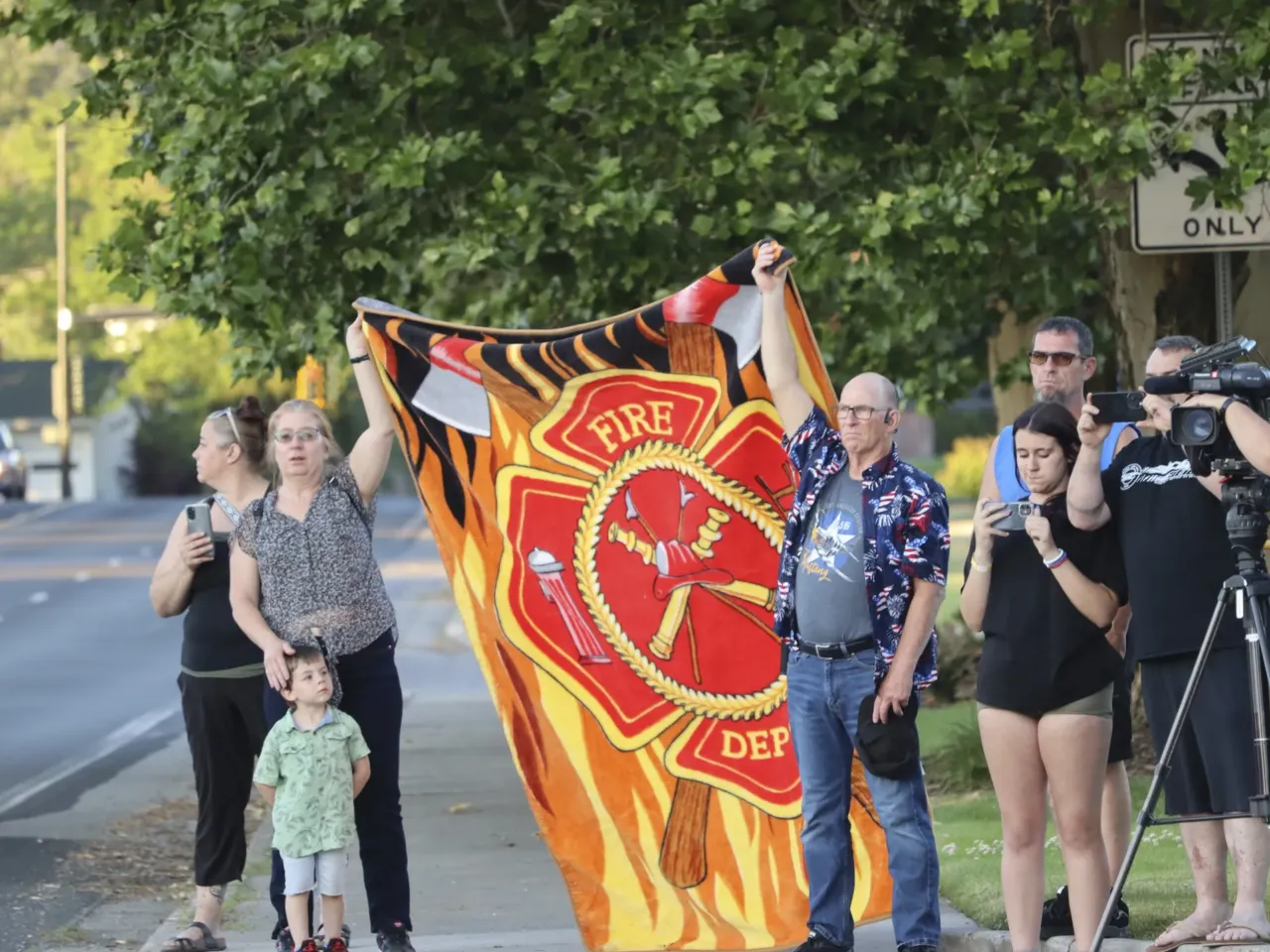
People watch a procession from Kootenai Health headed to Spokane, Wash., after two firefighters were killed Sunday when they were ambushed by sniper fire while responding to a blaze in a northern Idaho mountain community, in Coeur d'Alene, Idaho.
People watch a procession from Kootenai Health headed to Spokane, Wash., after two firefighters were killed Sunday when they were ambushed by sniper fire while responding to a blaze in a northern Idaho mountain community, in Coeur d’Alene, Idaho. Bill Buley/Coeur D’Alene Press / AP

Earlier Sunday, Idaho Gov. Brad Little said firefighters were “attacked while responding to a fire in North Idaho.” In a post on X, the governor said, “This is a heinous direct assault on our brave firefighters.”

Norris said the investigation will resume Monday morning. More weapons may be found from the investigation, he said.

The sheriff acknowledged that the crime scene is compromised because of the fire, but they prioritized removing the dead body for further investigation. “We had to do what we had to do to preserve the body.”

Copyright 2025 NPR
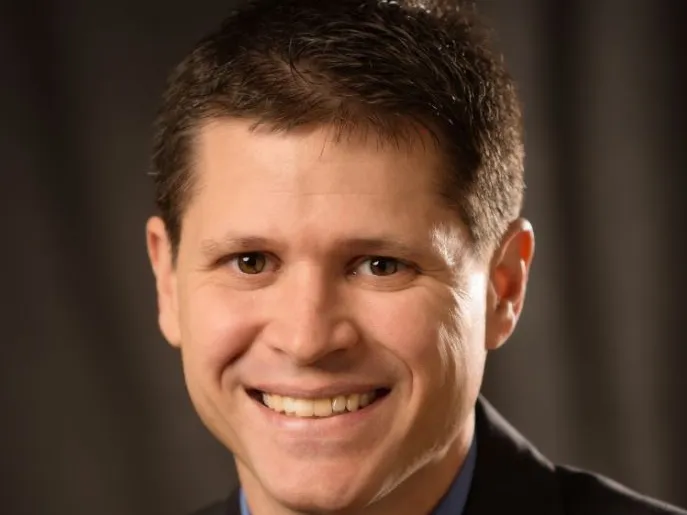
As NPR's Southern Bureau chief, Russell Lewis covers issues and people of the Southeast for NPR — from Florida to Virginia to Texas, including West Virginia, Kentucky, and Oklahoma. His work brings context and dimension to issues ranging from immigration, transportation, and oil and gas drilling for NPR listeners across the nation and around the world.

In addition to developing and expanding NPR's coverage of the region, Lewis assigns and edits stories from station-based reporters and freelancers that air on NPR's news programs, working closely with local correspondents and public radio stations. He spent a year in New Orleans after Hurricane Katrina, coordinating NPR's coverage of the massive rebuilding effort and the reverberations of the storm in local communities. He joined NPR in 2006 and is based in Birmingham, Alabama.

Lewis is also a key member of NPR's 'Go Team' — a small group of experienced NPR producers and reporters who respond to major disasters worldwide. He is often among the first on the scene for NPR — both reporting from these sites as well as managing the logistics of bringing additional NPR reporters into disaster areas that lack functioning transportation systems, basic utilities, food, water, and security.

He was dispatched to Haiti after the 2010 earthquake, where he helped manage a group of NPR journalists. He created an overland supply line for the NPR team between the Dominican Republic and Haiti and brought listeners stories about the slow pace of supply distribution because of border bottlenecks. In Japan in 2011, he was quickly on the scene after the earthquake and tsunami to help coordinate NPR's intensive coverage. In 2013, he was on the ground overseeing NPR's reporting in the Philippines in the aftermath of Super Typhoon Haiyan. Covering the impact of the massive earthquake in Nepal in 2015, he field-produced NPR's coverage and also reported how a lack of coordination by the government and aid workers slowed response. Lewis managed NPR's on-the-ground coverage in 2015 of the terrorist attacks in Paris, France, and reported from Brussels, Belgium. He returned to Brussels in 2016 after the terrorist bombings at the airport and metro station. He helped field-produce NPR's coverage and also reported several stories about the response and recovery. In 2018, he went to Indonesia to field-produce and edit coverage following the earthquake and tsunami in Palu.

Lewis also oversees NPR's sports coverage. He spent six weeks in Brazil in 2014 handling logistics and reporting on the World Cup. In 2015, he did the same in Canada for the Women's World Cup. In 2016, Lewis reported and oversaw NPR's team of journalists at the Summer Olympics in Rio de Janeiro. He also led NPR's coverage from Pyeongchang, South Korea, at the 2018 Winter Olympics and from Tokyo at the delayed Summer Olympics in 2021.

In 2010, the Dart Center for Journalism and Trauma at Columbia University awarded him a prestigious Ochberg Fellowship. The Fellowship is designed to improve reporting on violence, conflict, and tragedy. Lewis has continued his work with the Dart Center and has trained reporters on behalf of the organization in Trinidad and Tobago, the Cayman Islands, and Puerto Rico.

A graduate of the University of Florida, Lewis began his public radio career in 1992 as reporter and executive producer at NPR member station WUFT in Gainesville, Florida. He also spent time at WSVH in Savannah, Georgia, and was Statehouse Bureau Chief at Kansas Public Radio. For six years he worked at KPBS in San Diego as a senior editor and reporter. He also was a talk show host and assistant news director at WGCU in Fort Myers, Florida.

When he's not busy at work, Lewis can be found being creative in the kitchen or outside refereeing soccer games.

Related Stories