Copyright © 2026 VPM, all rights reserved.
PBS is a 501(c)(3) not-for-profit organization.
VPM News Morning Edition
NEXT UP: 9:00 AM

Thanks to our sponsors – Become a Sponsor

In his new album, Trombone Shorty pays tribute to his hometown of New Orleans

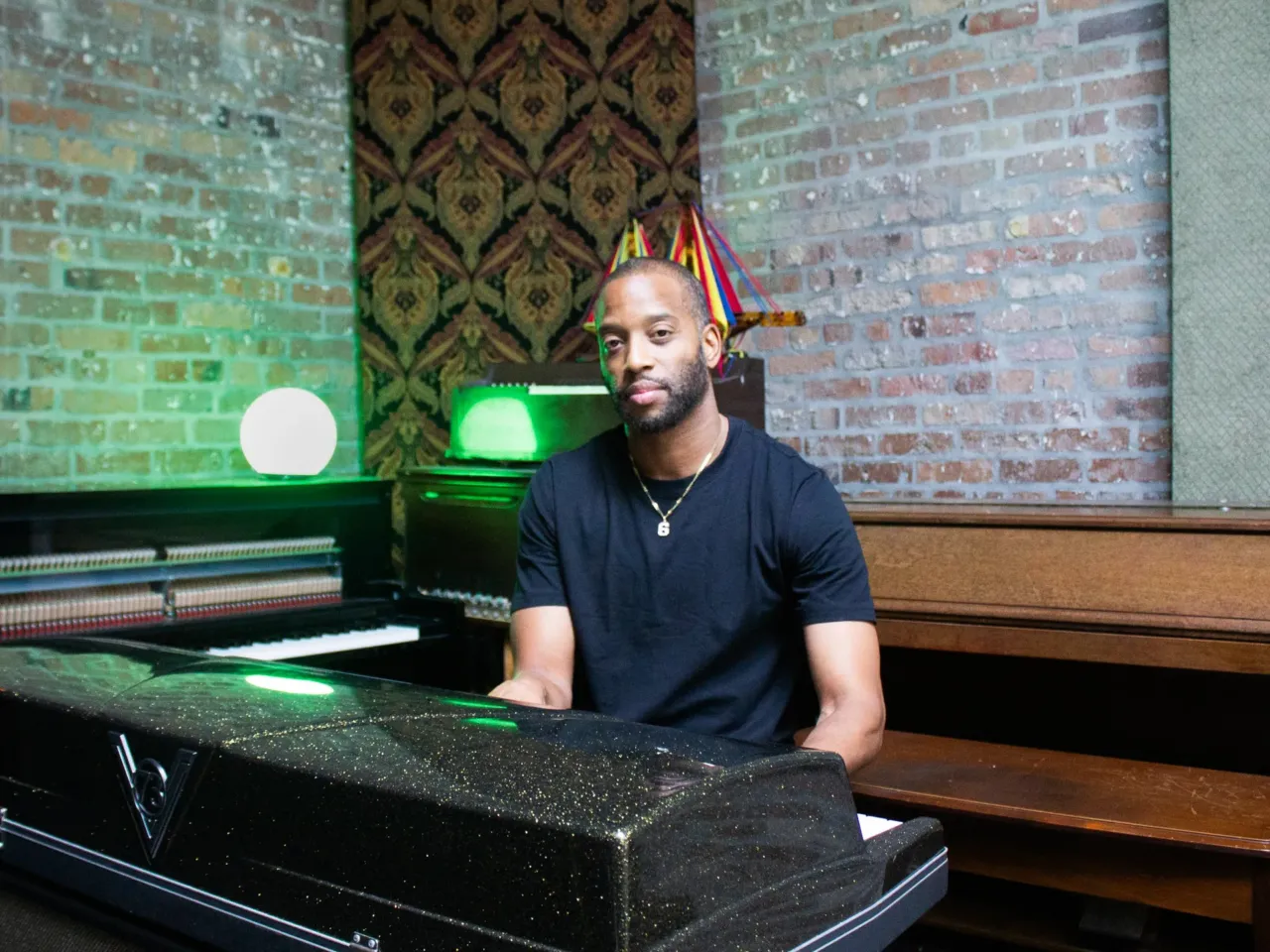
Trombone Shorty in studio in New Orleans on Aug. 26.
Lilly Quiroz / NPR
Trombone Shorty in studio in New Orleans on Aug. 26.

When Hurricane Katrina hit New Orleans 20 years ago, Troy Andrews was 19 years old, and already a seasoned professional musician who had toured with Lenny Kravitz.

Andrews, better known as Trombone Shorty, was planning on a short break enjoying home-cooked food and jamming with friends. Instead, when the storm came, he evacuated with other relatives and rented a place in Dallas, Texas. Texas, Andrews said, never became home because he was always on the road.

“I live on tour, so when I come back home, I want to be in New Orleans,” he said in an interview with NPR’s Michel Martin at his recording studio in the city’s Garden District. “I want to be able to eat red beans and rice on a Monday night.”
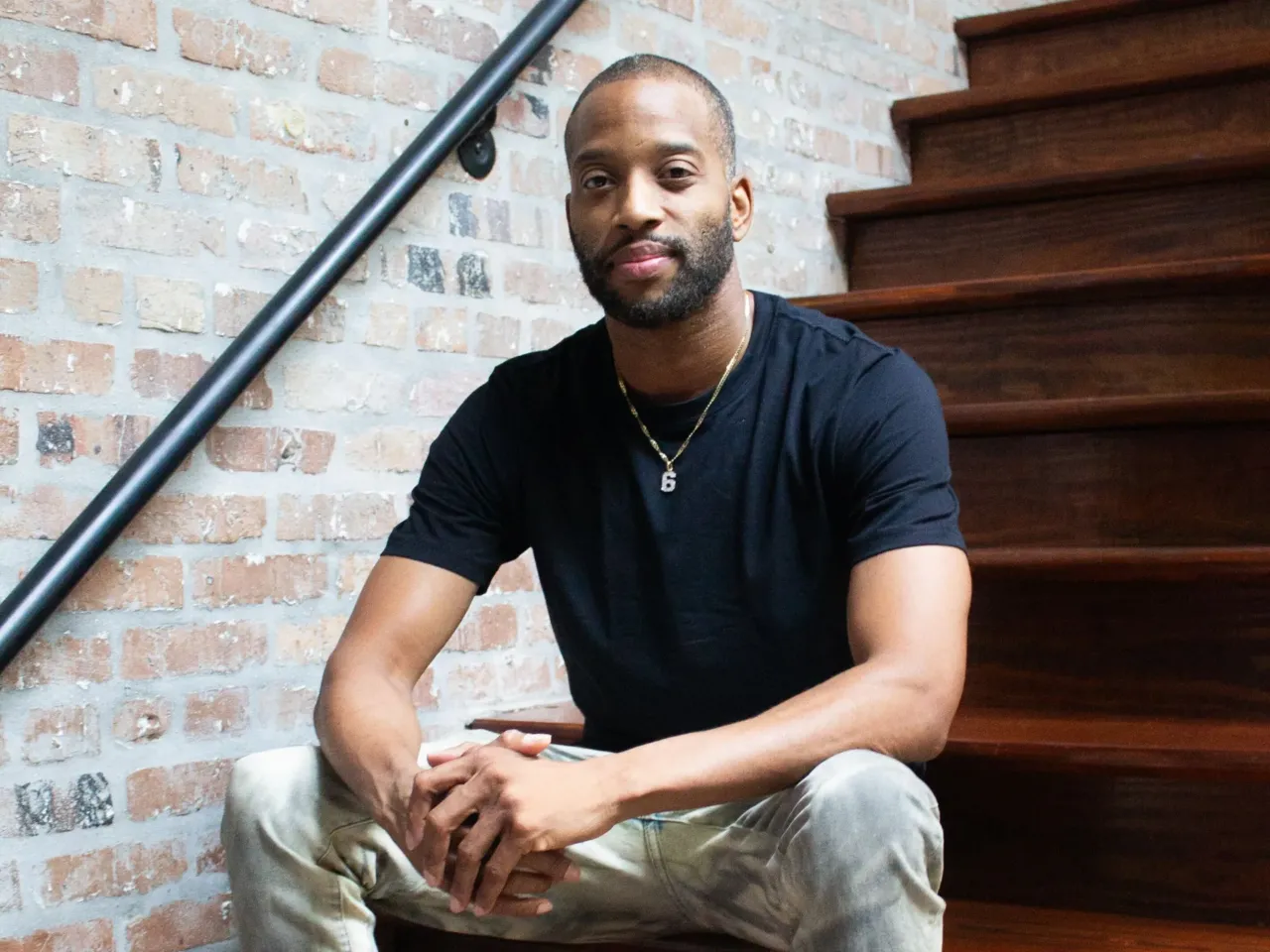
Trombone Shorty's new album pays tribute to his mother and New Orleans' musical heritage.
Trombone Shorty’s new album pays tribute to his mother and New Orleans’ musical heritage. Lilly Quiroz / NPR

Raised in the historic neighborhood of Tremé, a center of Black and Creole life, Andrews grew up surrounded by brass bands and parades. His late mother Lois Andrews, a cultural icon in her own right, would often pull him out of school to join second line parades. It was through her that Andrews grew his deep connection to music, particularly the trombone.

On Aug. 29, Trombone Shorty is releasing Second Line Sunday, an album that is both a tribute to his mother and the rich tapestry of New Orleans’ music culture.

“It just means that much more because we’re celebrating the music that we thought that we would lose 20 years ago,” Andrews explained.

Second Line Sunday is a collaboration with his cousins and nephews, who make up the Grammy-nominated New Breed Brass Band, many of whom Andrews has mentored over the years. The album’s ten tracks capture the raucous, joyous sound of New Orleans streets, where moments festive and somber are celebrated with music and dance.

“Even at the funerals, we second-line,” Andrews said. “We dance inside a funeral home. We celebrate life even in our saddest moments. We are very joyous people.”

Andrews describes how, despite the sadness, the music always carries an undercurrent of joy. “It comes out through the music, but in a dancing way,” he said. “If you’re listening to solos and stuff, you can hear some stories being told in our souls. Some notes … we might bend them a certain way that can be sad, but it’s still on top of this happiness.”

A track like “Under The Bridge” may not seem sad on the surface, but for Andrews and his band, it’s a moment of collective excitement.

“When we get to the overpass, that’s what we call a ‘hyper part,’ because everybody gets smooshed in together under the bridge. We get really excited musically. And we play louder because of the echo,” he said. The song culminates in a bugle call, a signal for thousands of people to jump in the air in unison. “It’s about creating that moment of all of us being close to one another.”
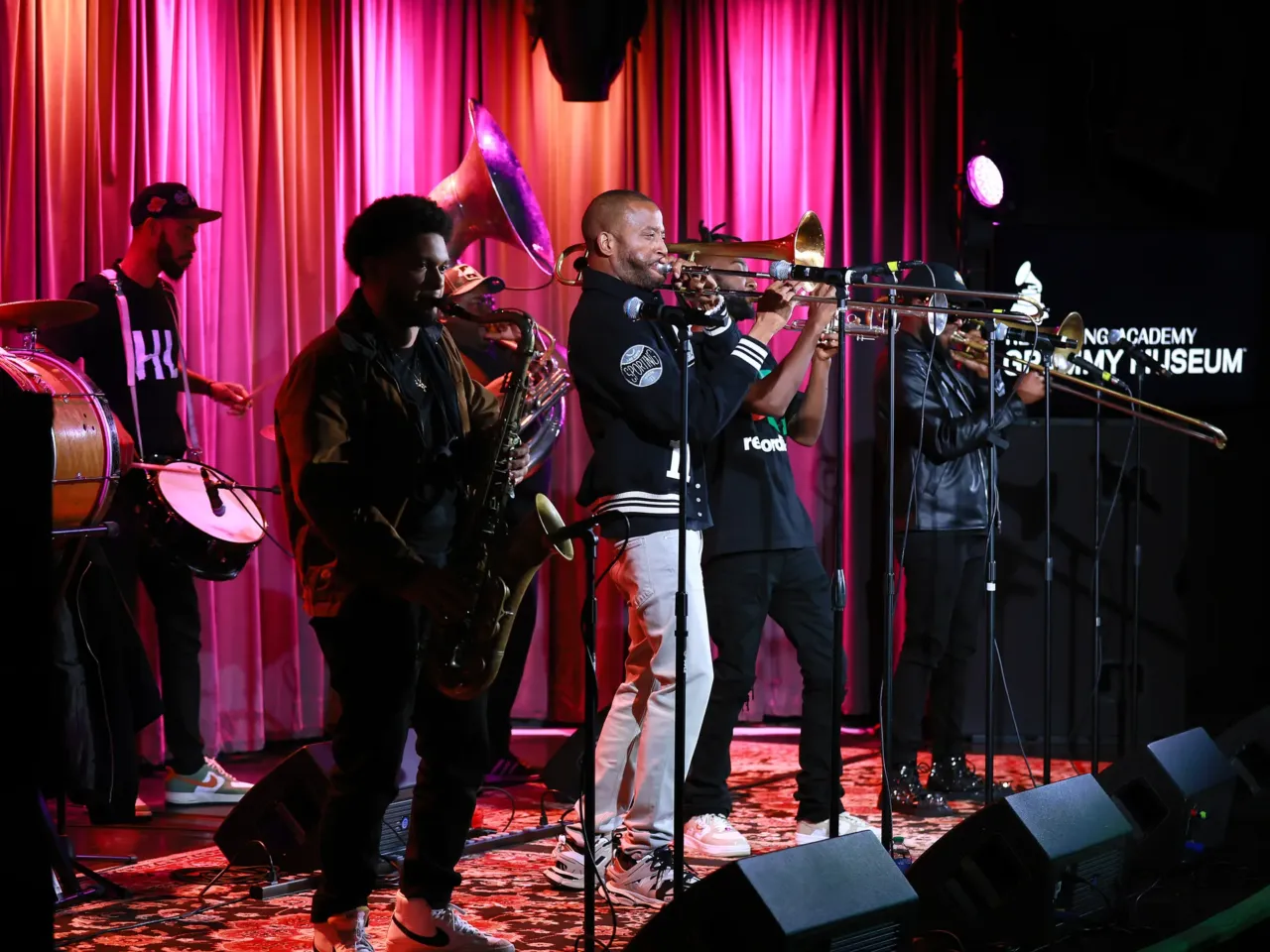
Trombone Shorty and the New Breed Brass Band perform at An Evening With Trombone Shorty and the New Breed Brass Band at the GRAMMY Museum on Oct. 12, 2023, in Los Angeles.
Trombone Shorty and the New Breed Brass Band perform at An Evening With Trombone Shorty and the New Breed Brass Band at the GRAMMY Museum on Oct. 12, 2023, in Los Angeles. Rebecca Sapp / Getty Images for The Recording Academy

The audio for this interview was produced by Lilly Quiroz, with digital production by Majd Al-Waheidi.

Copyright 2025 NPR

Michel Martin is the weekend host of All Things Considered and host of the Consider This Saturday podcast, where she draws on her deep reporting and interviewing experience to dig in to the week's news. Outside the studio, she has also hosted "Michel Martin: Going There," an ambitious live event series in collaboration with Member Stations.

Martin came to NPR in 2006 and launched Tell Me More, a one-hour daily NPR news and talk show that aired on NPR stations nationwide from 2007-2014 and dipped into thousands of important conversations taking place in the corridors of power, but also in houses of worship, and barber shops and beauty shops, at PTA meetings, town halls, and at the kitchen table.

She has spent more than 25 years as a journalist — first in print with major newspapers and then in television. Tell Me More marked her debut as a full-time public radio show host. Martin says, "What makes public radio special is that it's got both intimacy and reach all at once. For the cost of a phone call, I can take you around the world. But I'm right there with you in your car, in your living room or kitchen or office, in your iPod. Radio itself is an incredible tool and when you combine that with the global resources of NPR plus the commitment to quality, responsibility and civility, it's an unbeatable combination."

Martin has also served as contributor and substitute host for NPR newsmagazines and talk shows, including Talk of the Nation and News & Notes.

Martin joined NPR from ABC News, where she worked since 1992. She served as correspondent for Nightline from 1996 to 2006, reporting on such subjects as the congressional budget battles, the U.S. embassy bombings in Africa, racial profiling and the aftermath of Hurricane Katrina. At ABC, she also contributed to numerous programs and specials, including the network's award-winning coverage of Sept. 11, a documentary on the Anita Hill-Clarence Thomas controversy, a critically acclaimed AIDS special and reports for the ongoing series "America in Black and White." Martin reported for the ABC newsmagazine Day One, winning an Emmy for her coverage of the international campaign to ban the use of landmines, and was a regular panelist on This Week with George Stephanopoulos. She also hosted the 13-episode series Life 360, an innovative program partnership between Oregon Public Broadcasting and Nightline incorporating documentary film, performance and personal narrative; it aired on public television stations across the country.

Before joining ABC, Martin covered state and local politics for the Washington Post and national politics and policy at the Wall Street Journal, where she was White House correspondent. She has also been a regular panelist on the PBS series Washington Week and a contributor to NOW with Bill Moyers.

Martin has been honored by numerous organizations, including the Candace Award for Communications from The National Coalition of 100 Black Women, the Joan Barone Award for Excellence in Washington-based National Affairs/Public Policy Broadcasting from the Radio and Television Correspondents' Association and a 2002 Silver Gavel Award, given by the American Bar Association. Along with her Emmy award, she received three additional Emmy nominations, including one with WNYC's Robert Krulwich, at the time an ABC contributor as well, for an ABC News program examining children's racial attitudes. In 2019, Martin was elected into the American Academy of Arts and Sciences for outstanding achievement in journalism. She is the 2021 recipient of PMJA's 2021 Leo C. Lee Award.

A native of Brooklyn, N.Y., Martin graduated cum laude from Radcliffe College at Harvard University in 1980 and earned a Master of Arts from the Wesley Theological Seminary in 2016.

Related Stories