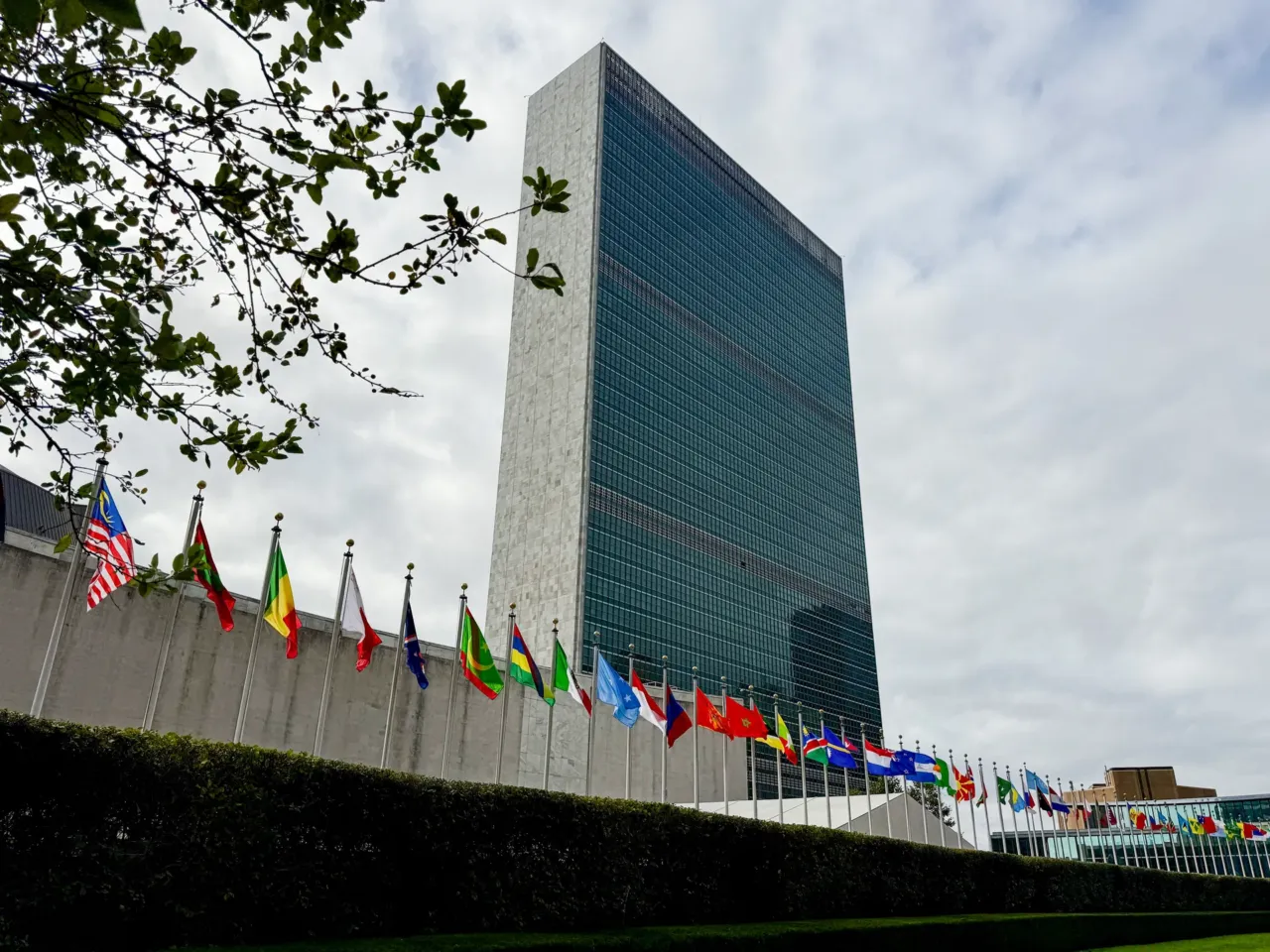
The U.S. Secret Service said it uncovered a large network of electronic devices capable of disrupting cellphone networks in New York ahead of the 80th anniversary meeting of the United Nations General Assembly.
The agency tasked with protecting the president and vice president did not share evidence of a specific plot or threat against world leaders during the annual gathering.
However, U.S. Secret Service Director Sean Curran said that the “potential” for damage was significant, ranging from disabling regional cellphone towers to facilitating communications between criminals and foreign adversaries. The network could also likely be used for espionage.
According to the Secret Service, there were over 300 SIM servers, 100,000 SIM cards, and other illicit materials found in multiple sites in the tristate area surrounding New York City. Secret Service agents are working alongside the New York Police Department and other law enforcement agencies including Homeland Security Investigations to conduct forensic analysis on the devices. Matt McCool, the special agent in charge of the U.S. Secret Service Washington field office, said forensic investigation has already revealed the involvement of at least one foreign nation, as well as several bad actors already known to law enforcement.
McCool said the investigation is ongoing and that the agency made the decision to share information about the threat with the public in the early stages “to safeguard critical infrastructure.”
The investigation comes at a time when U.S. national security officials and private sector experts are tracking ongoing breaches of telecommunications companies, aiming to steal private communications of senior U.S. government officials including President Trump. The group responsible, often referred to as Salt Typhoon, has been linked to the Chinese government. The campaign was first disclosed last year.
The U.S. Secret Service did not say whether the devices uncovered in New York had any connection to Salt Typhoon operations. However, McCool insisted the investigation of this cache was kicked off after picking up on earlier, specific telecommunications-related threats.
“Following multiple telecommunications-related imminent threats directed towards senior U.S. government officials this spring, the Secret Service began a protective intelligence investigation to determine the extent and impact these threats could have on protective operations,” McCool said.
If the network of devices was intended to disrupt or spy on the U.N. General Assembly, it wouldn’t be the first time that the diplomatic gathering, which attracts more than 100 foreign officials and their staffs, has been targeted. Former intelligence officials have described the occasion as “the Super Bowl of espionage.” If the massive cache of devices was used to shut down cellphone networks and potentially impair emergency communications, that would go beyond what might be an expected level of monitoring and spying.
However, it’s unclear how long the network of devices was in operation around New York City, and whether its operators were hoping to disrupt the geopolitical gathering, rather than spying or organizing criminal activity in the area.
Copyright 2025 NPR