Updated October 07, 2025 at 14:57 PM ET
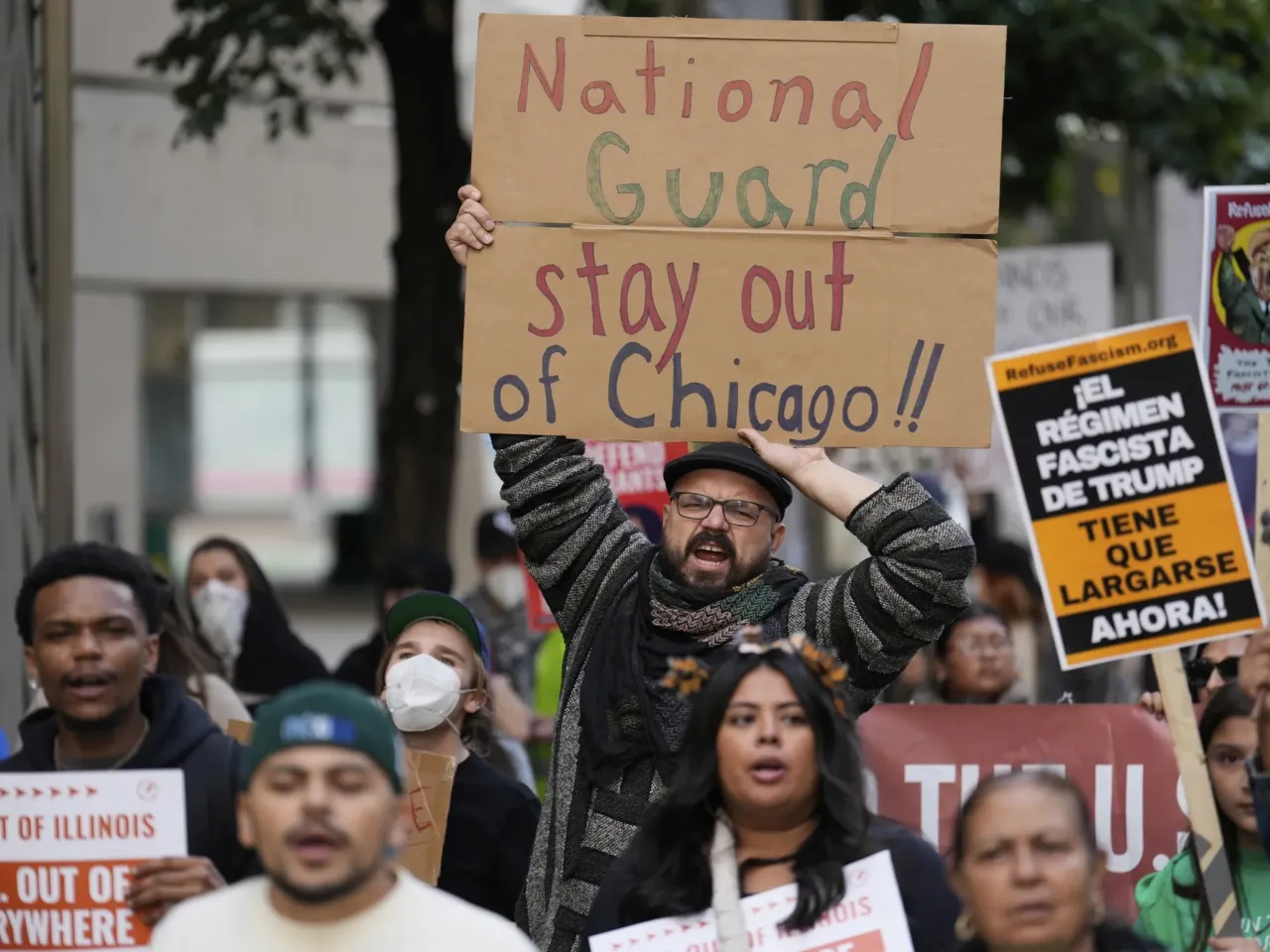
President Trump argues the National Guard is needed in Chicago — a city that had its fewest summer murders in 60 years — because it is overrun with crime.
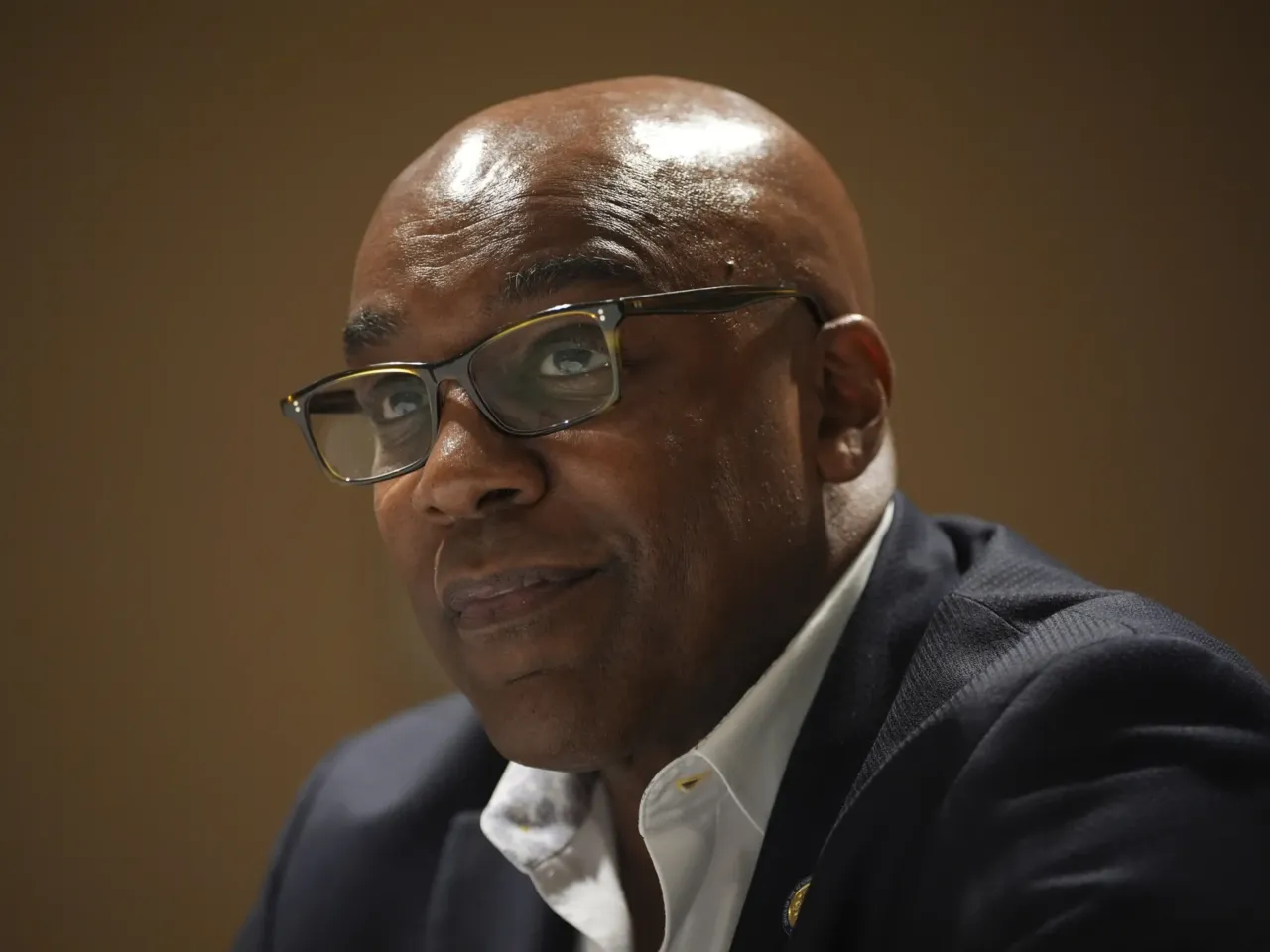
But the conditions to legally justify troop deployments in Chicago simply don’t exist, Illinois Attorney General Kwame Raoul told Morning Edition. The state filed a lawsuit Monday against the Trump administration in which it argues that the Illinois National Guard can only be federalized if there is a foreign invasion, rebellion or if the federal government is unable to enforce federal laws.
The only “agitation” and “chaos” in and around Chicago, Raoul said, is from “[Immigration and Customs Enforcement] and Border Patrol firing pepper gas at civilians, journalists,” and “even Chicago police officers.”
For weeks, the Trump administration has carried out aggressive immigration enforcement in Chicago, including a recent raid of an apartment building during which agents pulled residents, including children, out of their homes and detained some U.S. citizens.
The actions have led to tense standoffs between protestors and federal agents. A Border Patrol agent shot a woman in the city’s southwest side last week. Agents claimed the woman was armed and that she and other protestors were using cars to box in agents, WBEZ reports.
Raoul told NPR’s Steve Inskeep that it is evident the Trump administration’s actions against Chicago are “political in nature.” Trump has vowed for weeks to clean up crime in Chicago, though the city has experienced a decline in most major crime categories this year, according to WBEZ.
Last month, Trump said he would “love to have” Illinois Gov. JB Pritzker call the White House to make a formal request for troops. The president also posted on Truth Social last month that the city was going to find out “why it’s called the Department of WAR.”
“All of these communications coming from the president and members of his administration demonstrate that this is about political targeting, not about conditions on the ground in Chicago or anywhere in the state of Illinois,” Raoul said.
In an emailed statement, White House spokeswoman Abigail Jackson said “Amidst ongoing violent riots and lawlessness, that local leaders like Pritzker have refused to step in to quell, President Trump has exercised his lawful authority to protect federal officers and assets. President Trump will not turn a blind eye to the lawlessness plaguing American cities.”
A federal judge did not immediately block the Trump administration from deploying troops to Chicago as Illinois requested in its lawsuit — including the deployment of some troops from Texas and other states. Oral arguments in that suit are set for Thursday.
Richard Hayes, who served as former Illinois National Guard Adjutant General — its highest ranking member — said in an interview with Morning Edition if and when troops are deployed, the public should know there are things soldiers are or aren’t supposed to do.
“All soldiers — sailors, airmen, Marines, space guardians — they have a duty to follow legal orders just as much as they have a duty to not follow illegal ones. So you’re duty-bound either direction,” Hayes said.
But Raoul said troop deployment is still cause for alarm because these are not “normal times.”
“I don’t have any negative feelings about National Guardsmen when they’re serving their country, but it’s how they’re being directed that I’m concerned about,” Raoul said.
On the prospect of Illinois’ lawsuit being appealed all the way to a Trump friendly Supreme Court and troops being deployed in Chicago, Raoul said “that would be a very dangerous thing to occur.”
“It’s un-American. This is not what we expect in our country, to be subject to military deploying in our streets to do civilian law enforcement work,” Raoul continued “It’s not what we do in the United States of America.”
This digital article was edited by Treye Green. The radio version was produced by Mansee Khurana and Nia Dumas.
Copyright 2025 NPR