Updated October 23, 2025 at 13:15 PM ET
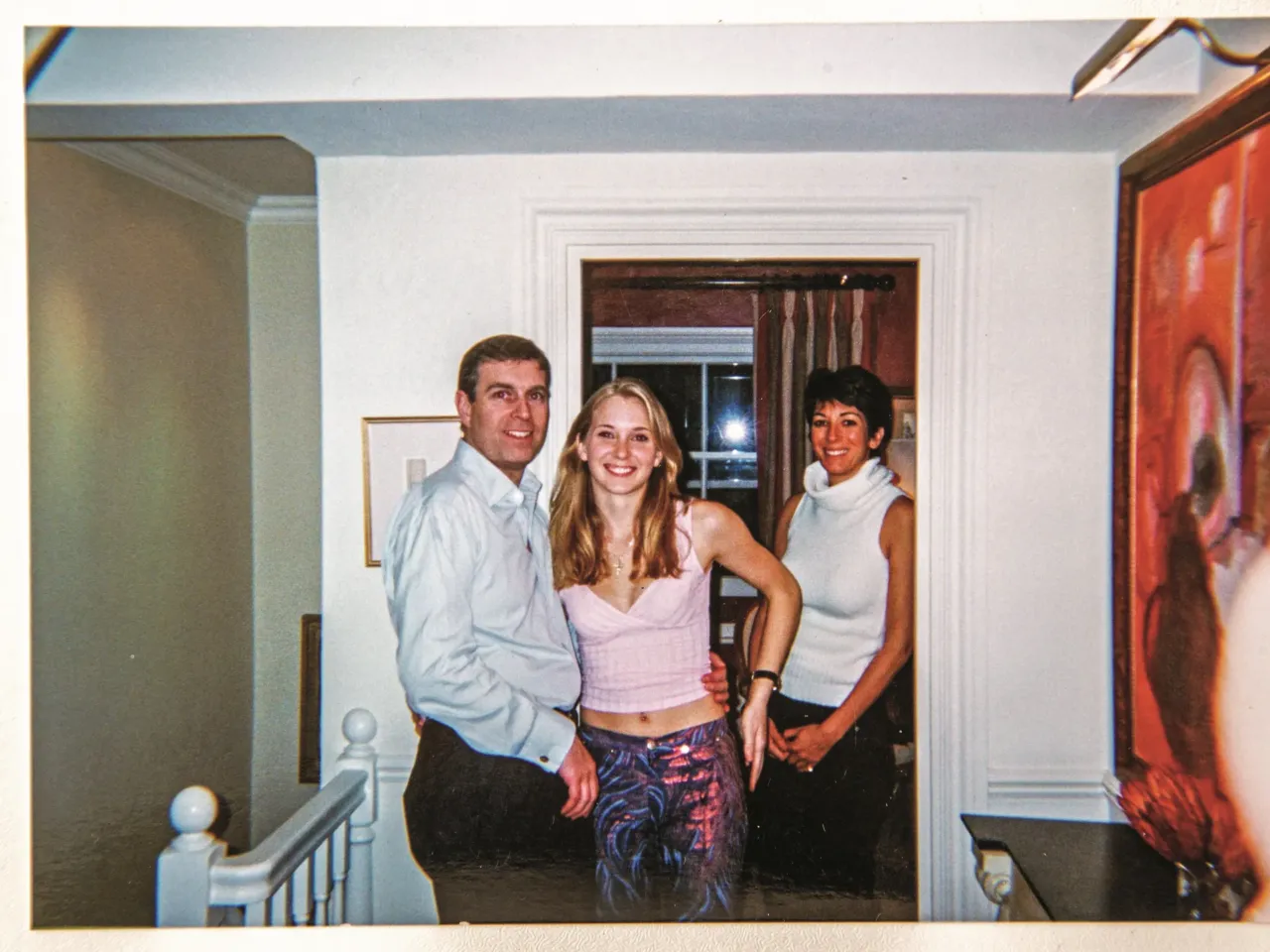
Before the world knew her name, she was the teen girl in a pink top and shiny jeans embraced at her waist by the now disgraced Prince Andrew’s arm. Behind them stood a smiling Ghislaine Maxwell, the longtime partner of the late Jeffrey Epstein. Epstein himself took the photo.
Her name was Virginia Roberts Giuffre, one of the most public accusers of abuse by Epstein and the many powerful men Giuffre says she was trafficked to in the early 2000s.
Epstein was convicted in 2008 in Florida on charges related to soliciting prostitution. His 2019 federal sex-trafficking charges were dismissed after his death by suicide while awaiting trial in New York. Maxwell was later convicted of crimes related to the sexual abuse of minors and is serving a 20-year sentence in Texas.
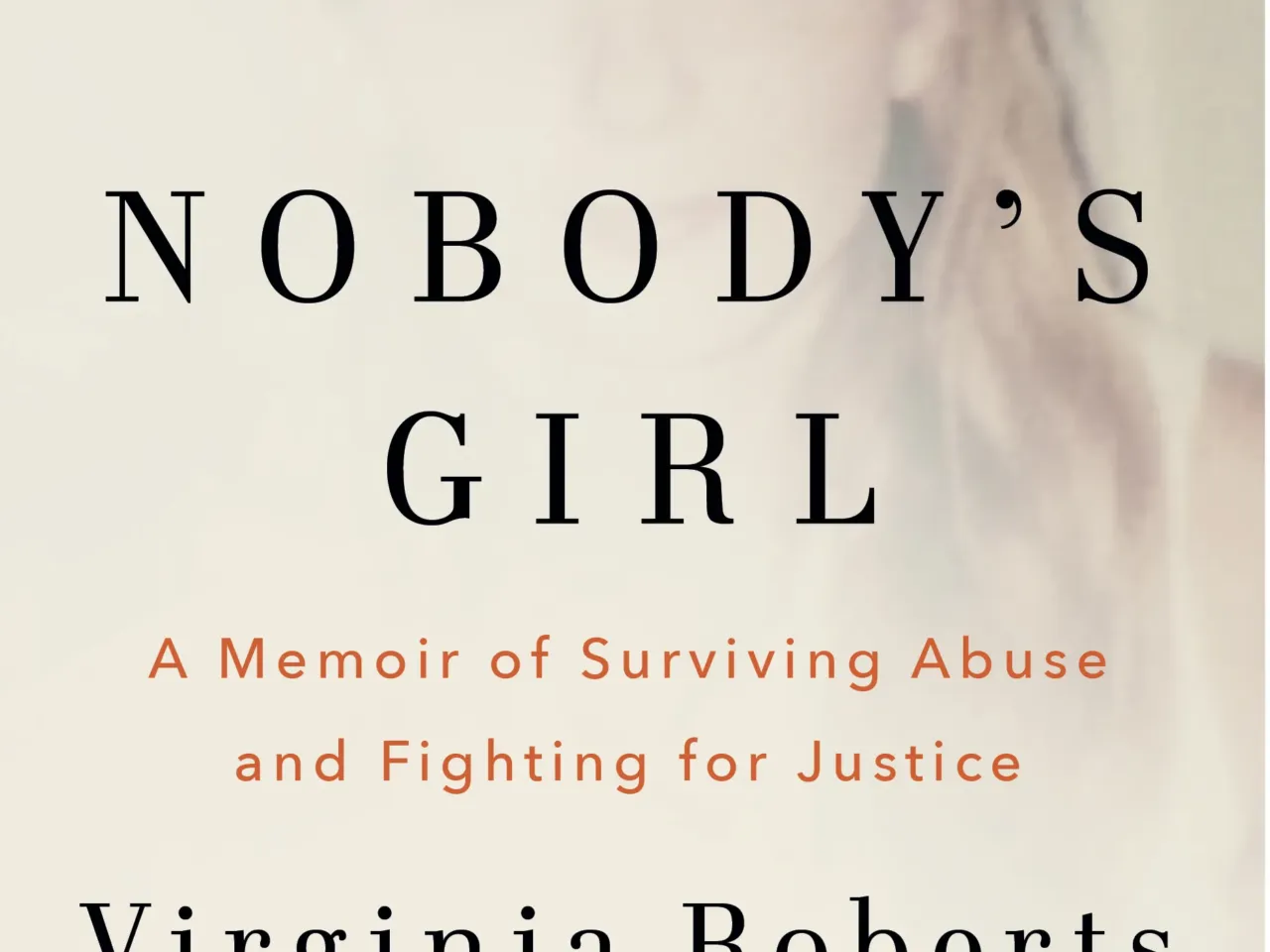
Days before the publication of Giuffre’s memoir, Nobody’s Girl, Buckingham Palace released a statement from Prince Andrew. It said he had agreed to give up his title as Duke of York amid fresh scrutiny of the allegations.
In Nobody’s Girl, Giuffre says she first met Prince Andrew in 2001 and that he guessed correctly she was then 17 years old.
“My daughters are just a little younger than you,” she recalls him saying. “He was friendly enough, but still entitled — as if he believed having sex with me was his birthright,” she wrote.
Prince Andrew has consistently denied Giuffre’s accusations. Epstein reached a financial settlement with Giuffre in 2009. Prince Andrew later settled with Giuffre in 2022.
Giuffre died by suicide in April, at age 41, just months before her book’s release. Her collaborator on Nobody’s Girl, author and journalist Amy Wallace, and Giuffre’s younger brother, Sky Roberts, spoke about the memoir with Morning Edition’s Leila Fadel.
Here are five takeaways from the conversation.
1. Giuffre called her father “the original betrayer”
The memoir begins with the abuse Giuffre said started when she was about 7 years old. Before calling out Epstein, Maxwell and their wealthy friends, Wallace said Giuffre wanted to name her “original betrayer.”
“When we began unpacking all of that, she had always said ‘I was abused by a family friend,’ and that was true as far as it went, but she had also been abused by her own father,” Wallace said. “You have to understand Virginia’s history… victims of sexual trafficking are not born, they are made, and they are made by terrible experiences that they have over years.”
Giuffre was 16 when she met Maxwell at Mar-a-Lago resort, where she worked as a locker room attendant in the spa.
“And up to that point, the world that had been revealed to her, was a world in which adult men had sex with young girls, children, and didn’t pay the price for it,” Wallace added.
Giuffre’s father denies these accusations.
2. Her “toughest battle” came at home
Giuffre was married for over 20 years and had three children. Near the end of her life, she was estranged from her husband. Her brother said she had begun to speak openly about the domestic abuse she had allegedly experienced over the years.
“She fought off Ghislaine Maxwell and Jeffrey Epstein, and she was very proud of that with her survivor sister. She wanted to continue that advocacy work. But I would say, the hardest fight of her battle was in her backyard with her husband, and she was a little embarrassed about that, as anybody would be coming forward,” Roberts said.
Giuffre’s husband denies these allegations.
3. Her brothers were by her side before her death in Australia
Earlier this year, Giuffre was recovering from a car crash and renal failure. Her brothers traveled to Australia to help care for her.
“At one point, we had a jet lined up for her on a tarmac ready to bring her home so she could get medical treatment,” Roberts shared. “We were with her in her final couple of weeks. And, you know, I was, I was, I was the one that found my sister.”
Having displayed so much strength facing the legal and public battles against Epstein and others, her brother says they thought she “would make it through because she’d pulled through so many times before.”
4. Giuffre wanted the Epstein files released
President Trump has not ruled out a pardon for Maxwell.
“Well, I’ll take a look at it. I’ll speak to the DOJ,” Trump said earlier this month to a CNN reporter regarding a possible pardon for Maxwell. “I wouldn’t consider it or not consider — I don’t know anything about it. I will speak to the DOJ.”
Wallace said those who doubt Maxwell’s involvement in the abuse, “will get their answers in this book.”
“She was not on the sidelines,” Wallace said. “She was sexually abusing herself. She was telling girls to sexually service her. She was hurting some of those girls when she was angry at them in a sexual way.”
Roberts said he was astounded to hear the president’s stance on a possible pardon for Maxwell.
“At one point he ran his campaign on the fact that he would release these [Epstein] files,” Roberts said. “My sister had hope that he would. She was hopeful.”
5. Giuffre’s story is larger than the narrative of sex abuse
Wallace said Epstein was not an anomaly or “some super apex predator,” but rather a sign of our times.
“This is part of our culture,” she said. “Wealthy people, powerful people get to treat people less wealthy terribly,” she said. “And I think that’s why it resonates beyond sexual abuse. I think people are sick of it.”
This article discusses suicide. If you or someone you know is struggling or in crisis, call or text 988, the Suicide & Crisis Lifeline.
The radio version of this interview was produced by Phil Harrell and Taylor Haney. The digital version was edited by Majd Al-Waheidi.
Copyright 2025 NPR