Copyright © 2026 VPM, all rights reserved.
PBS is a 501(c)(3) not-for-profit organization.
VPM News Morning Edition
NEXT UP: 9:00 AM

Thanks to our sponsors – Become a Sponsor

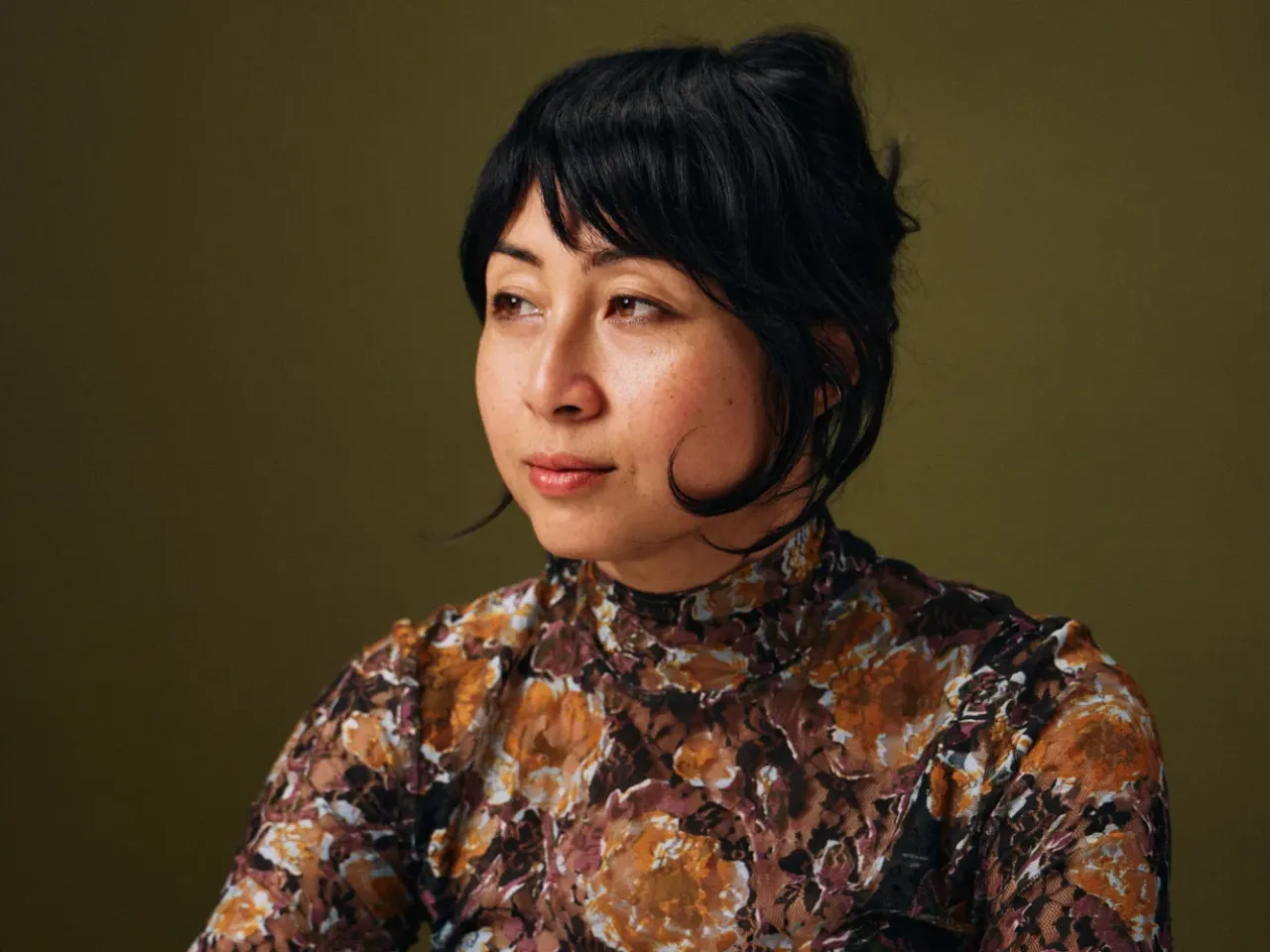
Chef Nite Yun showcases flavors of her parents’ home in new cookbook, ‘My Cambodia’

Nite Yun's debut cookbook is called My Cambodia: A Khmer Cookbook.
Andria Lo / Ten Speed Press
Nite Yun's debut cookbook is called My Cambodia: A Khmer Cookbook.

Updated November 05, 2025 at 09:22 AM ET

When Nite Yun cooks, she’s telling her family’s story.

The Cambodian-American chef, best known for her restaurant Lunette in San Francisco, has long used food to honor her parents’ country. But as she was growing up in Stockton, Calif., her parents rarely talked about their life in Cambodia and the genocide they fled in the 1970s.

“My parents dodged landmines, survived starvation, forced labor camps, walked under the hot, hot sun to safety,” Yun told NPR’s Leila Fadel.

It was in the kitchen that she began to piece their story together.

“Cooking Cambodian food has been a way of storytelling,” she said.

Now Yun is sharing those stories and her recipes with the world in her debut cookbook called My Cambodia: A Khmer Cookbook.  

“My Cambodia is my story. My parents’ story of resilience and strength,” she said. “I also wanted people to not forget the good times of Cambodia when my parents were growing up.”

Among the dishes she features is kroeung, a fragrant herb paste that forms the base of Khmer cooking. Made from lemongrass, galangal, turmeric, garlic, shallots and lime leaves, kroeung is used in soups, stews and curry. Yun shared a recipe for kroeung with Morning Edition, which you can find below. As she writes, “you simply cannot talk about or cook Khmer food without it.

MASTER KROEUNG
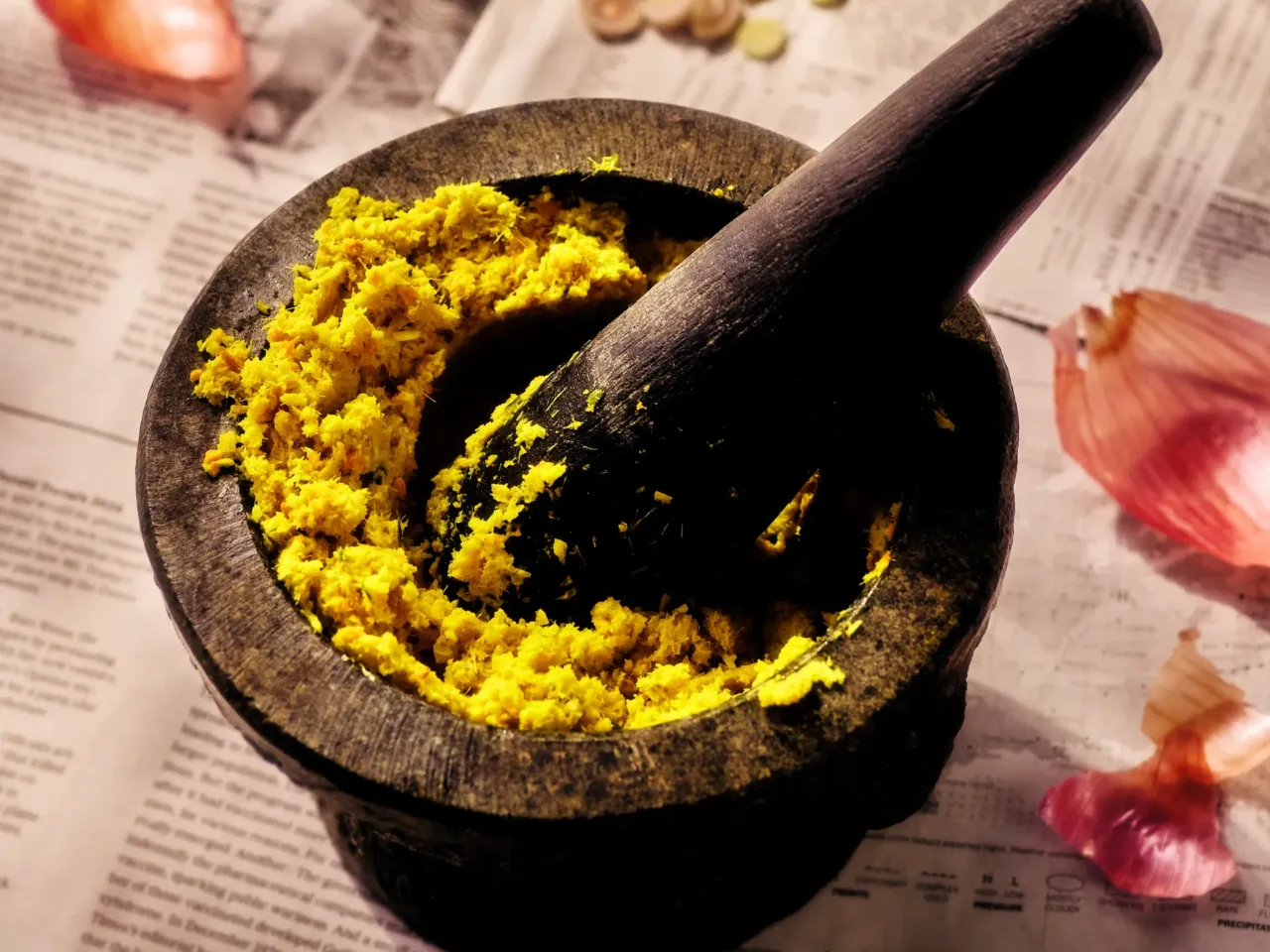
Kroeung its a paste made from turmeric, lime leaves, shallots and galangal. It is considered to be the foundation of Khmer cuisine.
Kroeung its a paste made from turmeric, lime leaves, shallots and galangal. It is considered to be the foundation of Khmer cuisine. Nicola Parisi / Ten Speed Press

Makes 2 cups

8 large or 12 small lemongrass stalks, trimmed and thinly sliced (2 cups)

3-inch piece galangal, thinly sliced (1/2 cup)

1/2 cup chopped garlic (15 to 25 cloves, 1 to 2 heads garlic)

1 small shallot, chopped (1/4 cup)

10 makrut lime leaves, center veins removed, thinly sliced

Place the lemongrass in a mortar and smash it into a paste with the pestle (see Note). Add the galangal and smash it with the lemongrass until it has the consistency of a paste. Add the garlic and smash, then repeat with the shallot. Finally, add the lime leaves a little bit at a time, smashing as you go. The ingredients should barely come together into a paste.

To finish, stir everything together. Doesn’t it smell lovely? It’s ready to use. To store, refrigerate the kroeung in an airtight container for up to 3 days. To freeze, portion the kroeung into ½-cup containers or resealable bags. It’ll keep for up to 2 months.

Note: The key to great kroeung is in the smashing of the ingredients. Crushing each ingredient in the mortar will break down the fibers and release aromatic oils and flavors in a way that tearing and shredding will not. That said, if you don’t have a mortar and pestle, a food processor is the next best thing: Place all the ingredients in the bowl of the processor and pulse several times until it turns into a paste. If the ingredients aren’t combining, add a little bit of grapeseed or another neutral oil to help things move along.

This digital article was edited by Majd Al-Waheidi.

Copyright 2025 NPR

Tags

Leila Fadel is a host of Morning Edition, as well as NPR's morning news podcast Up First.

As a national correspondent, Fadel consistently reported on the fault lines of this divided nation. She flew to Minneapolis in the midst of the pandemic as the city erupted in grief and anger over the killing of George Floyd. She's reported on policing and race, on American Muslim communities and on the jarring inequities the coronavirus laid bare in the healthcare system. Her "Muslims in America: A New Generation" series, in collaboration with National Geographic, won the prestigious Goldziher Prize in 2019.

Previously, she was NPR's international correspondent based in Cairo and covered the wave of revolts in the Middle East and their aftermaths in Libya, Tunisia, Egypt, and beyond. Her stories brought listeners to the heart of a state-ordered massacre of pro-Muslim Brotherhood protesters in Cairo in 2013 when police shot into crowds of people to clear them and killed between 1,000 and 2,000 people. She told the tales of a coup in Egypt and what it is like for a country to go through a military overthrow of an elected government. She covered the fall of Mosul to ISIS in 2014 and documented the harrowing tales of the Yazidi women who were kidnapped and enslaved by the group. Her coverage also included stories of human smugglers in Egypt and the Syrian families desperate and willing to pay to risk their lives and cross a turbulent ocean for Europe.

She was awarded the Lowell Thomas Award from the Overseas Press Club for her coverage of the 2013 coup in Egypt and the toll it took on the country and Egyptian families. In 2017 she earned a Gracie award for the story of a single mother in Tunisia whose two eldest daughters were brainwashed and joined ISIS. The mother was fighting to make sure it didn't happen to her younger girls.

Before joining NPR, Fadel covered the Middle East for The Washington Post as the Cairo Bureau Chief. Prior to her position as Cairo Bureau Chief for the Post, she covered the Iraq war for nearly five years with Knight Ridder, McClatchy Newspapers, and later the Washington Post. Her foreign coverage of the devastating human toll of the Iraq war earned her the George. R. Polk award in 2007. In 2016 she was the Council on Foreign Relations Edward R. Murrow fellow.

Fadel is a Lebanese-American journalist who speaks conversational Arabic and was raised in Saudi Arabia and Lebanon.

Related Stories