Copyright © 2026 VPM, all rights reserved.
PBS is a 501(c)(3) not-for-profit organization.
VPM News Morning Edition
NEXT UP: 9:00 AM

Thanks to our sponsors – Become a Sponsor

‘Reflections in Black’ celebrates history of Black photography with expanded issue

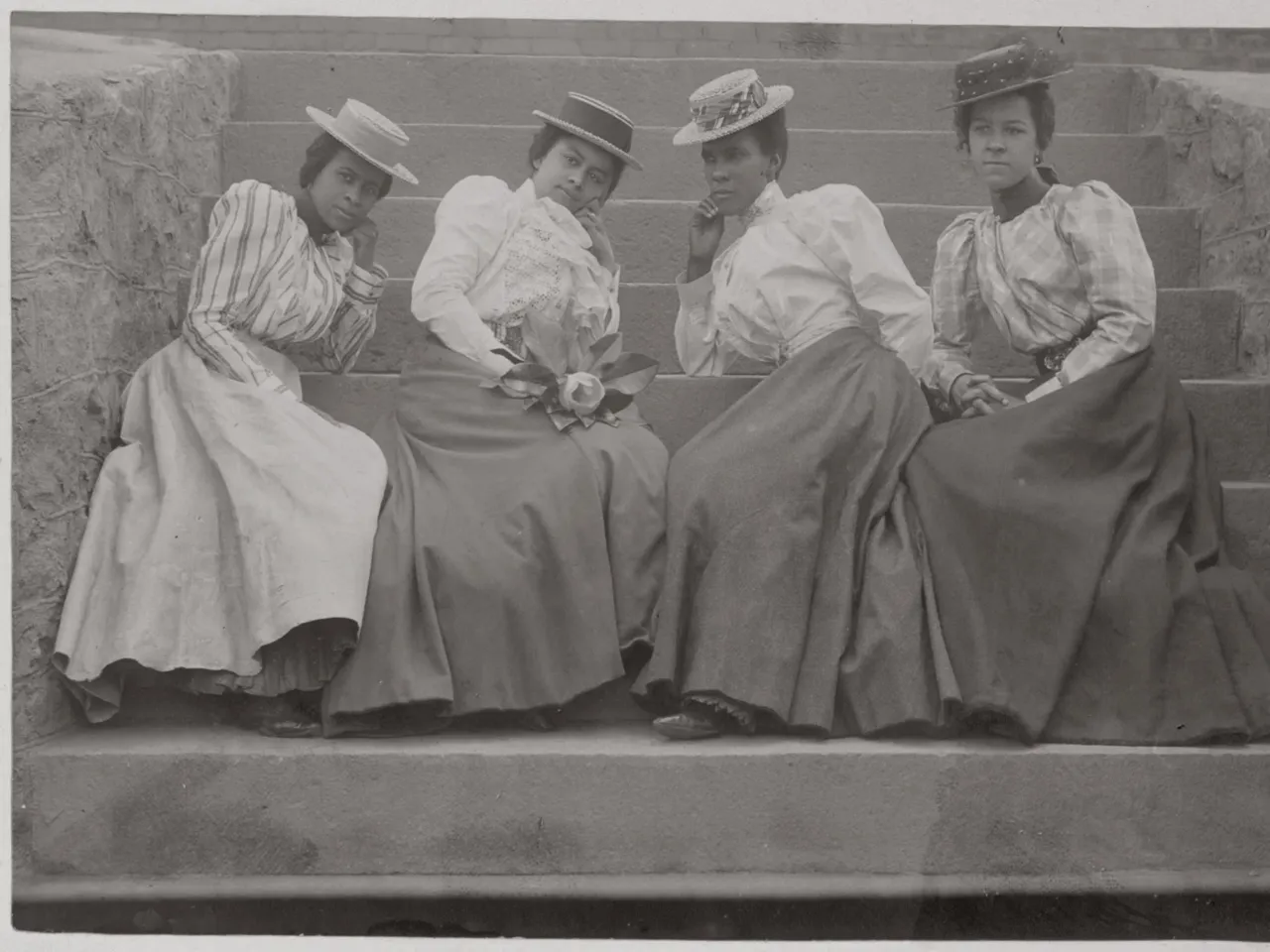
Four African American women sit on the steps of a building at Atlanta University in Georgia in this 1890s photograph by Thomas E. Askew. The image is one of the hundreds included in Reflections in Black, written and edited by scholar and NYU professor Deborah Willis.
Library of Congress
Four African American women sit on the steps of a building at Atlanta University in Georgia in this 1890s photograph by Thomas E. Askew. The image is one of the hundreds included in Reflections in Black, written and edited by scholar and NYU professor Deborah Willis.
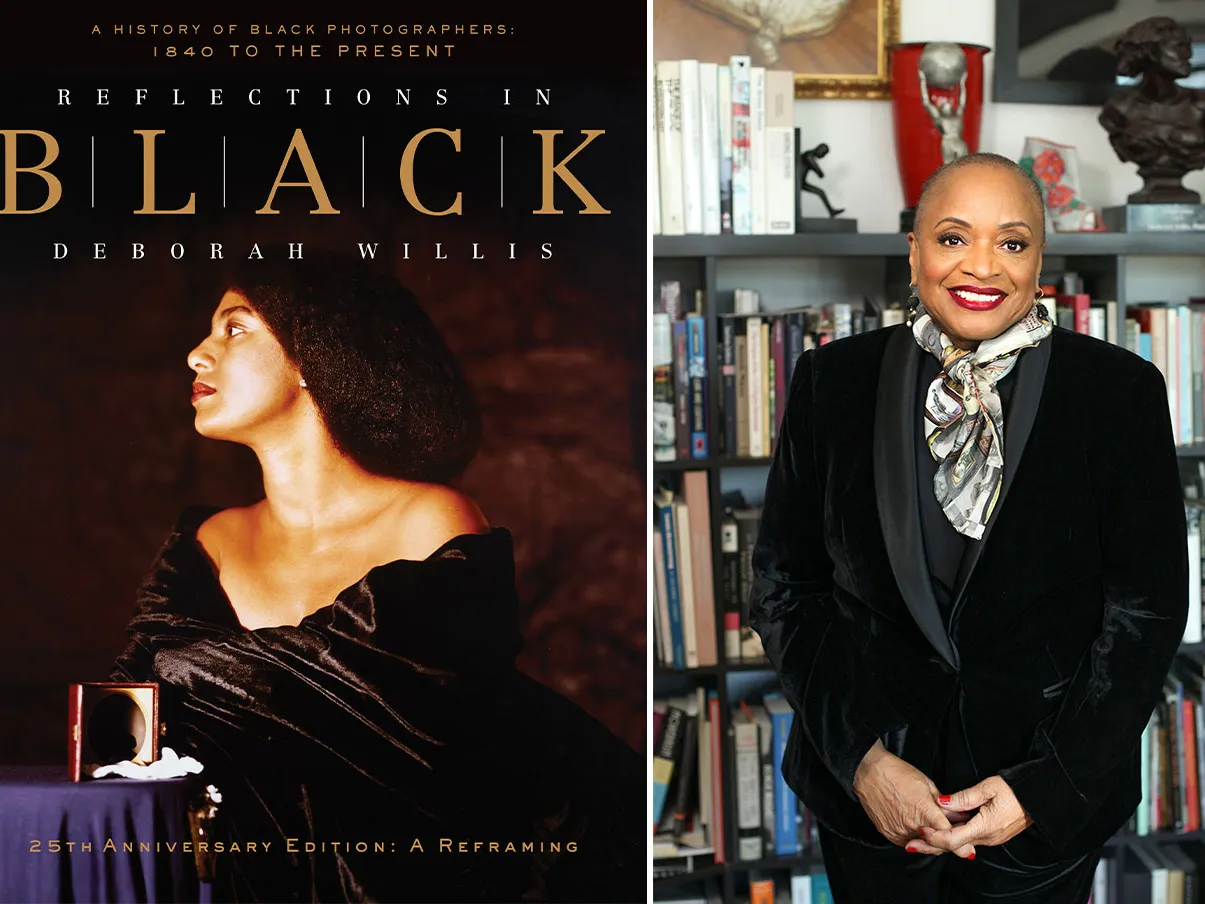
Deborah Willis, professor and chair of the Department of Photography and Imaging at NYU's Tisch School of the Arts, has released an updated anniversary edition of Reflections in Black: A History of Black Photographers, 1840 to the Present.
Deborah Willis, professor and chair of the Department of Photography and Imaging at NYU’s Tisch School of the Arts, has released an updated anniversary edition of Reflections in Black: A History of Black Photographers, 1840 to the Present. Willis: Laylah Amatullah Barrayn; Cover Image: Maud Sulter. /

Updated November 23, 2025 at 14:00 PM ET

For decades, Deborah Willis has dedicated her career to unearthing, cataloging and showcasing Black photographers and photographs of Black people. The MacArthur “Genius Award” winner is the author of a spectacular collection of books including the seminal Reflections in Black: A History of Black Photographers, 1840 to the Present.

Twenty-five years after its publication, a new edition of Reflections in Black is out with 130 new images and a gallery show inspired by the book. In the expansion of this book, Willis considered the effects of migration and the importance of images for people forced to leave home.

“The aspect of migration is a central way of me reading these images, today there are so many people who are from the diaspora that are photographers now,” she said. “When families had to leave home, with disaster today, what do you take with you now? Photographs are what people are taking.”

Morning Edition’s Michel Martin visited Willis at New York University’s Tisch School of the Arts, where she teaches and leads the photo department.

Here are four takeaways from their conversation.

1. Willis’ upbringing shaped her love for photography
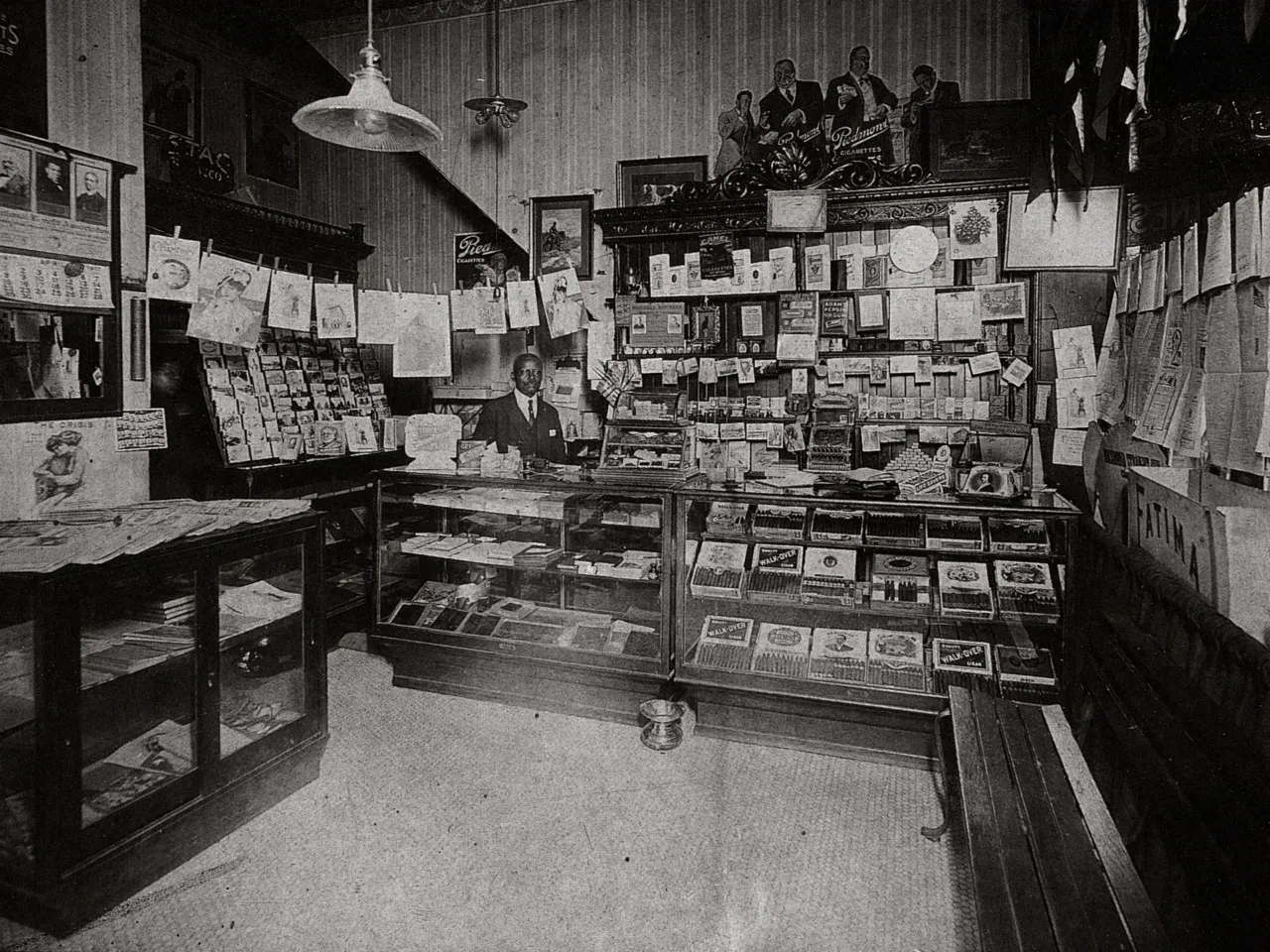
An interior view of a tobacco and newspaper store photographed by Daniel Freeman around 1917, from Reflections in Black.
An interior view of a tobacco and newspaper store photographed by Daniel Freeman around 1917, from Reflections in Black. Estate of Dr. James K. Hill, Washington, D.C. /

Willis grew up in North Philadelphia, Pennsylvania, where her mother had a beauty shop and kept what Willis calls: “the Black color wheel of magazines.”

The publications included Ebony, Jet, and Tan and featured images that influenced her growing up. Her father, a policeman and tailor, was also an amateur photographer.

2. Reflections in Black started as an undergrad paper 
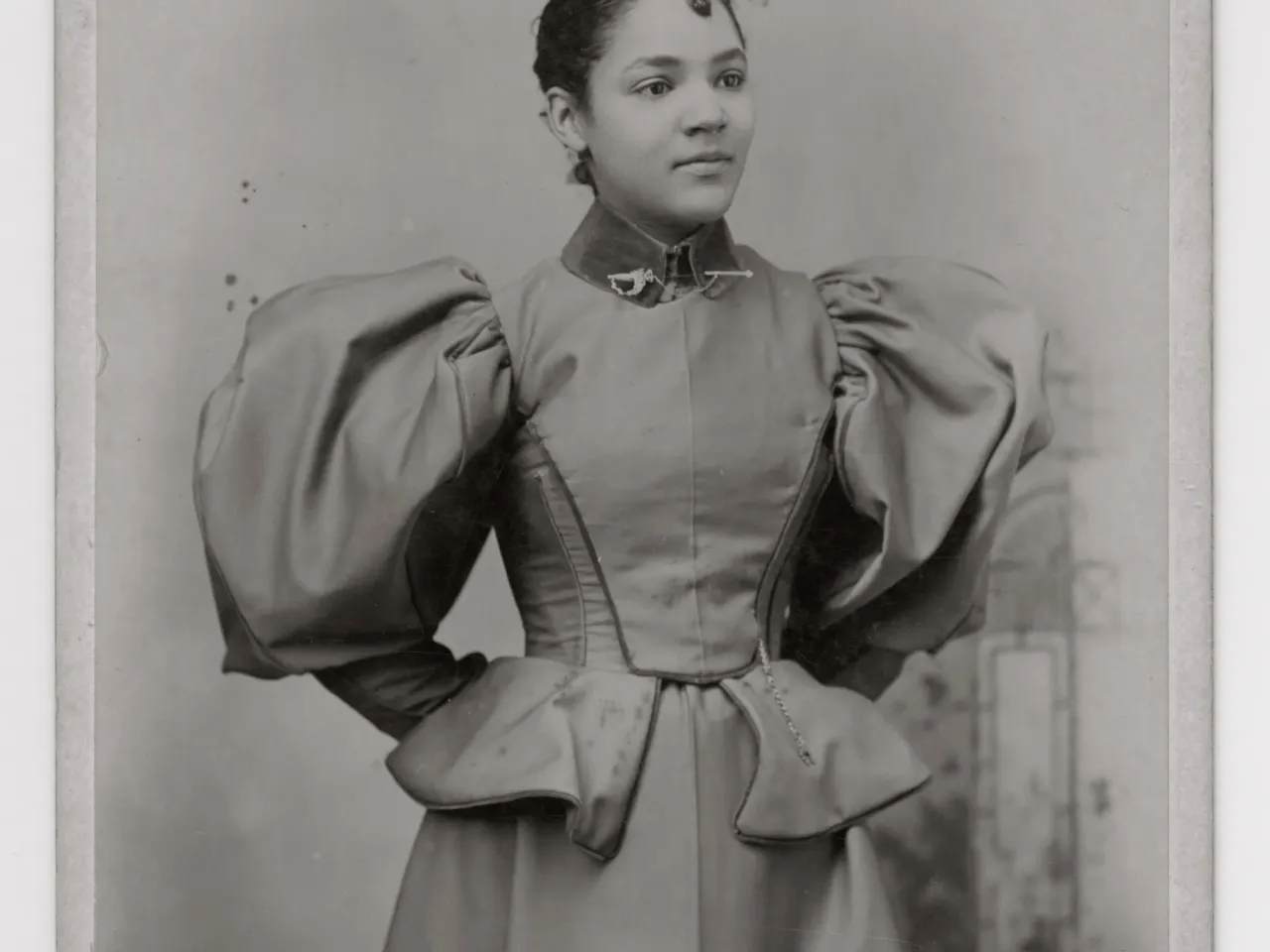
A portrait of an unidentified woman photographed by J.P. Ball in the 1890s, from Reflections in Black.
A portrait of an unidentified woman photographed by J.P. Ball in the 1890s, from Reflections in Black. Smithsonian National Museum of African American History and Culture. /

Willis was studying at the Philadelphia College of Art (the college merged with another institution to become the University of the Arts in Philadelphia in 1985. UArts closed its doors in 2024) when she asked a professor why Black photographers were missing from the history books.

“Where are the Black photographers?” she recalled. That question morphed into the monumental project that became Reflections in Black. She began her research by reading city directories.

“Because of segregation in the 19th century, I was able to identify with the asterisk the colored photographers … I created this list of 500,” she said.

She took that list to the Schomburg Center in Harlem, where she found some of the photographers’ images and created portfolios for each one. Later, with the help of Richard Newman, her “publishing angel,” the paper she wrote as an undergraduate grew into a book.

3. Frederick Douglass understood photography as biography

Frederick Douglass was one of the most photographed people during the 19th century. The writer and abolitionist is known to have had about 160 photographs and portraits made of him.

“I believe in reading his words that photography was biography,” Willis said. “We’ve not found a photograph of him smiling.” She emphasized Douglass himself collaborated with the photographer behind the lens in part as an effort to counter degrading images of Black people.

4. Willis searched for “The Exhibit of American Negroes,” which W.E.B. Du Bois organized for the 1900 Paris Exposition 
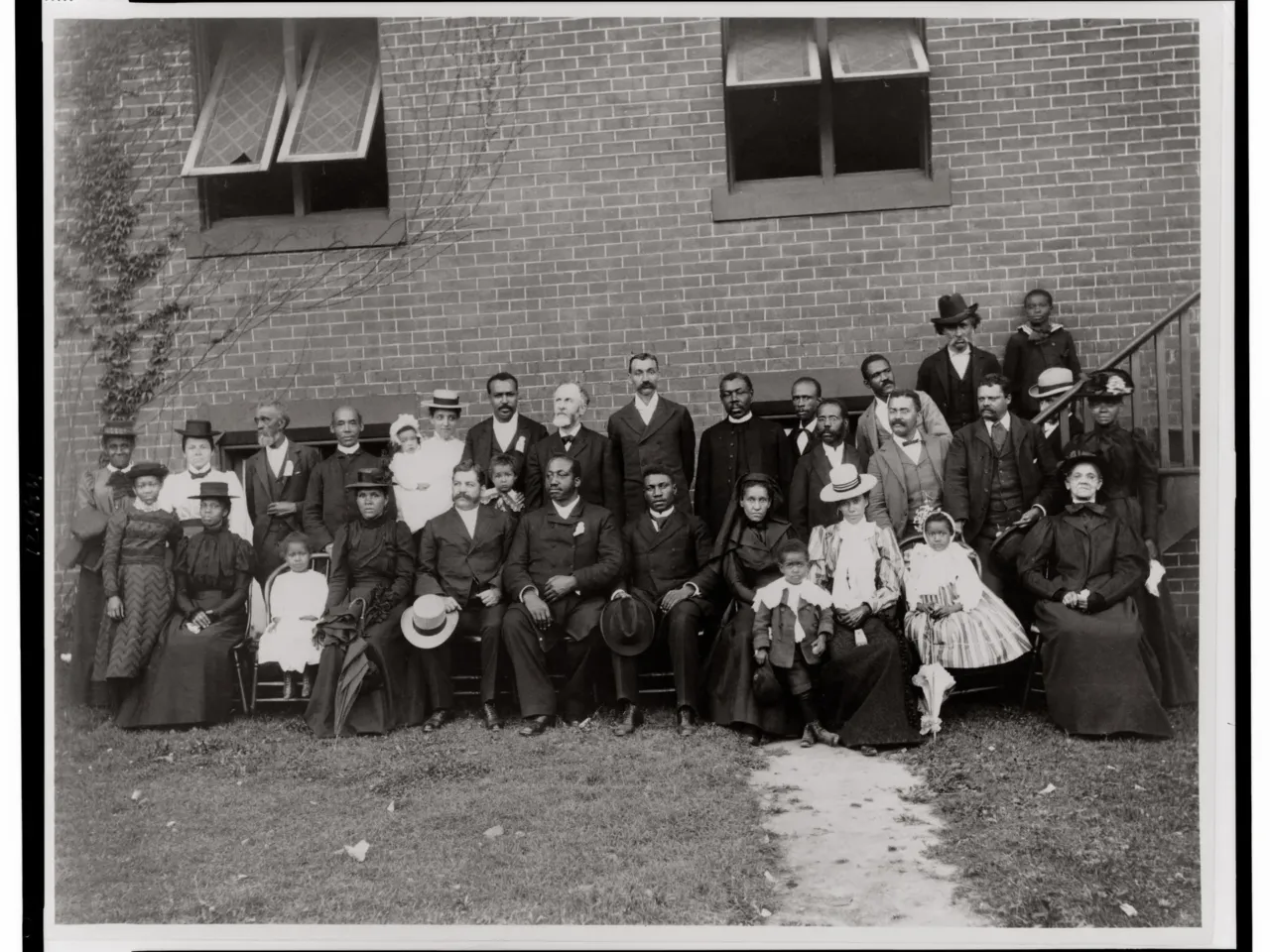
Members of the First Congregational Church in Atlanta pose outside the church in this photograph by Thomas E. Askew. The image appears in W.E.B. Du Bois' albums of photographs of African Americans in Georgia exhibited at the 1900 Paris Exposition Universelle, and is included in Reflections in Black.
Members of the First Congregational Church in Atlanta pose outside the church in this photograph by Thomas E. Askew. The image appears in W.E.B. Du Bois’ albums of photographs of African Americans in Georgia exhibited at the 1900 Paris Exposition Universelle, and is included in Reflections in Black. Library of Congress /

Wills first heard about the exhibit in the 1970s, when she went to the Library of Congress looking for photographs from it. She said staff told her the photographs didn’t exist.

Twenty years later, photographs from the exhibit were retrieved by a young Black man working in the archives. “They didn’t exist because they weren’t processed,” Willis told NPR.

Du Bois, she said, understood the importance of photography and often asked, “Why aren’t there more Black photographers, Black men studying photography?”

The digital version of this interview was edited by Majd Al-Waheidi and Danielle Scruggs.

Copyright 2025 NPR

Tags

Michel Martin is the weekend host of All Things Considered and host of the Consider This Saturday podcast, where she draws on her deep reporting and interviewing experience to dig in to the week's news. Outside the studio, she has also hosted "Michel Martin: Going There," an ambitious live event series in collaboration with Member Stations.

Martin came to NPR in 2006 and launched Tell Me More, a one-hour daily NPR news and talk show that aired on NPR stations nationwide from 2007-2014 and dipped into thousands of important conversations taking place in the corridors of power, but also in houses of worship, and barber shops and beauty shops, at PTA meetings, town halls, and at the kitchen table.

She has spent more than 25 years as a journalist — first in print with major newspapers and then in television. Tell Me More marked her debut as a full-time public radio show host. Martin says, "What makes public radio special is that it's got both intimacy and reach all at once. For the cost of a phone call, I can take you around the world. But I'm right there with you in your car, in your living room or kitchen or office, in your iPod. Radio itself is an incredible tool and when you combine that with the global resources of NPR plus the commitment to quality, responsibility and civility, it's an unbeatable combination."

Martin has also served as contributor and substitute host for NPR newsmagazines and talk shows, including Talk of the Nation and News & Notes.

Martin joined NPR from ABC News, where she worked since 1992. She served as correspondent for Nightline from 1996 to 2006, reporting on such subjects as the congressional budget battles, the U.S. embassy bombings in Africa, racial profiling and the aftermath of Hurricane Katrina. At ABC, she also contributed to numerous programs and specials, including the network's award-winning coverage of Sept. 11, a documentary on the Anita Hill-Clarence Thomas controversy, a critically acclaimed AIDS special and reports for the ongoing series "America in Black and White." Martin reported for the ABC newsmagazine Day One, winning an Emmy for her coverage of the international campaign to ban the use of landmines, and was a regular panelist on This Week with George Stephanopoulos. She also hosted the 13-episode series Life 360, an innovative program partnership between Oregon Public Broadcasting and Nightline incorporating documentary film, performance and personal narrative; it aired on public television stations across the country.

Before joining ABC, Martin covered state and local politics for the Washington Post and national politics and policy at the Wall Street Journal, where she was White House correspondent. She has also been a regular panelist on the PBS series Washington Week and a contributor to NOW with Bill Moyers.

Martin has been honored by numerous organizations, including the Candace Award for Communications from The National Coalition of 100 Black Women, the Joan Barone Award for Excellence in Washington-based National Affairs/Public Policy Broadcasting from the Radio and Television Correspondents' Association and a 2002 Silver Gavel Award, given by the American Bar Association. Along with her Emmy award, she received three additional Emmy nominations, including one with WNYC's Robert Krulwich, at the time an ABC contributor as well, for an ABC News program examining children's racial attitudes. In 2019, Martin was elected into the American Academy of Arts and Sciences for outstanding achievement in journalism. She is the 2021 recipient of PMJA's 2021 Leo C. Lee Award.

A native of Brooklyn, N.Y., Martin graduated cum laude from Radcliffe College at Harvard University in 1980 and earned a Master of Arts from the Wesley Theological Seminary in 2016.

Related Stories