Copyright © 2026 VPM, all rights reserved.
PBS is a 501(c)(3) not-for-profit organization.
VPM News Morning Edition
NEXT UP: 9:00 AM

Thanks to our sponsors – Become a Sponsor

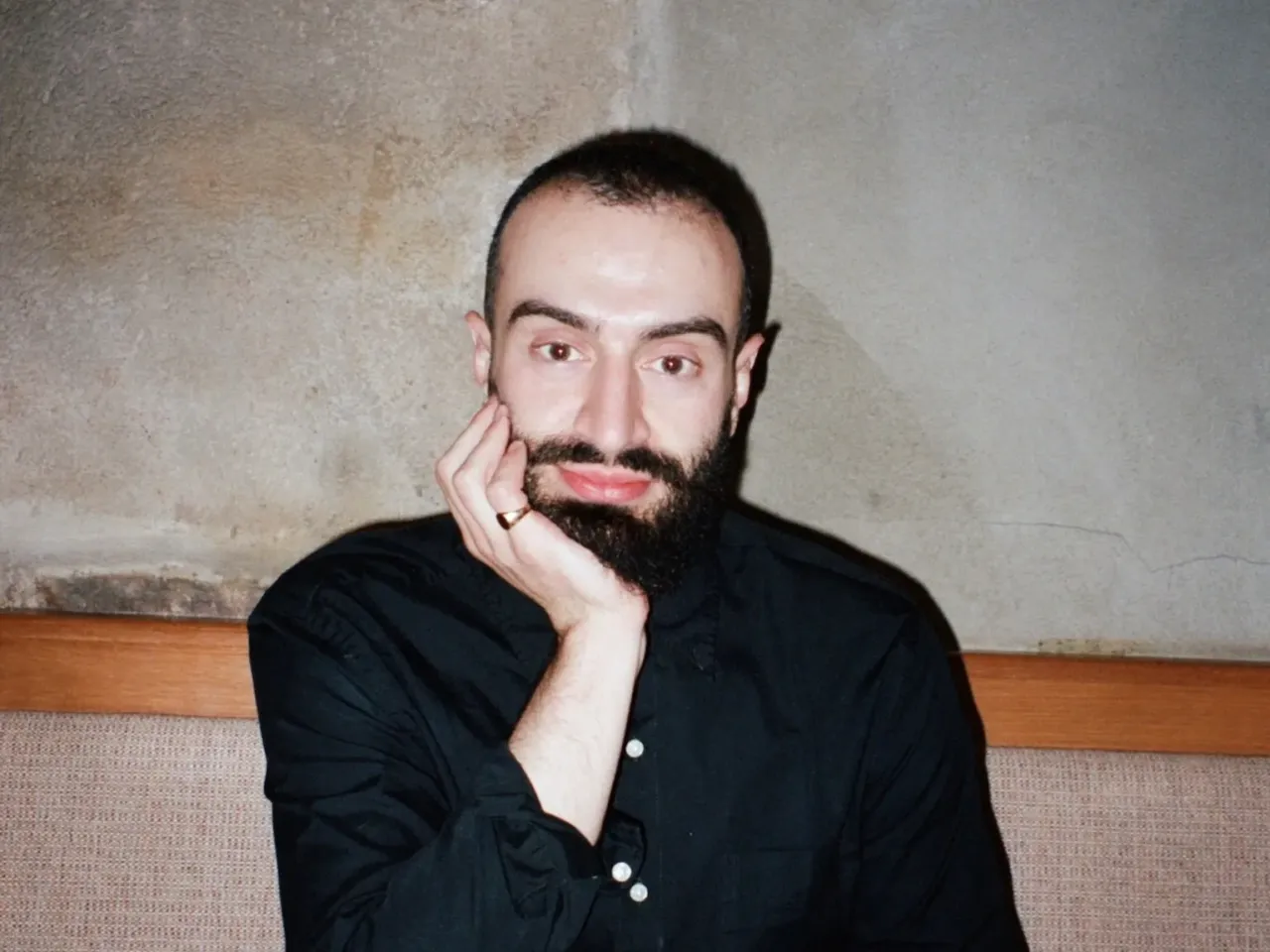
Meet the new WaPo food critic who won’t dine in anonymity

Elazar Sontag, the new food critic at The Washington Post, talks with NPR's Morning Edition about ending anonymity and rethinking how restaurant criticism can feel more accessible.
Sara Merg
Elazar Sontag, the new food critic at The Washington Post, talks with NPR's Morning Edition about ending anonymity and rethinking how restaurant criticism can feel more accessible.

Elazar Sontag did not suggest a coveted reservation for our first lunch together. Instead, The Washington Post’s new food critic led the way to a church cafeteria tucked behind a parking lot near Mt. Vernon Square, a place that symbolizes what he wants food criticism in Washington to be about.

Sontag joined the Post in November, succeeding Tom Sietsema who held the role for 25 years.

After several years as Bon Appétit’s restaurant editor, he arrived in Washington with excitement to rethink some of the long-standing traditions of the profession. To start, he has ditched anonymity and restored the star rating system. Changes he describes, in part, as generational but also practical.

“The big consideration for me is how do we make restaurant criticism feel like something that everyone needs, that it doesn’t feel out of reach,” Sontag said. “Part of that is putting it on different platforms, and it’s really hard to do that if you can’t show your face.”

That was indeed part of our time (and delicious interview) on a recent chilly afternoon, when Morning Edition’s Leila Fadel and her team joined Sontag at Saint’s Paradise Cafeteria at The United House of Prayer for All People.

After several visits to the bustling space as research for a profile, Sontag told us the community space — known for its soul food — is more than “just a cafeteria.”

“The layers of what makes this place unique puts it on par with any of the most serious restaurants in the city,” he said. “It’s almost a living piece of history.”

Listen to the full interview by clicking on the blue button above.

This interview was produced by Kaity Kline, Julie Depenbrock and Ava Pukatch. The digital version was edited by Majd Al-Waheidi.

Copyright 2025 NPR

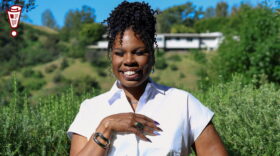
Leila Fadel is a host of Morning Edition, as well as NPR's morning news podcast Up First.

As a national correspondent, Fadel consistently reported on the fault lines of this divided nation. She flew to Minneapolis in the midst of the pandemic as the city erupted in grief and anger over the killing of George Floyd. She's reported on policing and race, on American Muslim communities and on the jarring inequities the coronavirus laid bare in the healthcare system. Her "Muslims in America: A New Generation" series, in collaboration with National Geographic, won the prestigious Goldziher Prize in 2019.

Previously, she was NPR's international correspondent based in Cairo and covered the wave of revolts in the Middle East and their aftermaths in Libya, Tunisia, Egypt, and beyond. Her stories brought listeners to the heart of a state-ordered massacre of pro-Muslim Brotherhood protesters in Cairo in 2013 when police shot into crowds of people to clear them and killed between 1,000 and 2,000 people. She told the tales of a coup in Egypt and what it is like for a country to go through a military overthrow of an elected government. She covered the fall of Mosul to ISIS in 2014 and documented the harrowing tales of the Yazidi women who were kidnapped and enslaved by the group. Her coverage also included stories of human smugglers in Egypt and the Syrian families desperate and willing to pay to risk their lives and cross a turbulent ocean for Europe.

She was awarded the Lowell Thomas Award from the Overseas Press Club for her coverage of the 2013 coup in Egypt and the toll it took on the country and Egyptian families. In 2017 she earned a Gracie award for the story of a single mother in Tunisia whose two eldest daughters were brainwashed and joined ISIS. The mother was fighting to make sure it didn't happen to her younger girls.

Before joining NPR, Fadel covered the Middle East for The Washington Post as the Cairo Bureau Chief. Prior to her position as Cairo Bureau Chief for the Post, she covered the Iraq war for nearly five years with Knight Ridder, McClatchy Newspapers, and later the Washington Post. Her foreign coverage of the devastating human toll of the Iraq war earned her the George. R. Polk award in 2007. In 2016 she was the Council on Foreign Relations Edward R. Murrow fellow.

Fadel is a Lebanese-American journalist who speaks conversational Arabic and was raised in Saudi Arabia and Lebanon.

Related Stories