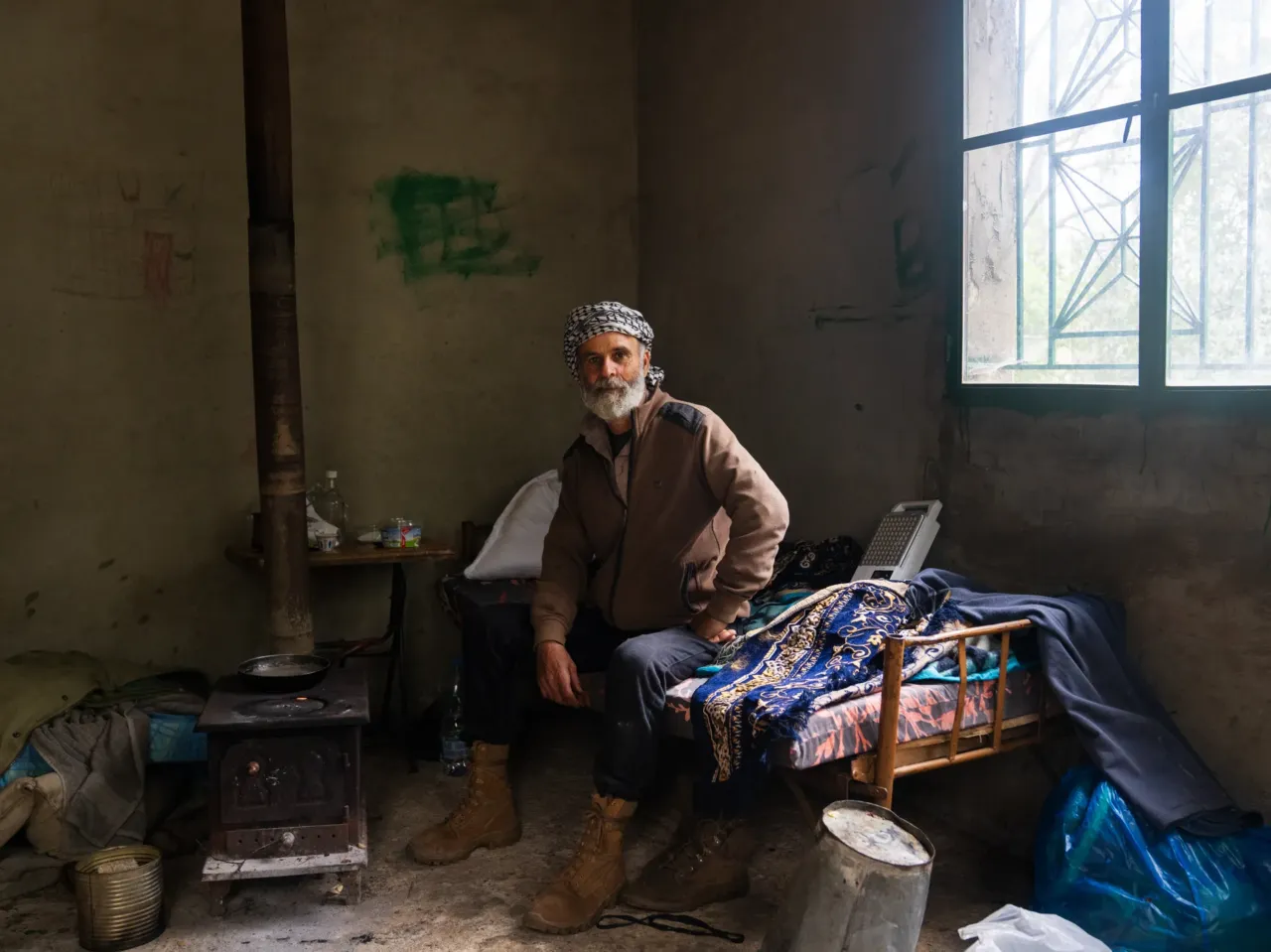
He’s from a long line of shepherds and farmers in the town of Kfar Houneh, in southern Lebanon. In his 56 years, he has stayed put — in these rocky olive and citrus groves of his ancestors — through nearly every war Israel has fought with its neighbors. But this time feels different, he says.
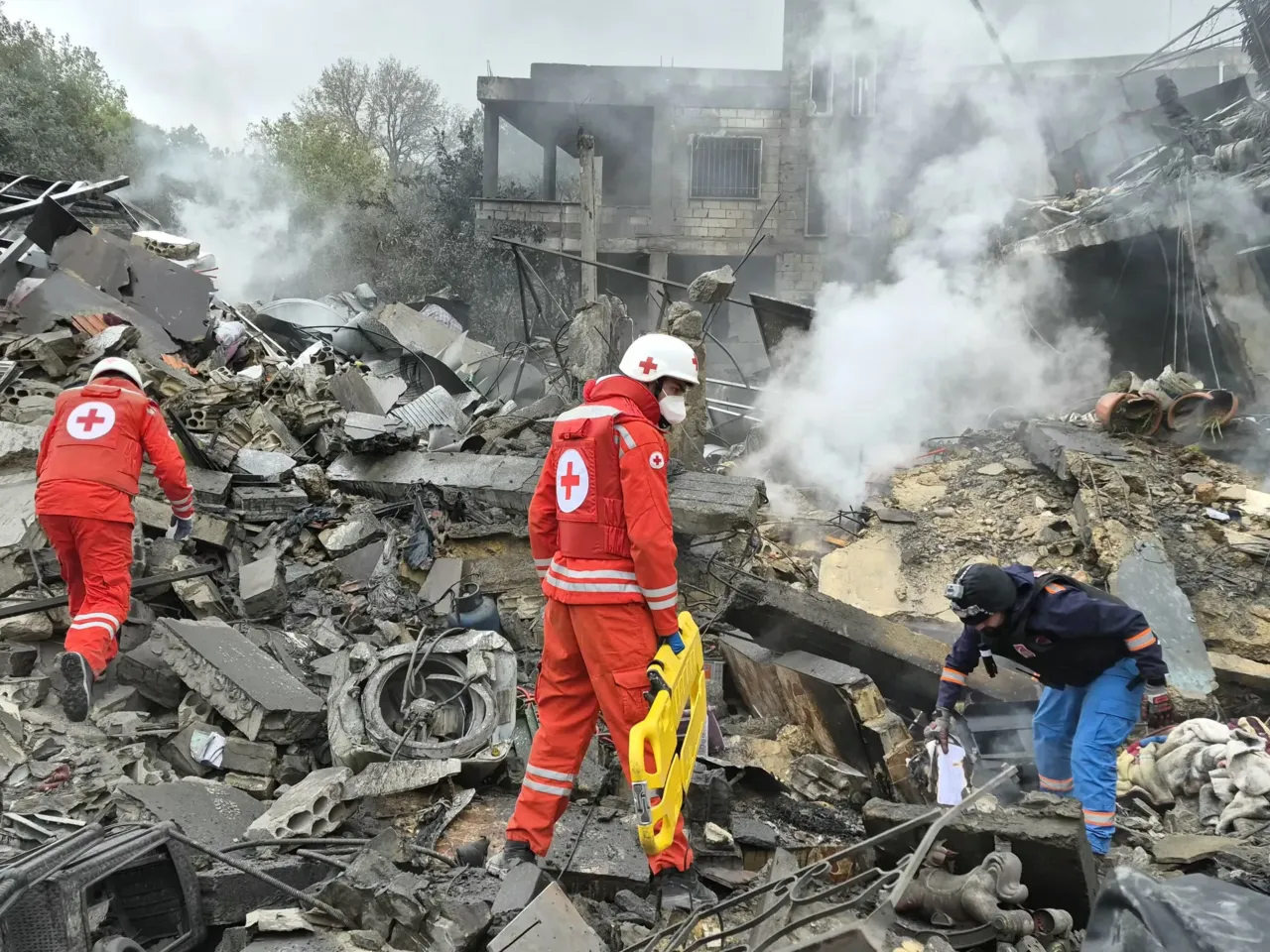
The Israeli invasion of Lebanon — aimed at ousting Iranian-backed Hezbollah militants from these same rocky hills — has triggered one of the biggest and fastest displacements in Lebanon’s history, affecting more than a million people, or about a fifth of the population. Israel has ordered residents to move north of the Zahrani River, below which Israeli airstrikes have destroyed bridges, homes, highways and gas stations. That evacuation zone comprises 15% to 20% of Lebanon’s territory.
“Airstrikes, warplanes, you hear it, you see it all around you,” Issa recalls of his harrowing drive north, in a truck carrying his mules.
What Israel is doing in southern Lebanon
Katz says once hostilities cease, Israel will “maintain security control” over a smaller border area, up to the Litani River, encompassing about half of the larger evacuation zone, or roughly 8% to 15% of Lebanese territory. He said more than 600,000 residents who evacuated northward will be “completely prohibited south of the Litani, until the safety and security of northern Israeli residents are guaranteed.”
Loading…
Israeli officials have not said how long that might be. Hezbollah retains support among many in southern Lebanon, and is still firing rockets at northern Israel.“You get displaced, and you leave your house, and maybe you never come back,” Issa says. “We are besieged.”
Human rights groups say forced displacement is a possible war crime
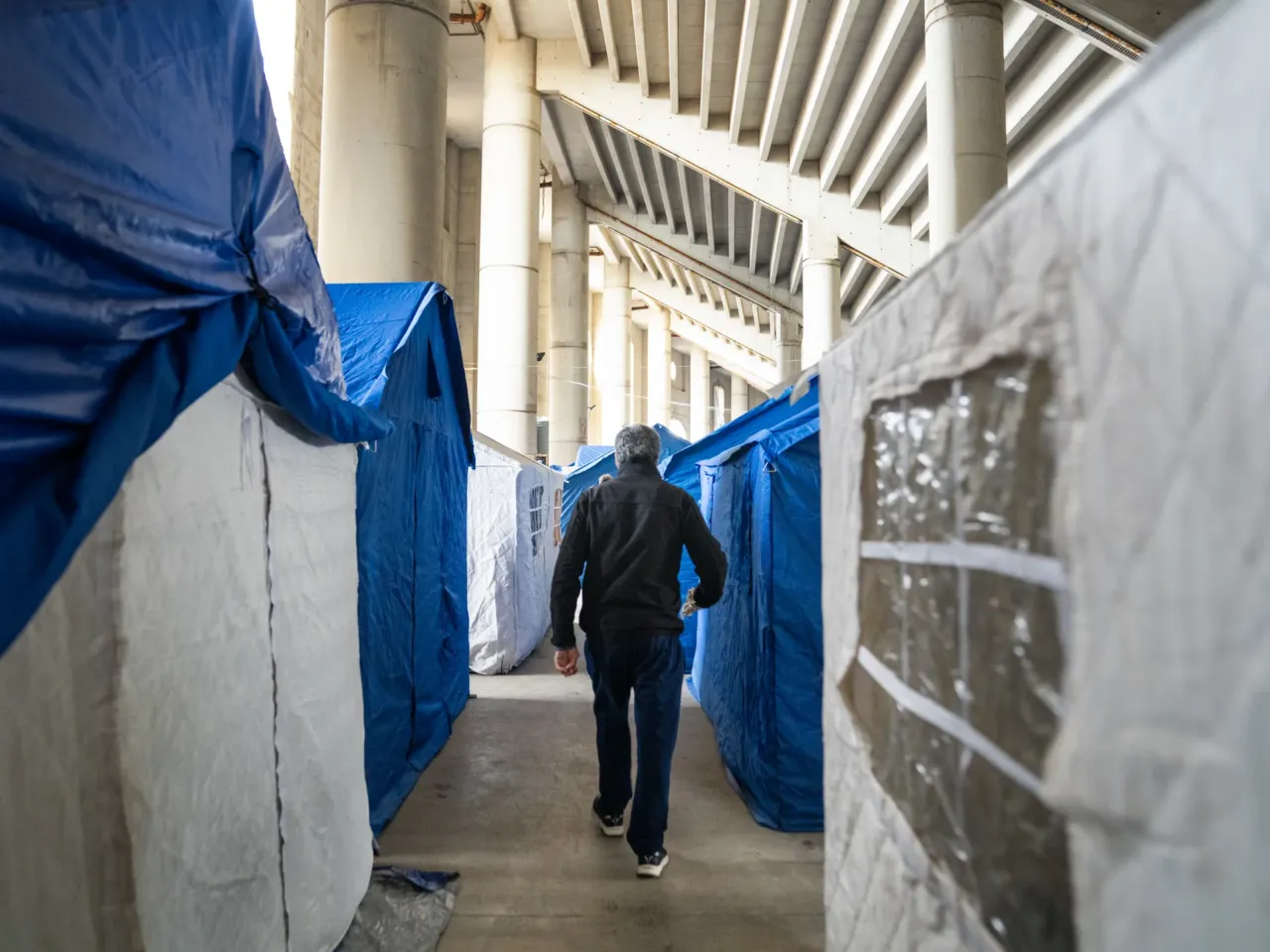
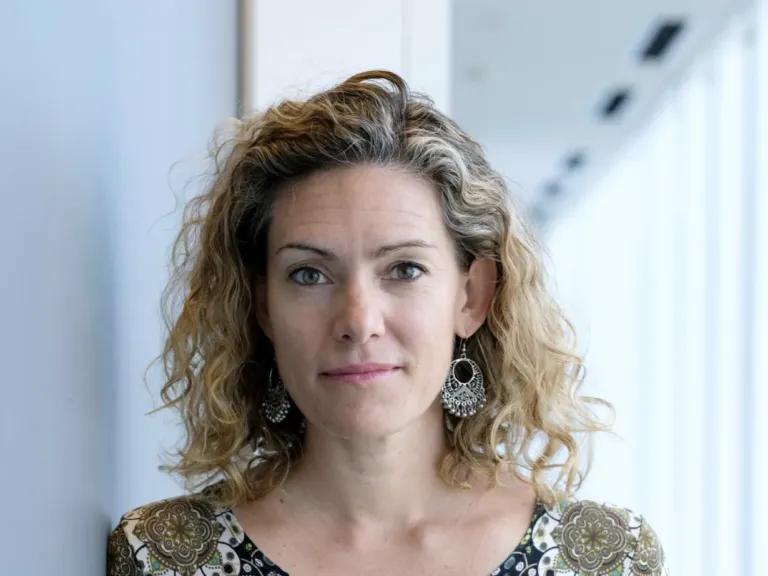
“You cannot tie people’s return to their homes to some vague safety guarantee that you decide,” Kaiss says. “People must be allowed to return to their homes, once the hostilities cease.”
If people think they might never be allowed into their homes, that could influence their decision about whether or not to leave — even if in real danger, he says.
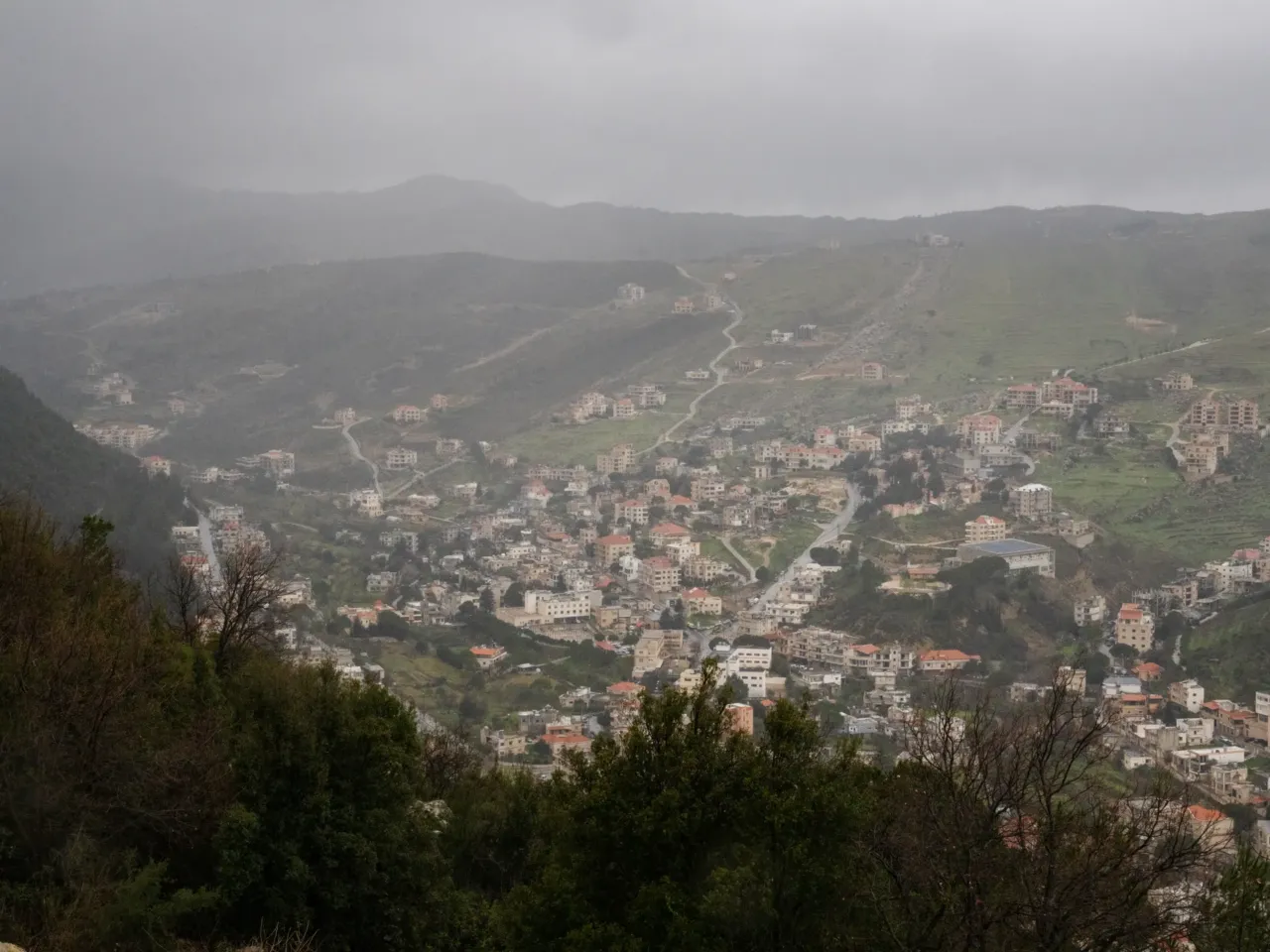
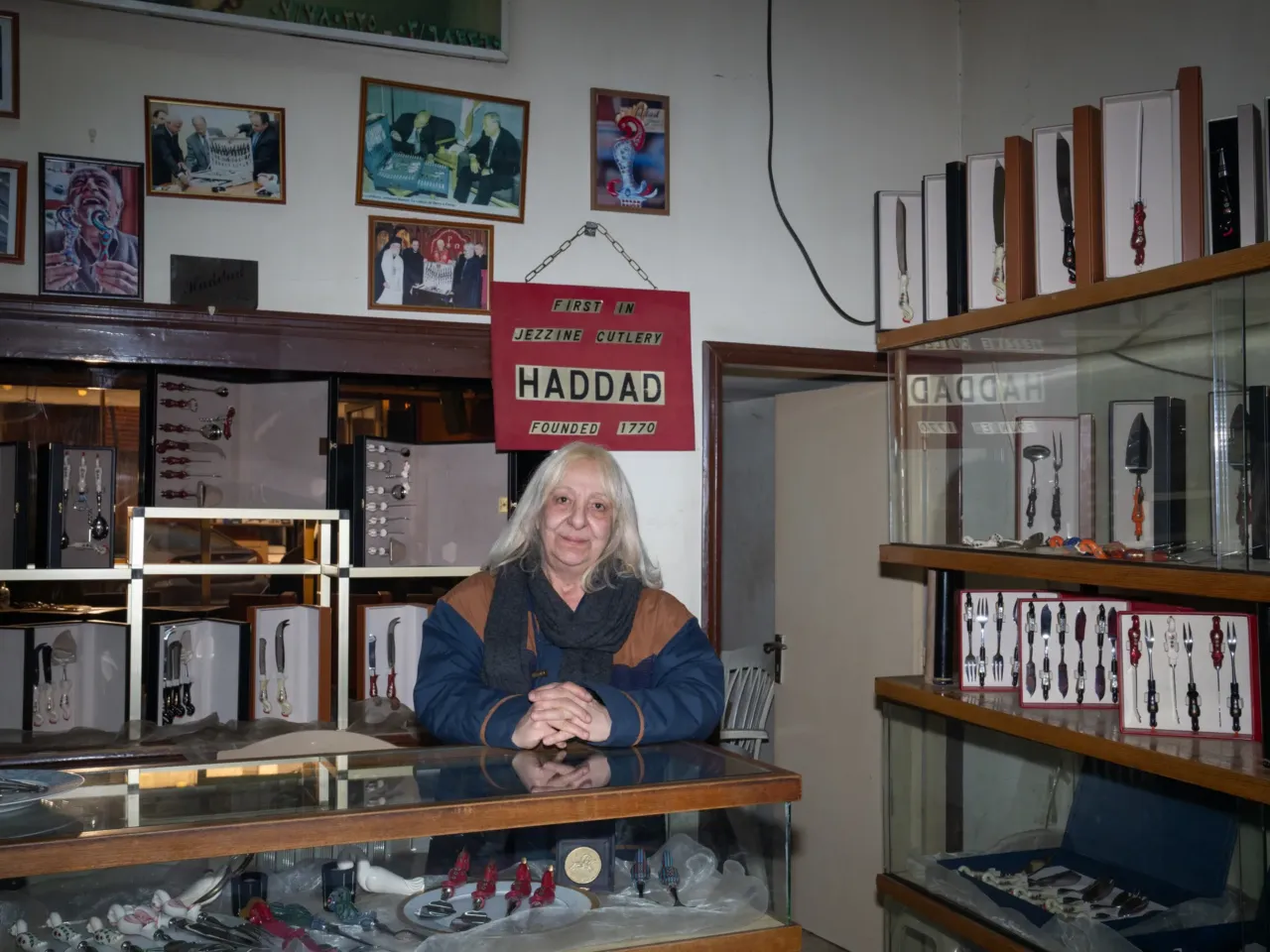
On the main shopping street in Jezzine, a mountain town just north of the evacuation zone, Haddad Cutlery has been in business since 1770. The manager, Grace Rizk, 65, prides herself on staying open “seven days a week, through every war.”
Lebanon has been through this before
The mayor of Jezzine, David El Helou, recalls how Israel occupied southern Lebanon from 1982 to 2000. Israeli soldiers set up a checkpoint near his house.
Back then, Israel was battling Palestinian militants. Now it’s Hezbollah.
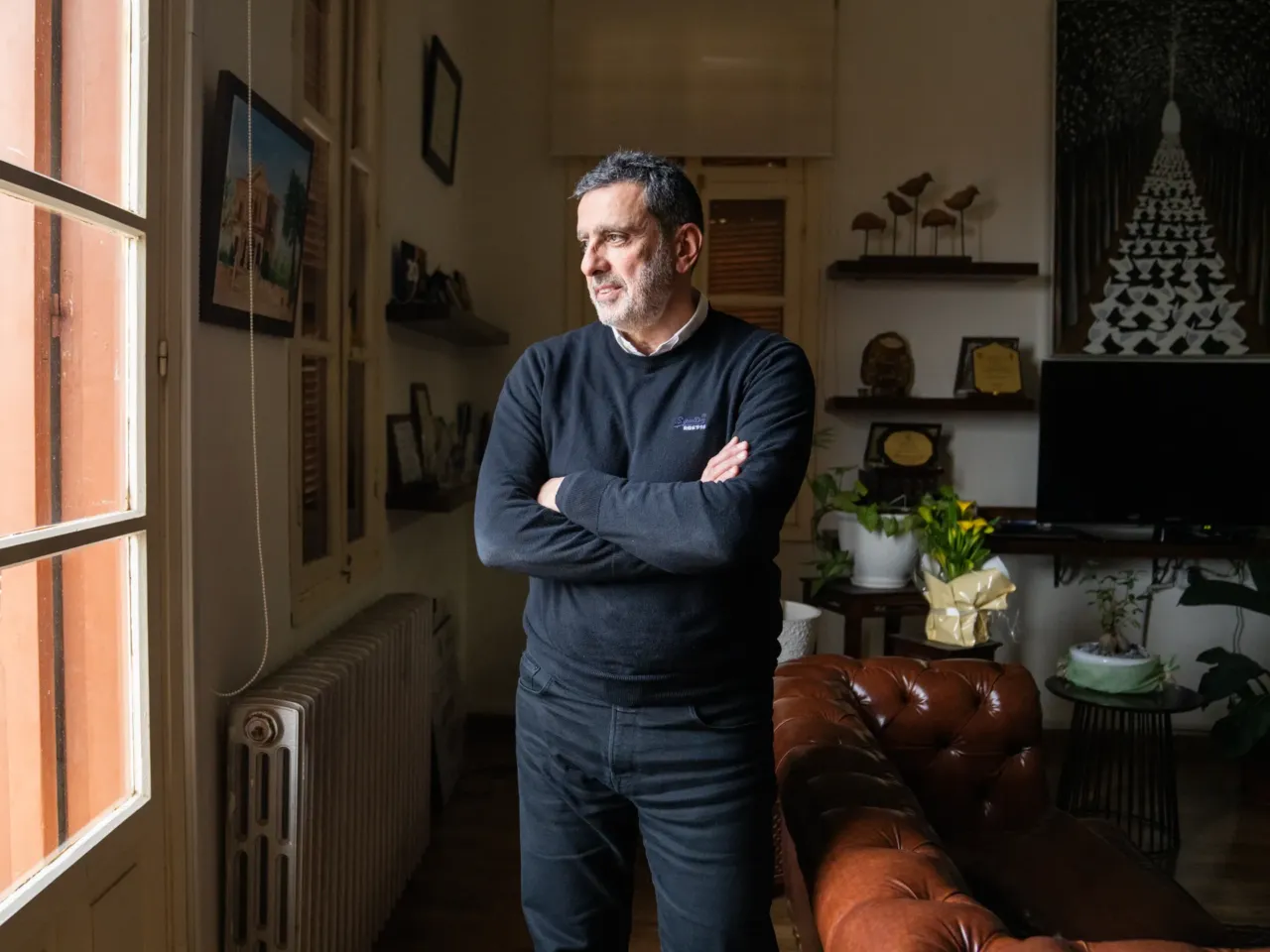
“We are in an uncertain situation,” El Helou says. “You can never be sure when it’s going to end, which direction it’s going to take, what’s going to happen. The fear is always there.”
Copyright 2026 NPR