JEZZINE, Lebanon — A priest stands in his village square, surrounded by dozens of neighbors, pleading for all of their lives.
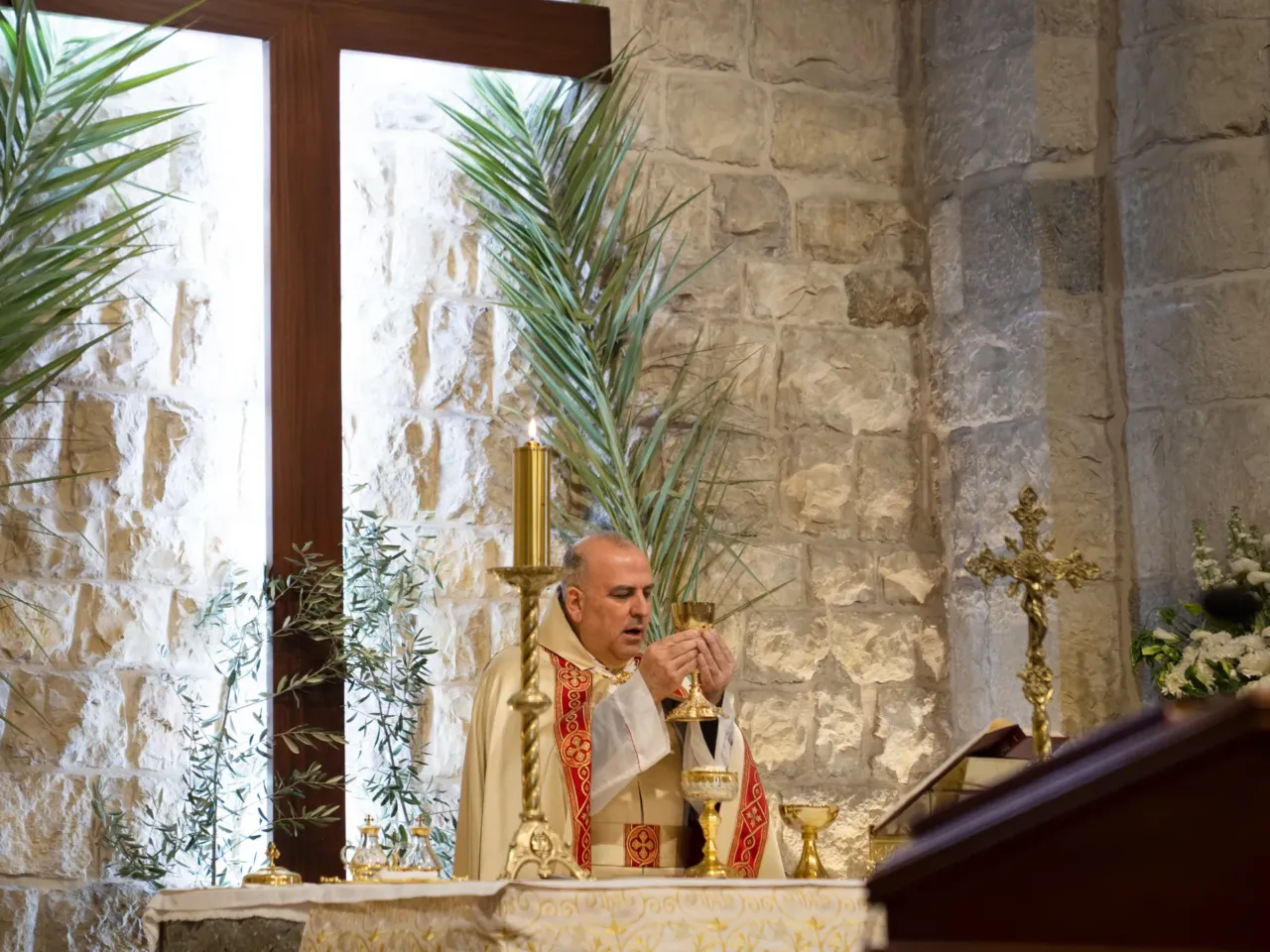
In recent days, video footage of Father Najib Amil, a Maronite Catholic priest in the mostly Christian village of Rmeich, Lebanon — about a mile, as the crow flies, from the Israeli border — has gone viral on social media. The video shows the religious leader begging the Lebanese Army not to withdraw from southern Lebanon, as Israel invades.
In normal times, the Lebanese Army secures supply routes for food and fuel in this region, and many locals — especially Christians — say it makes them feel protected.
“Either we all die, and our village is lost,” Amil says in the video. “Or we all live, and our villages survive.” His neighbors erupt in applause.
But since the footage was recorded March 31, Lebanese Army tanks have withdrawn, as Israeli ones approached.
That has left people in the area feeling unprotected.
“We’ve stockpiled supplies that’ll last only 20 days. After that, I don’t know what we’ll do,” Amil told NPR by phone. “We’re worried our country may get divided, that we may no longer be part of Lebanon. We’re worried about the future.”
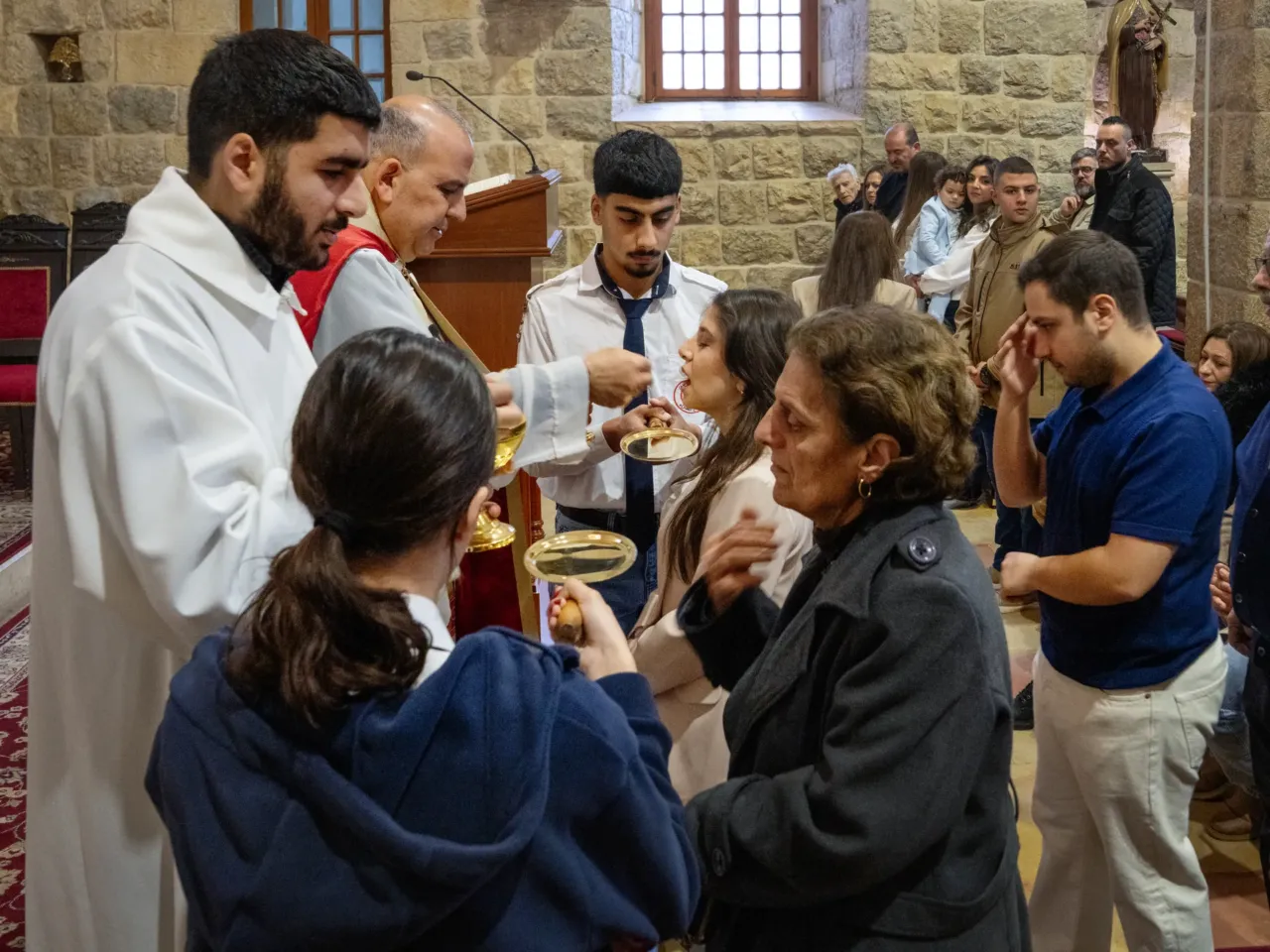
As Israel orders residents out of Lebanon’s south, some Christians have stayed — and are observing Easter under siege.
Why some Christians are staying put in a warzone
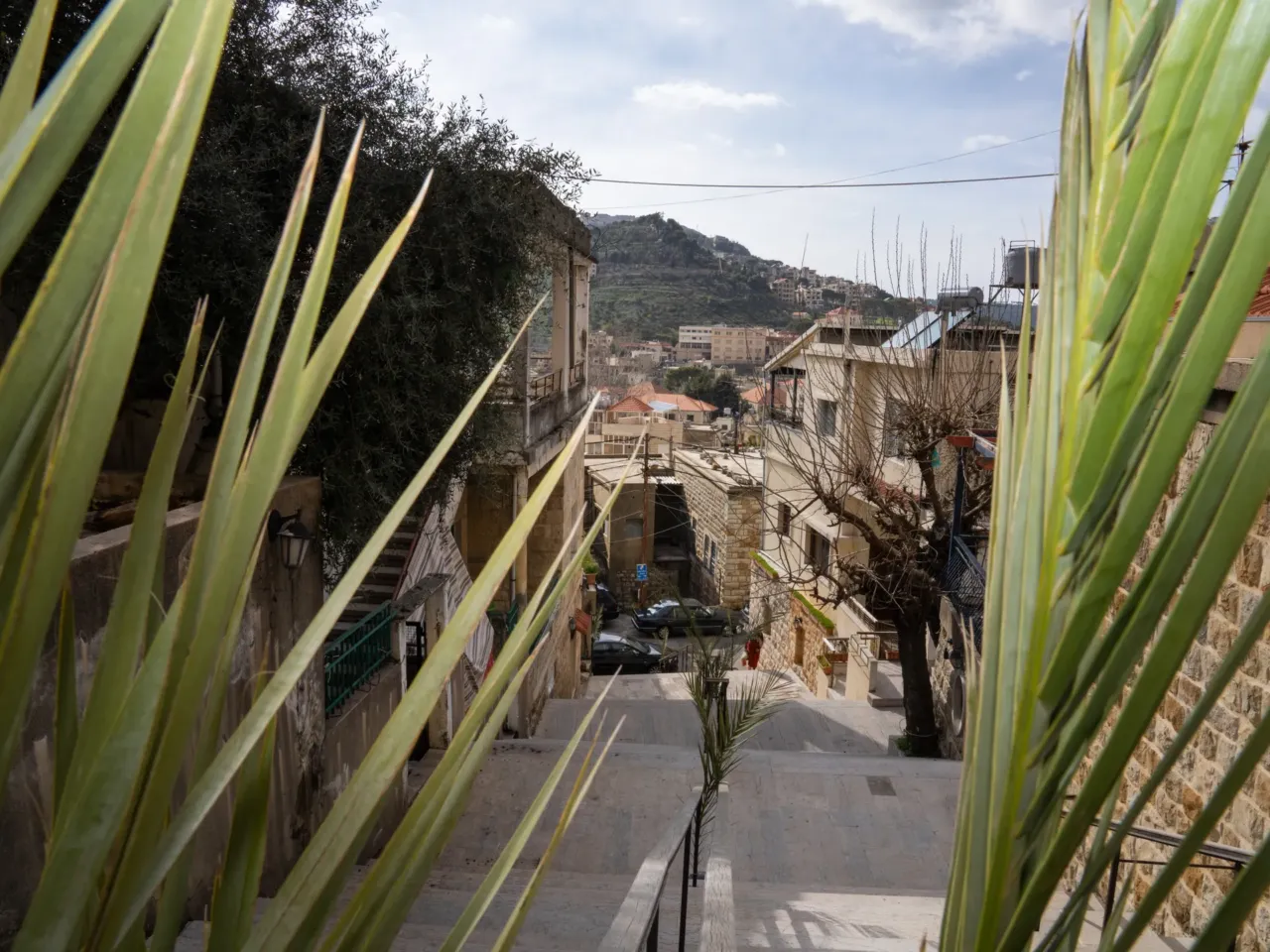
In the mostly Christian town of Jezzine, famous for a mountain waterfall, there are no tourists now — only the displaced.
“This war has nothing to do with us Christians,” says Naim Rouhaim, 59, whose brother is the local parish priest. “But we’re helping our neighbors.”
He took NPR on a tour, pointing out homes that have taken in Shiite Muslims fleeing Israeli attacks farther south.
Across southern Lebanon, many Christians say the same: Israel is targeting Shiite Muslim fighters, not them, so they intend to remain in their homes.
Last month, a group of priests got together in the Christian town of Marjayoun, south of Jezzine, and videoed themselves ringing church bells in defiance — signaling they would stay on their land.
But a few days later, one of the priests — Father Pierre Rai, from the nearby village Qlayaa — was killed by an artillery shell which locals say was Israel’s, and Israel says was Hezbollah’s.
What Israel says
Israel says it’s targeting Shiite Muslim Hezbollah fighters, not civilians, in southern Lebanon.
This front in the wider Middle East war began when, after the United States and Israel attacked Iran, that country’s ally Hezbollah fired rockets southward from Lebanon into northern Israel.
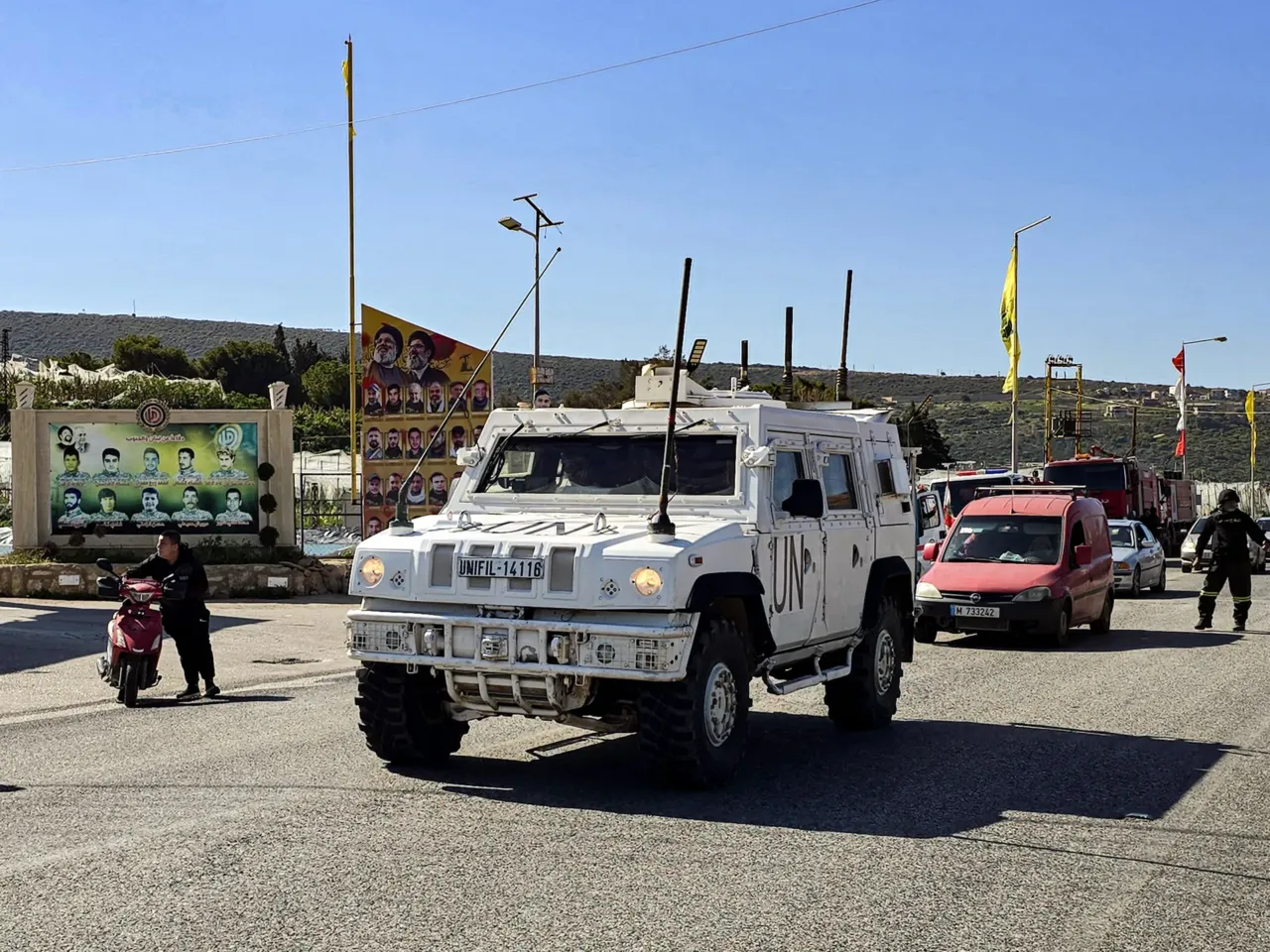
But even before that, Israel was conducting near-daily airstrikes in southern Lebanon, in what U.N. peacekeepers say is a violation of a ceasefire agreed in late 2024, which was supposed to draw a line under a previous war with Hezbollah.
Israel’s defense minister, Israel Katz, says he’s now “accelerating the destruction of Lebanese homes” in the country’s south, in accordance with what he calls a “Gaza model” — so that Hezbollah can’t use them. He has not made a distinction, at least publicly, between Christian homes and Muslim ones.
Municipal officials in Debil, another Christian village north of Rmeich, told NPR Israeli troops have blown up about dozen homes there during Easter weekend. On Easter Sunday, a Vatican-led aid convoy to Debil was canceled for “security reasons.”
According to the terms of that 2024 ceasefire, the Lebanese Army is tasked with disarming militants south of the Litani River, which runs east-west some 10 to 20 miles north of the Israeli border. But Lebanese troops are outgunned by both Hezbollah and Israel. So Israel says it’s disarming Hezbollah instead. Some Israeli officials say they want to make the Litani the new border between the two countries.
Announcing its withdrawal from some areas of the country’s south, the Lebanese Army said last week that some of its units have been “surrounded, isolated, and cut off from supply lines.” The army said that it is operating “under significant pressure” with “limited resources.”
How the U.S. sees this
The U.S. ambassador to Lebanon, Michel Issa — who was born in Beirut, and speaks fluent Arabic — says Washington asked Israel to spare Christian villages from bombardment.
“We received a promise to that effect, on the condition that Hezbollah members do not infiltrate into these villages,” he told reporters, adding that the U.S. also asked the Lebanese army to “maintain presence,” but that “no one knows how things will turn out.”
Some Christians say they even got a promise from Israel directly, in the form of phone calls in Hebrew-accented Arabic.
“We don’t want you to flee, but we will strike if anyone in your village has any contact with Hezbollah,” the voice says, according to a recording made by a municipal official and shared with journalists. “You will bear responsibility, and that would be a shame.”
The Israeli military didn’t answer NPR’s request to verify whether these calls are indeed from them. Several residents say they got similar calls.
“I told them, ‘How can you say, ‘don’t flee,’ when you’ve already killed my brother?'” Father Maroun Ghafari, another priest, recalls. His brother had been killed in an airstrike days earlier. “‘You’re shelling my village, damaging houses!'”
After getting these calls, some people in Christian villages that had taken in displaced Shiites then asked their visitors to leave, and organized convoys to take them northward.
Ghafari and his neighbors also all decided to flee from their border village of Alma al-Shaab, and NPR caught up with him in the mountains near Beirut. More than a million people have been displaced across the country.
Spending Easter under siege
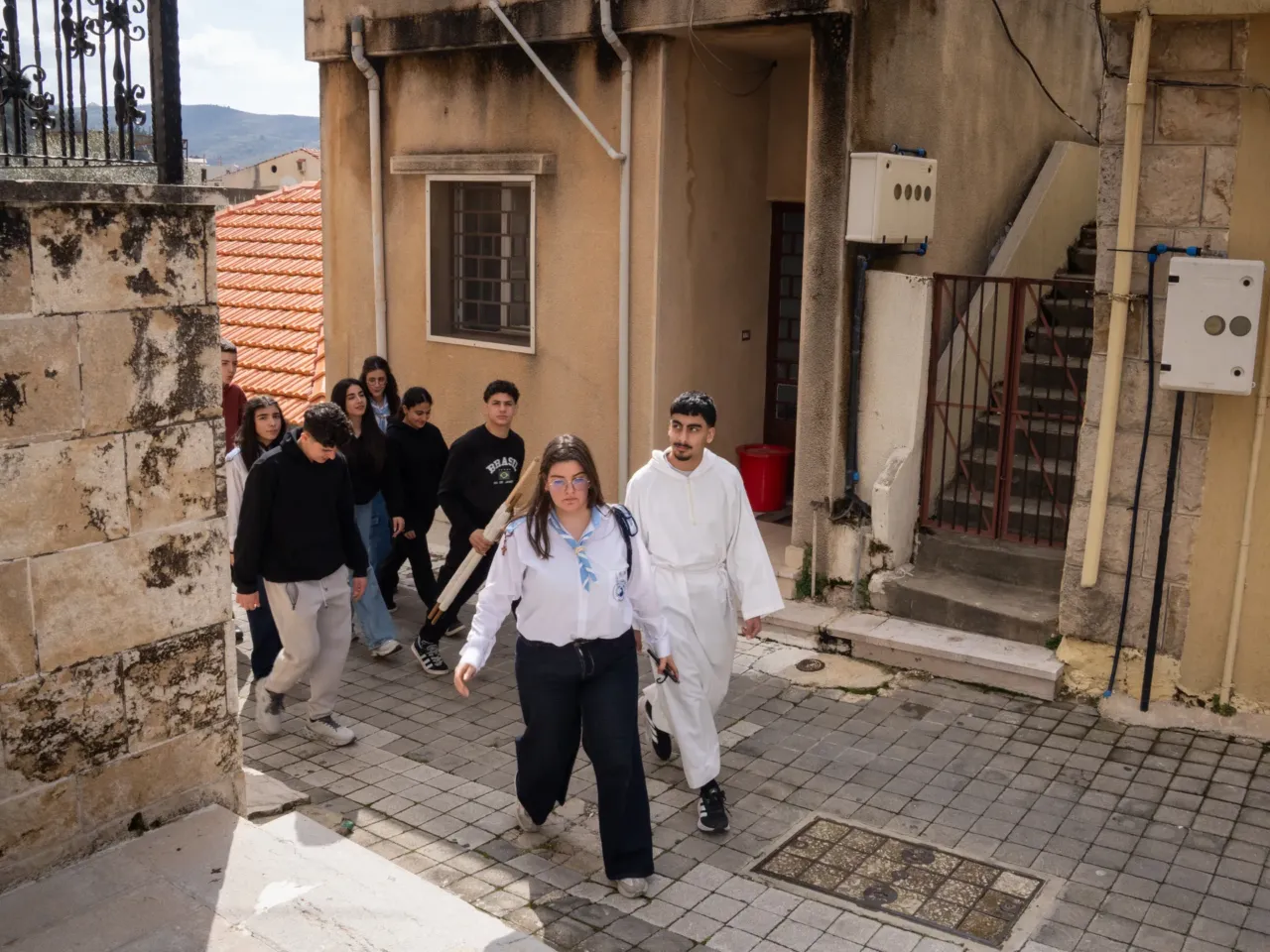
Some Christians in Lebanon have a unique Holy Week tradition: The day before Palm Sunday, children go door to door acting out the biblical story of Lazarus, Jesus’s friend whom faithful believe also rose from the dead. Participants take turns laying on the ground, being Lazarus, then rising resurrected.
The reenactment got cut short this year in the town of Jezzine, when NPR visited, because of a deadly Israeli airstrike nearby.
“I don’t know what to say! We [Christians] are in a tight spot,” says David El Helou, mayor of Jezzine.” From one side, you have your fellow citizen, and from the other side, you have quite a situation — and you are in between.”
Copyright 2026 NPR