If you’ve driven in rural areas over the past few years, you’ve likely seen Bigfoot silhouettes sauntering across front lawns and on “Gone Squatchin’ ” bumper stickers. (The expression became popular after appearing on a trucker hat in a 2012 episode of Animal Planet’s reality show Finding Bigfoot.)
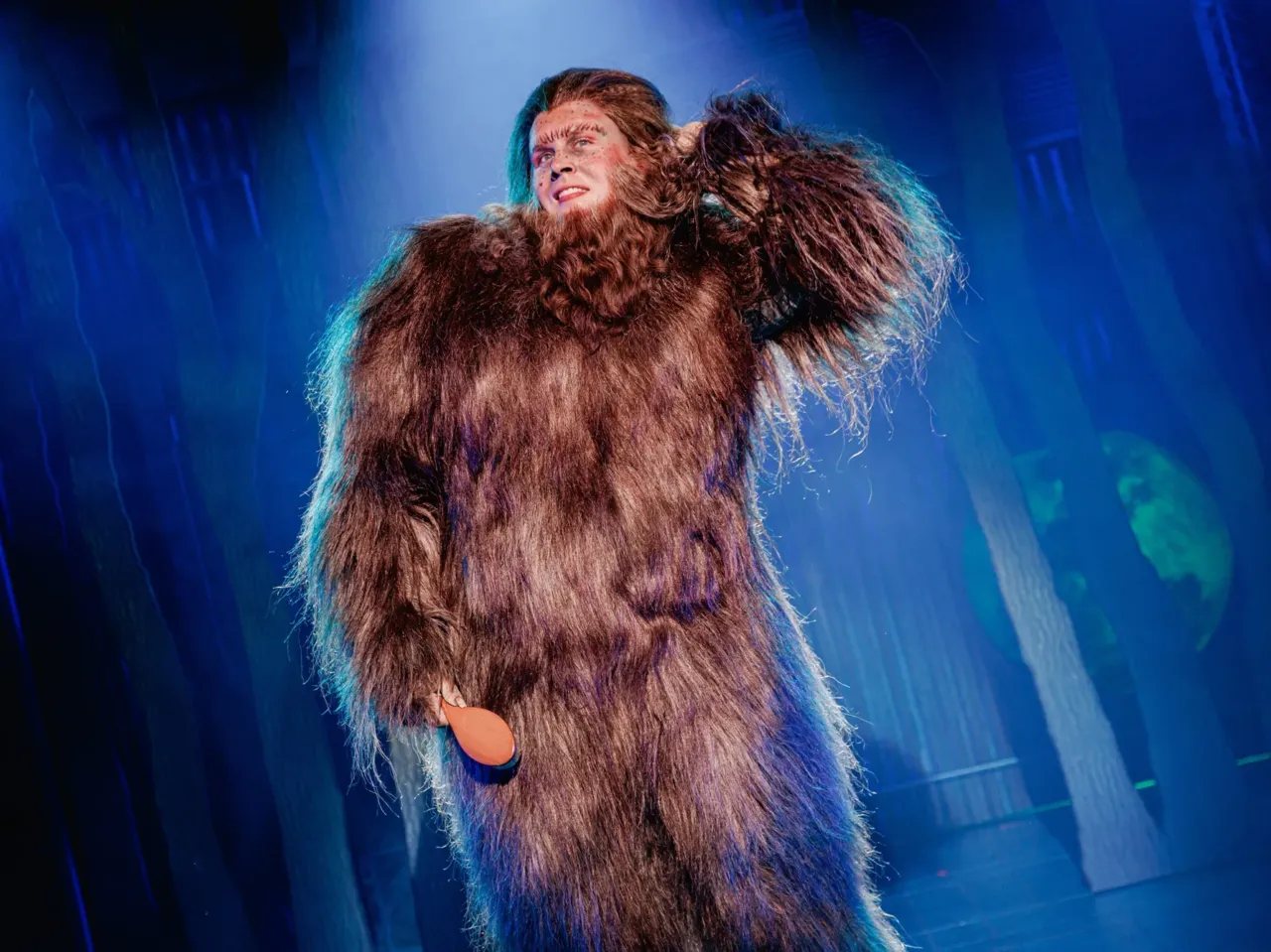
But Bigfoot won’t stop popping up everywhere: off-Broadway, in the critically acclaimed Bigfoot! A New Musical and as a new smart phone emoji. Dozens of Bigfoot-themed festivals have taken off in small communities across the country over the past decade, from the West Virginia Bigfoot Festival to Bigfoot Days in Remer, Minn. to the Whitehall NY Sasquatch Festival to the Jasper Bigfoot Jamboree in Alaska. Half a dozen Bigfoot-themed low-budget horror movies are scheduled for a 2026 release, with such titles as The Last Footprint and Slash Squatch. (This reporter was unaware, when beginning this story, that NPR’s Planet Money plans to release its first original board game, called “Sell Me A Sasquatch.”) And a wave of alleged Bigfoot sightings in northeast Ohio recently made national news.
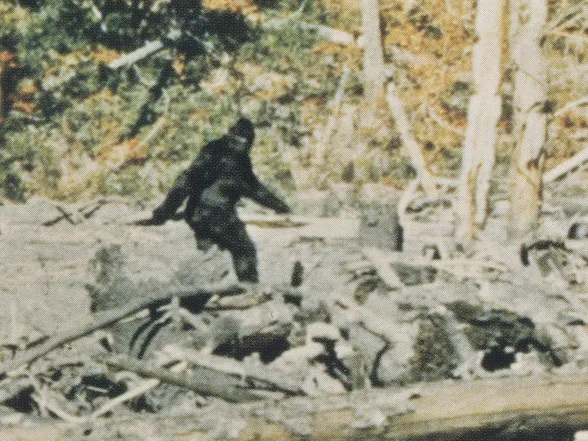
“I understand the fascination with Bigfoot,” says filmmaker Marq Evans, whose documentary Capturing Bigfoot drew rave reviews at the SXSW Film & TV Festival last month. “It’s a mystery. Everybody loves a mystery. Although to some people, it’s not a mystery. They’ve seen it; it’s proven. And there’s nothing that you can tell them to say otherwise.”
Evans says Bigfoot thrives in a climate of disinformation. Online conspiracy theorists have accused his film of being AI fiction because it disproves the authenticity of a longstanding piece of evidence. Gone are the days when a hoax could be perpetuated for decades by film footage or a photograph, says Jessica Landau, who first became interested in Bigfoot as a grad student studying American mythological megafauna. Now an assistant instructional professor at The University of Chicago’s Committee on Environment, Geography and Urbanization, she says Bigfoot has become a potent culture war symbol.
“There’s a general distrust of expertise right now,” Landau says. “And I think people really like doing their own research, having their own belief systems and not trusting the scientific establishment.”
Landau notes that Bigfoot’s current popularity coincided with the rise of President Trump. In 2016, she noticed a lot of pro-Trump bumper stickers right by Bigfoot ones on trucks in rural Kentucky.
“I think that Bigfoot does have this appeal in rural white communities,” she says, adding that regional variations include the Florida Skunk Ape, the Woodbooger of Virginia, and the Ohio Grass Man. Often, she says they’re adopted as symbols of local pride in places that feel politically and culturally overlooked. Sightings, like the recent spate in northeast Ohio, bring attention and a feeling of importance.
“The majority of Bigfoot sightings are actually on state parks, which are generally smaller, generally with less wilderness,” Landau says. “And perhaps not so curiously, a lot of Bigfoot sightings are by people who are actively going out to find Bigfoot.”
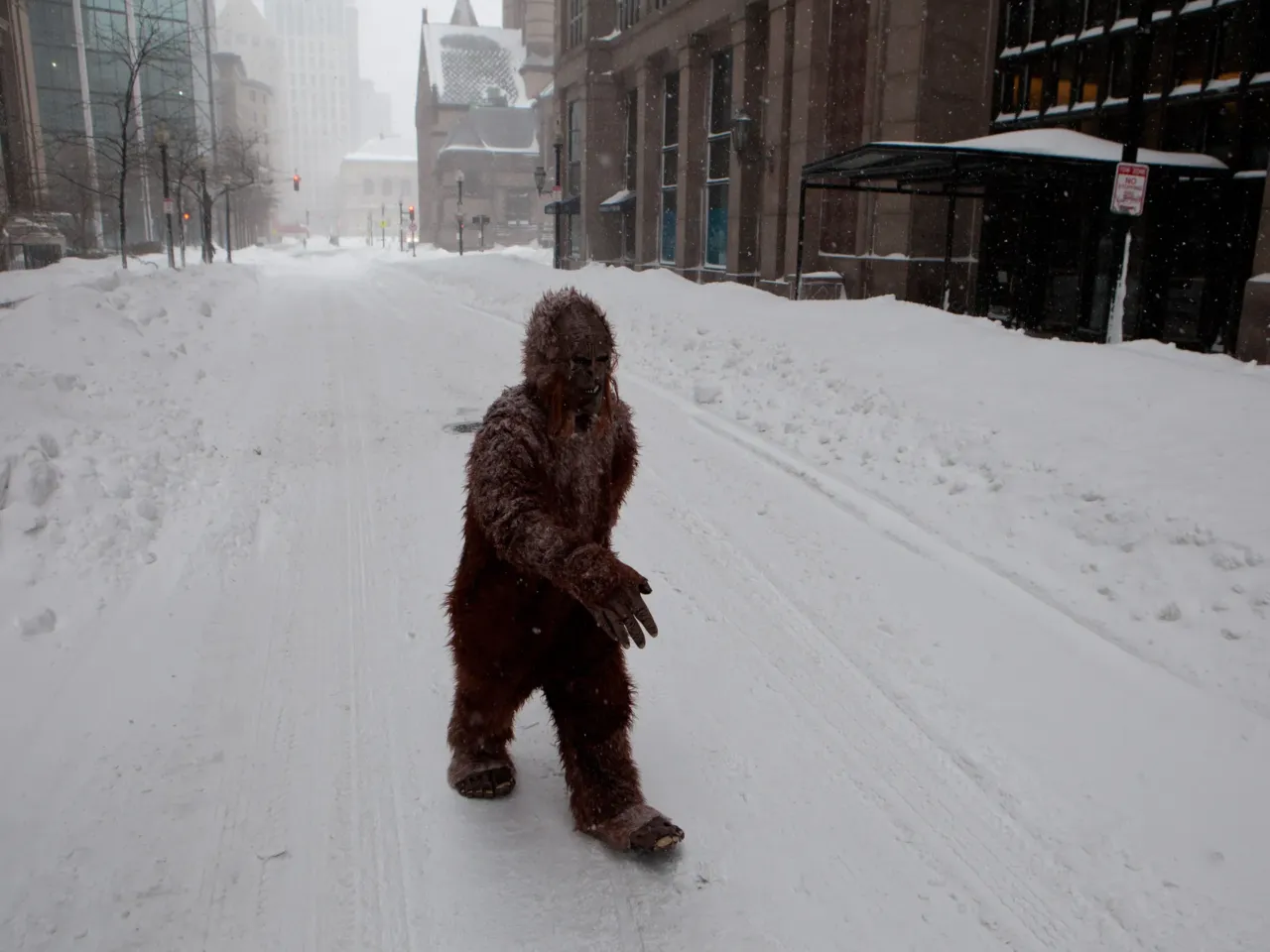
One of them is a self-styled investigator who recently appeared on the Bigfoot Society podcast to talk about the sightings in Ohio, where he lives. “I tell everyone they let us see them,” Glenn Adkins said.
Perhaps they need to. If a Bigfoot saunters through a forest and no one sees it, does it really exist?
Copyright 2026 NPR