It’s a strange moment for growing old. Longevity is a cultural obsession: Biohackers plunge into ice baths, influencers push peptides, and tech elites pour ungodly sums into chasing immortality. Medical breakthroughs using AI promise to help us predict and prevent disease before it begins. But what actually helps us age well?
Cardiologist Eric Topol says the answer begins by rethinking what we’re trying to optimize: not lifespan, or how long we live, but health span, the years free from major age-related diseases like heart disease, cancer or neurodegenerative illness.
“The average American health span is 64,” Topol says, referring to when disease is likely to set in. “But lifespan is 79 on average. So you’ve got a big gap of about 15 years where your health span has ended and your lifespan continues.”
Topol studies what determines one’s health span and how we can change our experience of old age.
At Scripps Research Translational Institute, where Topol is the founder and director, he studied the DNA of people over 80 who hadn’t contracted a major chronic disease. Topol called them “Super Agers” and compared their genomes with the average population to uncover what advantages could be found in their genes.
But Topol’s team didn’t find anything.
“The stunning result was while there were some small differences, otherwise there was not much to be able to say this was a genetic story at all,” Topol says. There was no secret DNA to a better elderly life. Topol discovered that what mattered more was a web of factors: exercise, sleep, social connection, de-inflammation, immune system health and preventive medicine. His findings suggest healthy aging may be shaped less by fate than by choices and, increasingly, by better predictive tools.
He has become a champion for the ways that artificial intelligence will transform preventive medicine. From retinal scans that can flag risks for Parkinson’s or heart disease, to models that may help predict Alzheimer’s decades early, Topol sees AI shifting medicine from reacting to disease to getting ahead of it.
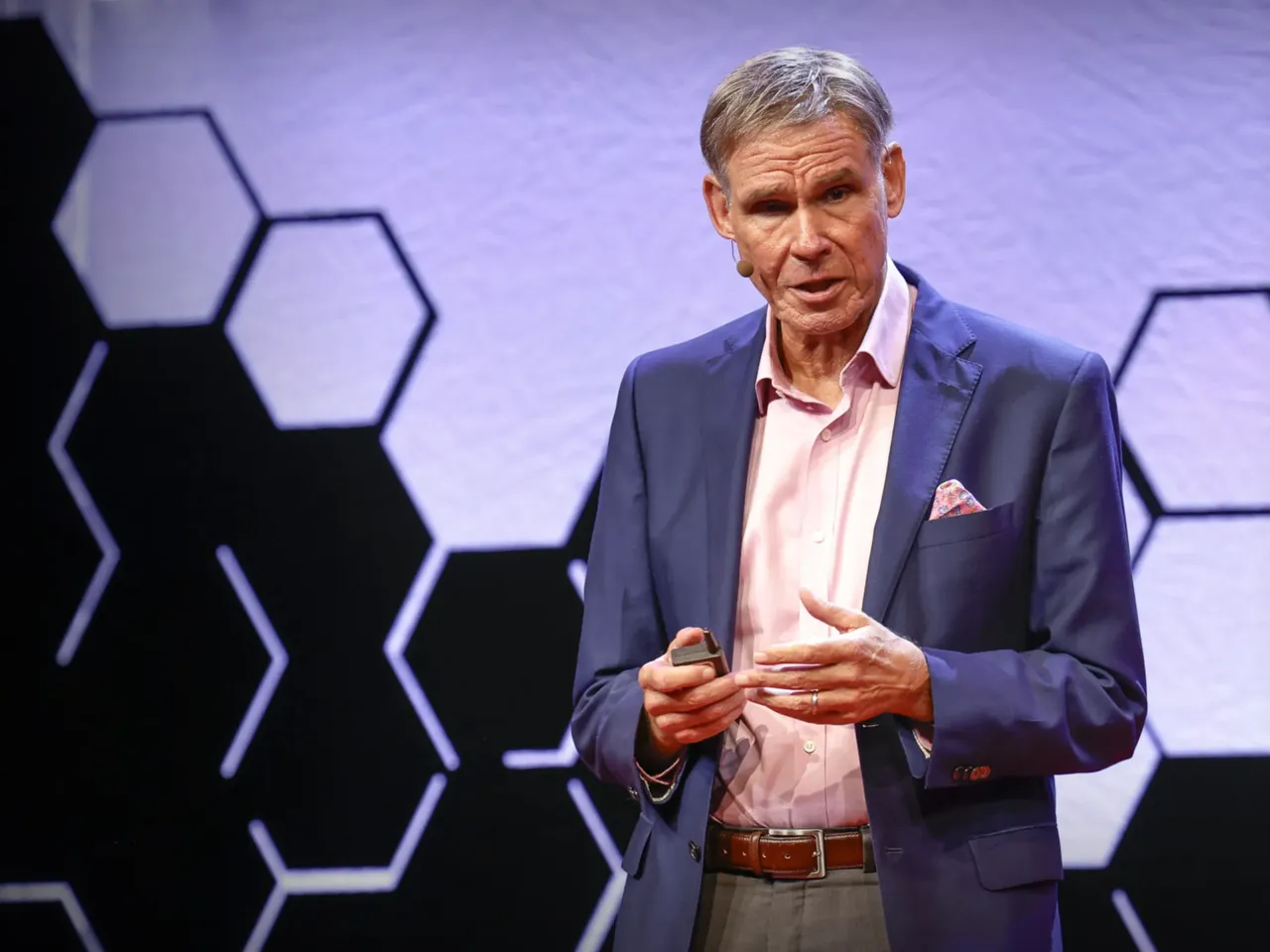
“In the years ahead, we will regard AI’s most important contribution as facilitating prevention,” he predicts.
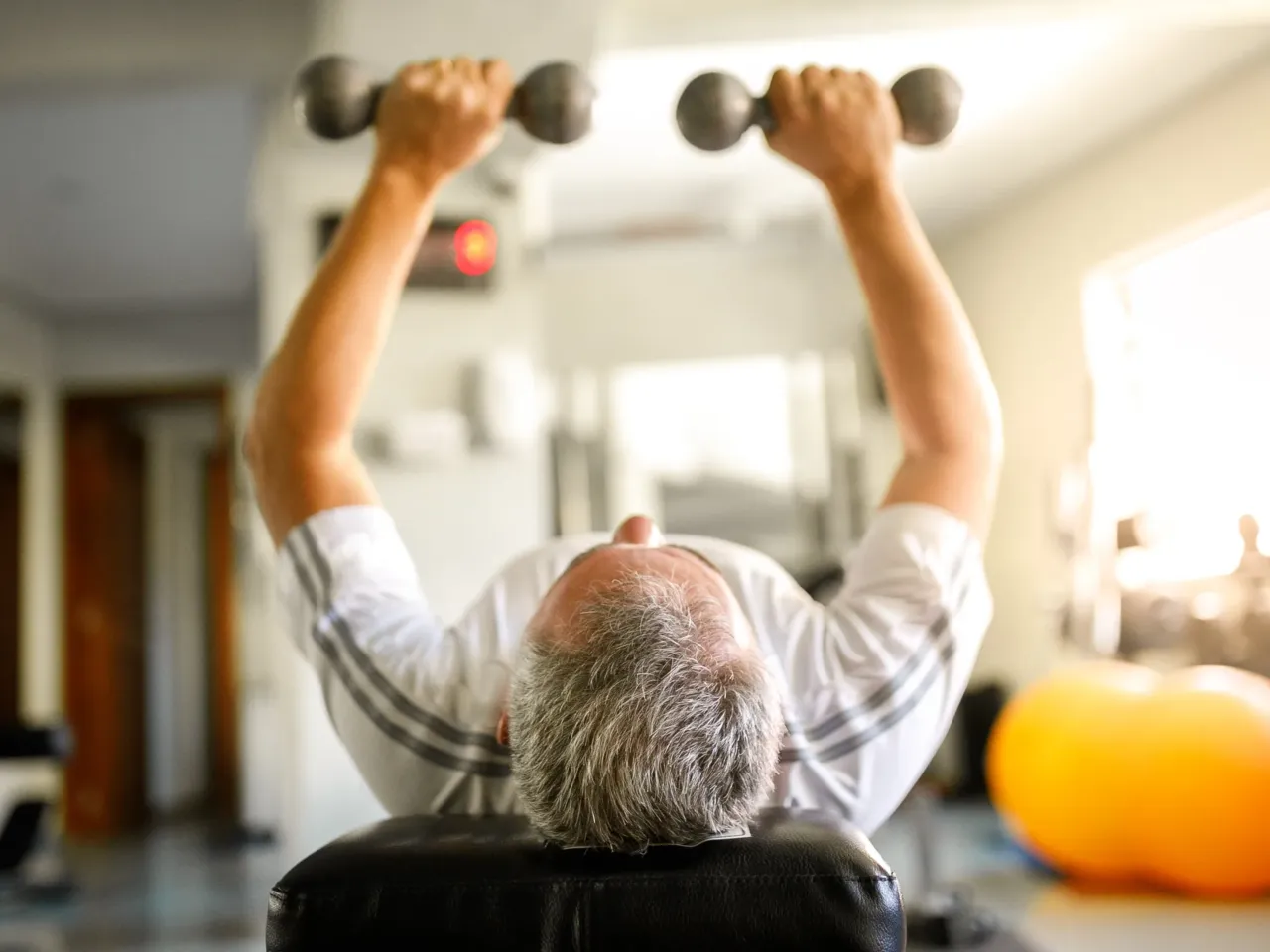
But he is equally excited that the foundations of healthy aging are surprisingly low-tech. Exercise matters, with resistance and balance training. So does regular deep sleep. Staying socially engaged and spending time in nature both prove to be preventive factors.
Topol points to emerging evidence that even some vaccines can help support immune resilience; for instance, he says, “We’ve learned that the shingles vaccine reduces Alzheimer’s and dementia by at least 20 to 25 percent,” purely by the ways it protects the immune system.
So the most powerful longevity tools may not be glamorous quick fixes found in the links of an influencer’s bio, which is why Topol is so skeptical of the tens of billions of dollars flooding the anti-aging industry.
Whether it’s cold plunges, “protein maxxing” or experimental peptides, he sees a marketplace growing faster than evidence can keep up. Specious claims about unregulated products, he says, are “just completely out of control.”
His advice is less seductive than a biohacker’s blueprint, maybe, but more durable: Be wary of optimization fads. Stick to evidence-based opinions, “not eminence-based” opinions. Invest in habits, not miracles. Healthy aging isn’t reserved for people with lucky DNA or elite resources. Even if one starts in midlife, evidence suggests lifestyle changes can add years of healthy living.
Getting older, Topol argues in his book Super Agers, doesn’t have to mean passively waiting for decline or believing the fate of your ancestors portends your own. It is something you can shape — perhaps not immortality, but more vibrant, enjoyable years.
This episode of TED Radio Hour was produced by Phoebe Lett, with production support from James Delahoussaye. It was edited by Sanaz Meshkinpour and Manoush Zomorodi. The digital story was written by Phoebe Lett.
You can follow us on Facebook (@TEDRadioHour) and email us at [email protected].
Copyright 2026 NPR