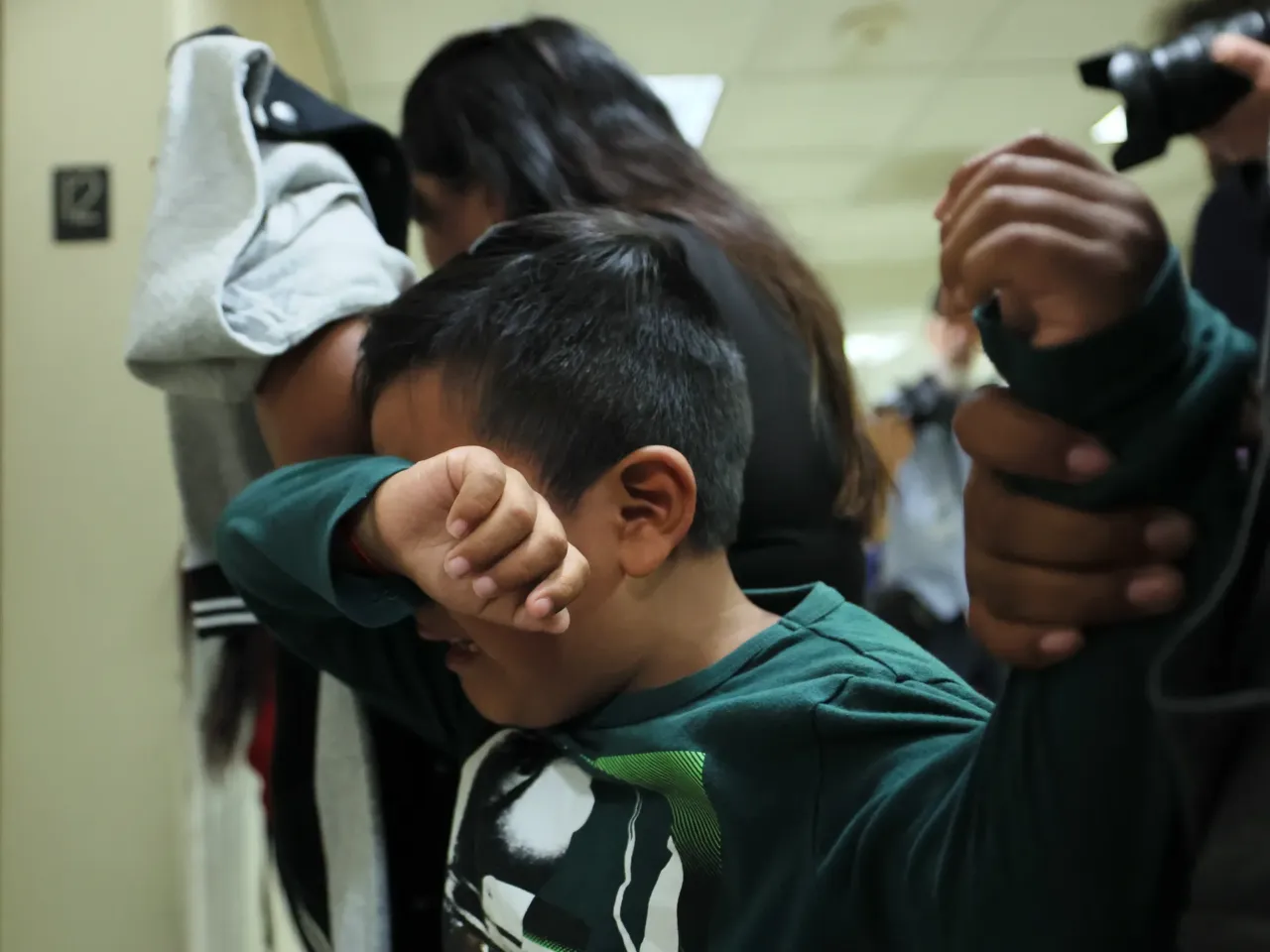
As the Trump administration’s immigration crackdown stretches into its second year, researchers and health care workers say that it is creating a mental health crisis in immigrant communities.
Data from one primary care clinic in Los Angeles, shared exclusively with NPR, shows a sharp rise in anxiety, depression and suicidal thoughts among patients.
“When we look at our data during periods of intensified enforcement, our screening data showed a clear rise in distress,” says Sophia Pages, a licensed marriage and family therapist and executive director of behavioral health at Zocalo Health, a primary care organization with a network of clinics California and Maryland. Zocalo mainly serves Latino families on Medicaid. “Immigration enforcement is functioning as a real time public health stressor in the communities that we serve.”
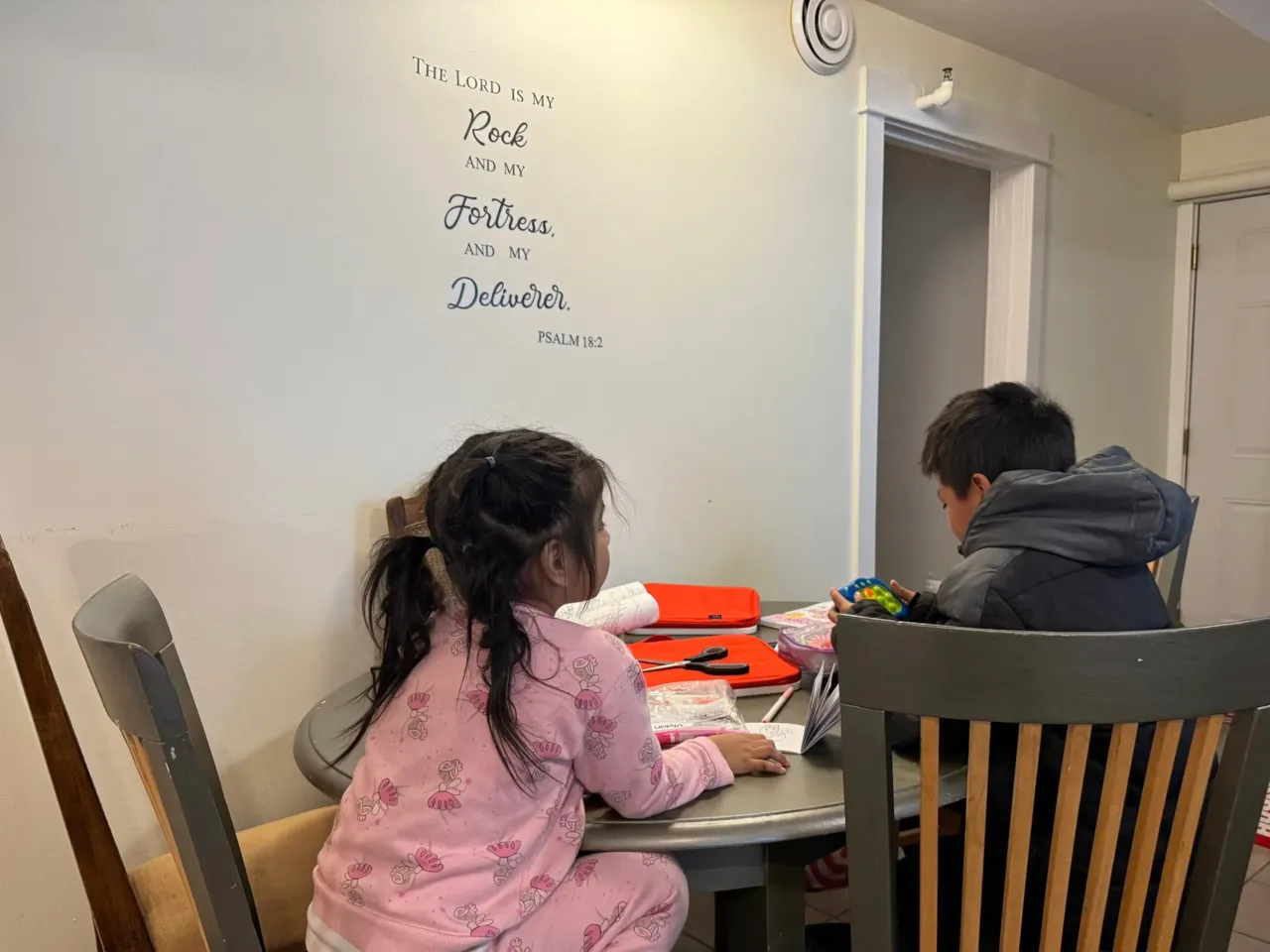
All patients at Zocalo get standardized screenings for mental health problems like anxiety and depression. Since the immigration enforcement agents began raiding farms and neighborhoods in the Los Angeles area in 2025, Pages and her colleagues have seen a sharp rise in symptoms.
“More than half of the patients we screened had anxiety that was severe enough to interfere with their daily life, and nearly three quarters were experiencing depression,” says Pages.
And nearly 1 in 8 individuals struggled with thoughts of suicide, Zocalo found. That is more than double the rate of suicidal ideation in the general population.
“What seemed to sit underneath it for many patients was this profound sense of helplessness,” Pages says, because no matter how careful they were, by changing their routines, or staying home more, they felt like they can’t protect themselves or their families.
“And that loss of control was deeply destabilizing and can intensify depression, trauma-related distress and suicidal thinking.”
Anyone considering suicide or in crisis can text or call 988 to reach the National Suicide and Crisis Lifeline. Press 2 to speak to a counselor in Spanish.
Communities already at risk
A significant number of patients have past traumas from incidents that happened in their home country and on their journey to the U.S.
One such patient is Esperanza, a 29 year-old mother of two boys who lives in King City, Calif.
Originally from Oaxaca, Mexico, Esperanza came to the United States in 2023 with her husband and her older son, who is now 11 years old. She asked NPR to use her first name only because she fears talking to the press could harm the process of seeking asylum for her and her family.
Back in Mexico, Esperanza’s husband farmed a small plot of land they owned. He also made the spirit, mezcal, she says.
Esperanza speaks Spanish in a phone interview with NPR, while her 9-month-old baby coos and babbles in the background. Luz Nieto, a community health worker at Zocalo translated the conversation. (Zocalo relies on community health workers to connect individuals to care and continues to rely on them to cater to patients’ needs even as families have gone into hiding with increasing immigration enforcement.)
Life in Oaxaca had been getting increasingly unsafe, Esperanza says, because a local cartel made them pay a fee to farm their own land and kept demanding that her husband do drug runs for them.
“When things started getting really bad, we grabbed our stuff and came to the border, the Mexico-US border,” she says.
The journey itself was stressful, she says, as men who worked for the local cartel followed them until they reached the US border. The stress and trauma of it all left Esperanza struggling as they started to build a life in California. “I wasn’t sleeping,” says Esperanza. “I was having heart palpitations. I was just getting clammy all the time. And that was really affecting me as a woman, as a wife and as a mother.”
When ICE, as US Immigration and Customs Enforcement is known, began conducting raids in and around Los Angeles last year, Esperanza’s symptoms worsened. When she had to go to immigration court, she felt overwhelmed with fears of getting deported.
“What if they send me back? What if my kids stay and they just send me? What’s going to happen to them?”
The same fears have plagued her 11-year-old son: “My son hears a lot of news from school, especially about immigration. He is scared of me going out alone without him because he says that maybe immigration will get me and he would be left behind on his own. And he says, ‘Well, if they get both of us, then at least we’ll be together.”
Impact on kids can be long lasting
Immigrant communities are already at risk of having higher rates of mental health symptoms in children, says Ariana Hoet, a pediatric psychologist at Nationwide Children’s Hospital, in Columbus, Ohio.
“Latino children often have higher rates of things like depression, anxiety,” she says, because of all the stresses on families to adapt to a new culture, language and environment while still struggling with past traumas. Families also face discrimination, which can worsen mental health.
“All those things existed already, putting these communities at risk,” explains Hoet. “Now we add a chronic stressor — this is what’s happening with immigration.”
The fear of kids getting separated from parents or other caregivers is a major source of stress for families. “If you’re a mixed documentation family, most children are very aware of that and live in that fear of what can happen to my parents,” says Hoet. “We know some parents have already been removed from the home.”
A recent study in the New England Journal of Medicine concluded that the Trump administration’s immigration crackdown has become a toxic stress for children that is likely to leave a lasting impact on their developmental, physical and mental health.
“Children who experience a parent’s deportation, our research shows, that it’s more than double the odds of developing PTSD,” says Hoet, referring to Post-Traumatic Stress Disorder.
And the effects extend well beyond the kids directly affected. “Children in those communities are also at higher risk, and also report depression, anxiety and trauma-like symptoms.”
That can manifest as physical symptoms, like belly aches, head aches, changes in their sleep and appetite, or show up in kids’ behavior.
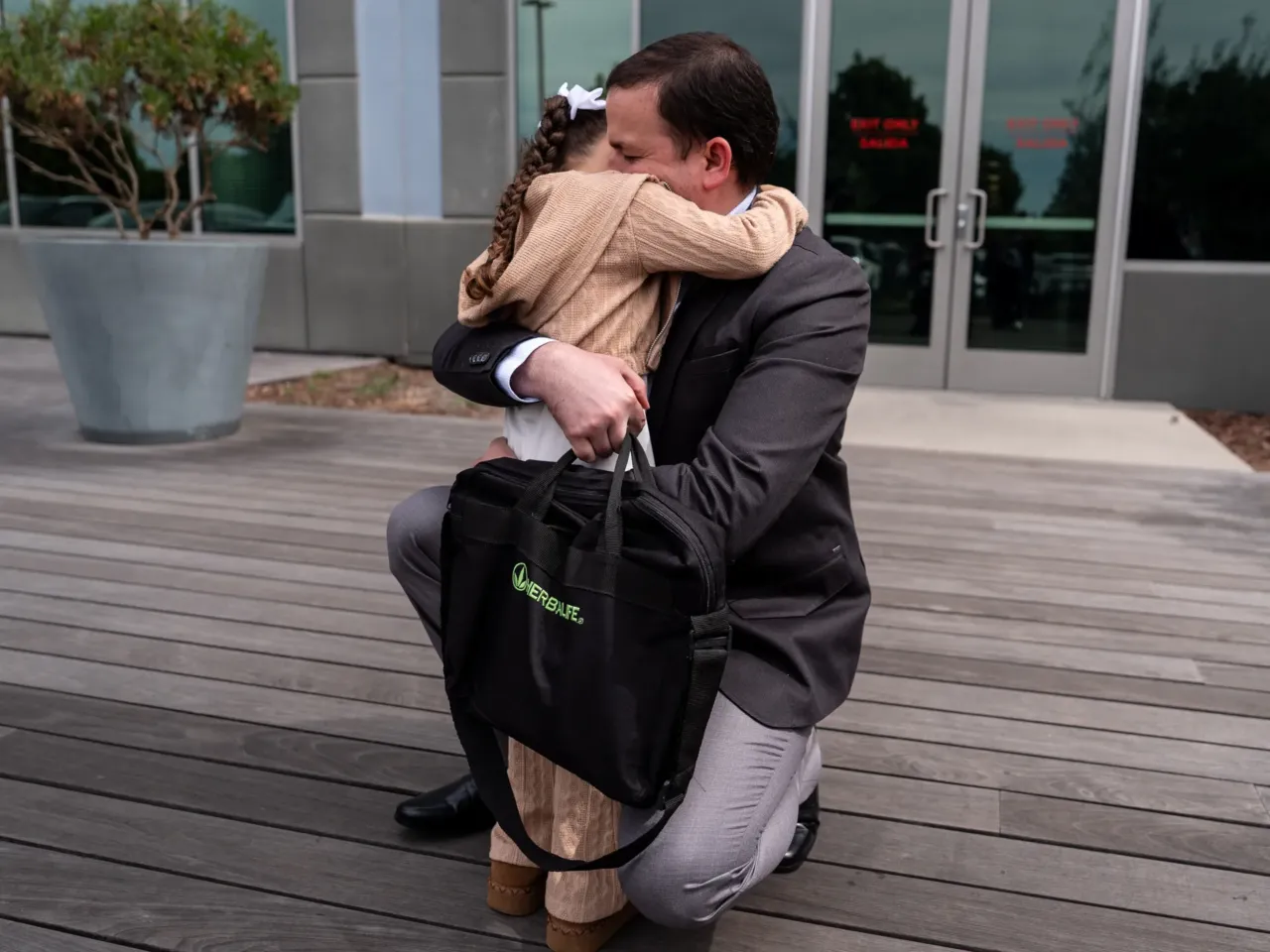
“You see kids become more clingy, very anxious and worried,” says Hoet. “They can become quieter, withdrawn socially. They don’t want to do things that they typically do.”
Hoet says her partners at schools and local organizations tell her that they are seeing a rise in mental health and behavioral symptoms among children in immigrant communities since the ramping up of immigration enforcement.
In the Los Angeles area, the therapists at Zocalo Health, who only see adults, have been busy supporting patients like Esperanza.
“It has helped me a lot. It has helped me with my self-worth and just how I see myself, my situation,” she says. “It’s helped me with my panic attacks.”
She has learned tools to calm herself when anxious — like breathing exercises, music, baking — and joined a local church and is finding community and strength there.
“Right now I’m at least able to talk to other people and sometimes even venture into the street and walk,” she says.
And she is passing on her new skills to her husband and son, so they too, can cope better with their circumstances.
Copyright 2026 NPR