Our book critics have previewed what’s coming to the library and bookstores this summer. Here’s what they are most looking forward to reading — and seeing you read too.
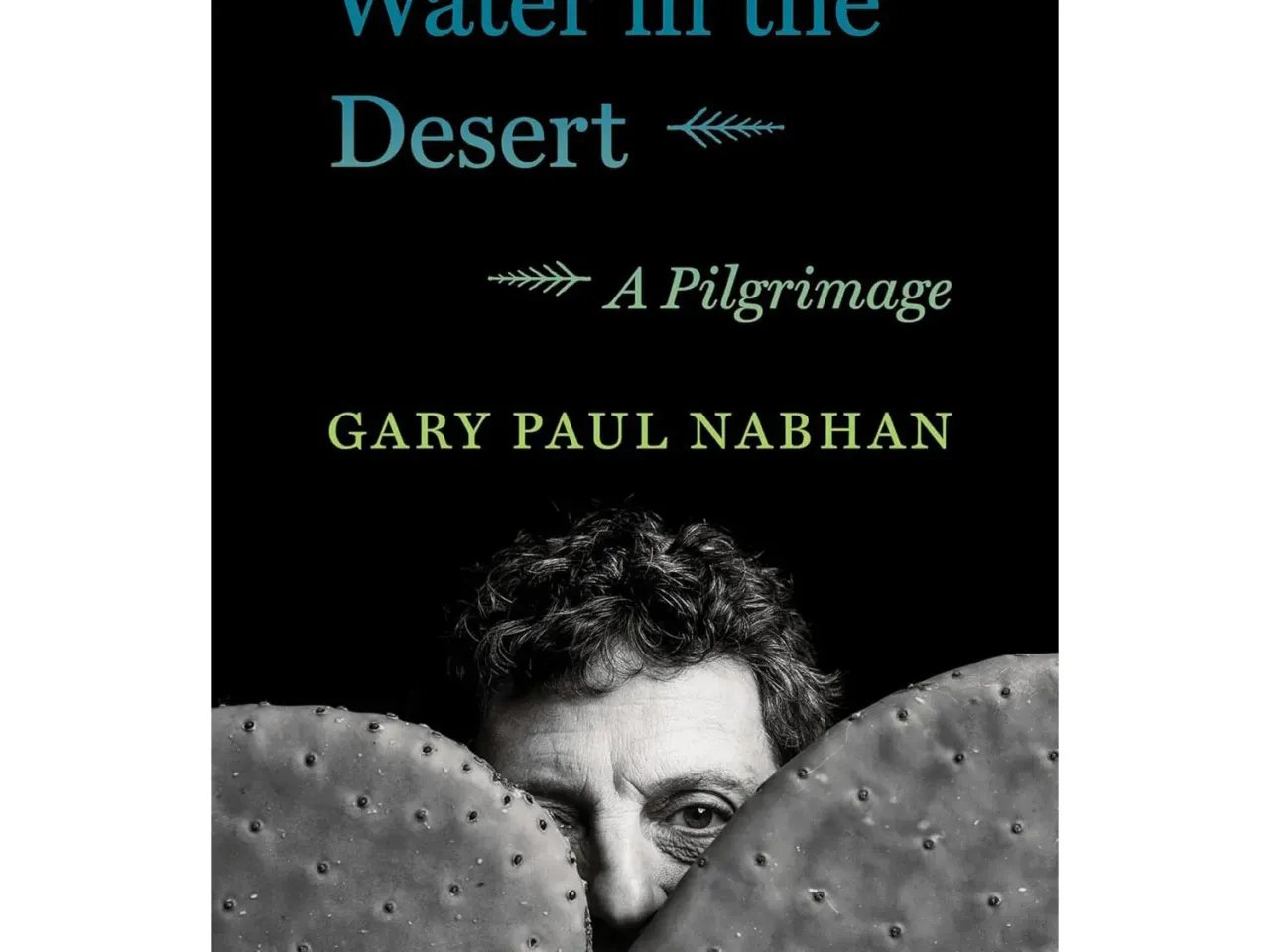
I love books that explore nature through a sociocultural lens. Lebanese American Gary Paul Nabhan’s new book traces the story of his unusual life. Nabhan grew up along Lake Michigan’s southern dunes and was negatively singled out as a student with “disabilities.” He found his path through ecology, poetry, travel, studying Indigenous Mexican communities, becoming an Ecumenical Franciscan brother and exploring his own ancestry — all of which shape his view that Earth is “the original scripture.” An ethnobotanist, Nabhan was awarded a MacArthur “genius grant” for “insights into the relationship between culture and land.” I can’t wait to read this book. (June 2) — Martha Anne Toll
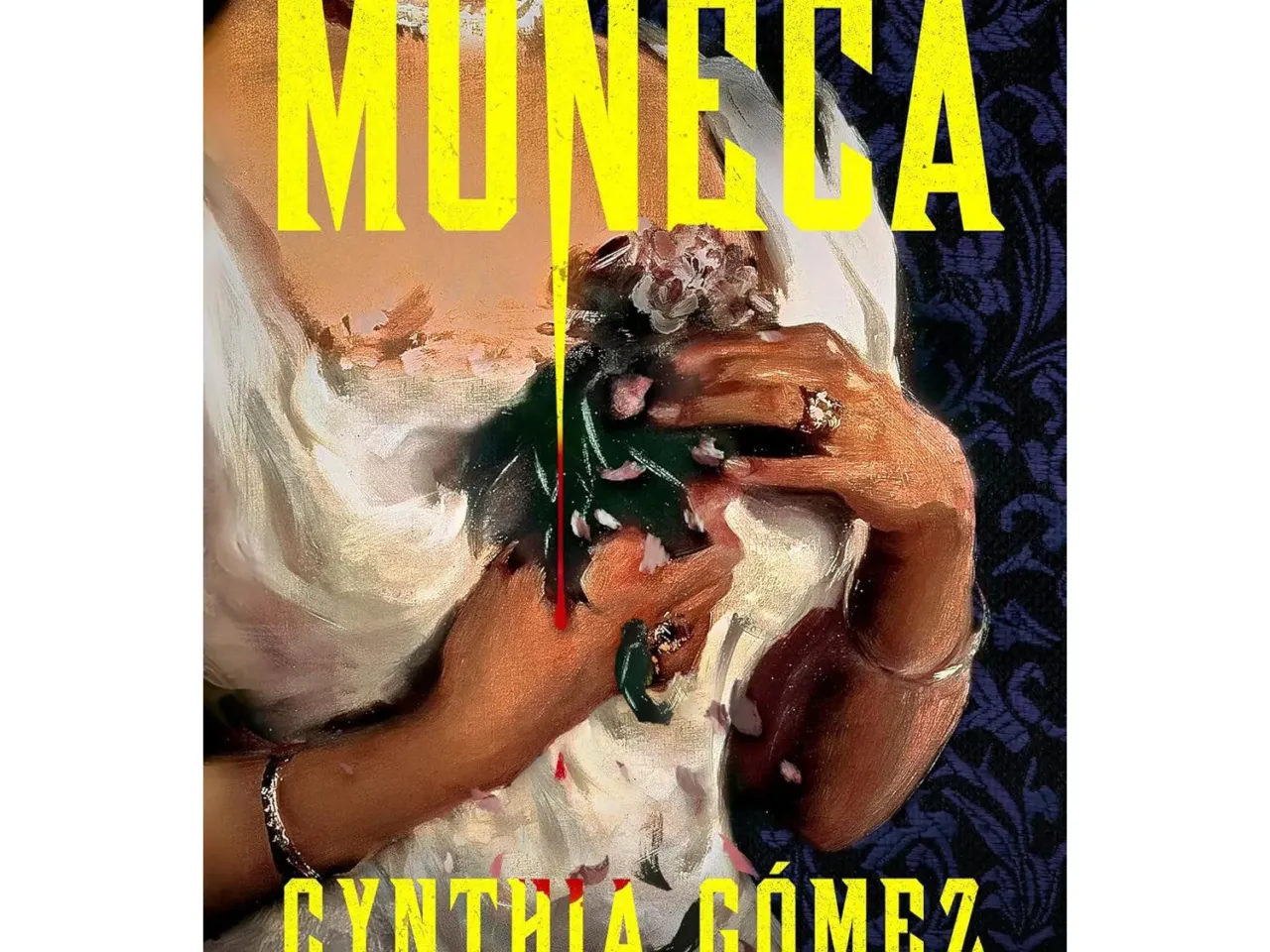
Natalia Fuentes has a plan. Violeta, the only child of the Miramontes family and the last in a long line descended from Spanish settlers and Mexican rancho owners, is magically trapped in her own body, and Nati is going to break her out. For a fee, of course. With the help of a doll, she finds a way to communicate with her client, and an unexpected romance sparks between them. But she also attracts the attention of the person who cursed Violeta, and they would do anything to stop Nati from interfering. This gothic horror tale touches on colonialism and colorism, queerness and feminism, generational trauma and familial curses. It’s at once romantic and frightening. We may be only just heading into summer, but this one is already in my top 10 for the year. (June 2) — Alex Brown
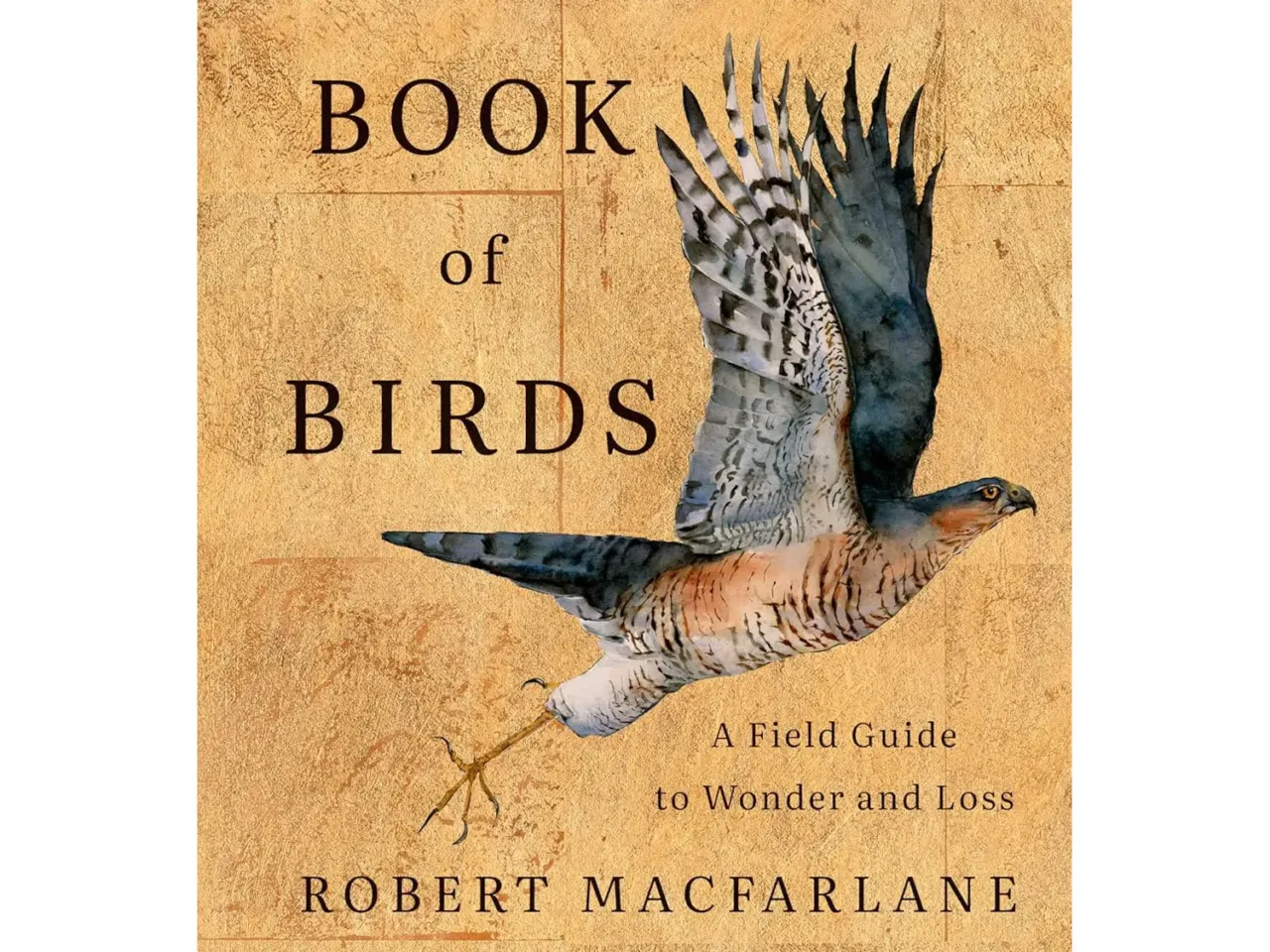
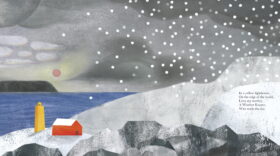
Whenever I encounter a belted kingfisher here in coastal Virginia, my spirits rise as I gaze at a bird with a spiky mohawk and an attitude to match. My summer nonfiction reading will kick off with The Book of Birds: A Field Guide to Wonder and Loss by nature writer Robert Macfarlane and illustrator Jackie Morris, which celebrates the lives of declining or endangered birds from kingfishers to avocets, nightingales and yellowhammers. Though British species remain the book’s focus, the joys of bird-watching span the globe, as does this pair’s invitation to revel in and protect the multispecies worlds of which we humans are one part. (June 9) — Barbara J. King
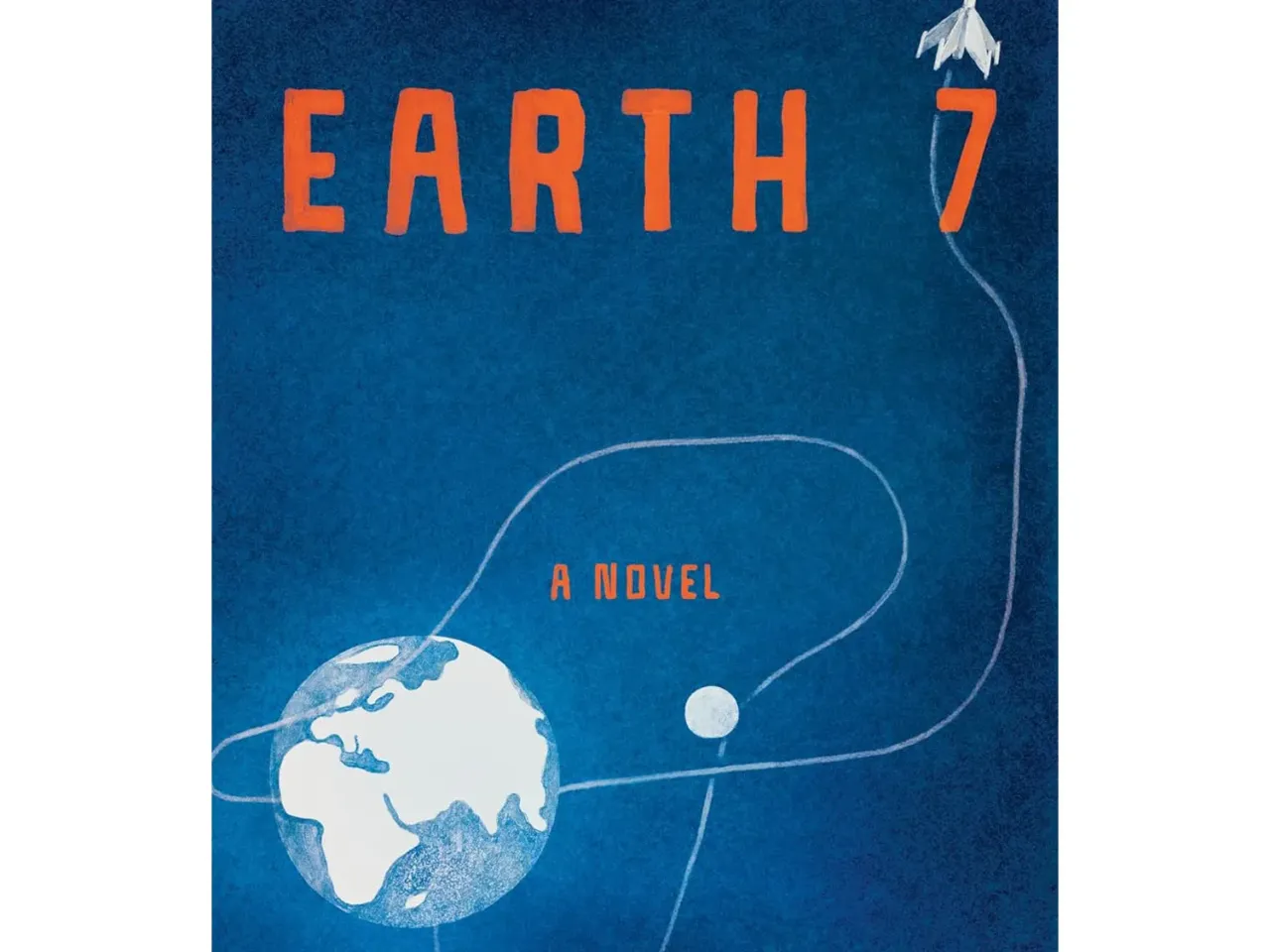
I discovered Deb Olin Unferth’s work years ago via her flash-fiction piece “Likable,” which became a staple on my syllabi. Years later, and now firmly a fan, I was thrilled to learn about her forthcoming novel, Earth 7. A story about a decimated future Earth and those working to collect DNA samples from its past in order to rebuild it, the novel is also about love — between two people, yes, but also the broader, more universal love their work entails. After all, preservation of what was and hope for what will be are both acts of immense care for the world. (June 9) — Ilana Masad
Twenty Minutes of Silence at once slays and reinvents the mystery genre. Set in La Manche, France, this 1955 “poetic novel” reconstructs the clashing narratives around the 20-minute interval between a patricide and the arrival of the police. While suggesting the erasure of evidence, the titular silence is actually a red herring. The seemingly uncounseled testimonies of the deceased’s adulterous wife and abused son, along with biased speculations by the chief inspector, his deputy, the journalists and the bookseller — who collectively serve as the Greek chorus — are replete with open-ended, operatic revelations, reminiscent of Akira Kurosawa’s Rashomon. (July 14) — Thúy Đinh
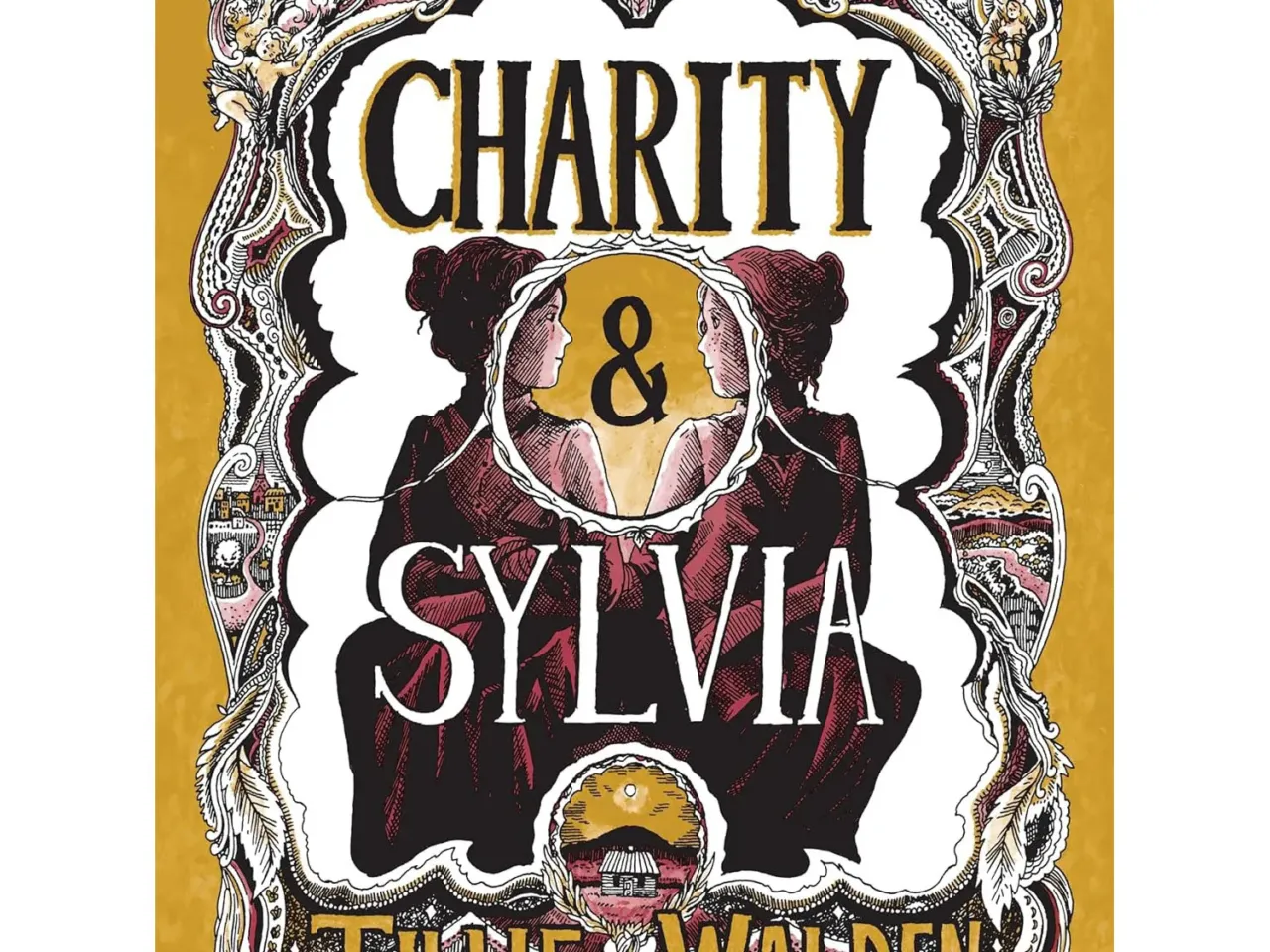
Tillie Walden’s long-anticipated Charity & Sylvia is a graphic biography in five parts, tracking the love story of two women who openly lived together for 44 years in Weybridge, Vt., in the 1800s. Walden builds on an archive of letters, journal entries and various biographical material to offer this moving portrait told in vignettes, most captured as delicately drawn, copper-tinted, nine-panel comics. Family affairs, religious musings and intimate scenes between the two women are set against the backdrop of a young country, and state, moving through constant, and colossal, transformation. The effect is a slow, dense, contemplative read — a rare gem of a book. (June 16) — Tahneer Oksman
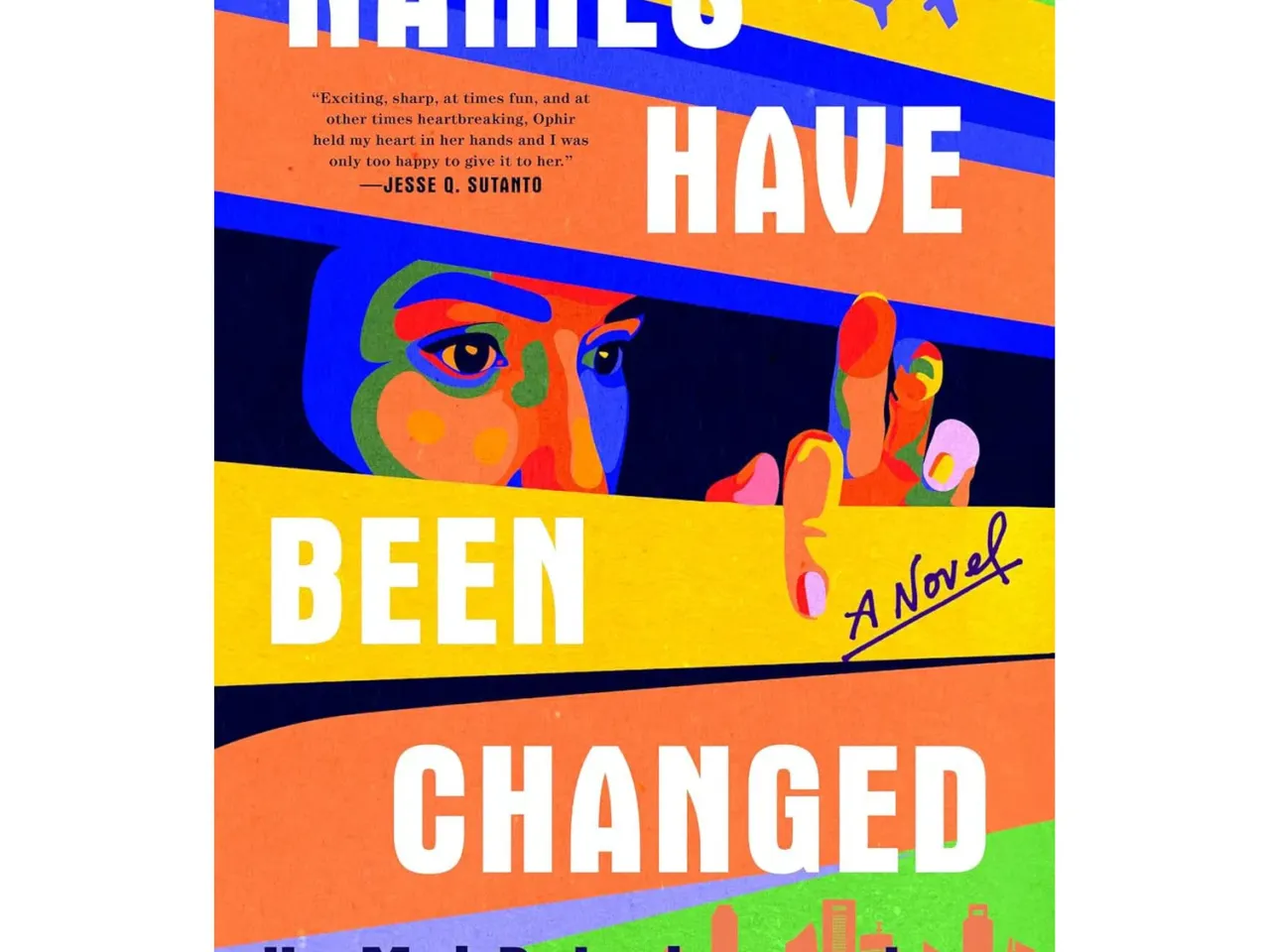
There have been a slew of entertaining novels in the past few years about average people stumbling into criminality — think Kirstin Chen’s Counterfeit and Nina McConigley’s How to Commit a Postcolonial Murder, to name just two. But I’m especially looking forward to Names Have Been Changed. Ophir, the Singaporean protagonist, is on the run from the law for her involvement in a money-laundering scheme, and she podcasts about it from an undisclosed location. This picaresque is off to a rocking start, the first-person narration is charmingly self-effacing, and the story promises depth as well, exploring the emotional toll of being a fugitive. (June 23) — Leland Cheuk
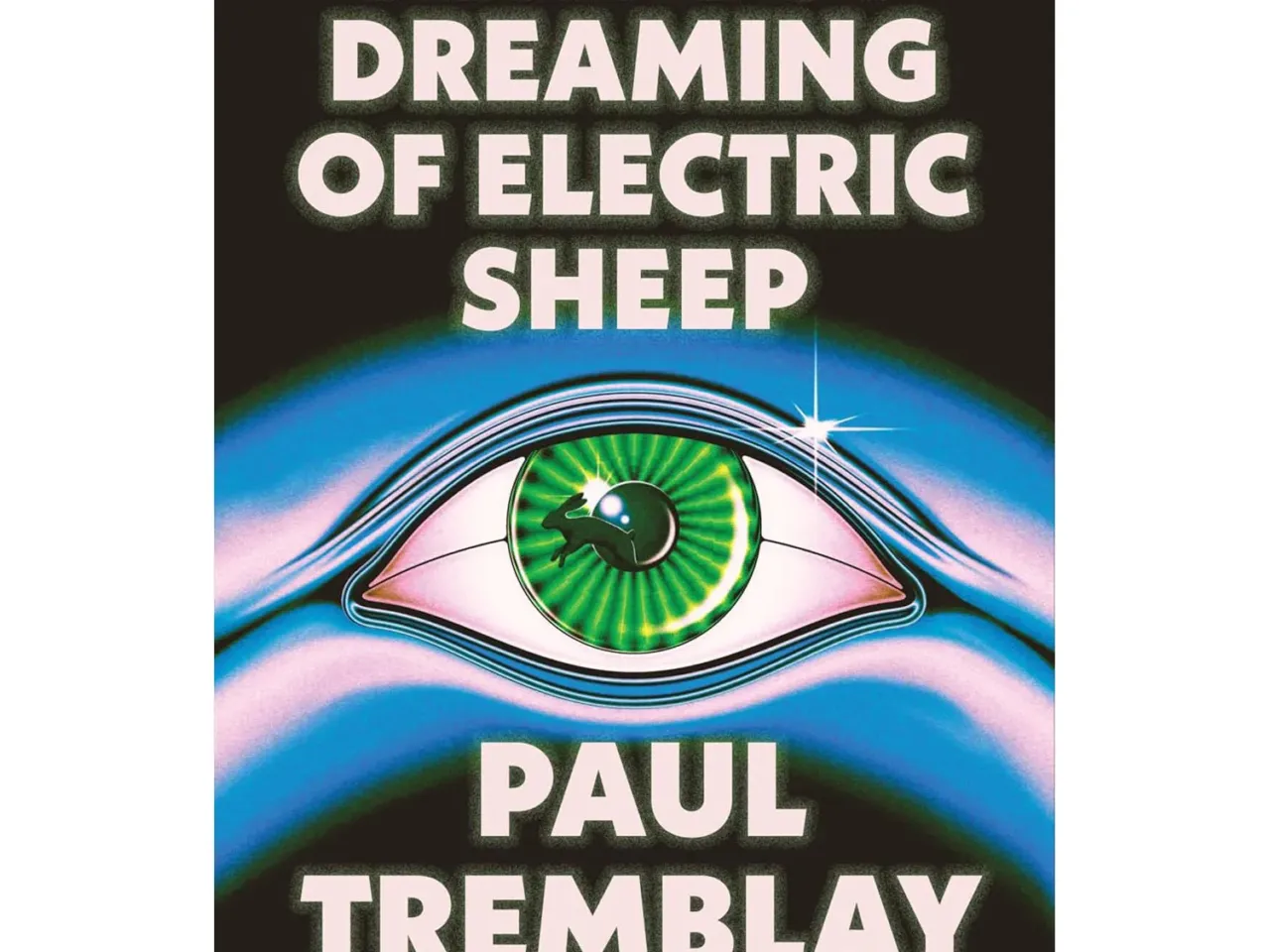
Paul Tremblay has made a career out of reinventing himself as an author with every novel, and in his upcoming Dead but Dreaming of Electric Sheep, he does it yet again. The book is a creepy and unexpectedly humorous science-fiction romp about a young woman who takes a job using a cellphone/remote control to pilot a man in a vegetative state from California to the East Coast while the man goes through a surreal nightmare. A master storyteller, Tremblay’s b(l)ending of genres here truly is a perfect beach read. (June 30) — Gabino Iglesias
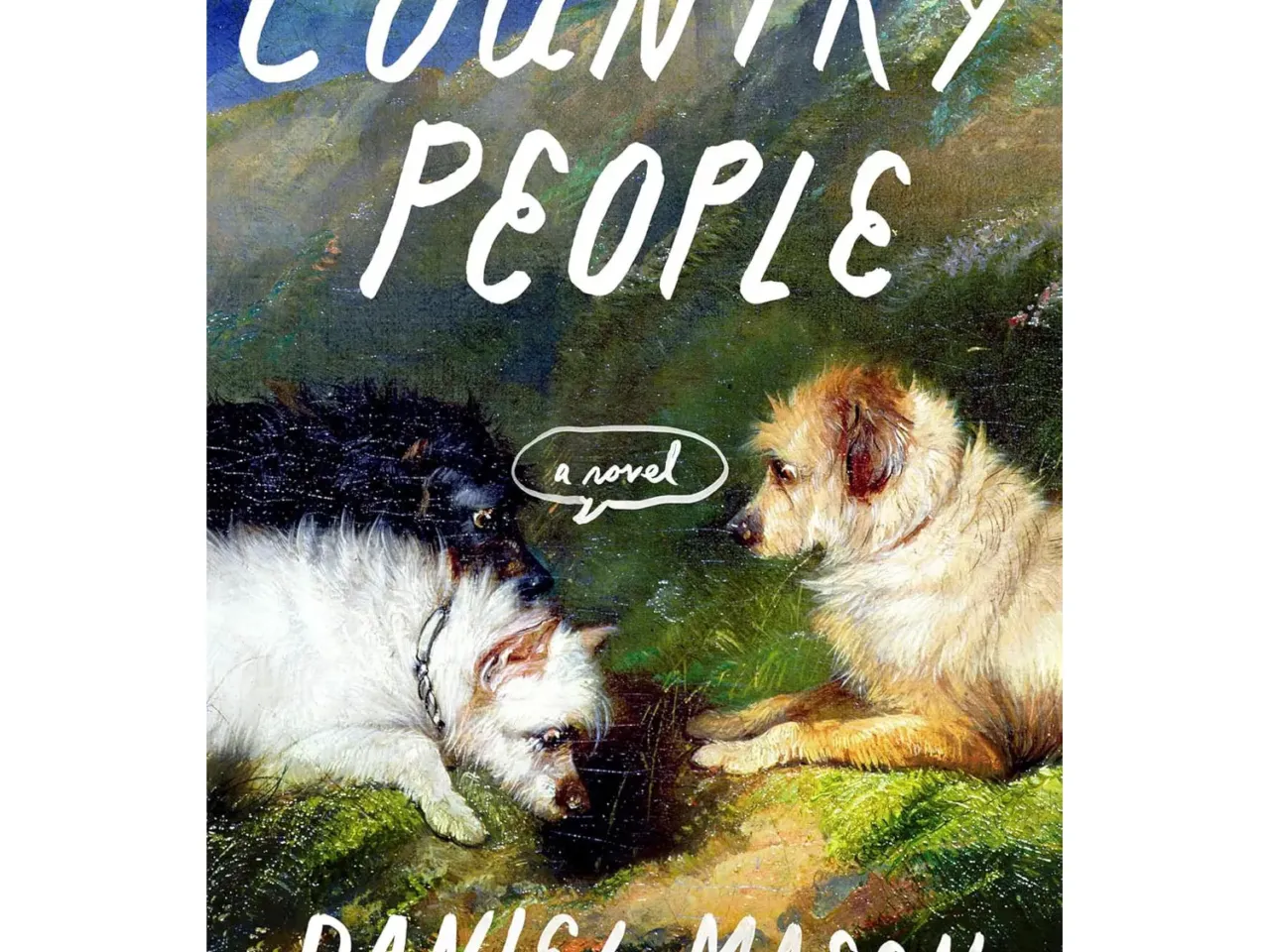
I so loved Daniel Mason’s North Woods, which spans four centuries in the life of a Massachusetts house, that I’m eager to read whatever he writes. Country People is quite different. His first contemporary novel spans just one year — the length of a visiting professorship that brings Kate and her family from California to Vermont. The hope is that her husband will finally finish his long-overdue dissertation on Russian folktales, but instead he gets pulled in by some colorful locals and a bizarre, fantastical legend. It’s apparent from a quick peek that Mason has fun exploring marriage, friendship, parenthood and the beguiling allure of storytelling and fantasy in this upbeat romp. (July 7) — Heller McAlpin
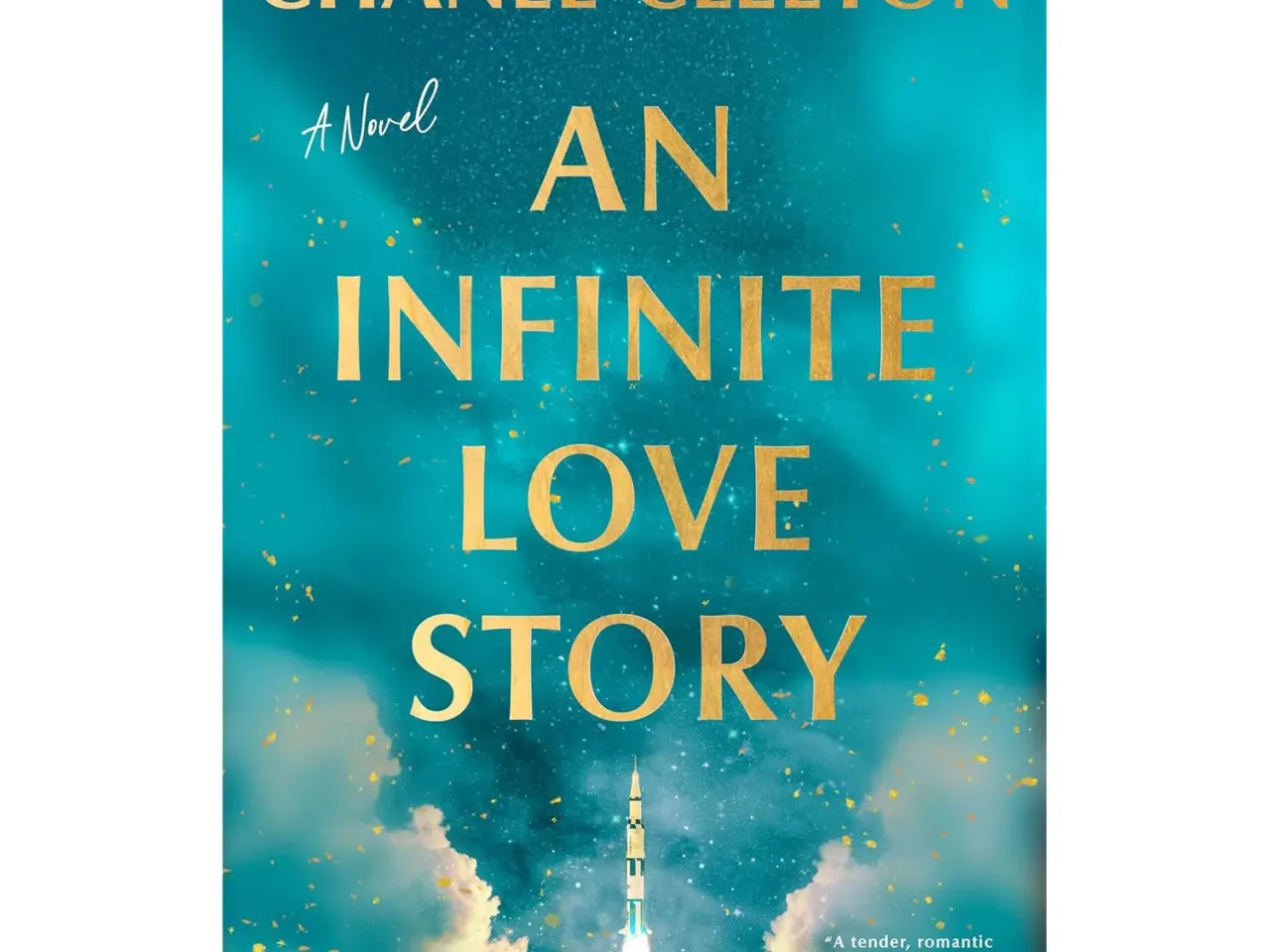
An Infinite Love Story is a sweeping romantic drama with a touch of magical realism from the bestselling author of The Lost Story of Eva Fuentes. Chanel Cleeton is one of my auto-buy authors — and I was hooked on this new book immediately. Cleeton’s ability to pull readers in quickly and deeply through her storytelling makes her a go-to author for an immersive reading experience. Set during the Space Race of the 1960s, this story follows the wife of an astronaut who is lost in space, who refuses to believe her husband is gone forever. Vivian and Joe’s love is unforgettable, and so is Cleeton’s writing. She had me from the dedication. (July 7) — Denny S. Bryce
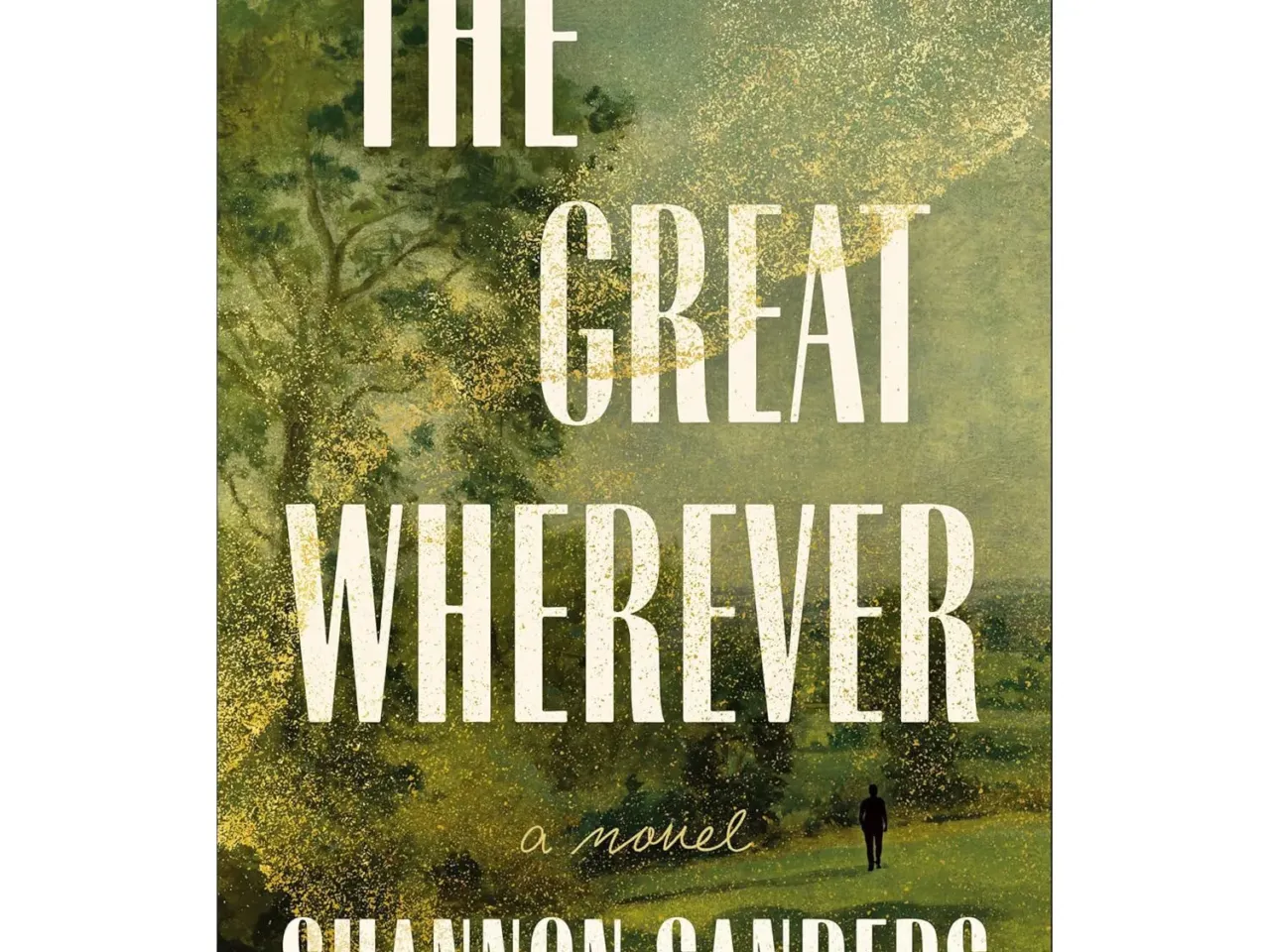
After winning the LA Times Book Prize for her story collection Company, expectations were running high for Shannon Sanders’ first novel. A playful and poignant intergenerational saga about a haunted farm in which ancestors watch over and critique the living for posterity and entertainment, The Great Wherever leaps over that bar. The story pays tribute to the lasting legacy of Sanders’ ancestors (land that’s been in the family for a century), while creating something inventive and new. From an undead perspective, haunting is believably bittersweet; it’s “better than the best reality TV,” but “lesser, of course, than the thrill of both seeing and being seen.” I was hooked from the first sentence. (July 7) — Carole V. Bell
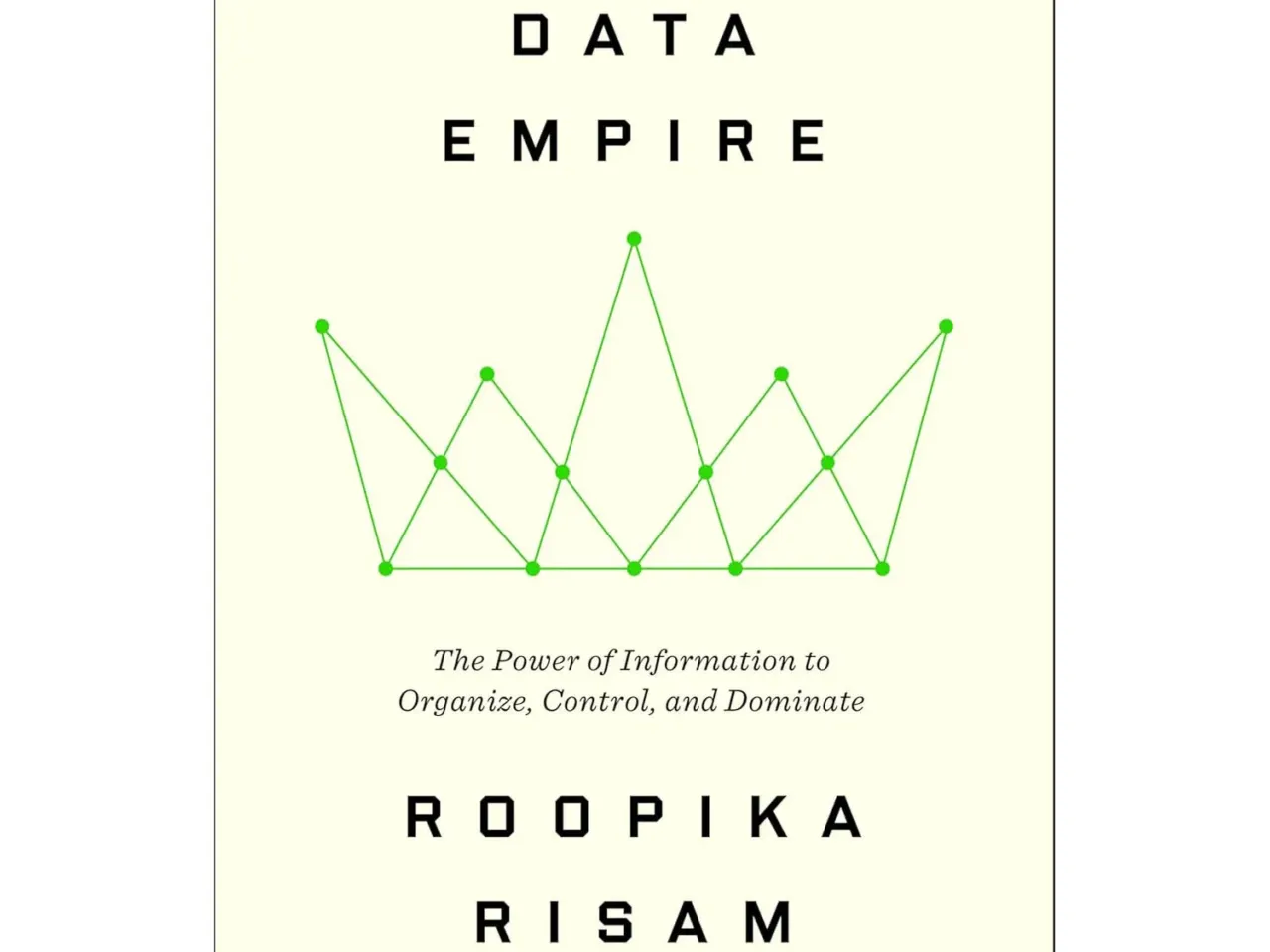
Data centers have been making me anxious for a while, largely because of the environmental impacts — the massive draw on the electrical grid, the millions of gallons of clean water they require for cooling, the massive carbon footprint. The harm caused by data center infrastructure is only part of the problem, though. Roopika Risam’s newest book, Data Empire: The Power of Information to Organize, Control, and Dominate, explores “how data has always been the seed of power,” tracing its centrality from Mesopotamia to today. A book that promises not to just show how empires have collected and weaponized data over the ages, but also how we can resist, is an easy must-read for me. (July 14) — Ericka Taylor
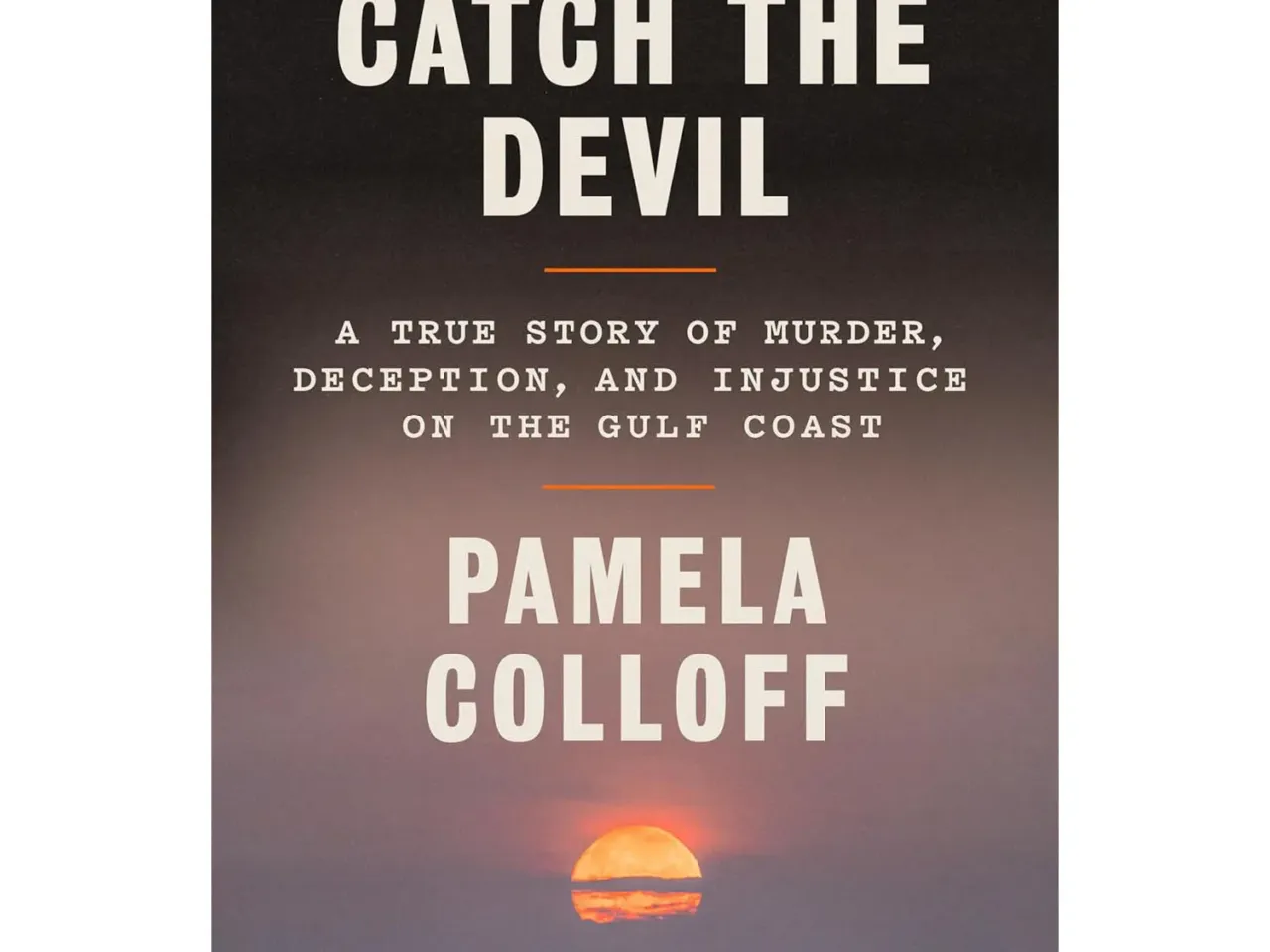
I have been a fan of Pamela Colloff’s investigative journalism since 2018, when ProPublica and The New York Times Magazine published a narrative feature on junk forensic science. Her first book builds on her 2019 feature about a con artist who became one of America’s most prolific jailhouse informants. Despite his reputation as a liar and grifter, prosecutors were all too willing to believe the “useful” stories he spun — including about defendants who were ultimately sentenced to death. Unfolding in cinematic detail, Catch the Devil offers a riveting and disturbing account of the potentially fatal consequences of a criminal legal system that is more concerned with securing convictions than determining the truth and delivering justice. (July 14) — Kristen Martin
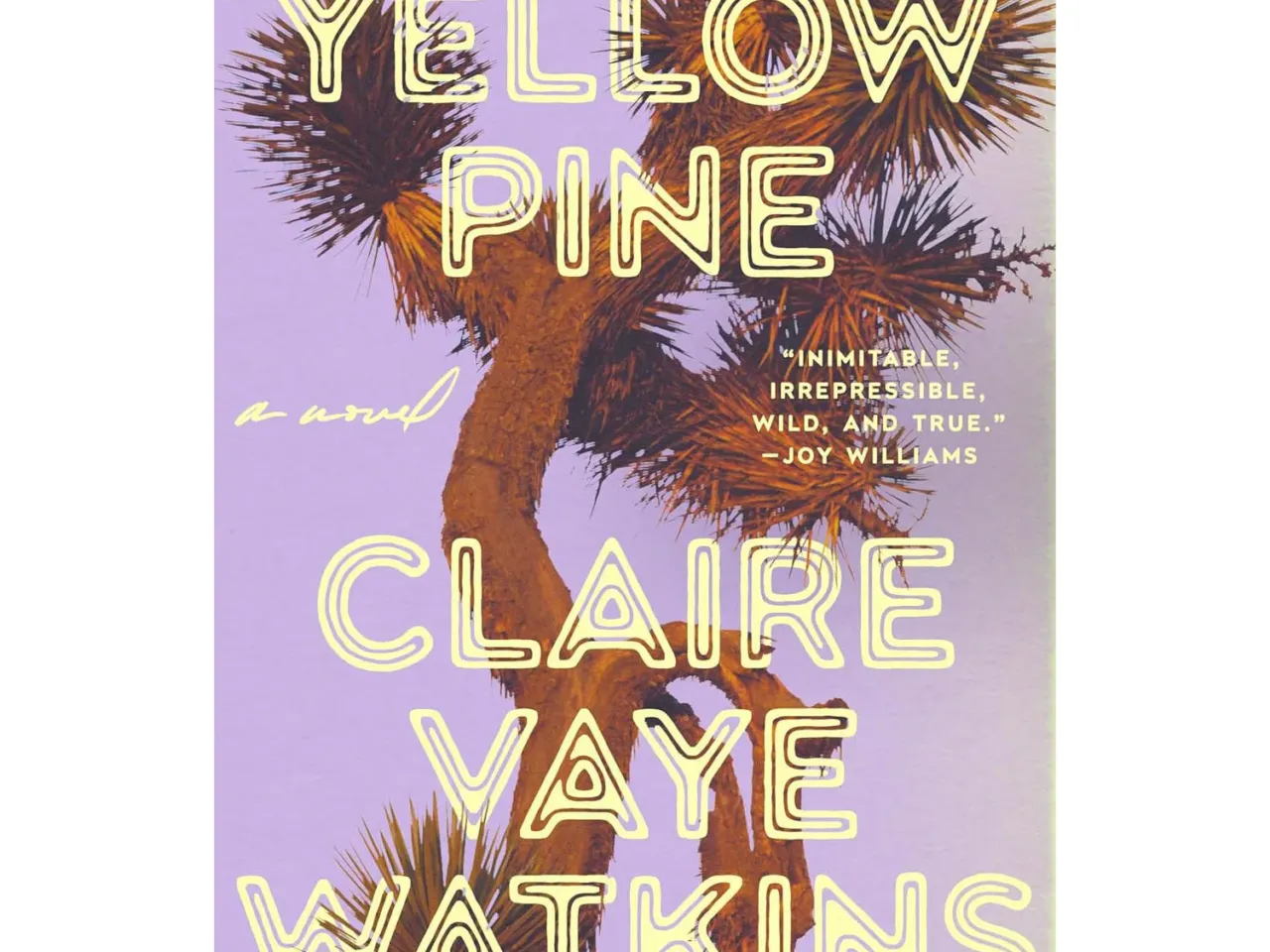
I’ve been an admirer of Claire Vaye Watkins since her debut book, the story collection Battleborn, was published in 2012. As good as that book was, I was blown away by her novels, Gold Fame Citrus and I Love You but I’ve Chosen Darkness, both of which brought the American West to life with Watkins’ formidable wit and audacity. I can’t wait for her new novel, which follows a single mother living in an intentional community in the Mojave Desert. Watkins is known for taking risks, and she never repeats herself — I’m betting that her latest book will showcase her genius at storytelling and her love for the rugged landscape of the West. (July 21) — Michael Schaub
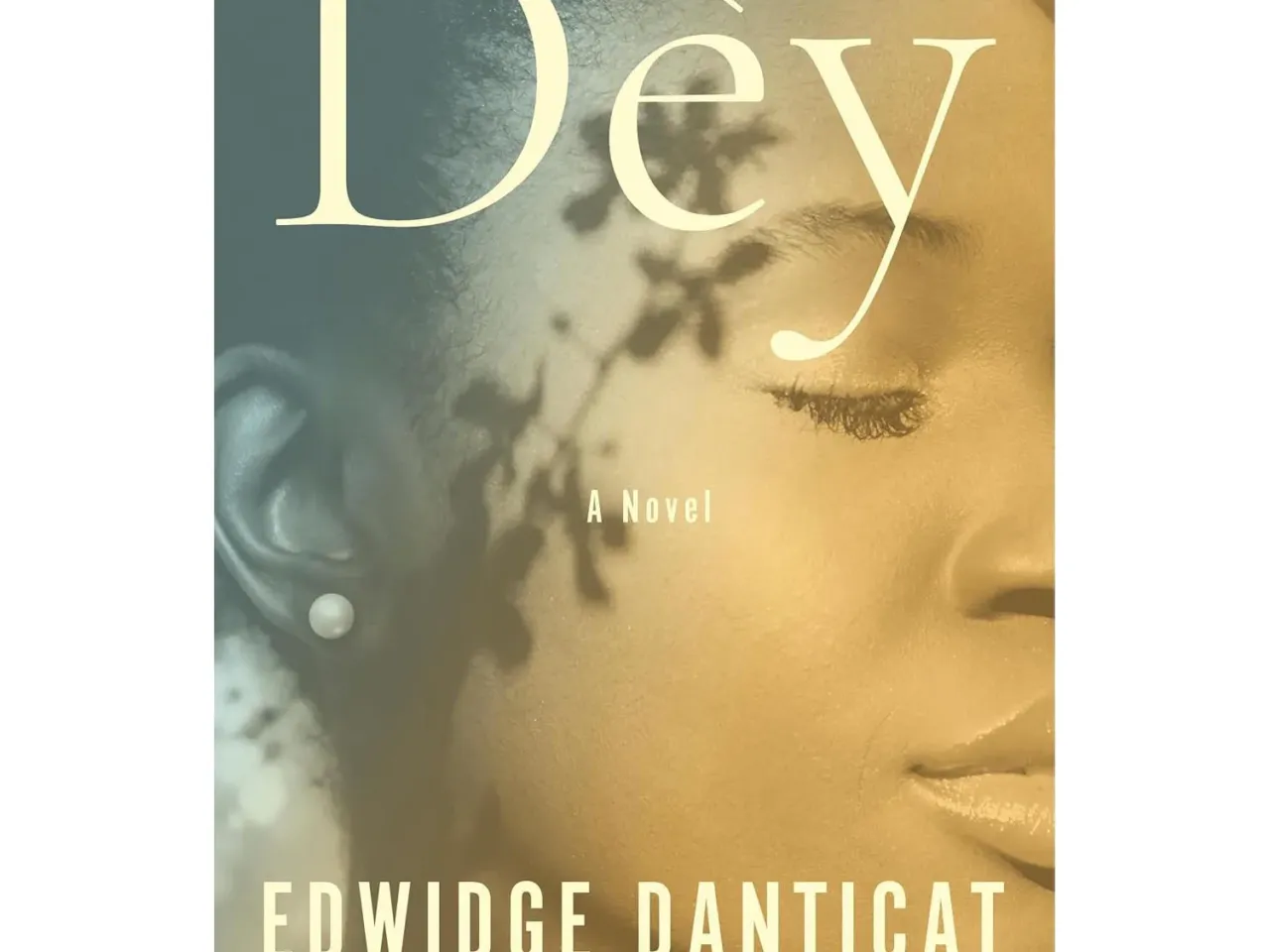
Edwidge Danticat is an author whose work truly captures the Haitian American immigrant experience with prose that is so languid and all-consuming that one never wants to be released from its grasp. In her first novel in over a decade, she offers a beautiful exploration of migration, gentrification and political instability. The title — Dèy, the Haitian Creole word for “mourning” — immediately caught my attention, as many Americans are in this state today, for their own country. The novel introduces us to Magnolia, a successful real estate agent in Miami whose outlook on life changes after she is caught in a mall shooting. A story that allows us to reassess love and grief, Dèy is a novel of now. (Aug. 25) — Keishel Williams
Copyright 2026 NPR