Updated May 20, 2026 at 08:00 AM ET
Every year since 1988, the National Trust for Historic Preservation has released a list of the 11 most endangered historic sites in the country. It shines a light on significant places that have, in most cases, fallen into neglect and disrepair but also some that are threatened by development, environmental or political factors.
This year’s list, released Wednesday, has a theme — a first — commemorating the 250th anniversary of the signing of the Declaration of Independence.
“We chose to focus this year on sites important to the idea that all people are created equal,” said Carol Quillen, the organization’s president. “Over time, brave people have fought for equality before the law, equal opportunity, freedom of speech, due process, birthright citizenship. We wanted sites where those things happened.”
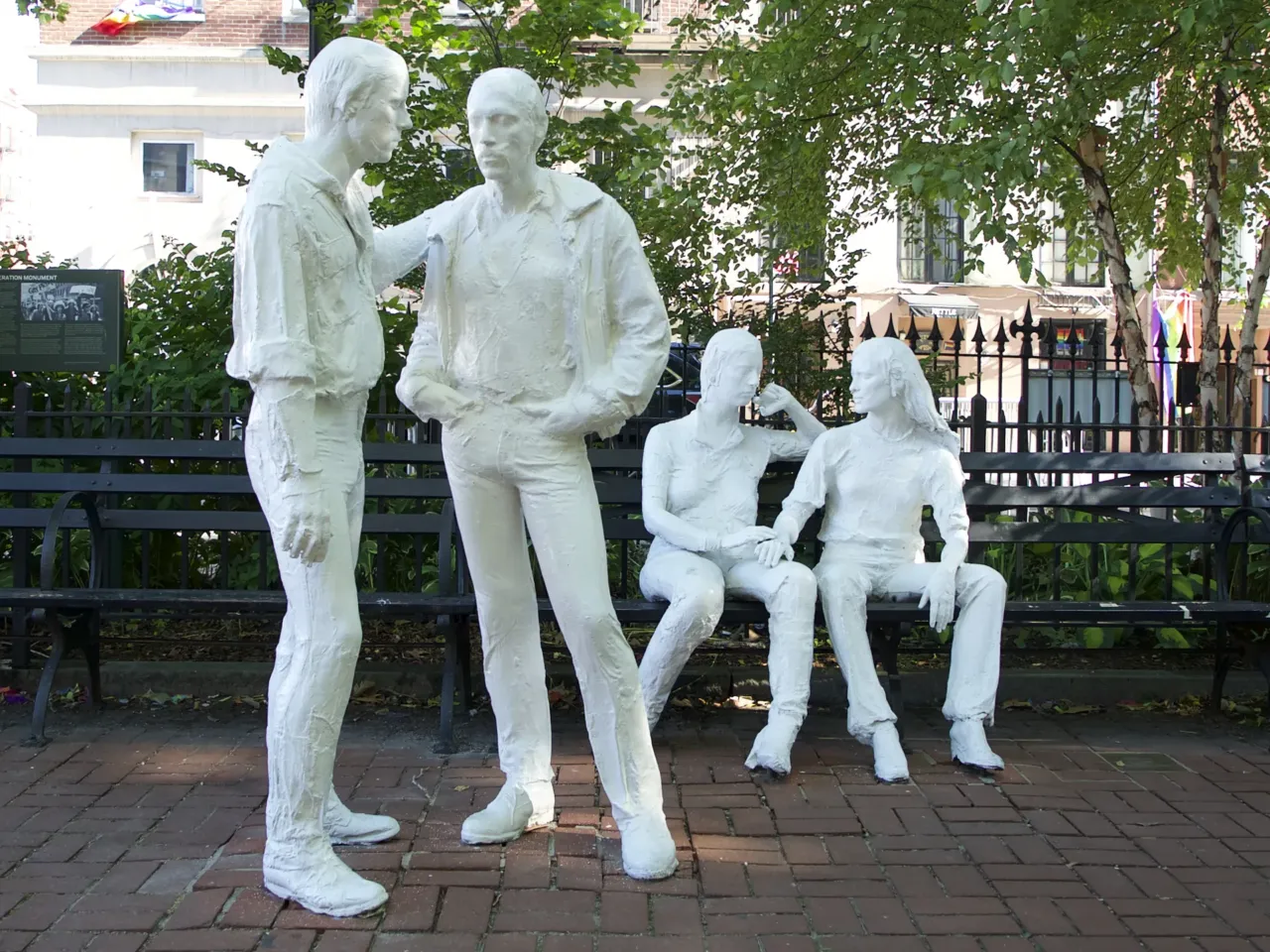
As it happens, the National Trust is in the midst of a lawsuit against President Trump’s administration over the addition of a massive ballroom to the White House. While this president’s current home is not on the list, several historic sites overseen by the National Park Service that have been subject to controversy and legal challenges over changes made by the Trump administration are included. One such spot is New York City’s Stonewall National Monument, which marks a milestone for LGBTQ rights. It saw the temporary removal of its Pride flag earlier this year.
“The 11 most endangered list historically has picked sites of historical significance and deep meaning that are somehow at risk of being lost,” Quillen said. “One of the ways that you can lose a site is through erasure, [when] what happened there is gradually forgotten or intentionally erased. And so that’s a form of a threat to preservation that we’re also interested in protesting.”
Each site featured on the list will also, for the first time, receive a one-time grant of $25,000 from the National Trust. The places on this year’s list follow, in alphabetical order.
Ben Moore Hotel, Montgomery, Ala.
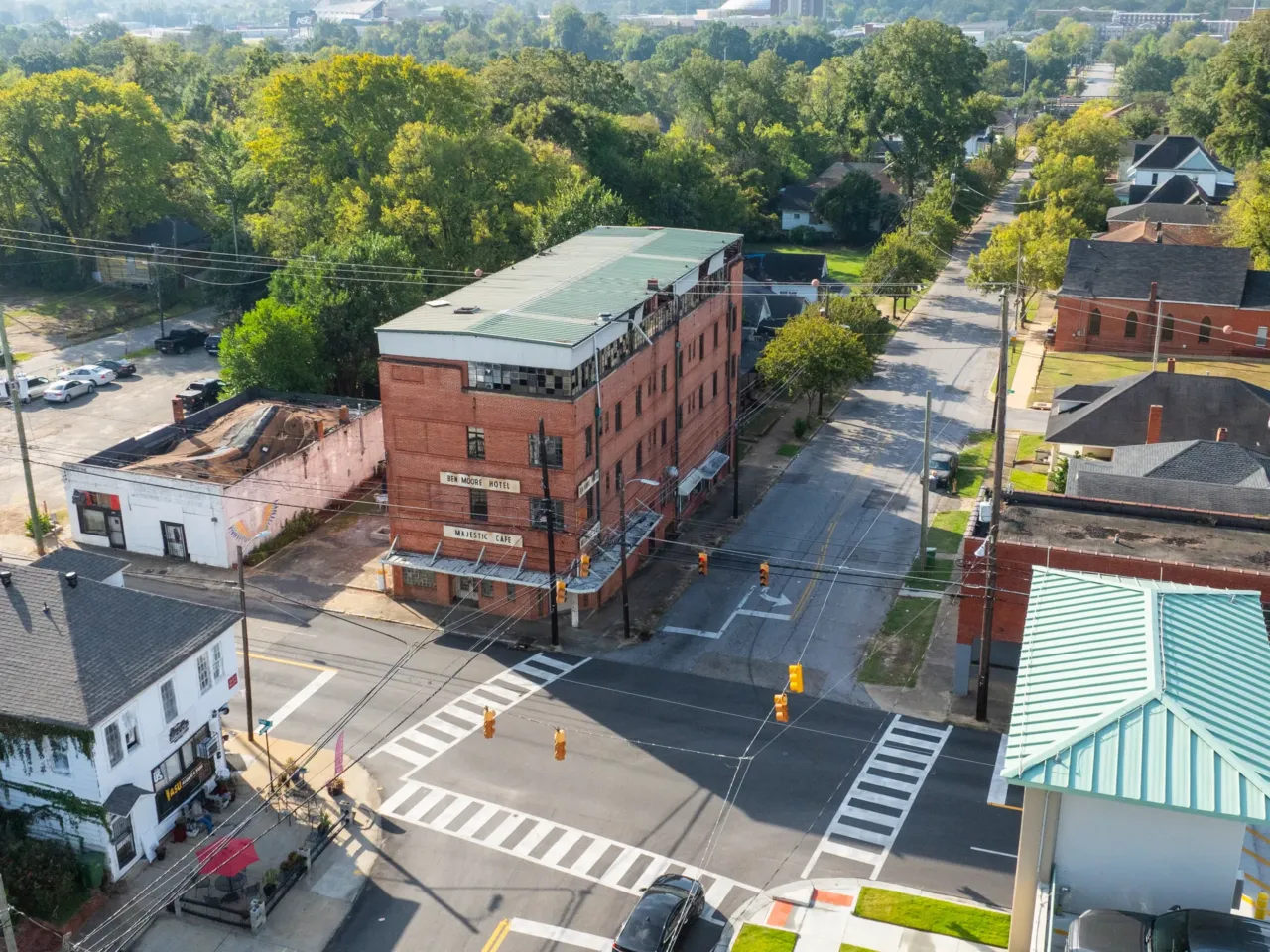
Black travelers during the days of Jim Crow were directed to the Ben Moore Hotel by the Green Book. A hub of organization during the Civil Rights movement, the four-story hotel boasted modern amenities, a barbershop and a rooftop restaurant. Long vacant, the building suffers from structural deterioration.
Tule Lake Segregation Center, Modoc County, Calif.
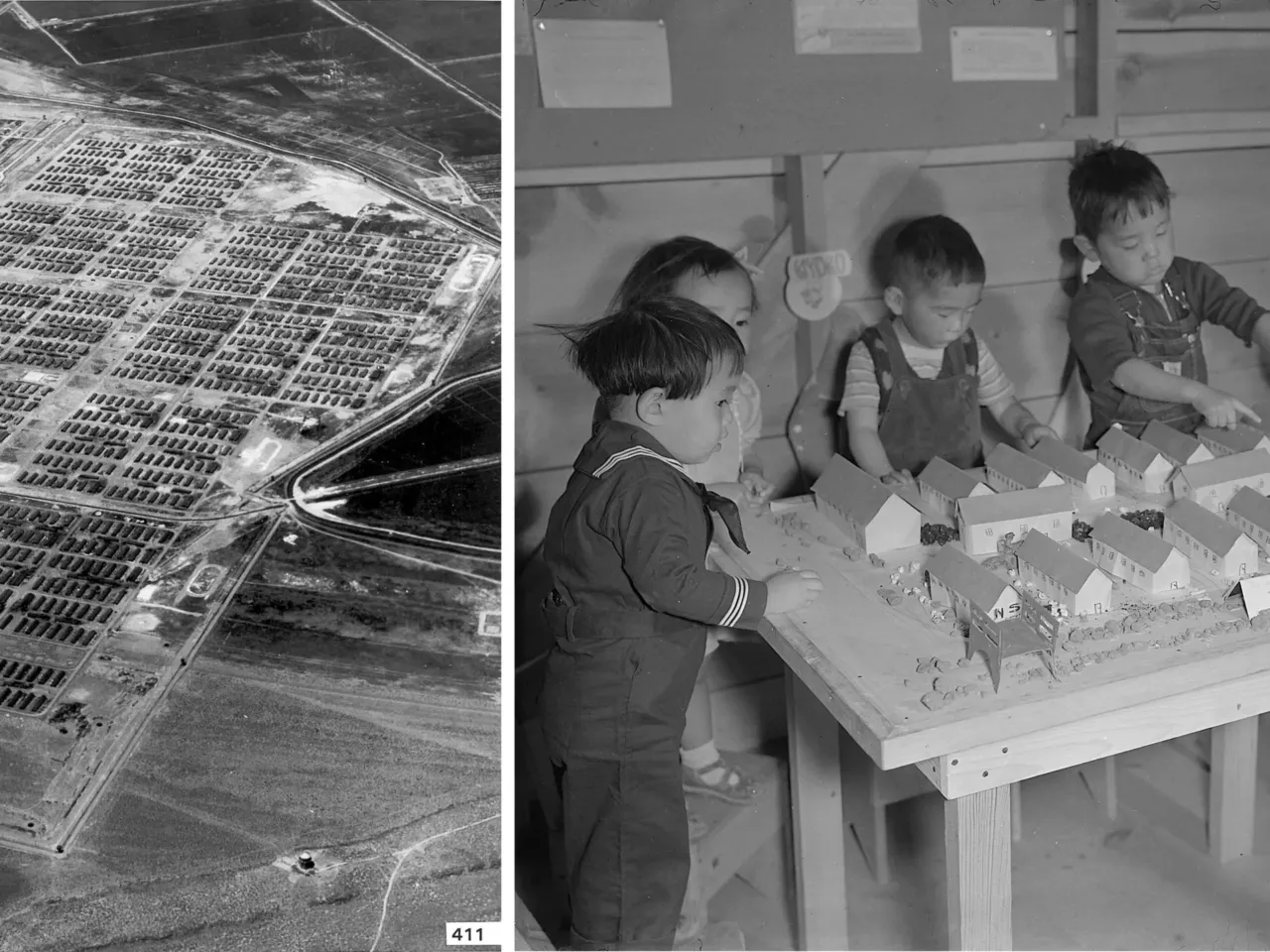
Now a National Monument, the site was the largest of the 10 War Relocation Authority Camps that imprisoned Japanese-Americans during World War II. But only a small portion of the 1,100 acre site is protected, with much of the rest threatened by a proposed airfield fence.
Angel Island Immigration Station, Tiburon, Calif.
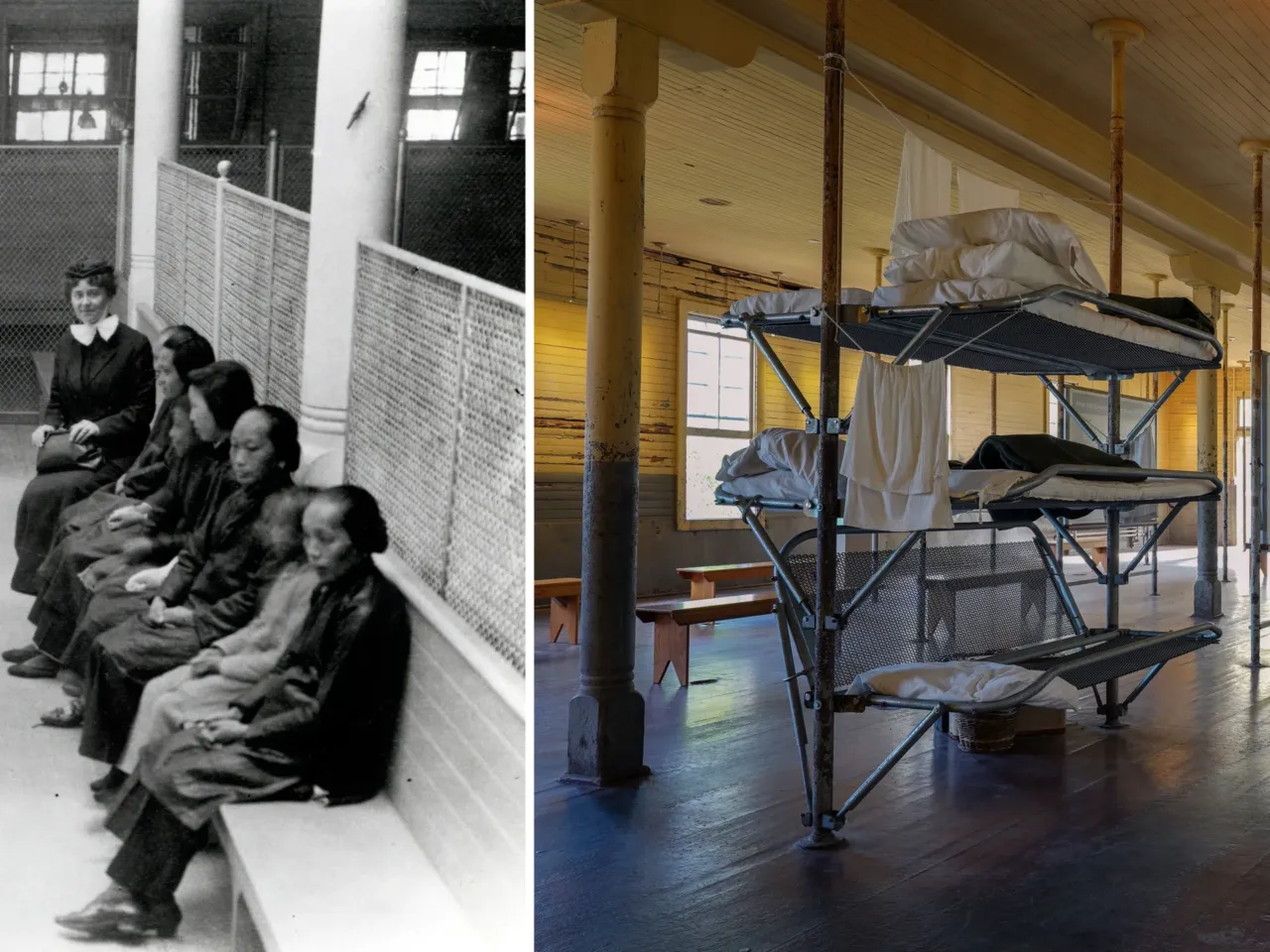
detention barracks museum. Angel Island Immigration Station Foundation / National Trust for Historic Preservation
Once known as “the Ellis Island of the West,” the former immigration port on the West Coast has landed on the “most endangered” list in the past. Although several detention barracks primarily used to house Asian immigrants have been restored, the site is still threatened by “physical, environmental, political, and economic factors,” according to the National Trust.
Swansea Friends Meeting House, Somerset, Mass.
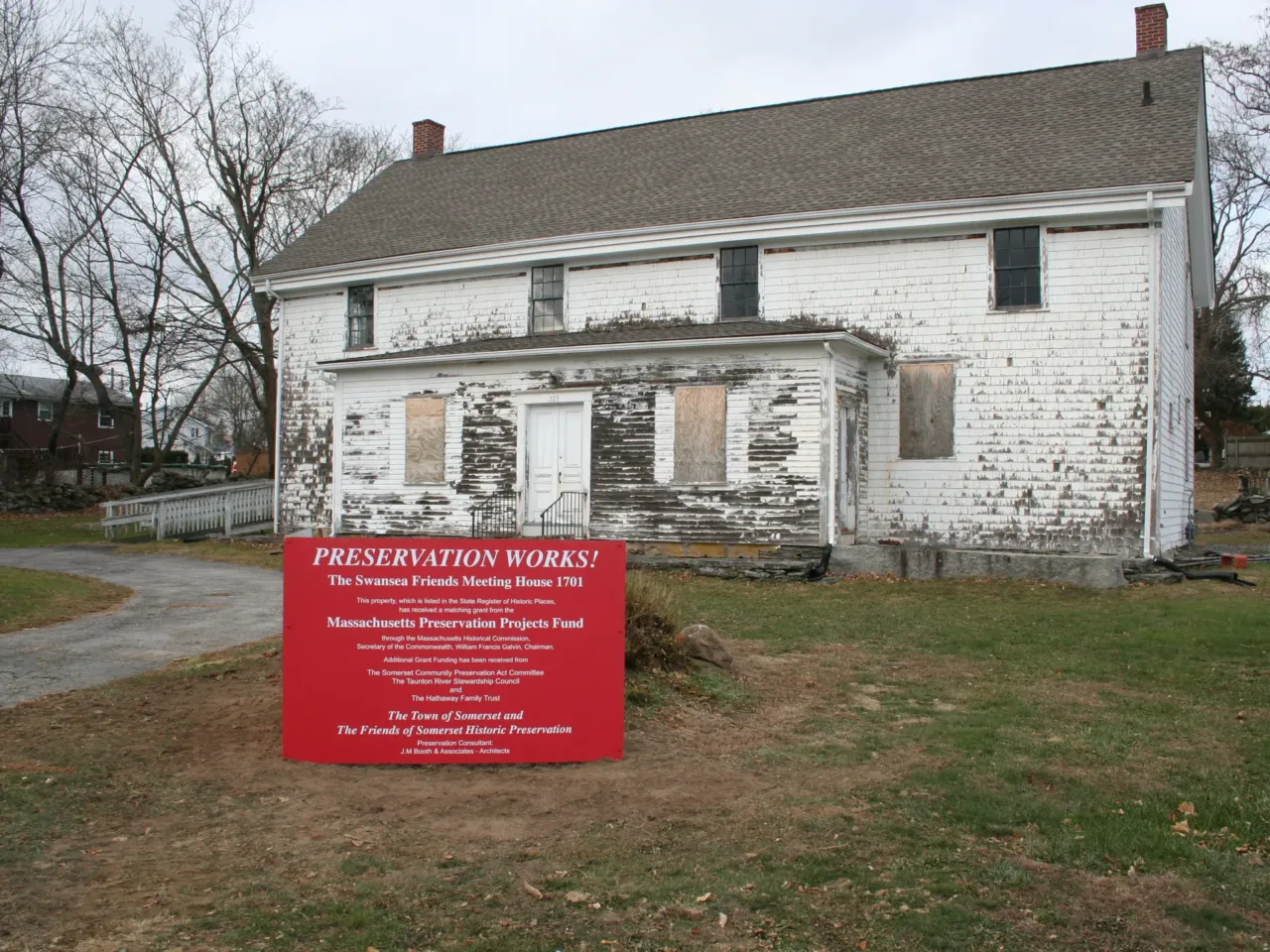
The oldest surviving Quaker meeting house in Massachusetts was established in 1701 by the Society of Friends, “a congregation fleeing religious persecution and seeking a safe place to worship freely,” according to the National Trust. The long-closed clapboard and shingled building is structurally damaged and requires other significant repairs.
Detroit Association of Women’s Clubs, Detroit
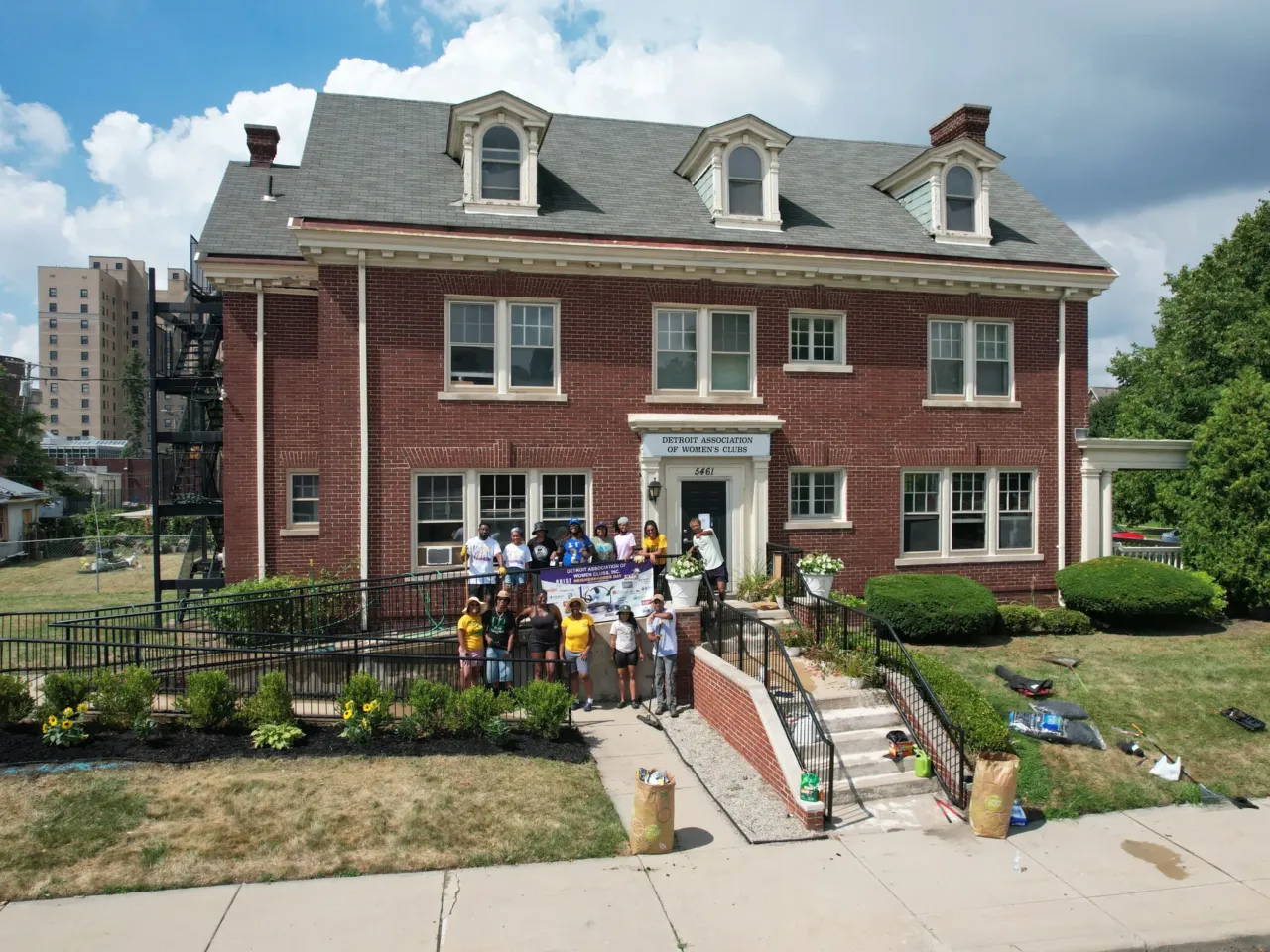
One of the first Black organizations in the city to own its headquarters building, the Detroit Association of Women’s Clubs was founded in 1921 to build community and work for civil rights. The building has been closed for renovations since 2024, when a burst water pipe damaged the structure.
Greater Chaco Cultural Landscape in New Mexico, Colorado, Arizona and Utah
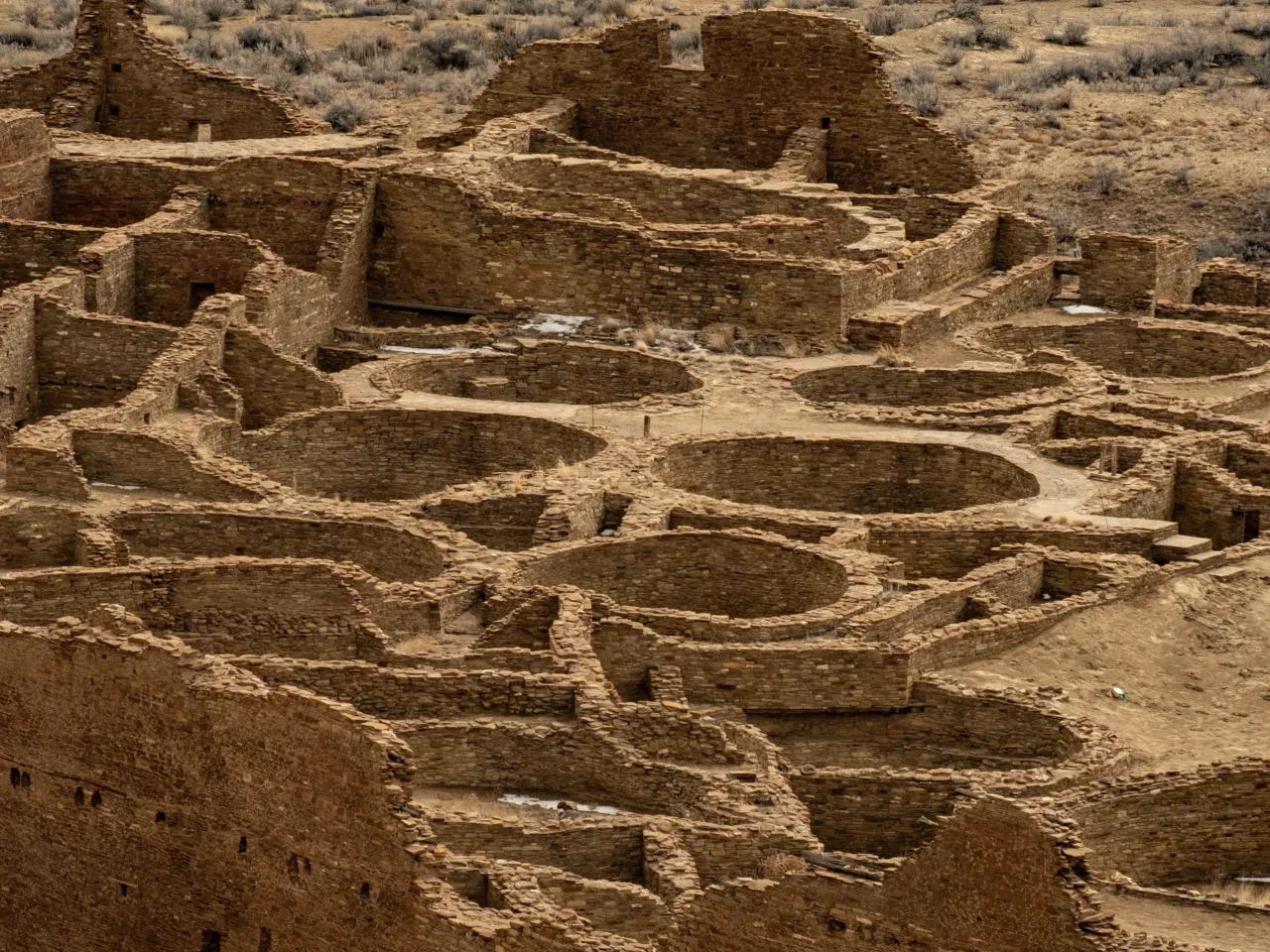
A sacred area to indigenous people for over a millennium, and an ancestral homeland sustained by Pueblo and Hopi people, the site is also one of only 20 World Heritage properties in the United States. This year, the federal government proposed an expansion of oil and gas development on 336,425 acres surrounding Chaco Culture National Park.
Women’s Rights National Historical Park, Seneca Falls, N.Y.
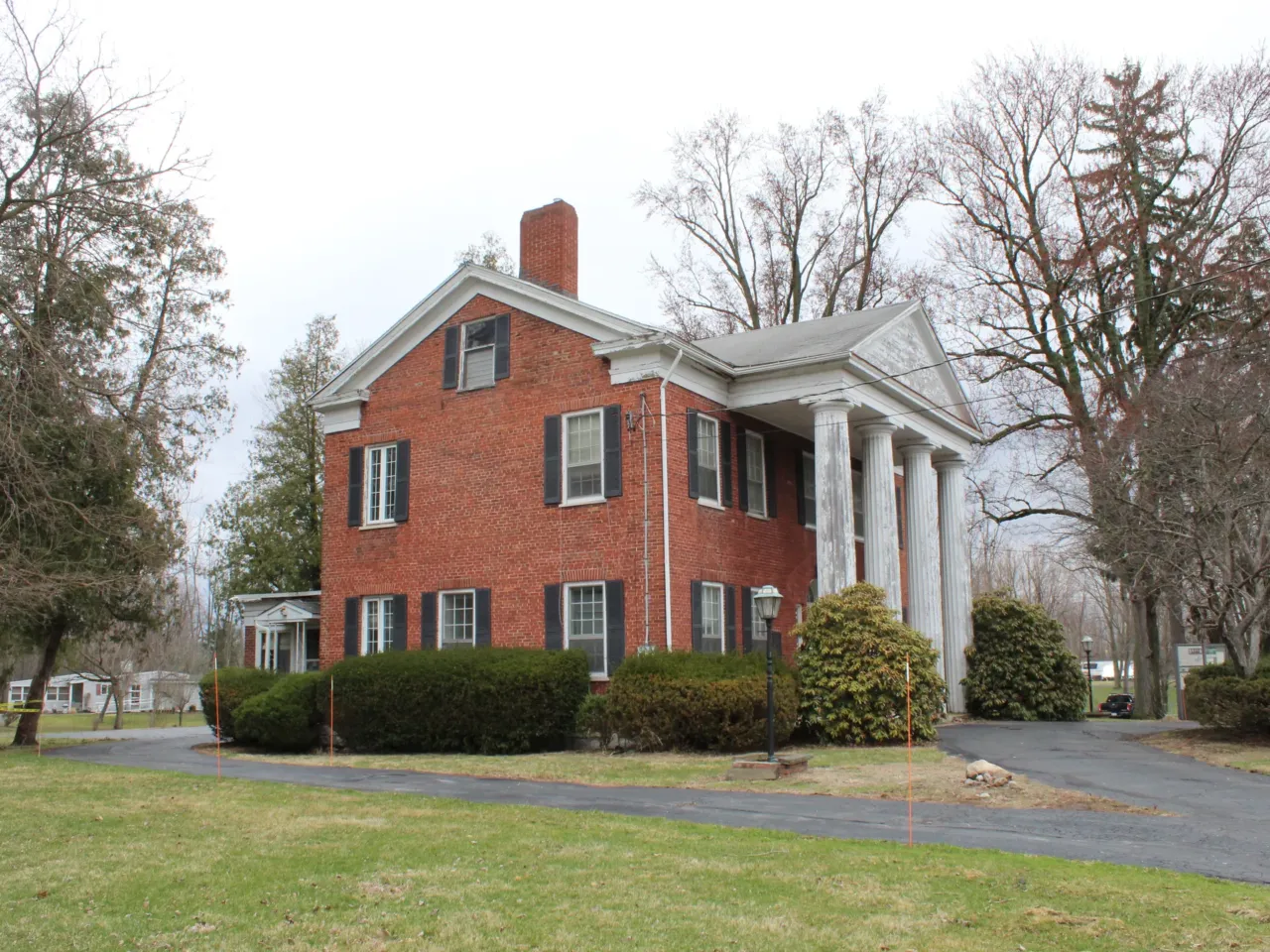
Although The Women’s Rights National Historical Park opened only in 1982, the site honoring U.S. women’s rights leaders and abolitionists faces a deferred maintenance backlog of more than $10 million, according to the National Trust.
Stonewall National Monument, New York City, N.Y.
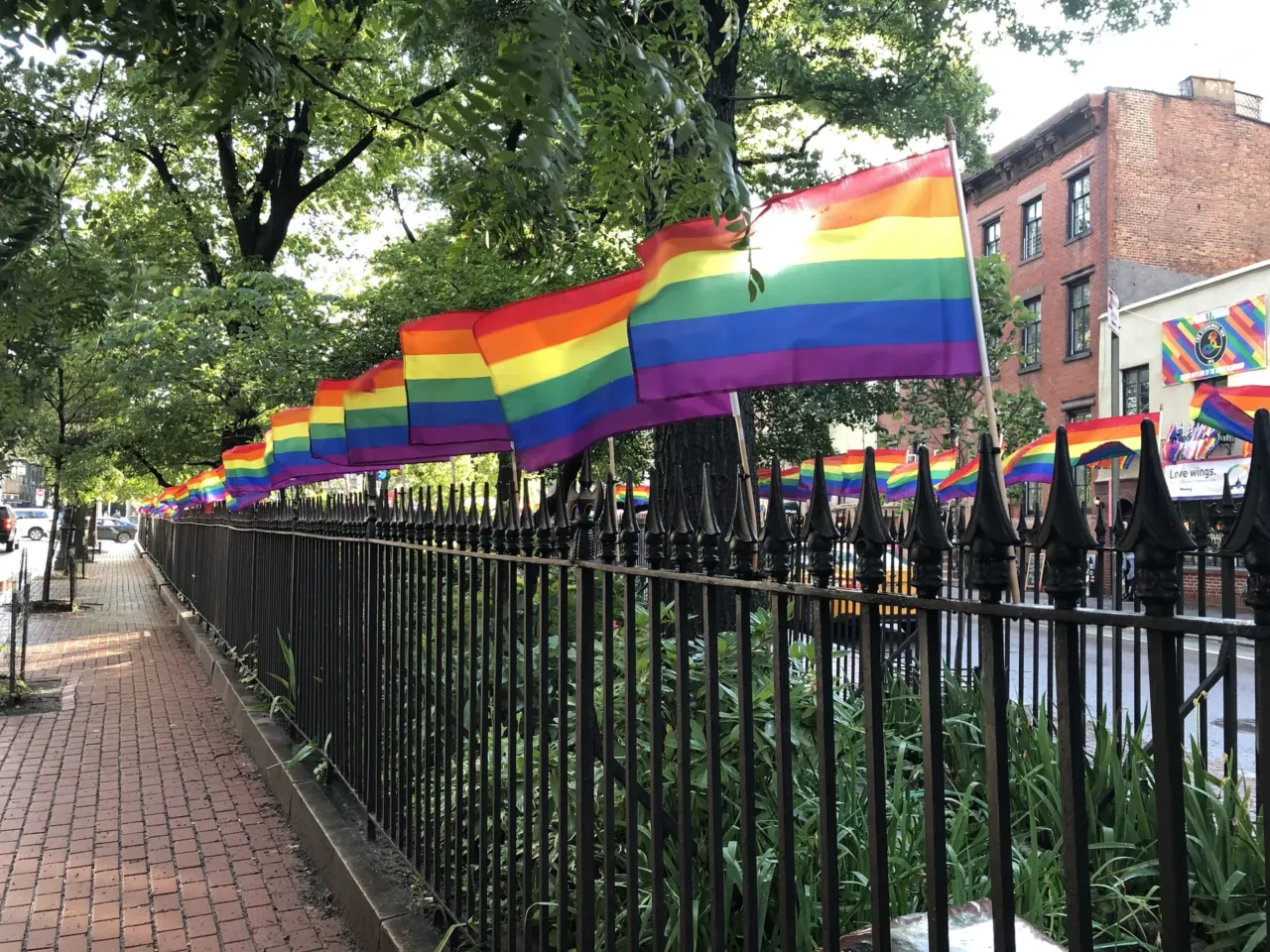
The first- and only – U.S. national monument dedicated to LGBTQ+ history, the site of the Stonewall Uprising in 1969 was added to the list after a rainbow Pride flag was removed by the National Park Service earlier this year and restored after a lawsuit.
The President’s House Site, Philadelphia
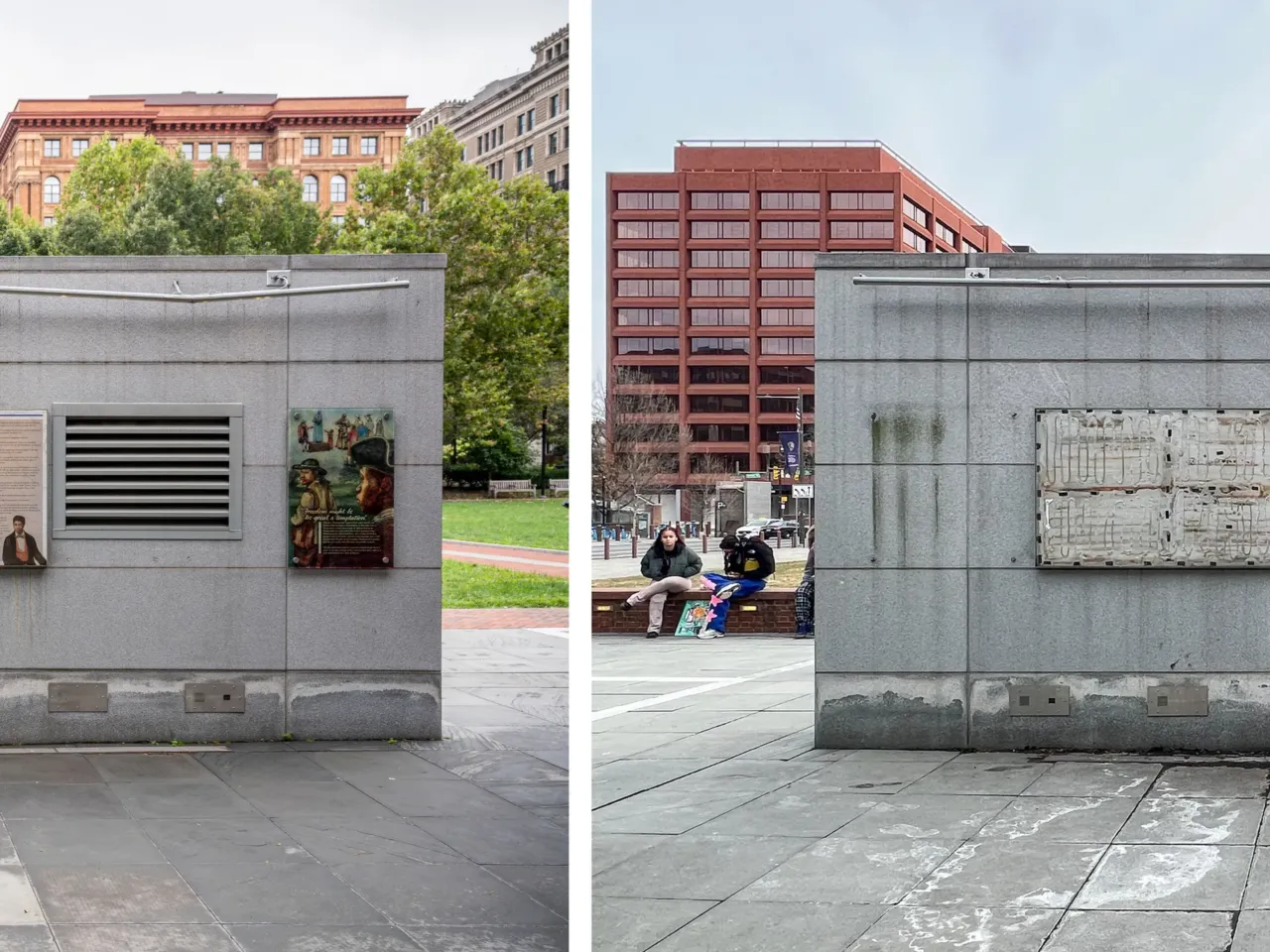
An archaeological site showcasing where George Washington and John Adams lived as presidents, the site made headlines earlier this year when the National Park Service took down exhibition materials related to slavery. A federal court has halted further changes.
Hanging Rock Revolutionary War Battlefield, Heath Springs, S.C.
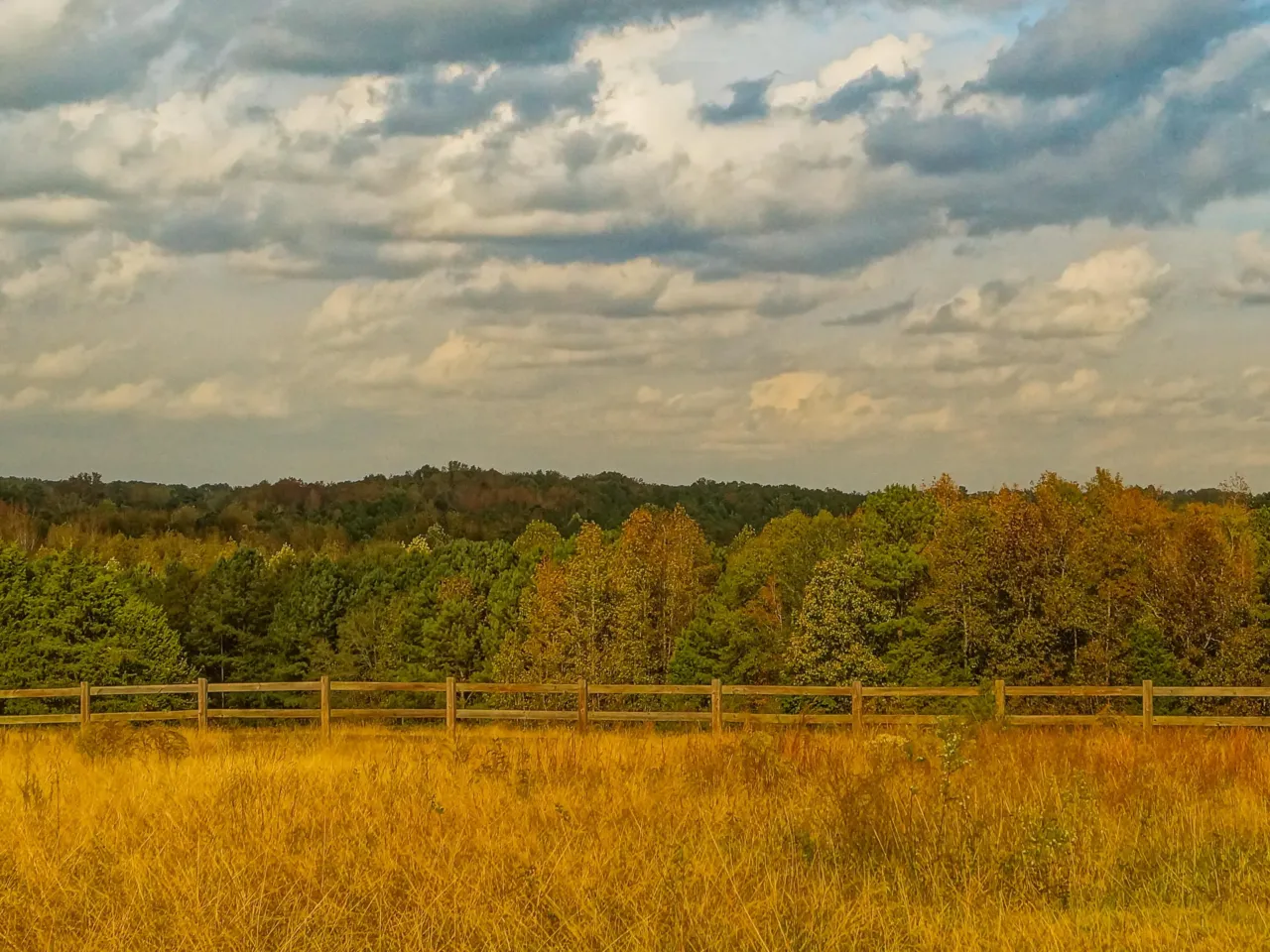
In 1780, the Battle of Hanging Rock marked the weakening of British control in South Carolina during the Revolutionary War. Only parts of the historic battlefield are protected and open to the public, says the National Trust, and “the area is anticipating population growth and increasing development pressures.”
El Corazón Sagrado de la Iglesia de Jesús, Ruidosa, Texas
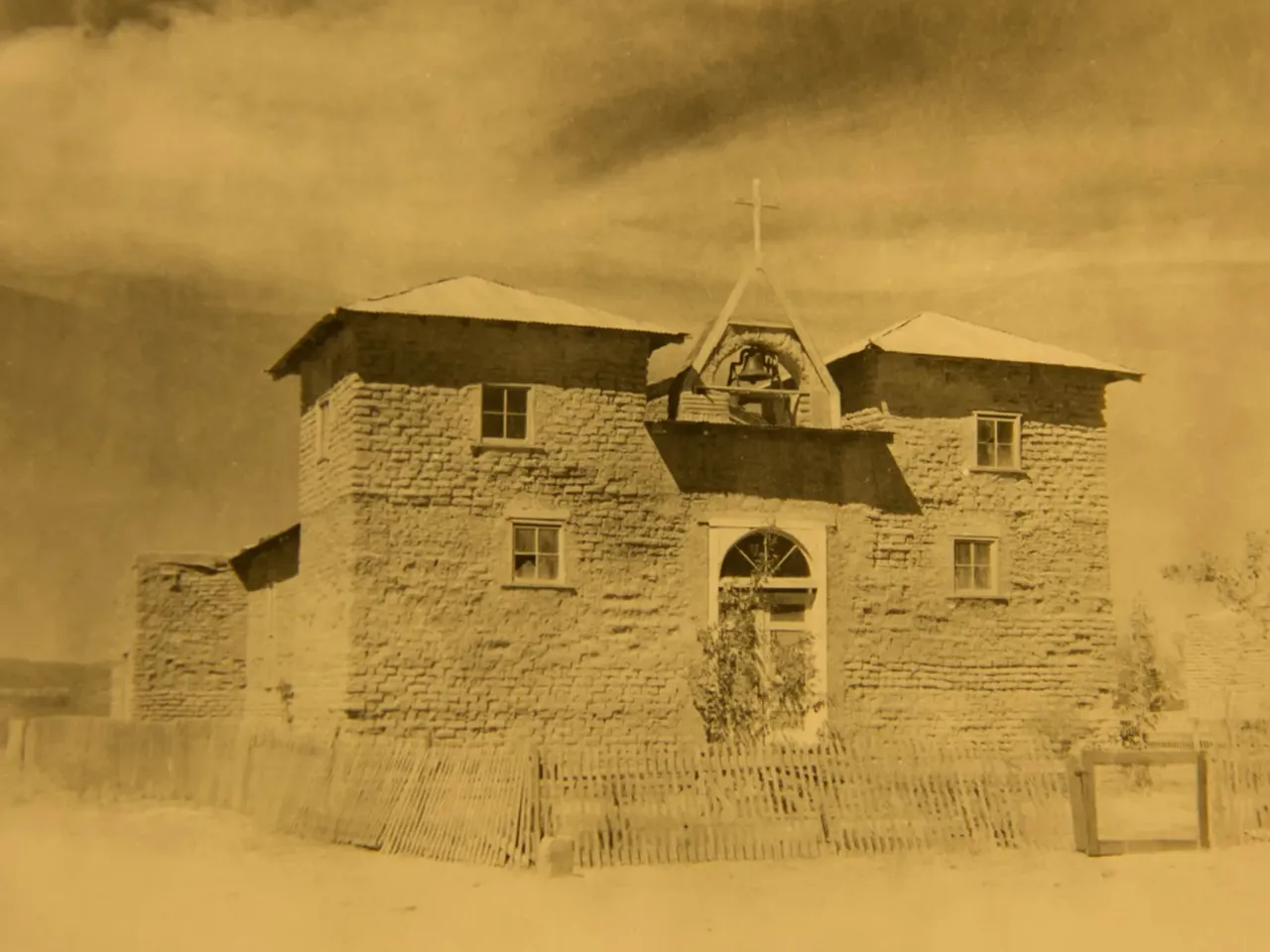
The adobe church was built by farmworkers in 1915 as a spiritual sanctuary for people on both sides of the border. It’s sat empty for more than 70 years. Local preservation efforts have been complicated by news that the church lies within a few hundred yards of the U.S. border wall’s proposed expansion.
Copyright 2026 NPR