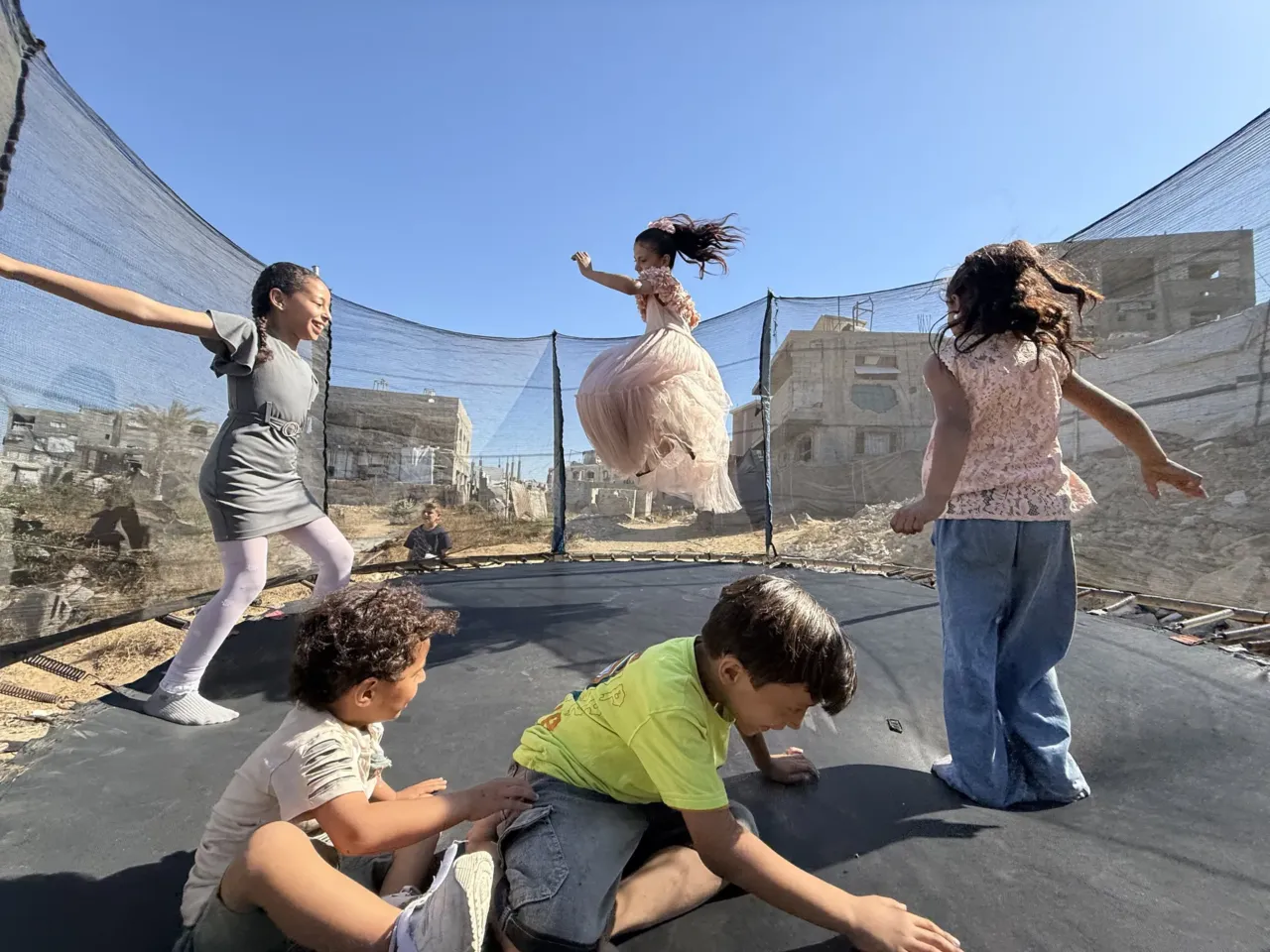
One of the older men gripes to the others: “Life is so boring.” Like most in Gaza, the group of men are unemployed with no hope on the horizon as President Trump’s peace plan, which calls for Israeli withdrawal, new governance in Gaza and Hamas’ disarmament, stalls nine months after the ceasefire was brokered.
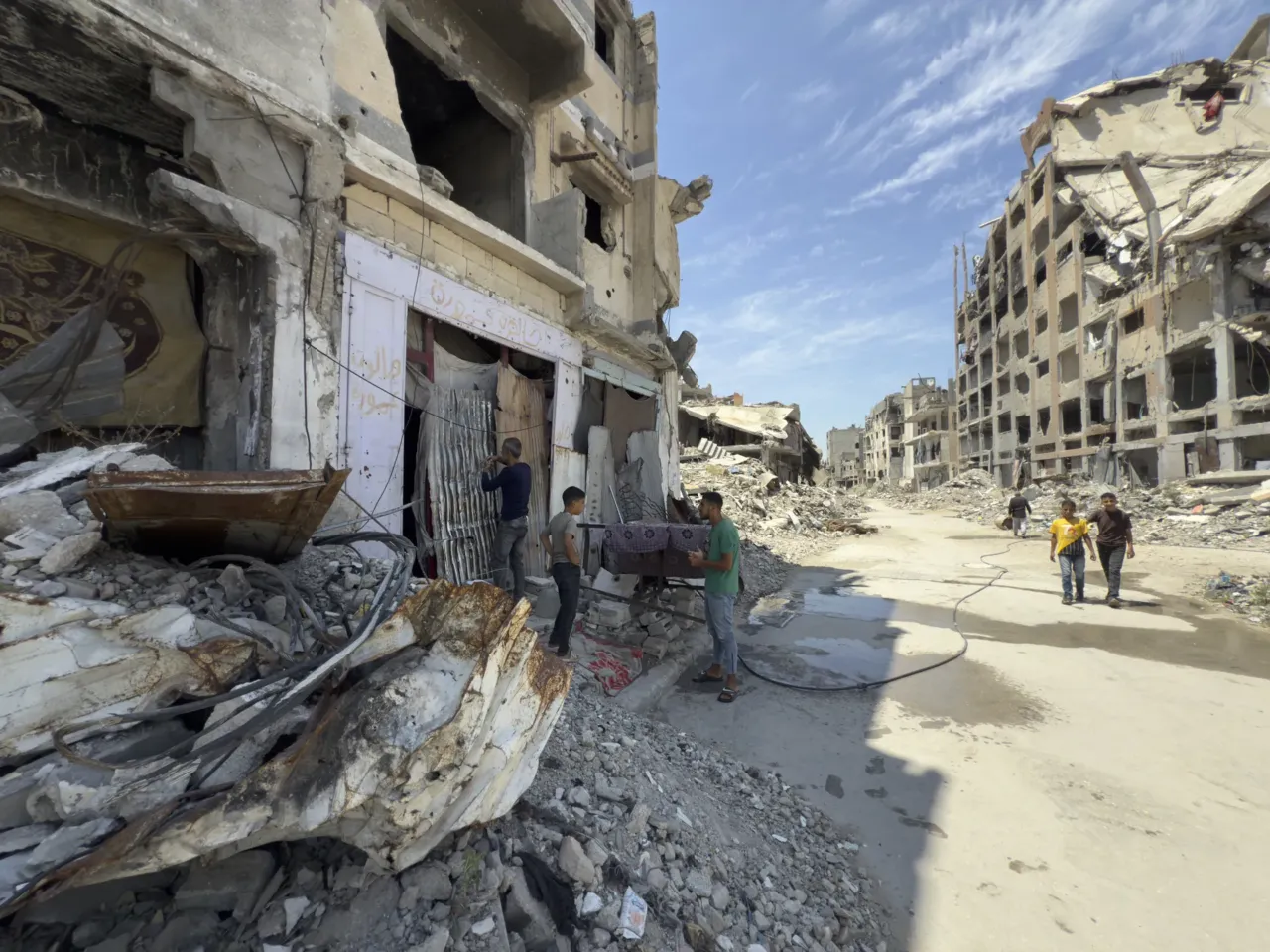
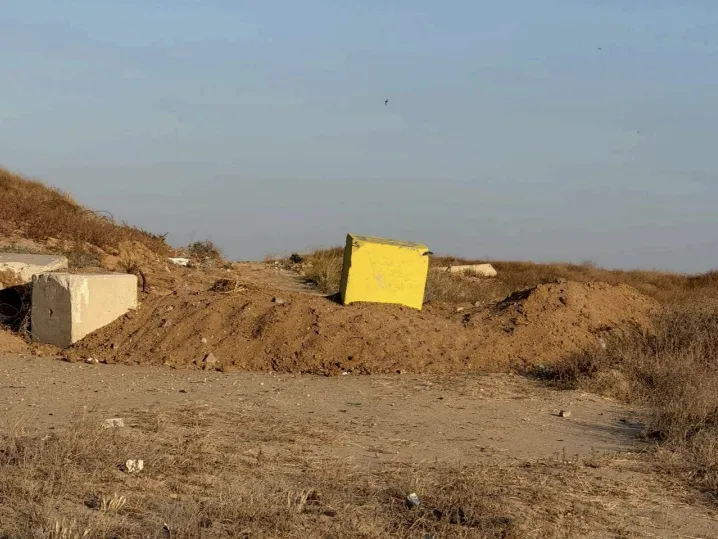
That’s because Israeli forces have been pushing deeper into Gaza in recent months. At the start of the ceasefire in October, the military controlled around half of the territory, along what is called the “yellow line.”
Israel’s military now controls nearly 70% of Gaza, including the area of al-Shujaiya. That’s according to comments by Israeli leaders as well as maps indicating areas of restricted access for aid groups that have been analyzed by NPR.
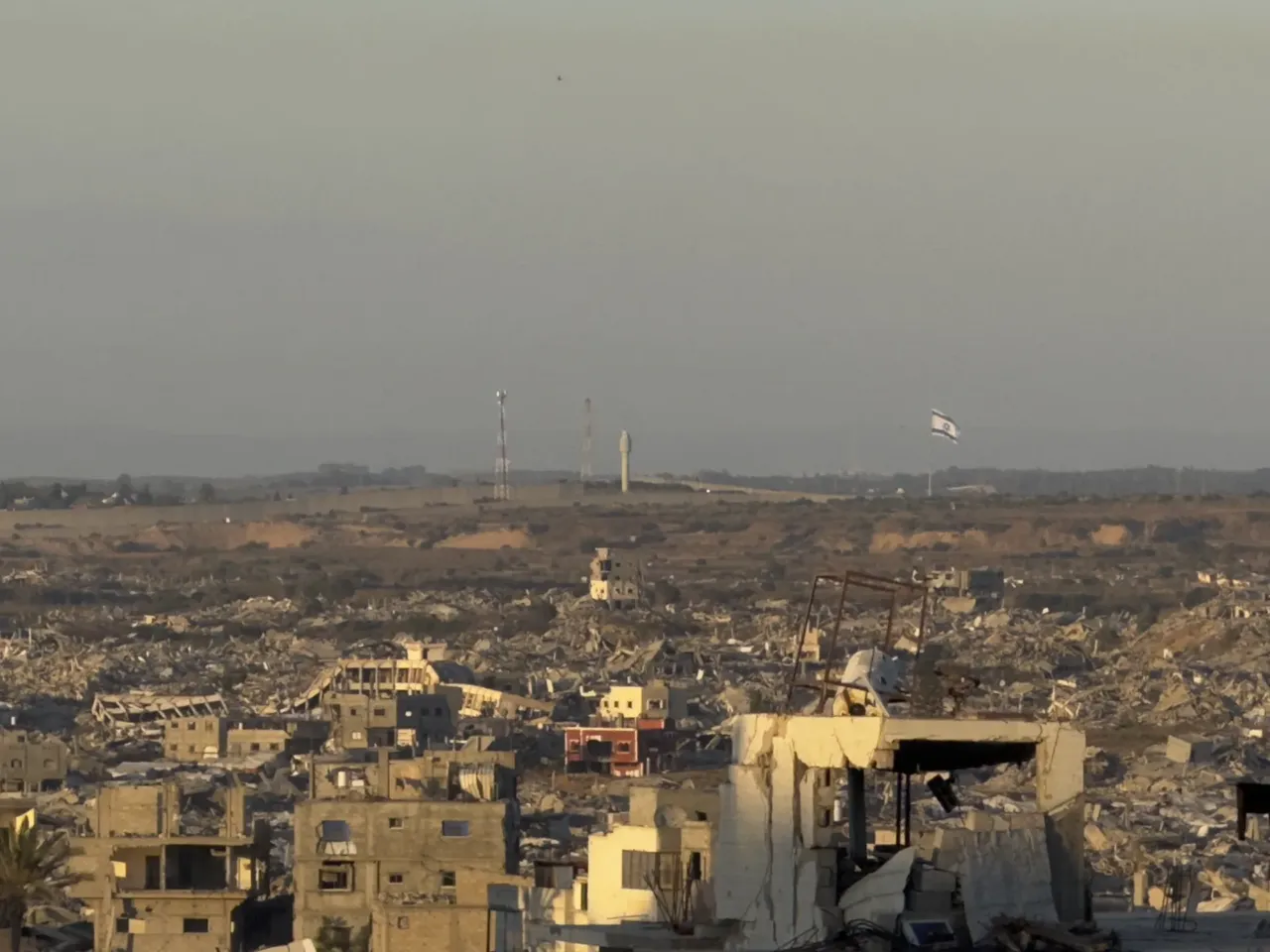
Israeli tanks maneuver around new military posts marked by towering Israeli flags within eyesight of Palestinians in al-Shujaiya.
An expanding militarized “orange zone”
Anas Baba / NPR
zone until the situation is fully clarified.
Israel’s military did not respond to multiple requests for comment.
Loading…
Loading…
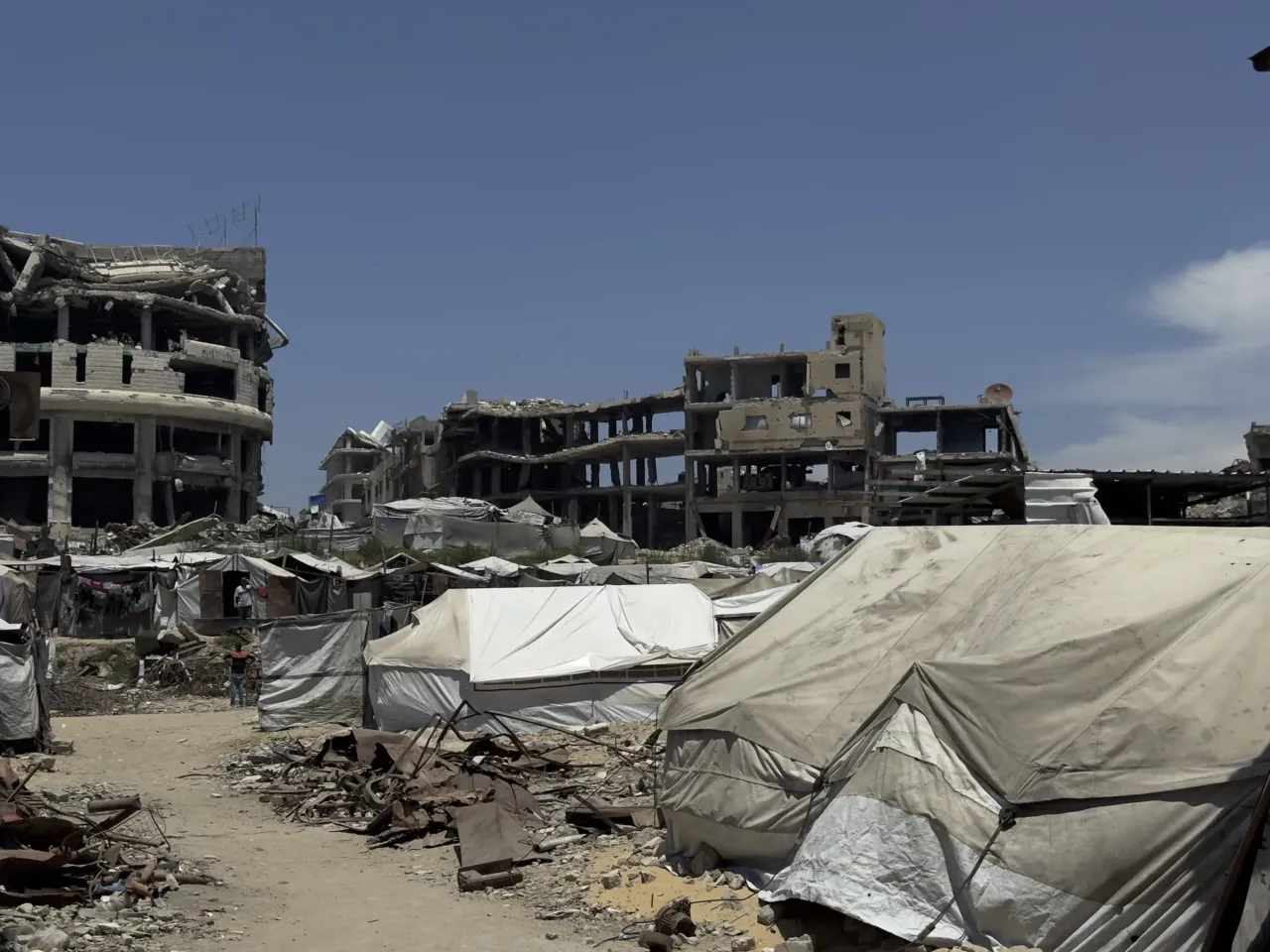
Residents of al-Shujaiya told NPR that aid operations have been halted in their neighborhood since March, and ambulances need Israeli permission to enter.People living in the so-called orange zone of control say Israeli tank shelling and gunfire intensifies in the evening. Random bursts of tank fire are heard throughout the day.
“Homes here get hit by Israeli fire because they’re trying to push us out of here, or at least these eastern parts,” Humeid said. “But we can’t leave this area. This is where we grew up, where our parents and grandparents lived.”
Israel’s plans to control more territory
He told an audience in May that when the ceasefire began, Israel controlled half of Gaza, and then expanded that control to 60% of the territory. A man in the audience yelled out that the next step should be 100% control.
“First, 70%. Let’s go for that,” Netanyahu responded. “We’re hitting them from every direction,” he said.
On the ground, there are no markers indicating where the orange zone begins and ends. The original yellow line of control — which last year marked the border between Israeli-controlled Gaza and areas run by Hamas — is also moving deeper into Gaza, and is only partially marked in places.
The United Nations humanitarian office says around 200 Palestinians have been killed by Israeli forces since the start of the ceasefire in areas of Gaza close to the military’s shifting lines of control along its yellow and orange lines. They are among the more than 1,000 who have been killed across the devastated territory in that same period, according to Gaza’s health ministry.
In a joint statement, U.N. agencies and aid groups criticized Israel’s moving lines of control, saying this is restricting access to aid for thousands of families and leading to lethal Israeli killings of people moving through areas lacking clear demarcation on the ground.
A ghost town of shelling and gunfire
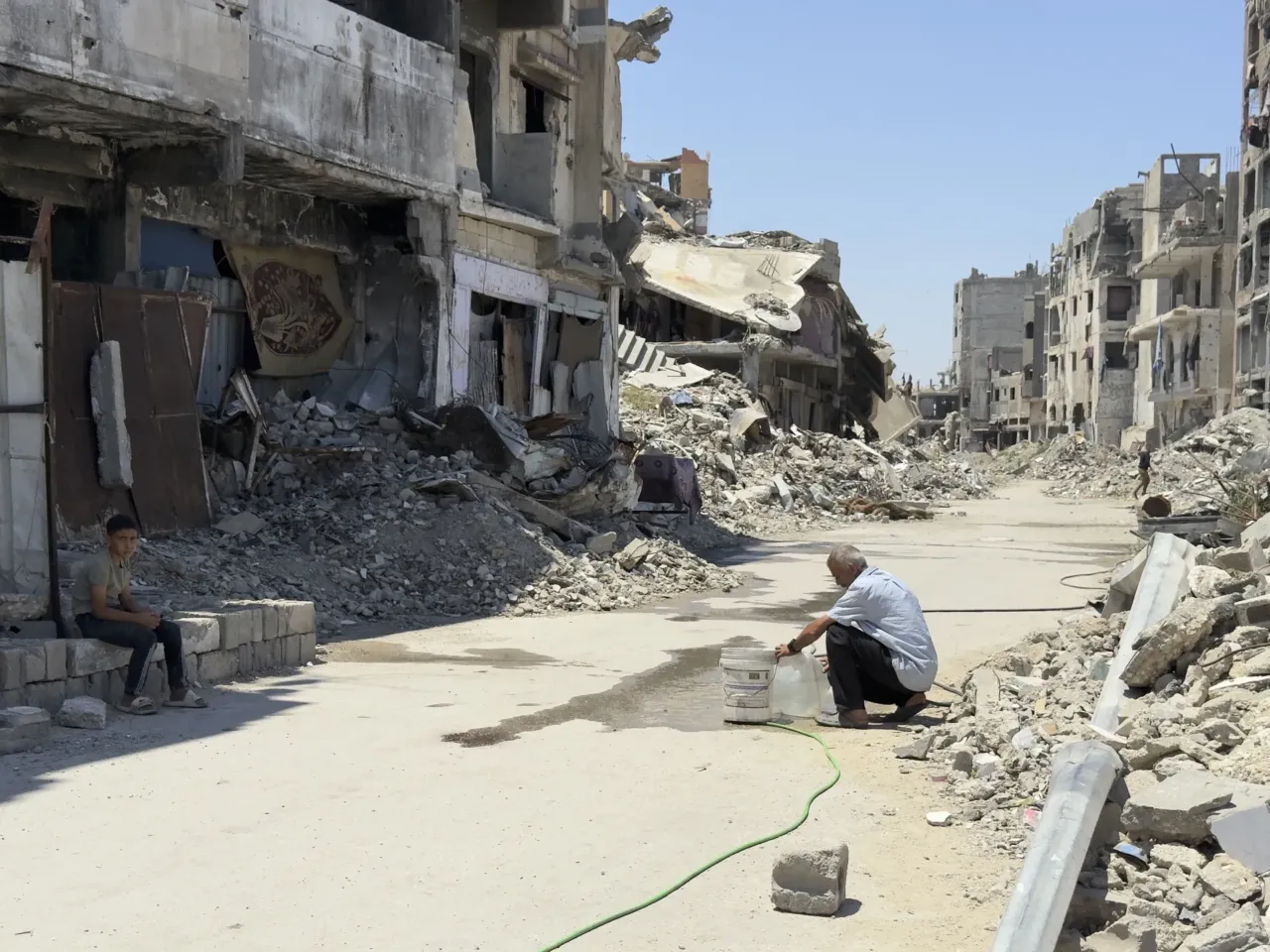
Now, the closest source of drinking water is a half-hour walk away. There are no clinics, bakeries or shops in the area.
“You get scared to catch a bullet just walking or a missile and be blown apart,” said local resident Saeed al-Hattab. “It’s terrifying. It’s very dangerous to go outside after sunset,” he added.
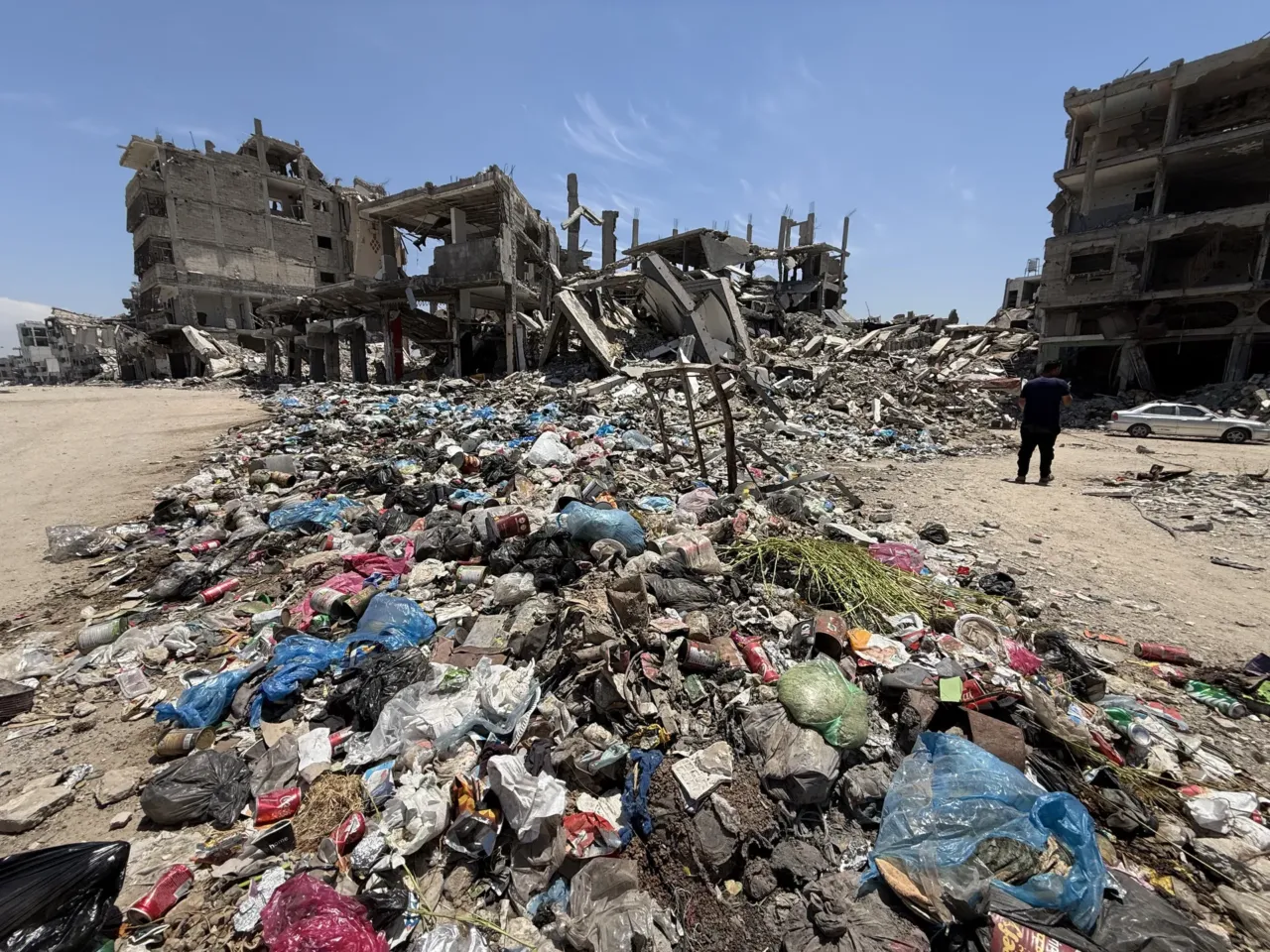
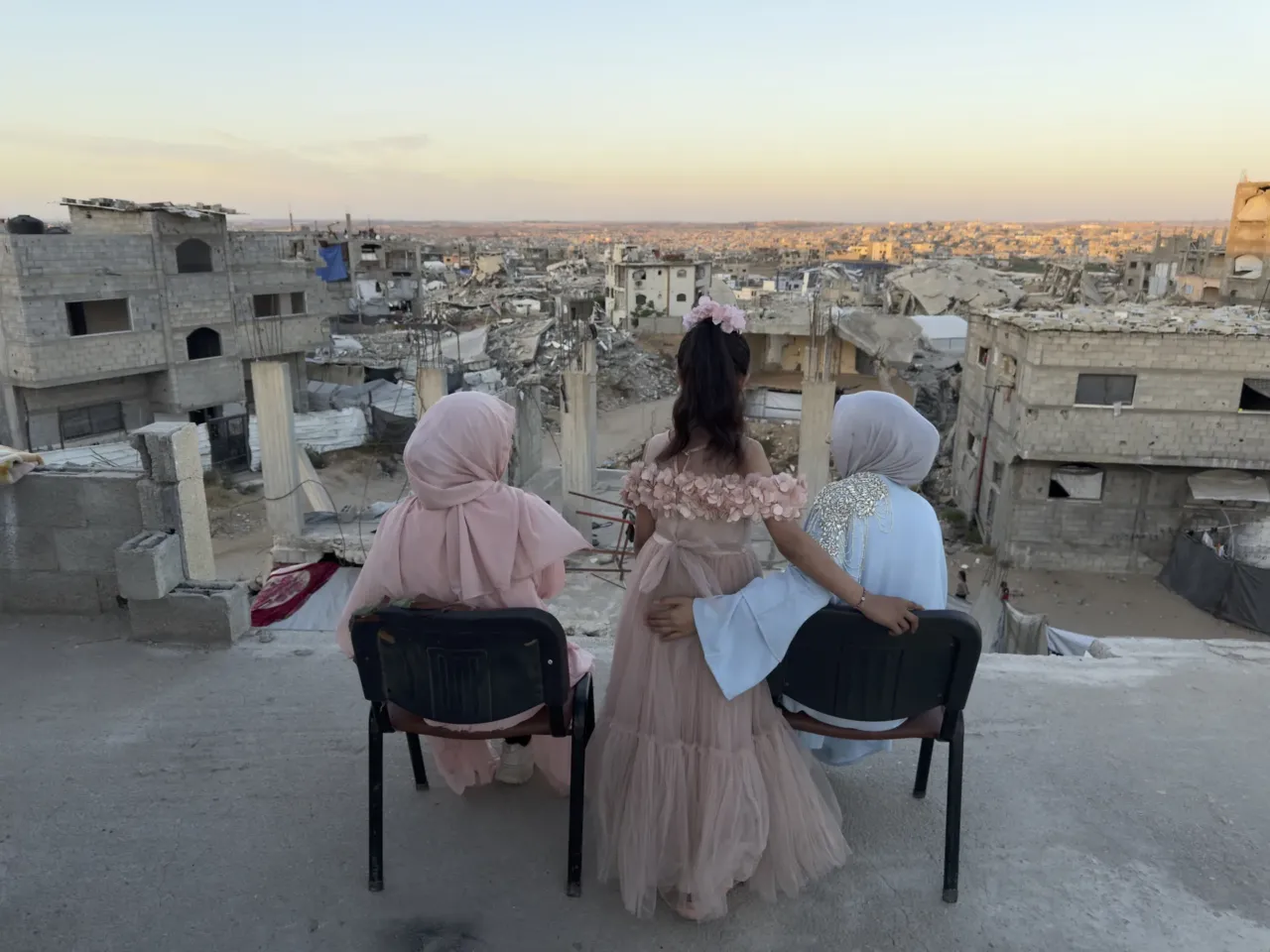
NPR witnessed a ghost town with few people on the streets, even during the day.
Anas Baba / NPR
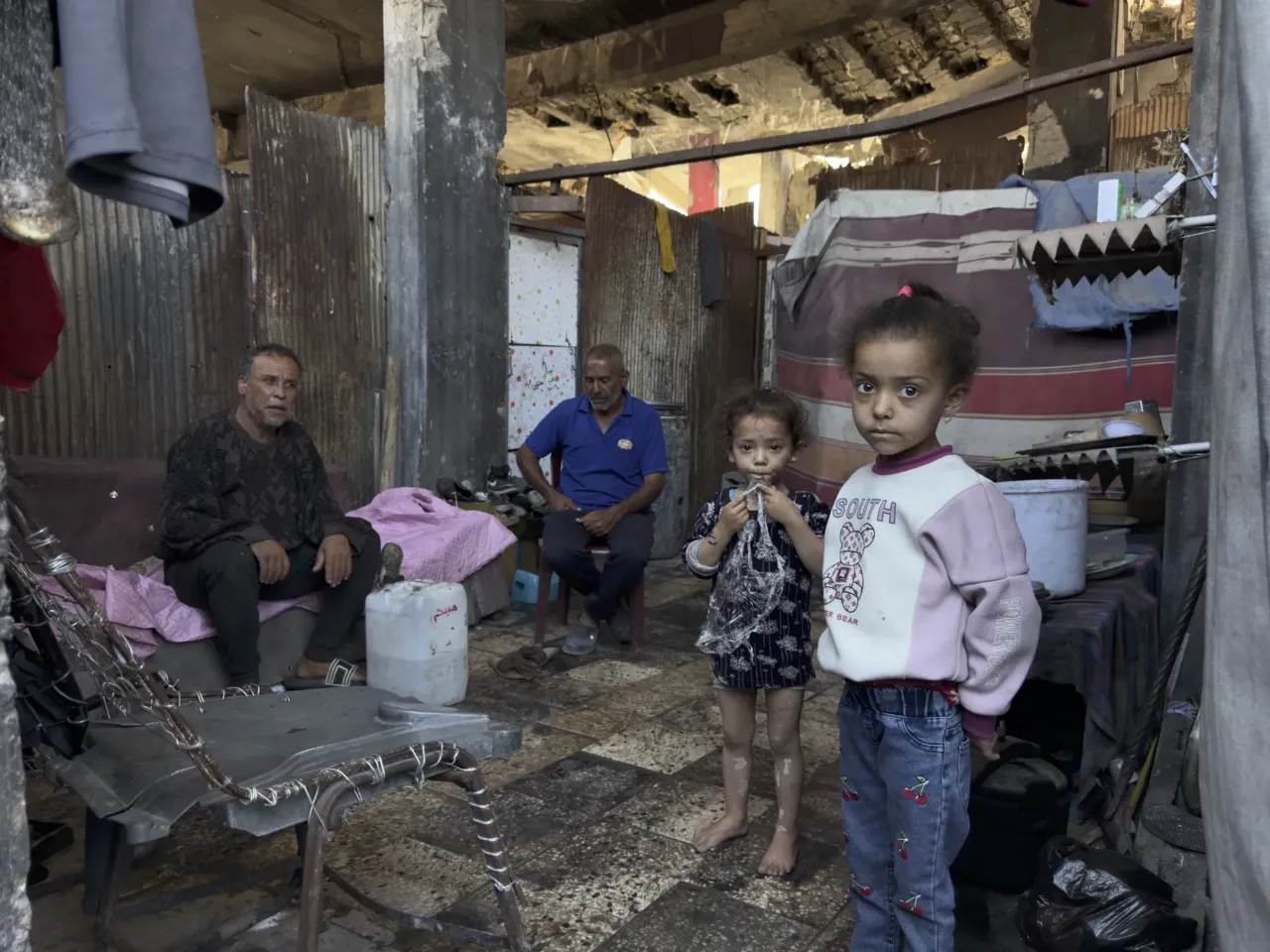
He and his wife, Niveen al-Hattab, live with their younger son in a ground-floor shop, under their destroyed apartment building.
The couple’s 27-year-old daughter was killed when the family fled al-Shujaiya to another part of Gaza City during the war. She’s among more than 73,000 people Gaza’s health ministry says were killed in Israeli attacks.
“Where are we supposed to go? I’ve been displaced a lot already,” the mother said, adding their one tent was destroyed in an Israeli airstrike during the war and they cannot find another.
“We don’t know how to live, and we’re sitting in danger because there’s nowhere to go,” she said.
Copyright 2026 NPR