Copyright © 2026 VPM, all rights reserved.
PBS is a 501(c)(3) not-for-profit organization.
VPM News Morning Edition
NEXT UP: 9:00 AM

Thanks to our sponsors – Become a Sponsor

What do a bar and a Muslim community organization have in common?

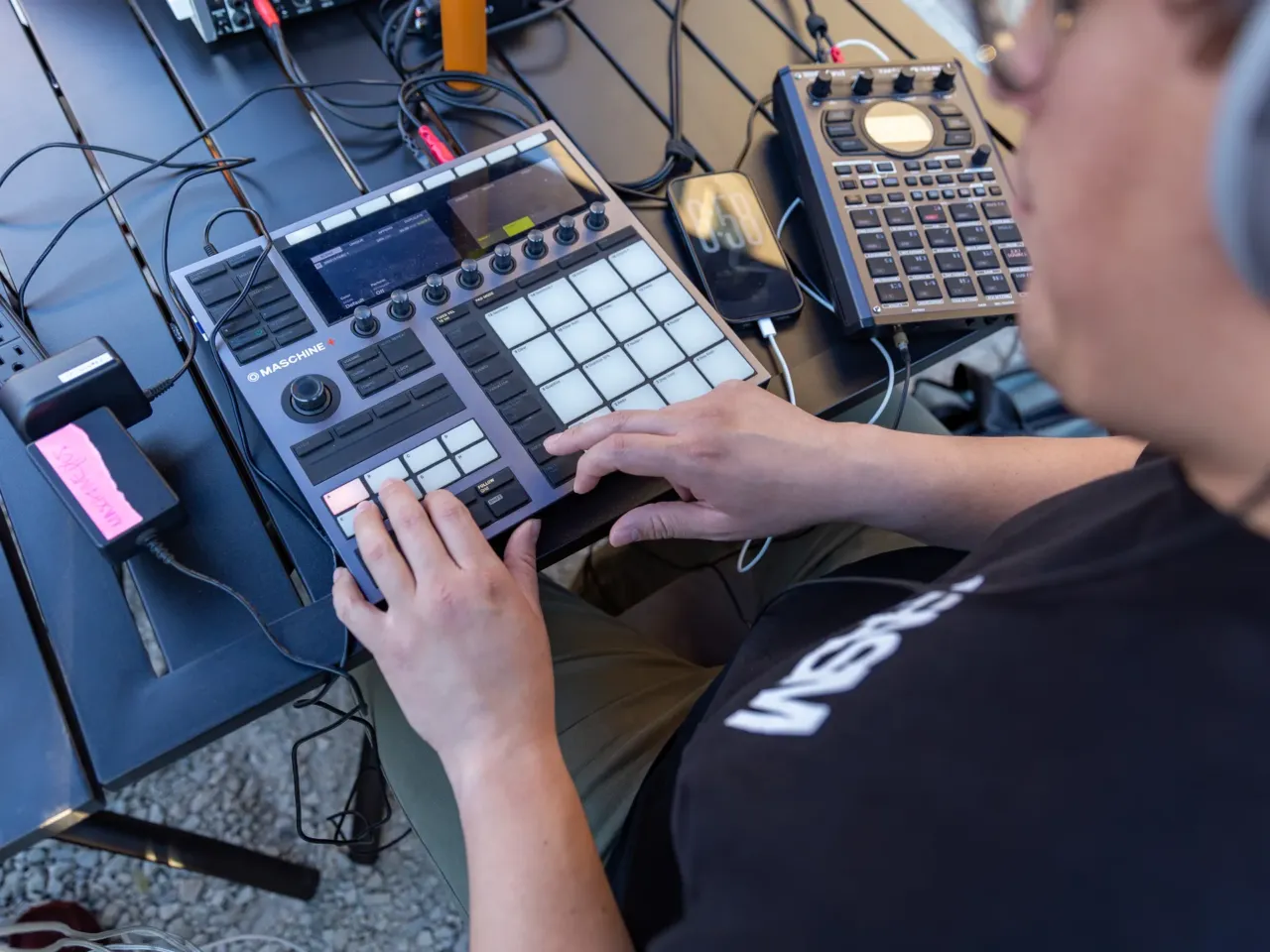
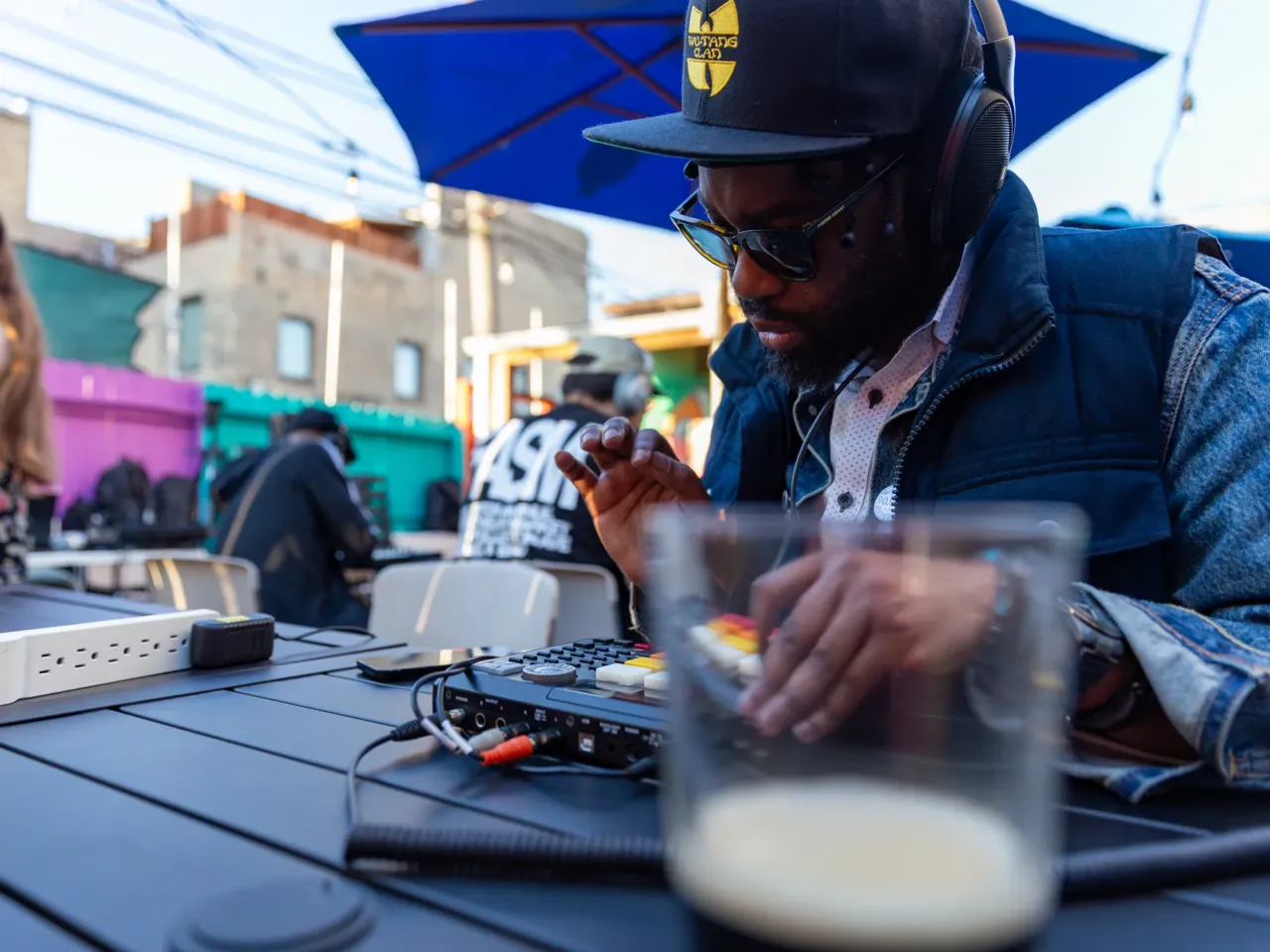
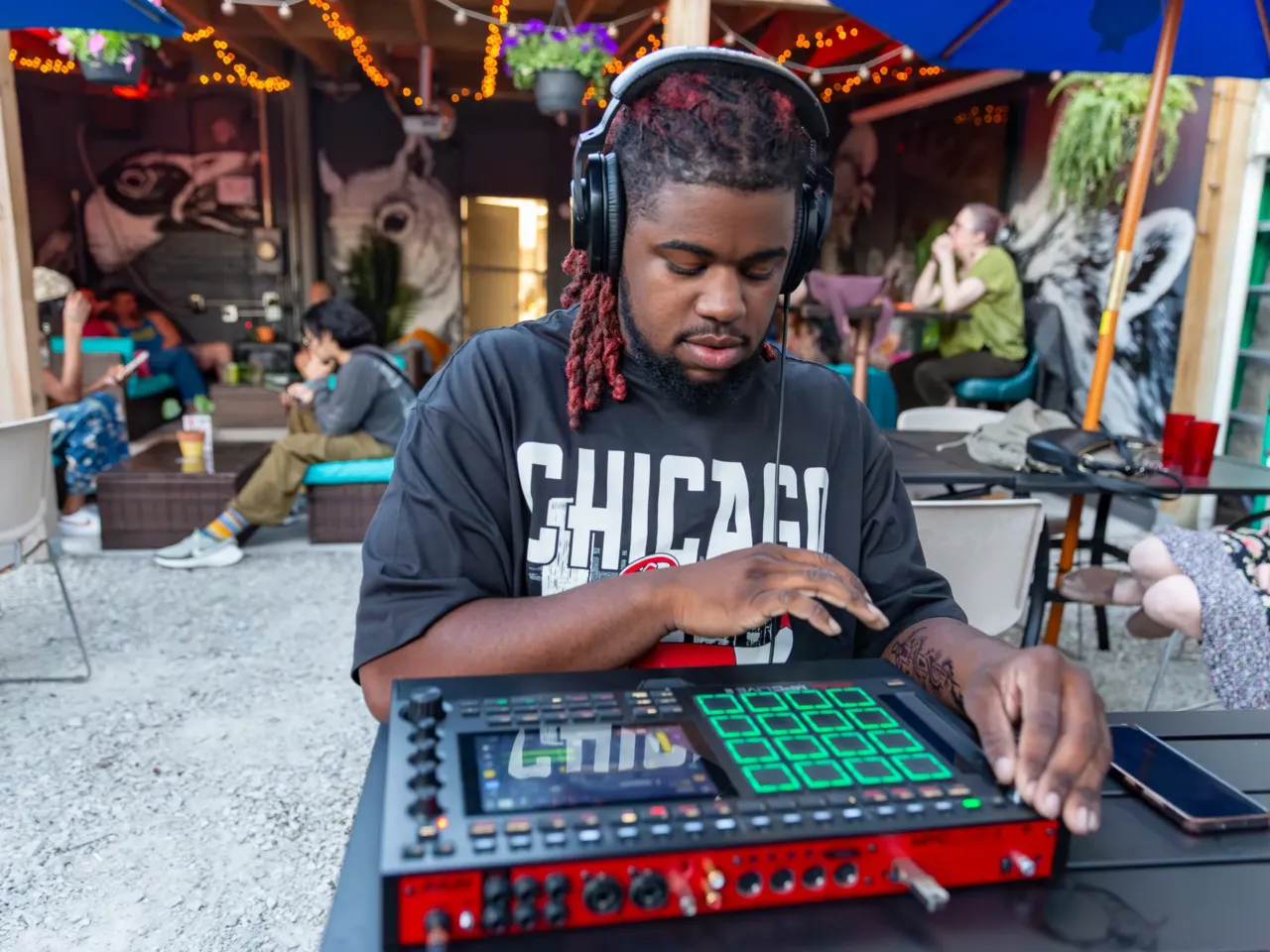
Flip a Beat Club Chicago (FABC) chapter participant and artist Ace makes beats using an MPC (or "beat machine") at the bar and art space Nighthawk in Chicago on May 15. According to FABC Chicago founder Cory Morrison, participants make beats using samples provided by the club. The event is livestreamed.
Olivia Obineme for NPR
Flip a Beat Club Chicago (FABC) chapter participant and artist Ace makes beats using an MPC (or "beat machine") at the bar and art space Nighthawk in Chicago on May 15. According to FABC Chicago founder Cory Morrison, participants make beats using samples provided by the club. The event is livestreamed.

On a bright, warm Saturday afternoon in Chicago, two community hubs on opposite sides of the city were bursting with artistic activity.

Nighthawk is located in Albany Park, on Chicago’s North Side. Once upon a time, it was just a local bar. “We’ve been coming here for the last 10 years, practically since they opened,” said David Chavez, who by day plans programs and cultural events for the city of Chicago.

Back then, he and three members of his family — Ana Bermudez, Samantha Bermudez and Juan Bermudez — were just patrons at this cozy neighborhood hang. But since then, they’ve reimagined Nighthawk into something else altogether.
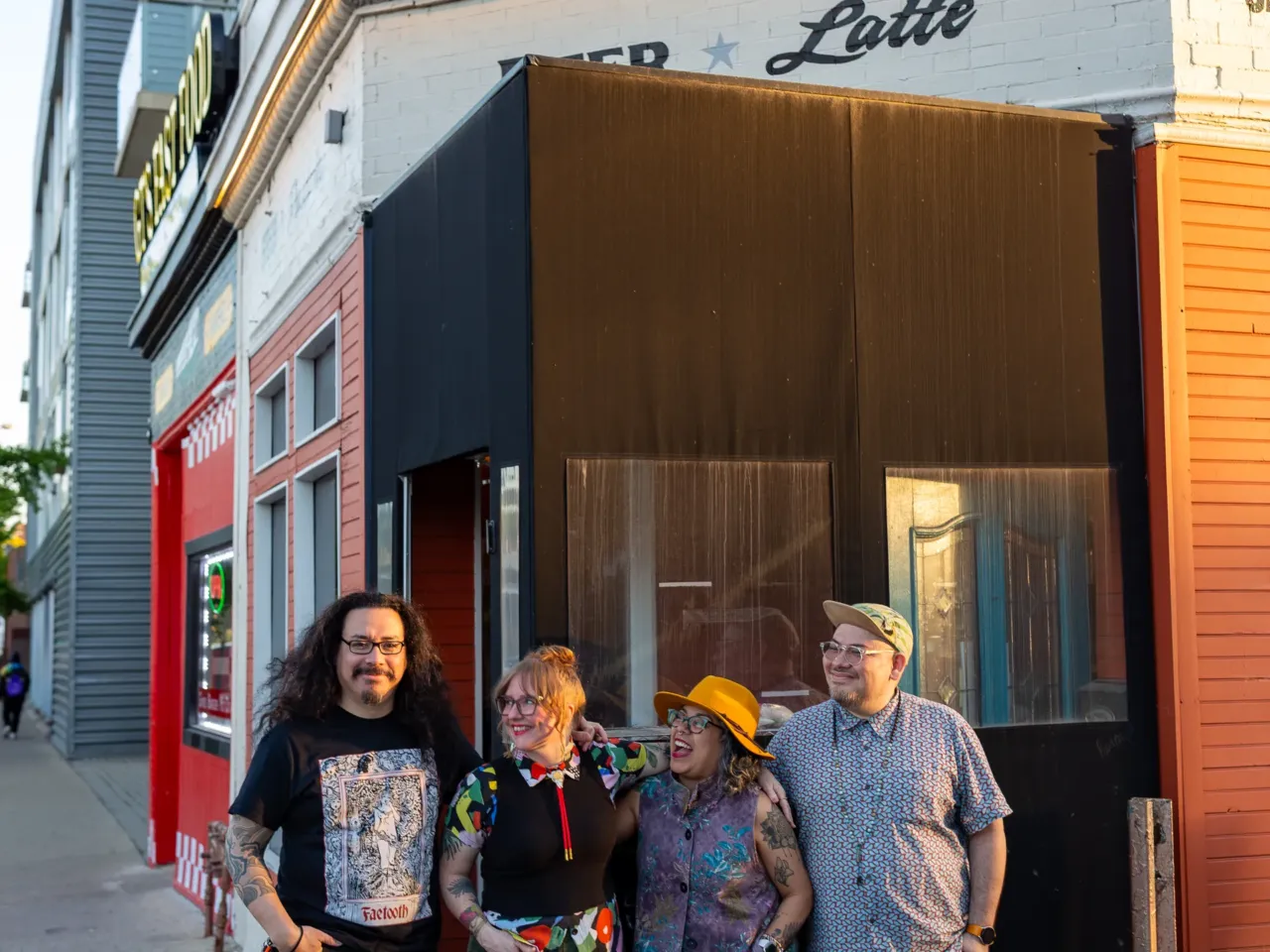
Bar co-managing partners (from left) Juan Bermudez, his wife Sam Bermudez, and their relatives Ana Bermudez and David Chavez pose for a portrait outside the entrance at Nighthawk on May 15.
Bar co-managing partners (from left) Juan Bermudez, his wife Sam Bermudez, and their relatives Ana Bermudez and David Chavez pose for a portrait outside the entrance at Nighthawk on May 15. Olivia Obineme for NPR /

At the beginning of 2025, the four of them became managing partners in this local joint — and they’ve turned it into one of the most interesting small arts venues in the city.

They present live music and DJs, visual art exhibitions, live drawing and painting evenings; you don’t have to buy anything to attend. On this sunny Saturday afternoon, they’re hosting a discussion on documentary films on their backyard patio.

“It meant creating activities that were beyond just consuming alcohol. It meant creating a third space and meant having things that other — maybe that folks don’t have access to otherwise, like art-making, drawing, painting, conversations about current events,” Chavez said.

Chavez said that they want this space to operate at the nexus of the arts and local activism.
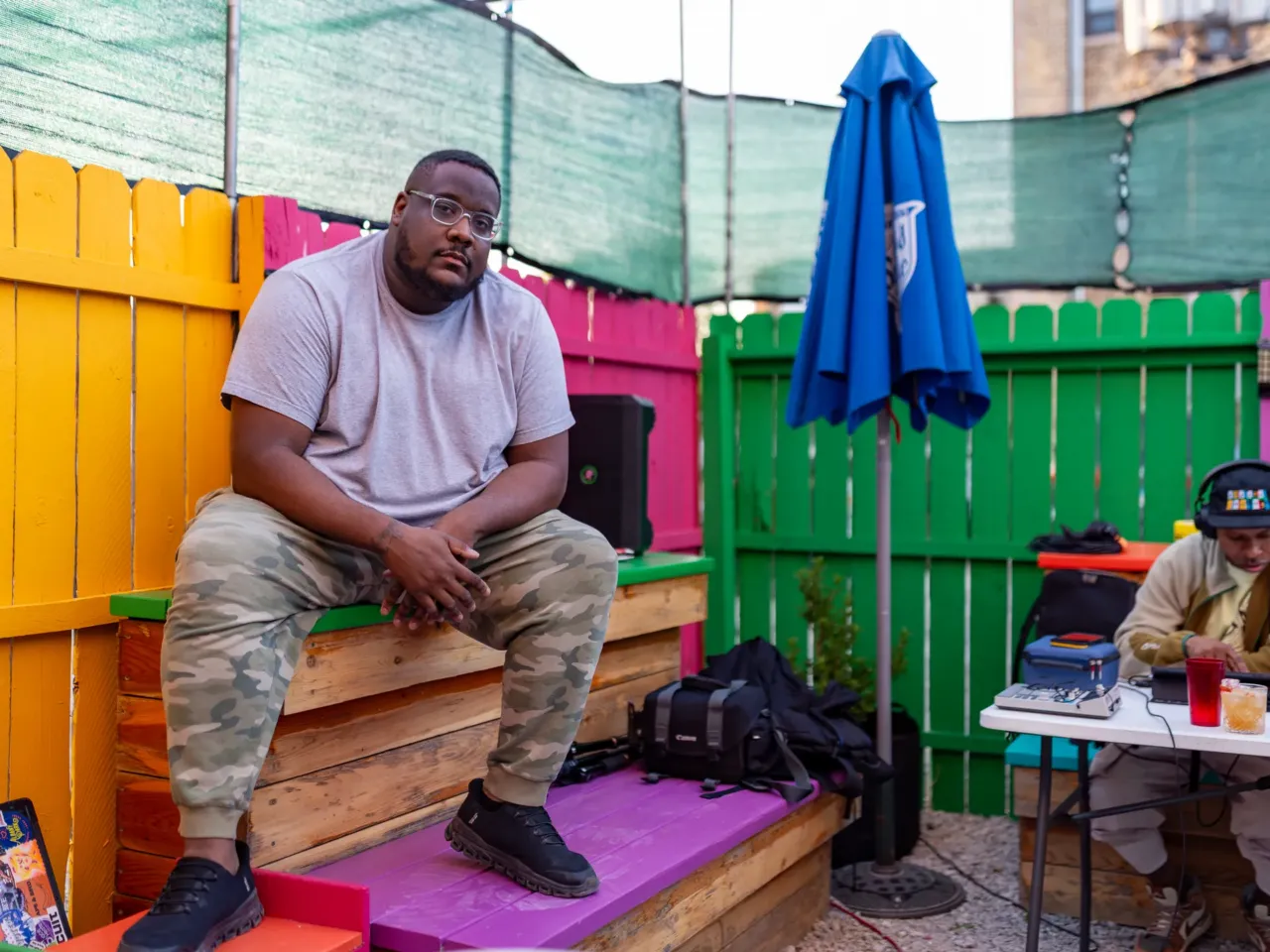
Flip a Beat Club Chicago (FABC) chapter founder Cory Morrison.
Flip a Beat Club Chicago (FABC) chapter founder Cory Morrison. Olivia Obineme for NPR /
Artist Fernando Bounce works on his beats at Nighthawk.
Artist Fernando Bounce works on his beats at Nighthawk. Olivia Obineme for NPR /
Artist SLGHTR! 13x works on his beats.
Artist SLGHTR! 13x works on his beats. Olivia Obineme for NPR /

Nighthawk sponsors a food pantry and often presents community fundraisers. Albany Park is a heavily Latino neighborhood, and it was one of the communities particularly affected when Immigration and Customs Enforcement ramped up its immigration raids in the city last fall.

In response, Nighthawk began a new series of events. “We helped organize these whistle kit-making gatherings every Friday where the bar was full. We had 150 people in here. And we were making 1,500, 2,000 whistles every Friday,” Chavez said. (Whistles alerting neighbors to the nearby presence of ICE agents have become an important activist tool in Chicago and elsewhere.)
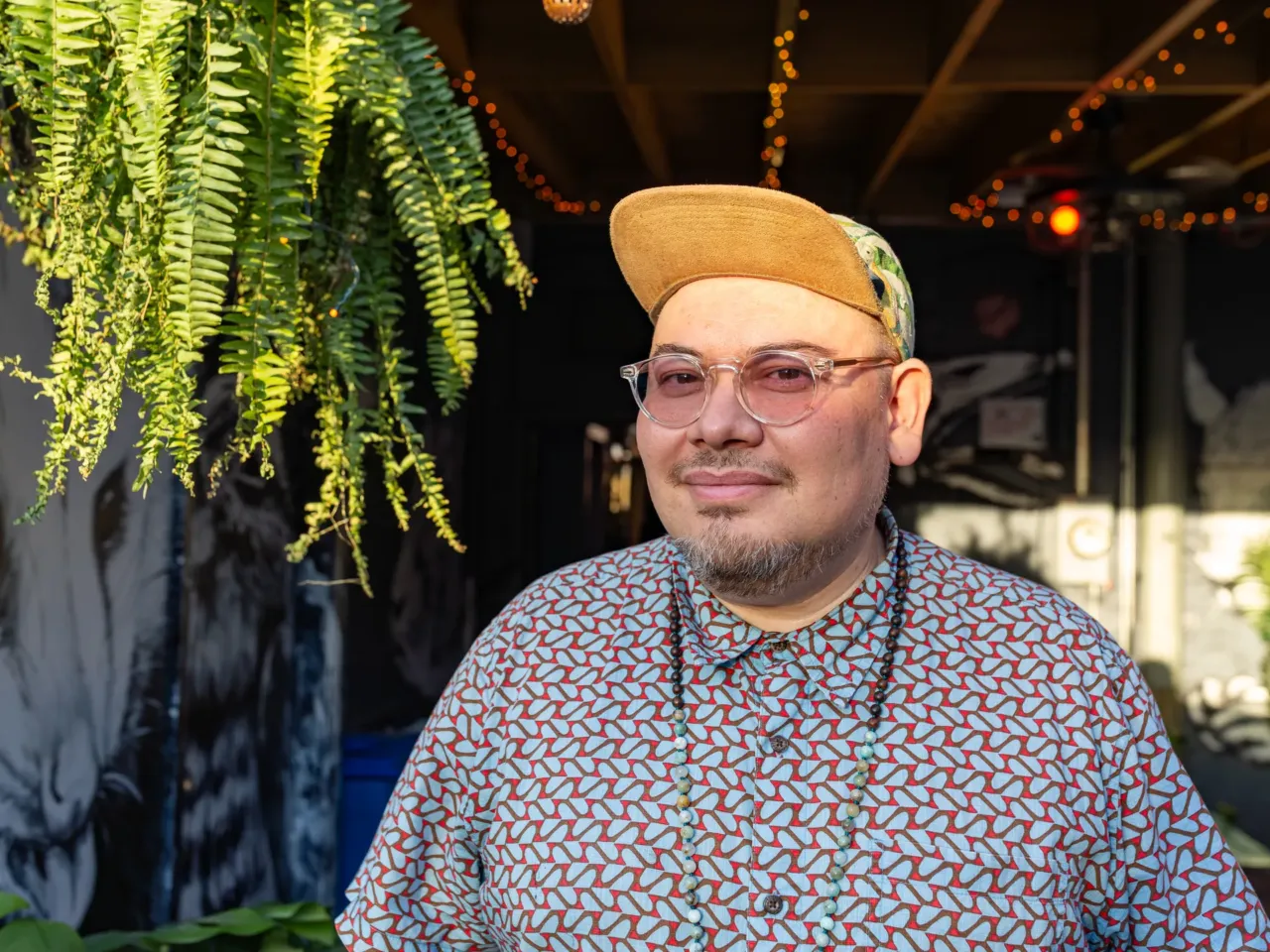
Nighthawk co-managing director and Future Rootz Records member David Chavez. Chavez reimagined Nighthawk along with his wife and two other family members.
Nighthawk co-managing director and Future Rootz Records member David Chavez. Chavez reimagined Nighthawk along with his wife and two other family members. Olivia Obineme for NPR /
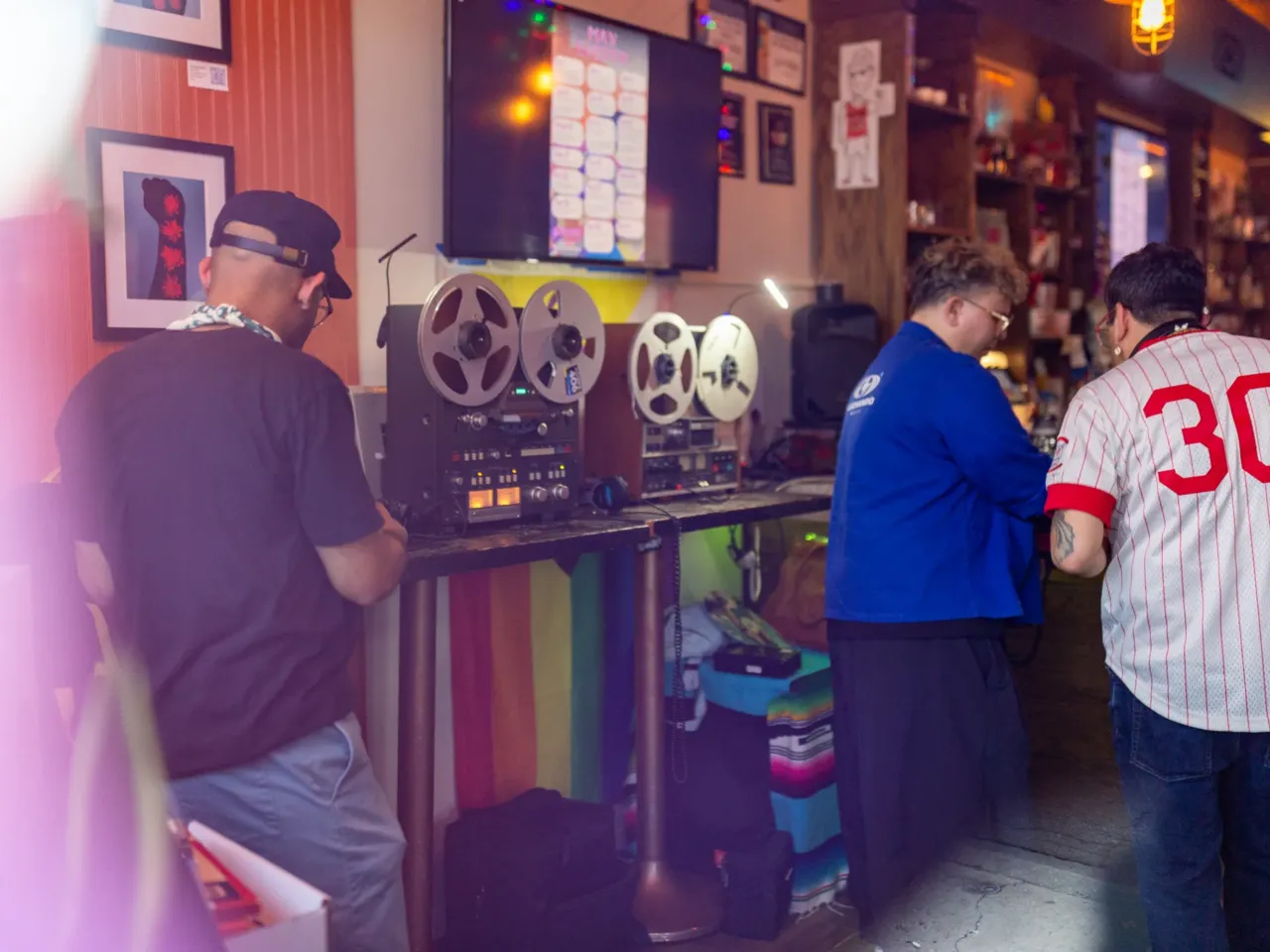
The analog reel-to-reel tape machine plays for the Cuban Reel-to-Reel listening party and the Future Rootz release party at Nighthawk. Co-lead, DJ and music producer Edgar González, who goes by the stage name "Garo," says they collect and play rare sounds and music from Cuba.
The analog reel-to-reel tape machine plays for the Cuban Reel-to-Reel listening party and the Future Rootz release party at Nighthawk. Co-lead, DJ and music producer Edgar González, who goes by the stage name “Garo,” says they collect and play rare sounds and music from Cuba. Olivia Obineme for NPR /
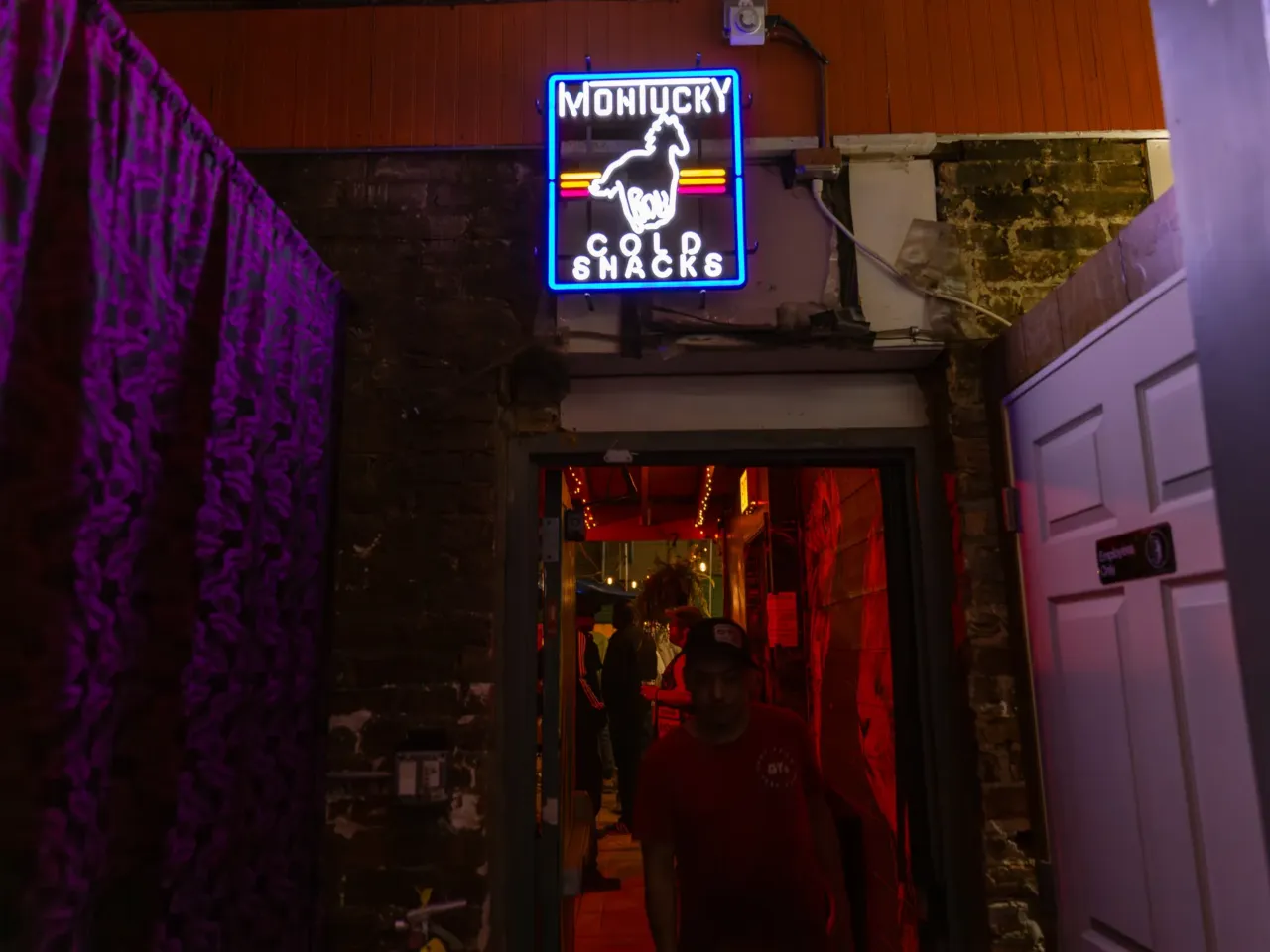
A patron enters the bar from the patio at Nighthawk.
A patron enters the bar from the patio at Nighthawk. Olivia Obineme for NPR /

Elsewhere in Chicago, on the South Side, another community has been grappling with its response to the ICE raids.

“We’re still reeling from the trauma of an infusion of ICE agents that were pulling people out of daycare centers,” said Rami Nashashibi. He’s the MacArthur grant-winning founder and executive director of the Inner-City Muslim Action Network (IMAN), a community organization in Chicago and Atlanta that focuses on health, wellness and healing.

Certainly, Nighthawk and IMAN start out from different points of departure: Nighthawk is a bar, and IMAN is a center of community activism with Muslim roots. But like Nighthawk, IMAN has used art to help community members navigate the fallout of the Trump administration’s immigration enforcement and other policies.
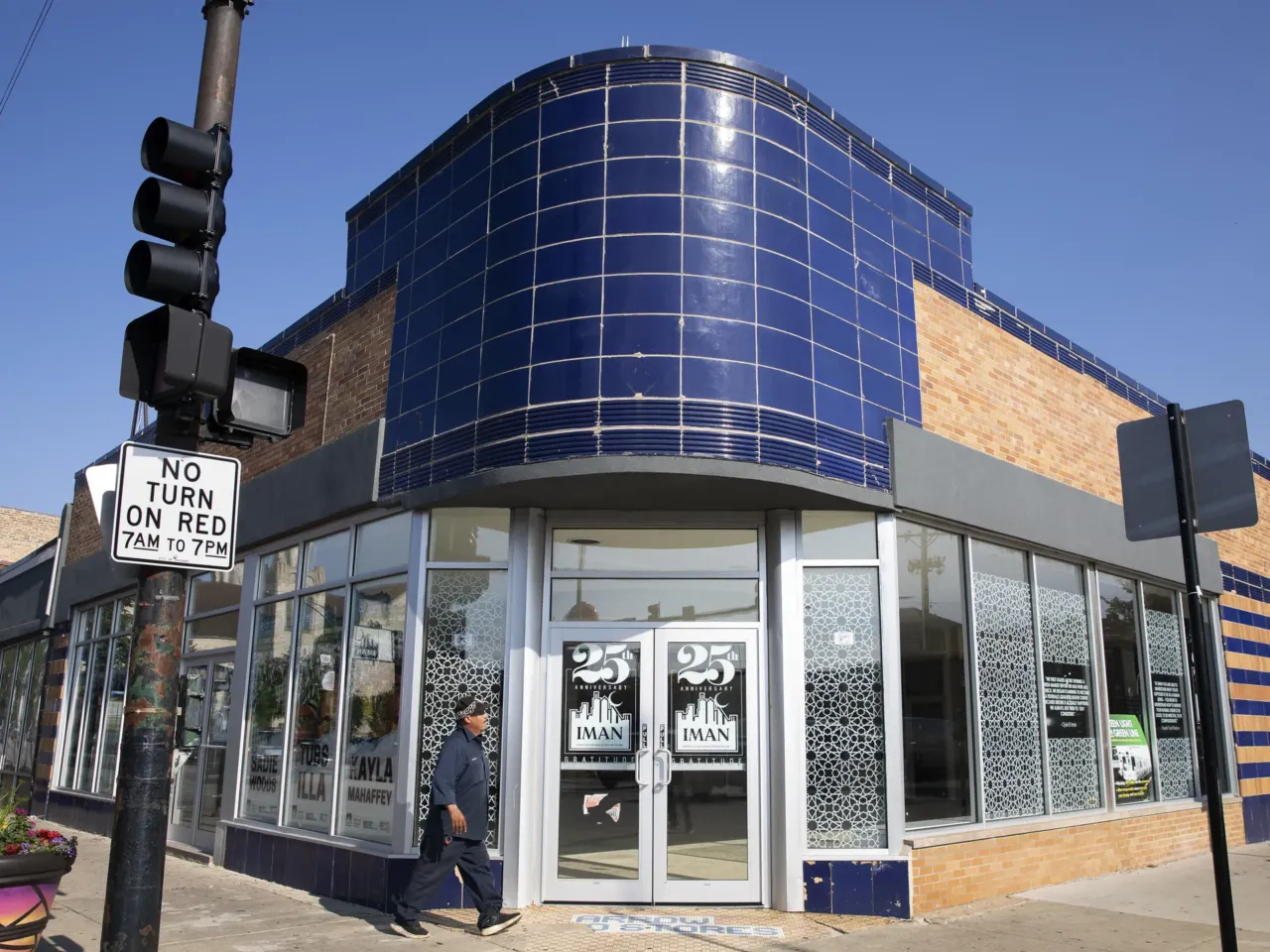
The entrance to IMAN Central, which is the event space at the Inner-City Muslim Action Network (IMAN) headquarters, on July 8 in Chicago.
The entrance to IMAN Central, which is the event space at the Inner-City Muslim Action Network (IMAN) headquarters, on July 8 in Chicago. Kayana Szymczak for NPR /
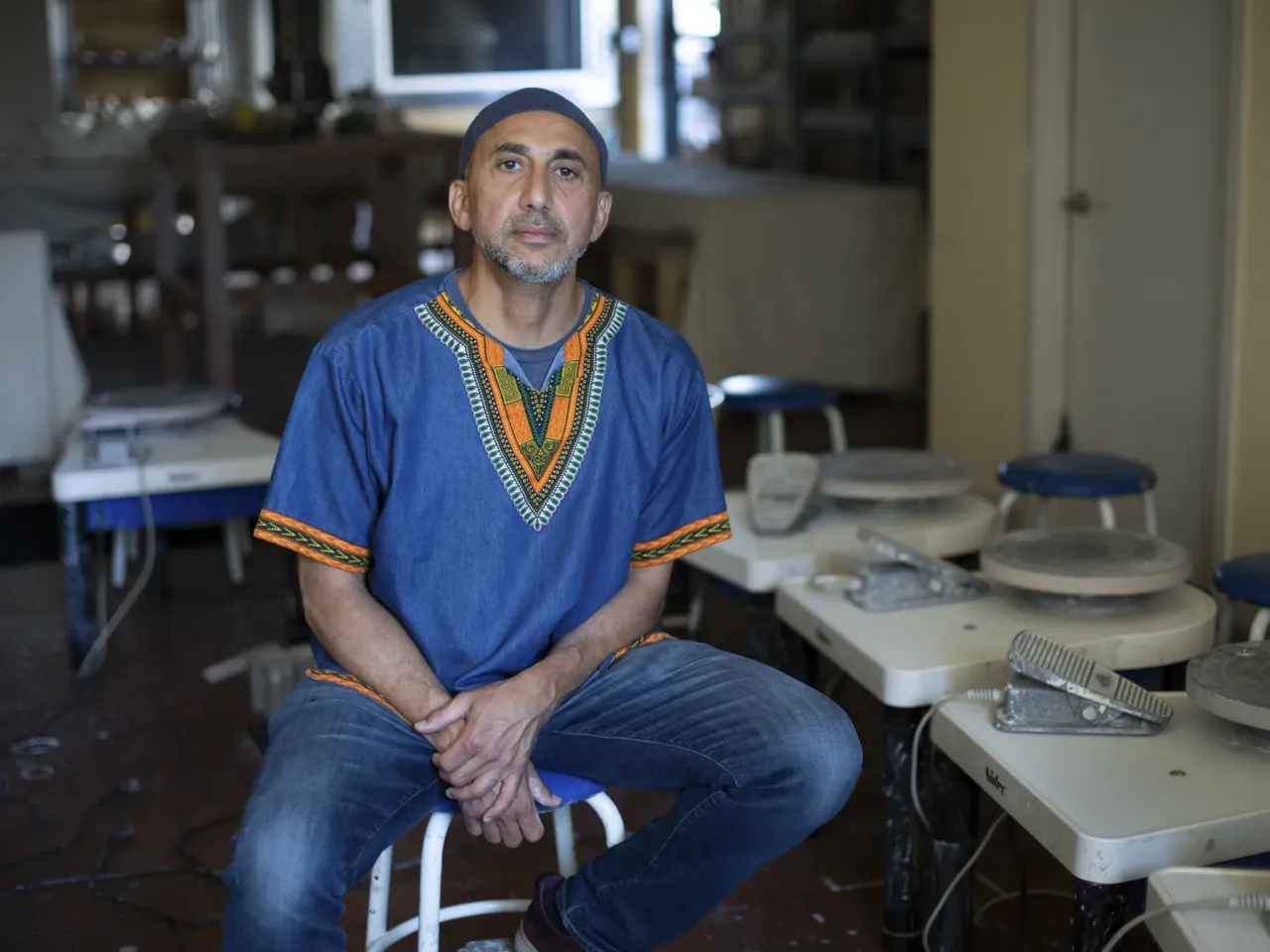
Rami Nashashibi, founder and executive director of IMAN, in the organization's ceramics studio.
Rami Nashashibi, founder and executive director of IMAN, in the organization’s ceramics studio.
Kayana Szymczak for NPR /

Nashashibi said the arts have always been essential to IMAN’s mission: “It really is at the core of how we see ourselves in the world. And so artistic, creative, spiritual expression was a big part of our work from the inception.” He spoke in the middle of IMAN’s ceramics studio, located in Marquette Park.

“Art has been a vehicle to constantly, radically reimagine a way out, a different tomorrow,” Nashashibi said. “And that wasn’t just about fanciful imagination. It was also about real activism in organizing and pathways to stay together and to keep our communities together in the face of so much trauma.”
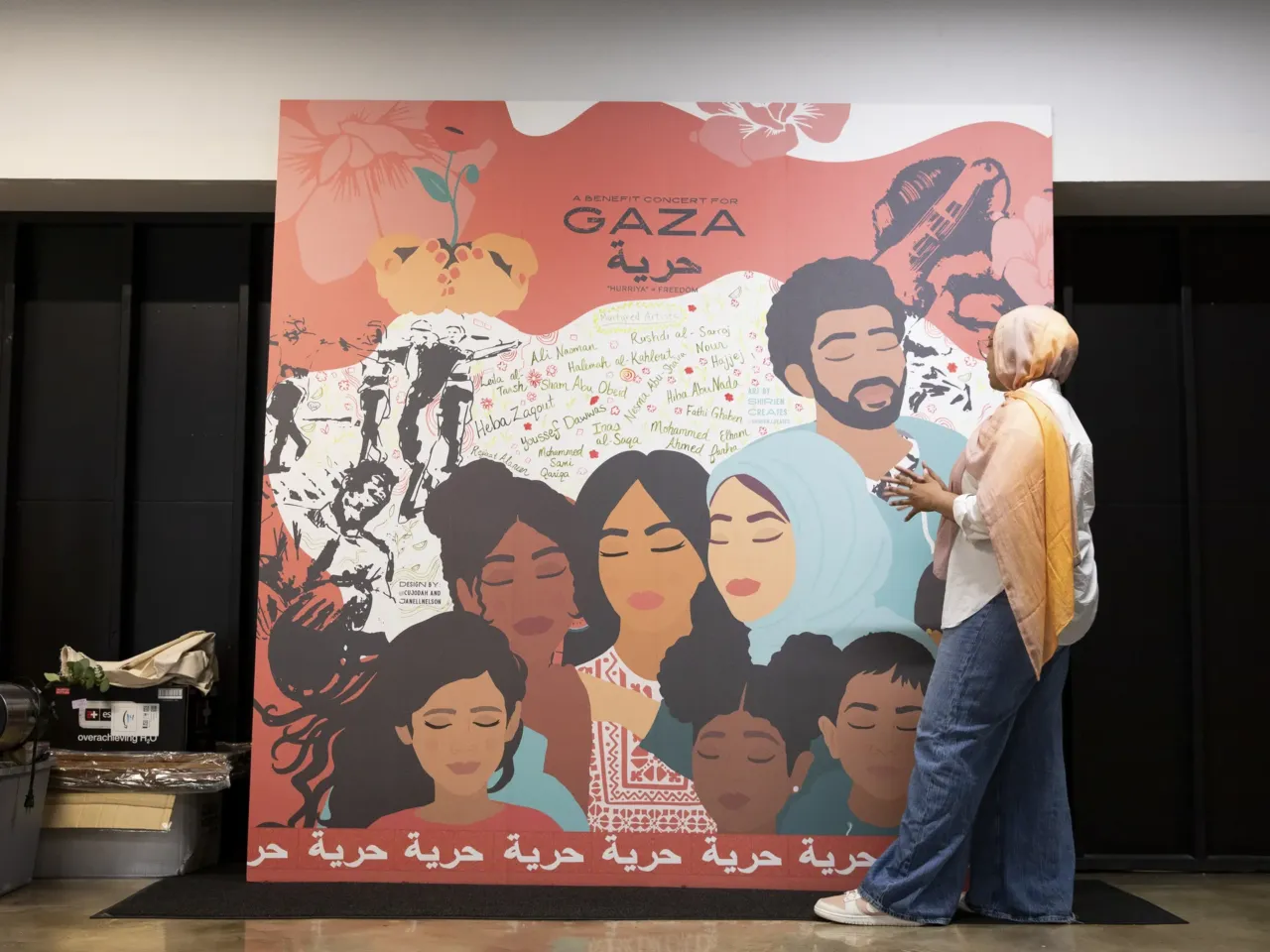
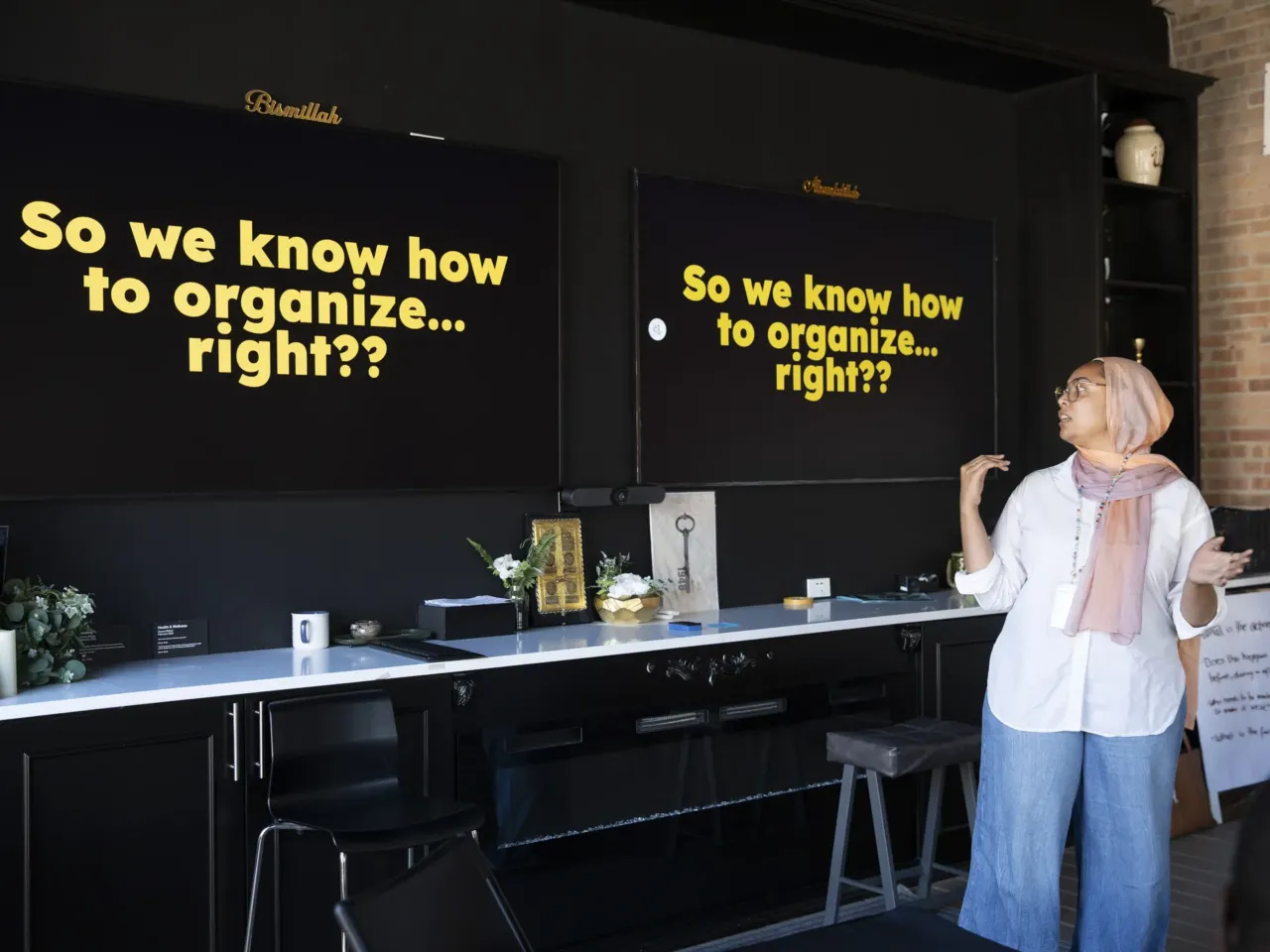
Jannah Sellars, the creative and cultural organizing manager at IMAN, shows a piece of art by Shirien Damra made for a Gaza benefit concert, now displayed in the Arts Lounge in the organization's headquarters.
Jannah Sellars, the creative and cultural organizing manager at IMAN, shows a piece of art by Shirien Damra made for a Gaza benefit concert, now displayed in the Arts Lounge in the organization’s headquarters.
Kayana Szymczak for NPR /
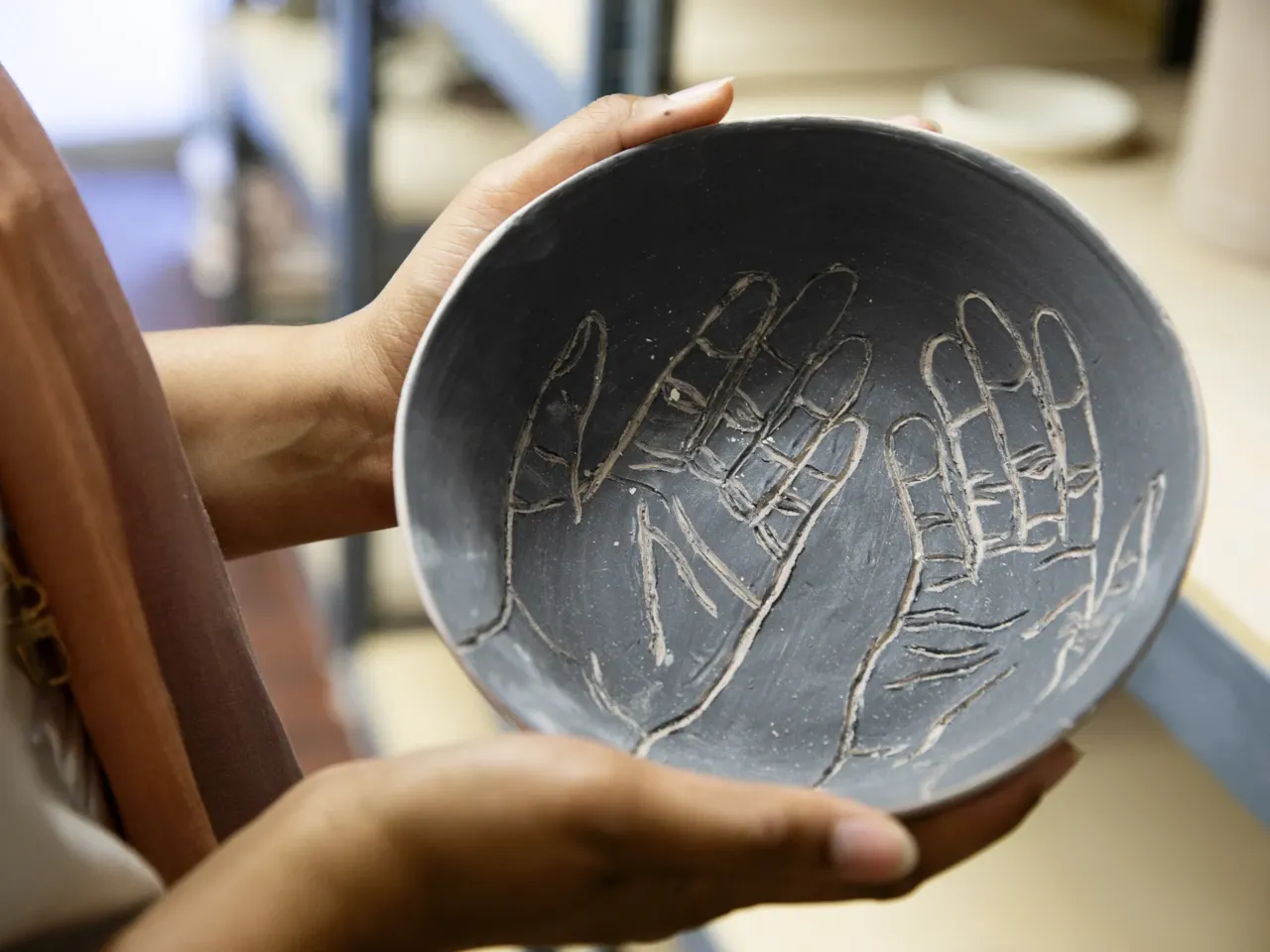
Sellars displays a bowl she made in the ceramics studio.
Sellars displays a bowl she made in the ceramics studio. Kayana Szymczak for NPR /

In mid-May, IMAN celebrated at its site in Englewood with a street fair, connecting neighbors with affordable, local, fresh food options, after many people lost all or some of their federal food aid due to federal cuts.
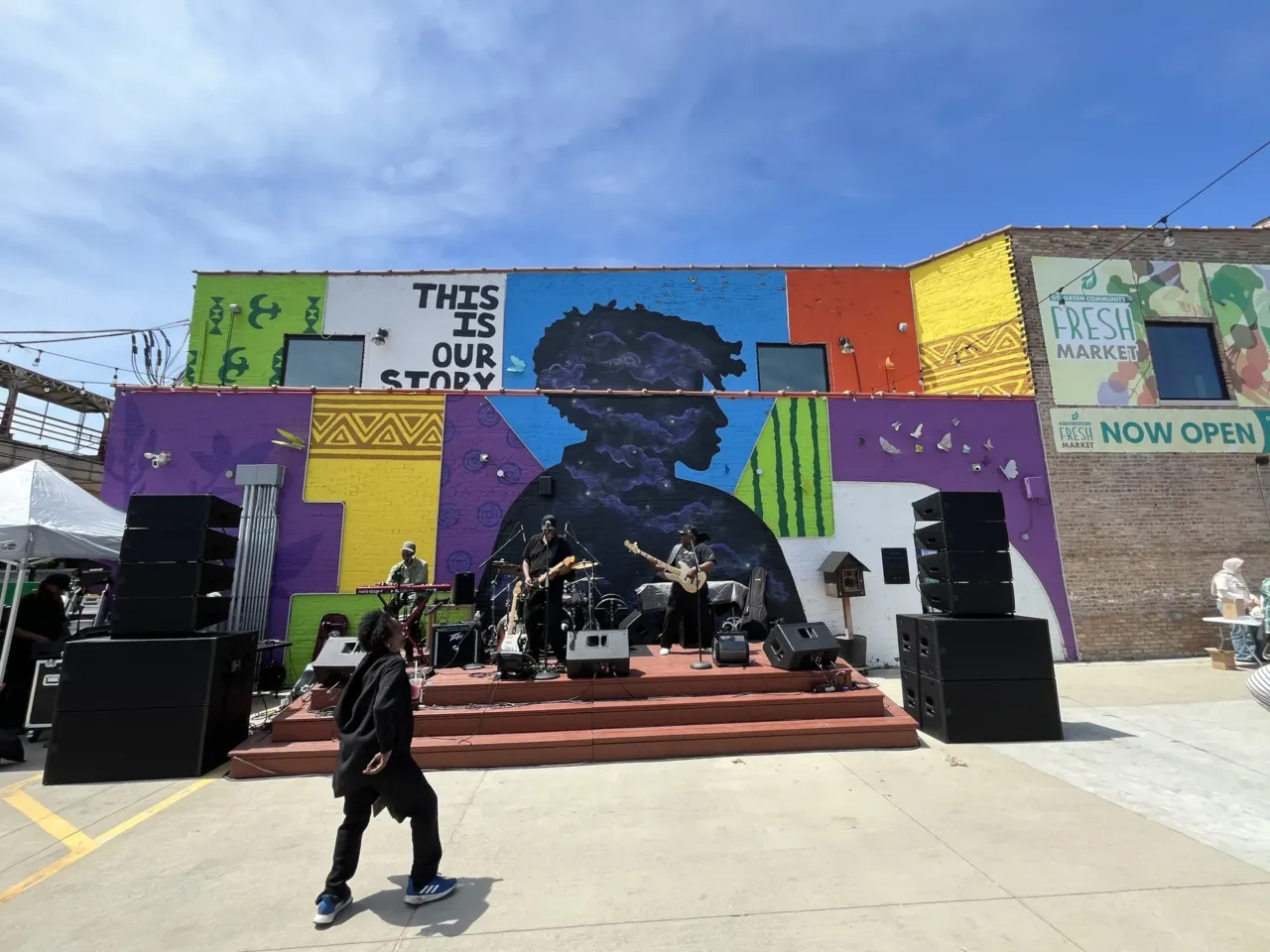
A woman dances during an IMAN-organized street fair on May 15 in Chicago. The fair connected neighbors with affordable, local, fresh food options after many people lost all or some of their federal food aid because of congressional legislation.
A woman dances during an IMAN-organized street fair on May 15 in Chicago. The fair connected neighbors with affordable, local, fresh food options after many people lost all or some of their federal food aid because of congressional legislation. Anastasia Tsioulcas / NPR
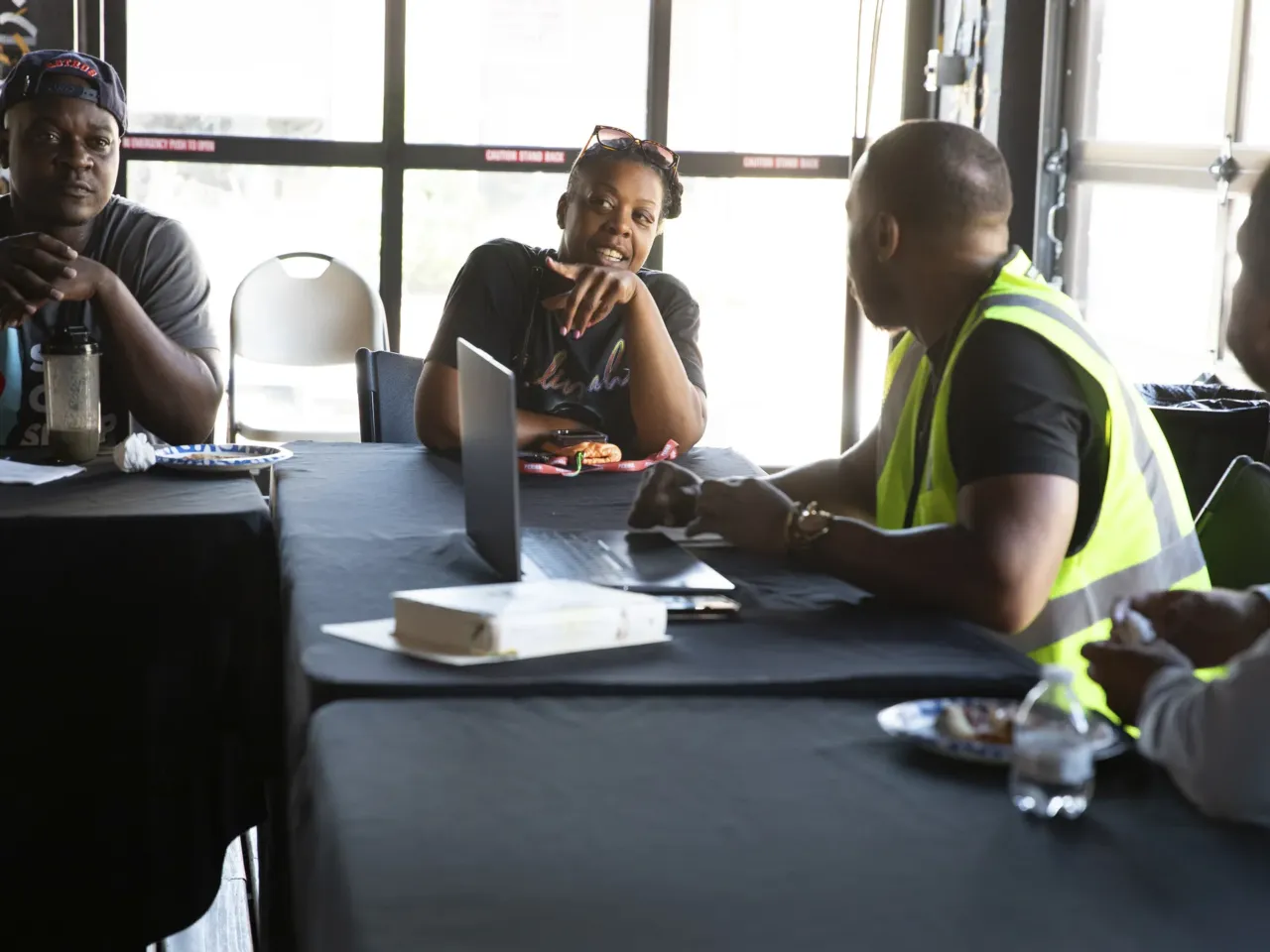
Latara Sutton shares her thoughts during the weekly IMAN organizing committee meeting on July 8 in Chicago.
Latara Sutton shares her thoughts during the weekly IMAN organizing committee meeting on July 8 in Chicago. Kayana Szymczak for NPR /
Sellars leads the weekly Organizing Committee meeting at IMAN headquarters.
Sellars leads the weekly Organizing Committee meeting at IMAN headquarters. Kayana Szymczak for NPR /

Despite their differences, Nighthawk and IMAN share certain goals: They both nurture local art and local activism for local residents. And that’s sustaining folks’ spirits.

Jennifer Vanasco edited this story for broadcast and digital. Danielle Scruggs edited the photography. Chloee Weiner mixed the audio.

Copyright 2026 NPR
Tags

Anastasia Tsioulcas is a correspondent on NPR's Culture desk. She is intensely interested in the arts at the intersection of culture, politics, economics and identity, and primarily reports on music. Recently, she has extensively covered gender issues and #MeToo in the music industry, including the trial and conviction of former R&B superstar R. Kelly; backstage tumult and alleged secret deals in the wake of sexual misconduct allegations against megastar singer Plácido Domingo; and gender inequity issues at the Grammy Awards.

On happier days, Tsioulcas has celebrated the life of the late Aretha Franklin, traveled to Havana to profile musicians and dancers, revealed the hidden artistry of an Indian virtuoso who spent 60 years in her apartment and brought listeners into the creative process of composers Steve Reich and Terry Riley.

Tsioulcas was formerly a reporter and producer for NPR Music, where she covered breaking news in the music industry as well as a wide range of musical genres and artists. She has also produced episodes for NPR Music's much-lauded Tiny Desk concert series and has hosted live concerts from venues like the Metropolitan Museum of Art and New York's (Le) Poisson Rouge. She also commissioned and produced several world premieres on behalf of NPR Music, including a live event that brought together 350 musicians to debut a new work together. As a video producer, she created high-profile video shorts for NPR Music, including performances by cellist Yo-Yo Ma in a Brooklyn theatrical props warehouse and pianist Yuja Wang in an icy-cold Steinway & Sons piano factory.

Tsioulcas has also reported from north and west Africa, south Asia, and across Europe for NPR and other outlets. Prior to joining NPR in 2011, she was widely published as a writer and critic on both classical and world music, and was the North America editor for Gramophone Magazine and the classical music columnist for Billboard.

Born in Boston and based in New York, Tsioulcas is a lapsed classical violinist and violist (shoutout to all the overlooked violists!). She graduated from Barnard College, Columbia University with a B.A. in comparative religion.

Related Stories