Copyright © 2026 VPM, all rights reserved.
PBS is a 501(c)(3) not-for-profit organization.
VPM News Morning Edition
NEXT UP: 9:00 AM

Thanks to our sponsors – Become a Sponsor

FDA still focused on Taylor Farms lettuce as Cyclospora source despite retracted test

MICHEL MARTIN, HOST:

The Food and Drug Administration did an about-face in its hunt for the source of the cyclospora outbreak. On Friday, it said it identified the parasite, which can cause intense diarrhea and other illness, on a sample of iceberg lettuce from Taylor Farms in Mexico. But on Sunday, it retracted those results. The agency said a review revealed that that finding was a false positive. NPR’s Yuki Noguchi reports on this confusing situation.

YUKI NOGUCHI, BYLINE: There are now over 1,600 confirmed cases of the illness caused by this water- and food-borne parasite, and a growing number of suspected cases in the thousands. Microbiologist Donald Schaffner at Rutgers University says tracing parasitic disease can be tricky because it’s hard to identify from small samples that might not represent the entire crop. Often, if the source is found, it’s based on patients’ recollections of what they ate in recent weeks.

DONALD SCHAFFNER: We know we have a lot of sick people in Michigan and Ohio. And we know that some of those people ate Taco Bell lettuce, and CDC and FDA believe that it’s the lettuce that made them sick.

NOGUCHI: That is now all health officials have to go on with the current outbreak, in the absence of genetic tests confirming the presence of cyclospora on lettuce or any other source. Despite its retraction, the FDA yesterday said it still believes this multistate outbreak to be linked to iceberg lettuce sourced from Taylor Farms in Mexico. That company had supplied Taco Bell and sold products to Walmart. It recalled its lettuce last week.

To complicate matters, since the 1990s, Schaffner says there have been several cyclospora outbreaks occurring every summer, though this year is set to break records. He says often outbreaks aren’t connected or even traceable to food. A person can also get sick from drinking or swimming in contaminated water, for example.

SCHAFFNER: Just because you’re sick with cyclospora right now doesn’t mean that you’re part of this cluster of cases that have an epicenter in Michigan and Ohio.

NOGUCHI: For now, while health officials suspect the primary contaminant is lettuce, the recommendation remains to avoid eating any of the recalled product and to wash hands and food surfaces.

Yuki Noguchi, NPR News. Transcript provided by NPR, Copyright NPR.

NPR transcripts are created on a rush deadline by an NPR contractor. This text may not be in its final form and may be updated or revised in the future. Accuracy and availability may vary. The authoritative record of NPR’s programming is the audio record.

Tags

Yuki Noguchi is a correspondent on the Science Desk based out of NPR's headquarters in Washington, D.C. She started covering consumer health in the midst of the pandemic, reporting on everything from vaccination and racial inequities in access to health, to cancer care, obesity and mental health.

Since joining NPR in 2008, Noguchi has also covered a range of business and economic news, with a special focus on the workplace — anything that affects how and why we work. In recent years, she has covered the rise of the contract workforce, the #MeToo movement, the Great Recession and the subprime housing crisis. In 2011, she covered the earthquake and tsunami in her parents' native Japan. Her coverage of the impact of opioids on workers and their families won a 2019 Gracie Award and received First Place and Best In Show in the radio category from the National Headliner Awards. She also loves featuring offbeat topics, and has eaten insects in service of journalism.

Noguchi started her career as a reporter, then an editor, for The Washington Post.

Noguchi grew up in St. Louis, inflicts her cooking on her two boys and has a degree in history from Yale.

FDA still focused on Taylor Farms lettuce as Cyclospora source despite retracted test

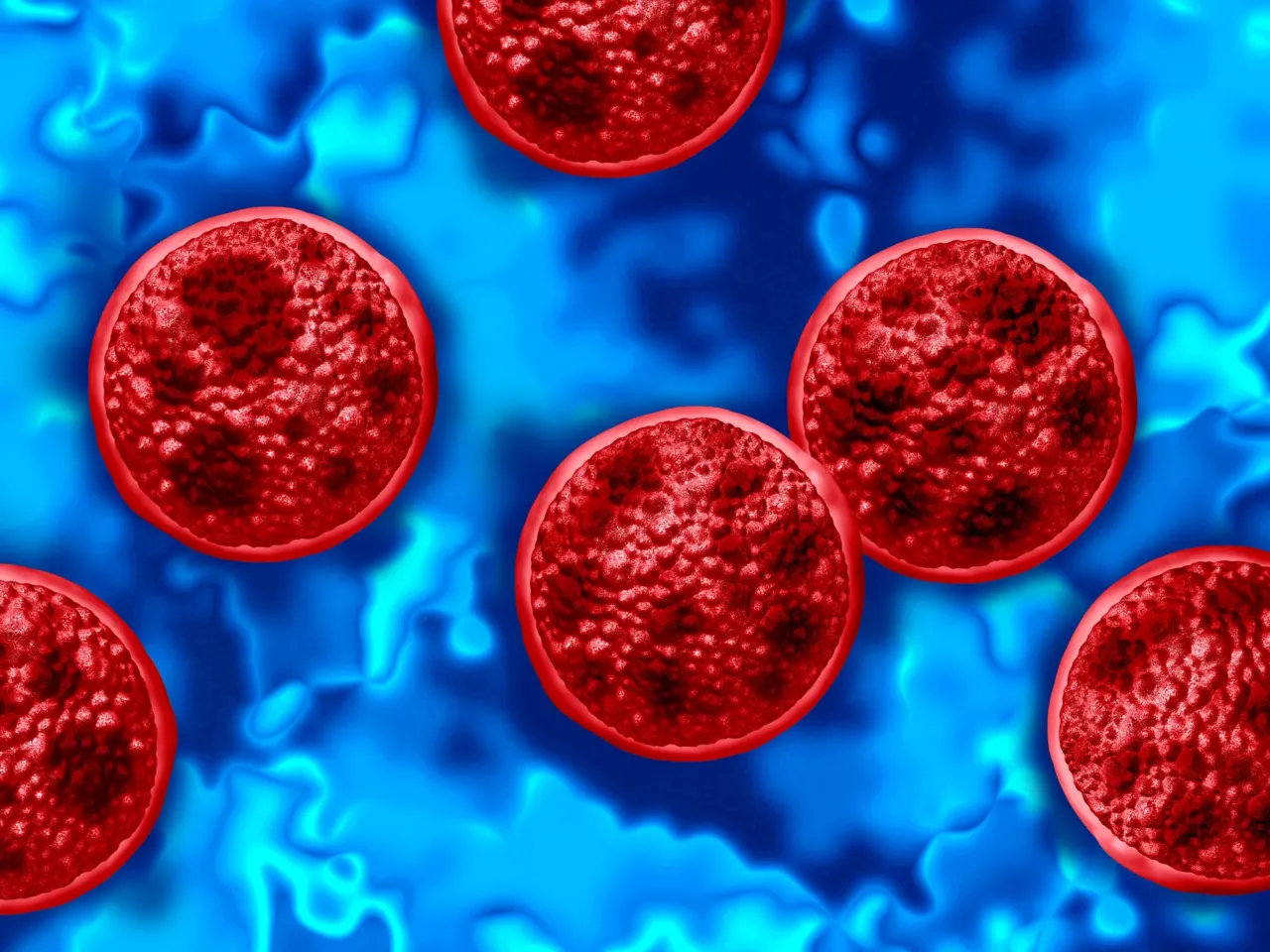
Cyclosporiasis is a foodborne illness caused by contaminated food or water carrying the Cyclospora parasite. FDA officials have yet to figure out the source of the outbreak that the CDC says has sicked more than 1,600 people this summer.
wildpixel via Getty
Cyclosporiasis is a foodborne illness caused by contaminated food or water carrying the Cyclospora parasite. FDA officials have yet to figure out the source of the outbreak that the CDC says has sicked more than 1,600 people this summer.

The source of the Cyclospora illness outbreak remains unknown, after the Food and Drug Administration announced Sunday that a previous test identifying the parasite in a sample of lettuce from Taylor Farms de Mexico was not actually contaminated with Cyclospora.

The agency reviewed the results and said in a statement it “concluded that the finding does not represent true amplification and should be considered a false positive.”

On social media, however, the FDA clarified that “this false-positive lab sample DOES NOT change the basis for FDA’s ongoing outbreak investigation or the overwhelming epidemiological data supporting the current voluntary recall by Taylor Farms.”

The FDA’s recommendation is still not to eat iceberg lettuce grown or processed by Taylor Farms in Mexico. The products were sold at Taco Bells in five states: Indiana, Kentucky, Michigan, Ohio and West Virginia, and Taco Bell has said it is no longer using that lettuce. Iceberg lettuce products were also distributed in 27 states and Walmart stores in 15 states. Health officials recommend discarding any recalled iceberg lettuce distributed by Taylor Fresh Foods.

That recommendation is based on interviews done with sick people, many of whom had eaten at Taco Bell that included the lettuce.

The FDA is continuing to test lettuce samples and says it’s also testing produce at the southern border to check for Cyclospora. But so far none of this has turned up any positives.

There are now over 1,600 confirmed cases of diarrhea caused by this water- and foodborne parasite and a growing number of suspected cases in the thousands. Ninety-four people have been hospitalized. There have been no deaths reported.

Taylor Farms said in a statement that the FDA apologized, emphasizing that “FDA has not identified a single positive product test result for Cyclospora.” On July 17, the company did voluntarily recall all iceberg lettuce grown and processed in central Mexico and on Monday clarified that it is “no longer sourcing iceberg lettuce grown in central Mexico for the remainder of the growing season” and is working closely with public health officials.

The parasite causes diarrhea, fatigue and nausea. To reduce the likelihood of infection from the parasite, health officials recommend cooking produce to 158 F. Washing produce thoroughly with water can help reduce the risk of cyclosporiasis.

But some experts note that while cyclosporiasis cases are on track to break records this year, it is common to see several cases every summer.

Identifying the source quickly certainly would help contain an outbreak — and perhaps save people from getting sick weeks down the line. But Donald Schaffner, a microbiologist at Rutgers University, says these are often separate and unrelated clusters.

“Just because you’re sick with Cyclospora right now doesn’t mean that you’re part of this cluster of cases that have an epicenter in Michigan and Ohio,” he says. Every summer since the 1990s there have been several cyclosporiasis outbreaks, though none as significant in size as this one. There are many potential sources of Cyclospora, and they don’t necessarily share a common source, he says. “Sometimes we can figure out what’s causing it, and sometimes we can’t.”

So that’s why we’re in limbo, he says.

He also points out that sometimes people are exposed to the parasite from other ways besides food. The parasite could be in water that you drink or swim in, or water that may have been used on a batch of lettuce.

Copyright 2026 NPR

Yuki Noguchi is a correspondent on the Science Desk based out of NPR's headquarters in Washington, D.C. She started covering consumer health in the midst of the pandemic, reporting on everything from vaccination and racial inequities in access to health, to cancer care, obesity and mental health.

Since joining NPR in 2008, Noguchi has also covered a range of business and economic news, with a special focus on the workplace — anything that affects how and why we work. In recent years, she has covered the rise of the contract workforce, the #MeToo movement, the Great Recession and the subprime housing crisis. In 2011, she covered the earthquake and tsunami in her parents' native Japan. Her coverage of the impact of opioids on workers and their families won a 2019 Gracie Award and received First Place and Best In Show in the radio category from the National Headliner Awards. She also loves featuring offbeat topics, and has eaten insects in service of journalism.

Noguchi started her career as a reporter, then an editor, for The Washington Post.

Noguchi grew up in St. Louis, inflicts her cooking on her two boys and has a degree in history from Yale.

Related Stories
Related Stories