Updated August 08, 2026 at 05:00 AM ET
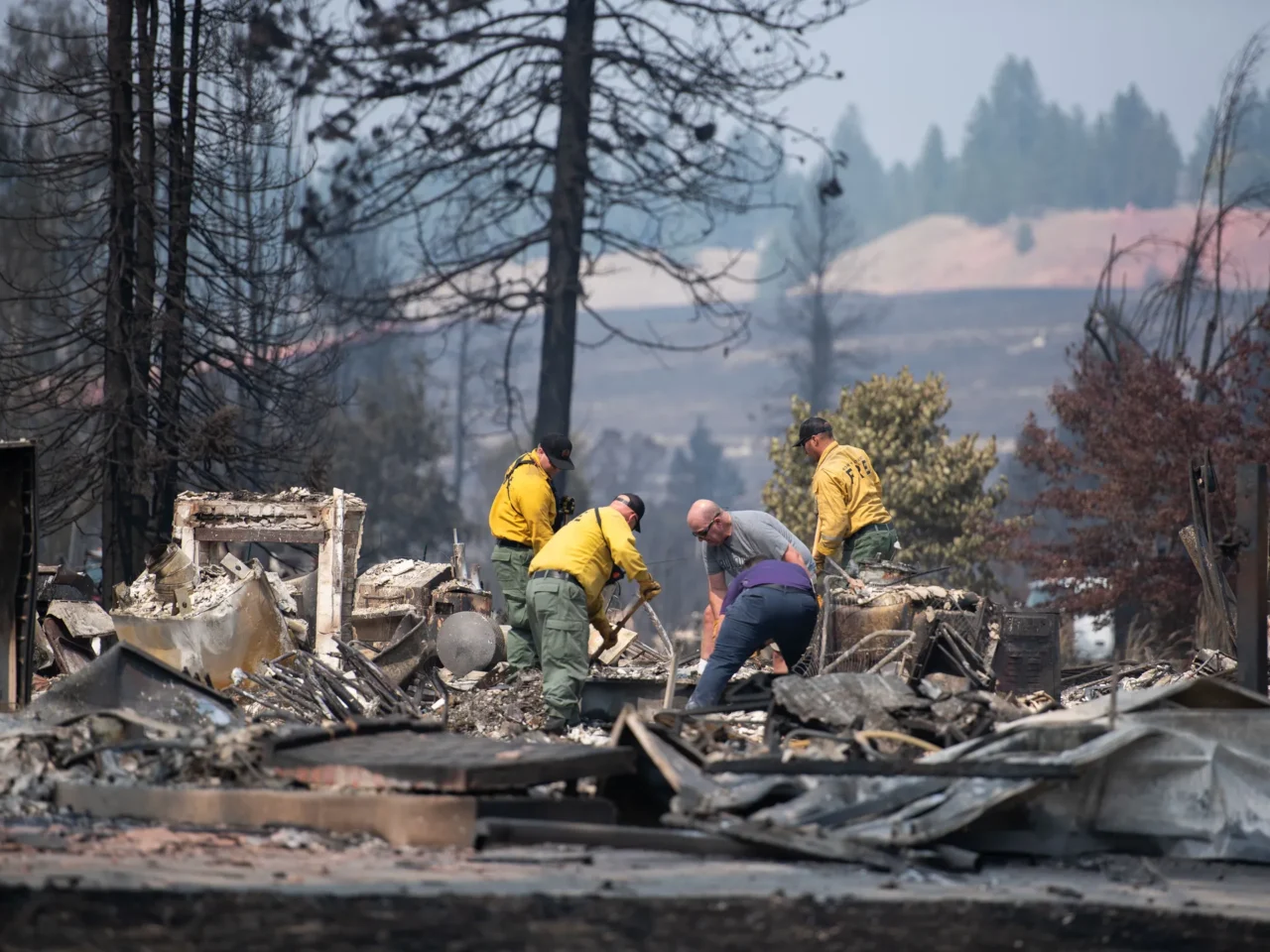
SPOKANE, Wash. – People across this metropolitan area of more than a half a million people are reeling from out-of-control wildfires that destroyed whole neighborhoods and forced the evacuation of an estimated 65,000 people.
But as emergency responders take stock of the damage, there’s a prevailing sense the disaster could have been far worse. While fire officials estimate more than 800 structures have been lost across Spokane County, there have been no reported deaths.
“People were able to get out within a reasonable amount of time, and we have not to this day learned of any deaths or injuries related to the evacuations or the fires,” Sarah Nuss, the city’s director of emergency management said this week.
That’s notable when compared to other recent destructive urban wildfires.
In January 2025, more than 30 people died in the Eaton and Palisades fires in Los Angeles County. On Maui in 2023, more than a 100 people were killed in the Lahaina fires. And two people died in the massive Marshall Fire near Boulder, Colorado in late 2021.
All were urban firestorms that ignited in wildlands but spread into a city where homes, not forests, became the fuel for rapid spread.
Spokane County Sheriff John Nowels pointed to the success of the city’s evacuation, which included not only whole neighborhoods, but also nursing homes, a dementia care center and the entire Veterans Affairs hospital campus.
“If you think about what that entails, the fact that we were able to get people out of those areas within several hours in an active fire is pretty incredible,” Nowels said.
Spokane fires followed extreme wildfire danger warning
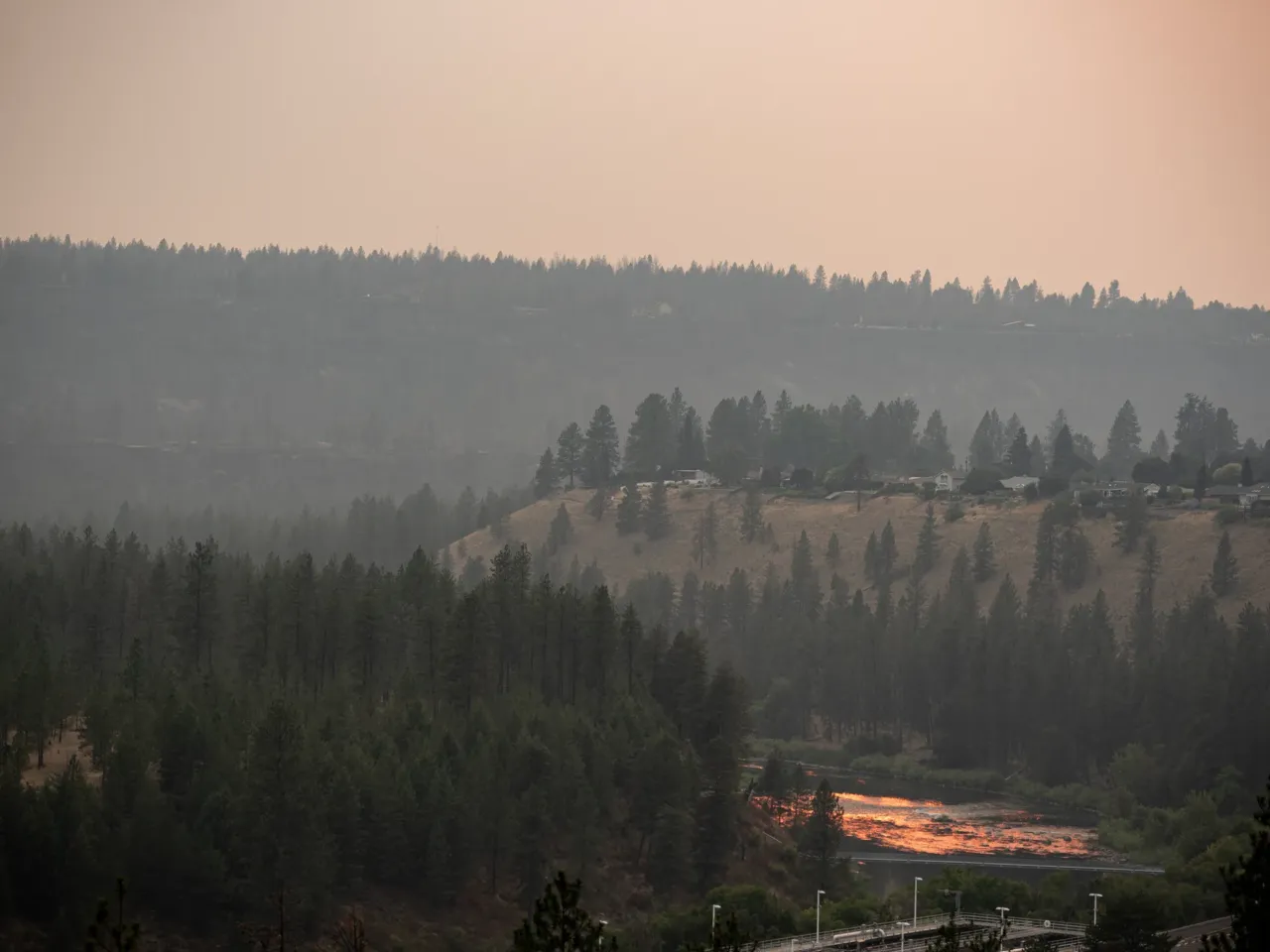
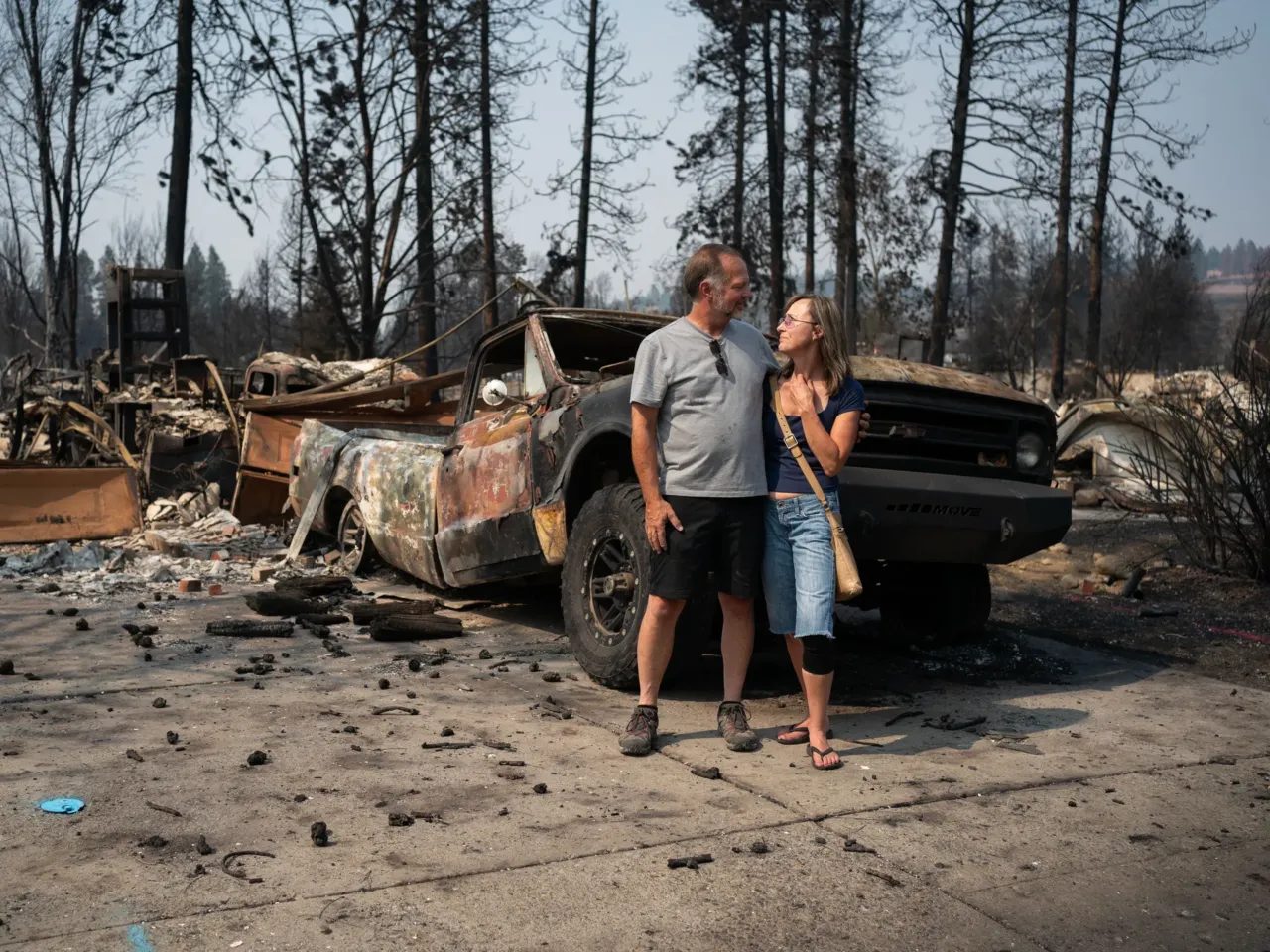
When the Old Trails Fire jumped the Spokane River on Saturday and raced into the tree-filled city, it burned right up to a park behind Terry and Warren Clark’s house. They could see the fire from their deck as they evacuated and helped their 91-year-old neighbor escape.
They had about an hour’s notice to pack up and leave.
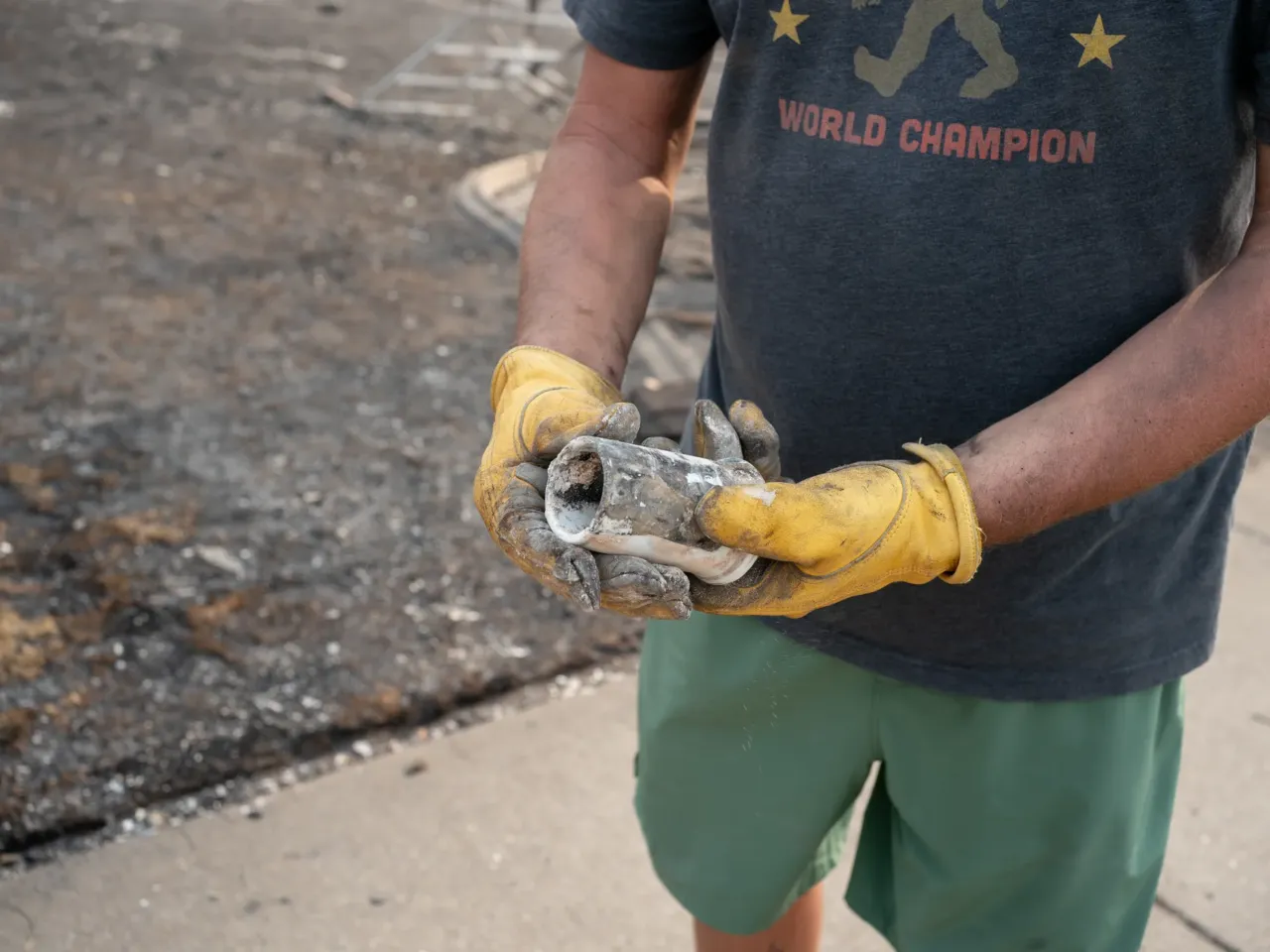
“As you can see, that’s a wooded area right behind our house, so we butt up to all of the fuel,” Warren Clark told NPR this week, as the couple visited their street where houses were destroyed, but theirs was spared.
The Clarks live in the middle of what fire officials call the Wildland Urban Interface, or WUI, where forests meet densely populated – and in Spokane’s case – long established neighborhoods.
No wildfire is the same, and it is not possible to pinpoint why lives were spared so far in the recent Spokane fires. But experts say jurisdictions across the West are getting better about coordinating during fires and learning from mistakes of the past.
Hugh Safford, an environmental science professor at the University of California at Davis and former fire ecologist with the U.S. Forest Service, said forecasting also has improved in the last 10 years.
“When you know there’s a big red flag warning, if there are resources available, i.e., there are trucks and firefighters who are not assigned to an active event, they’ll send them up there and they’ll be ready,” Safford said.
In Spokane, warnings of extreme heat and winds that could fuel large dangerous wildfires were widely publicized in advance.
Officials long worried about this kind of fire
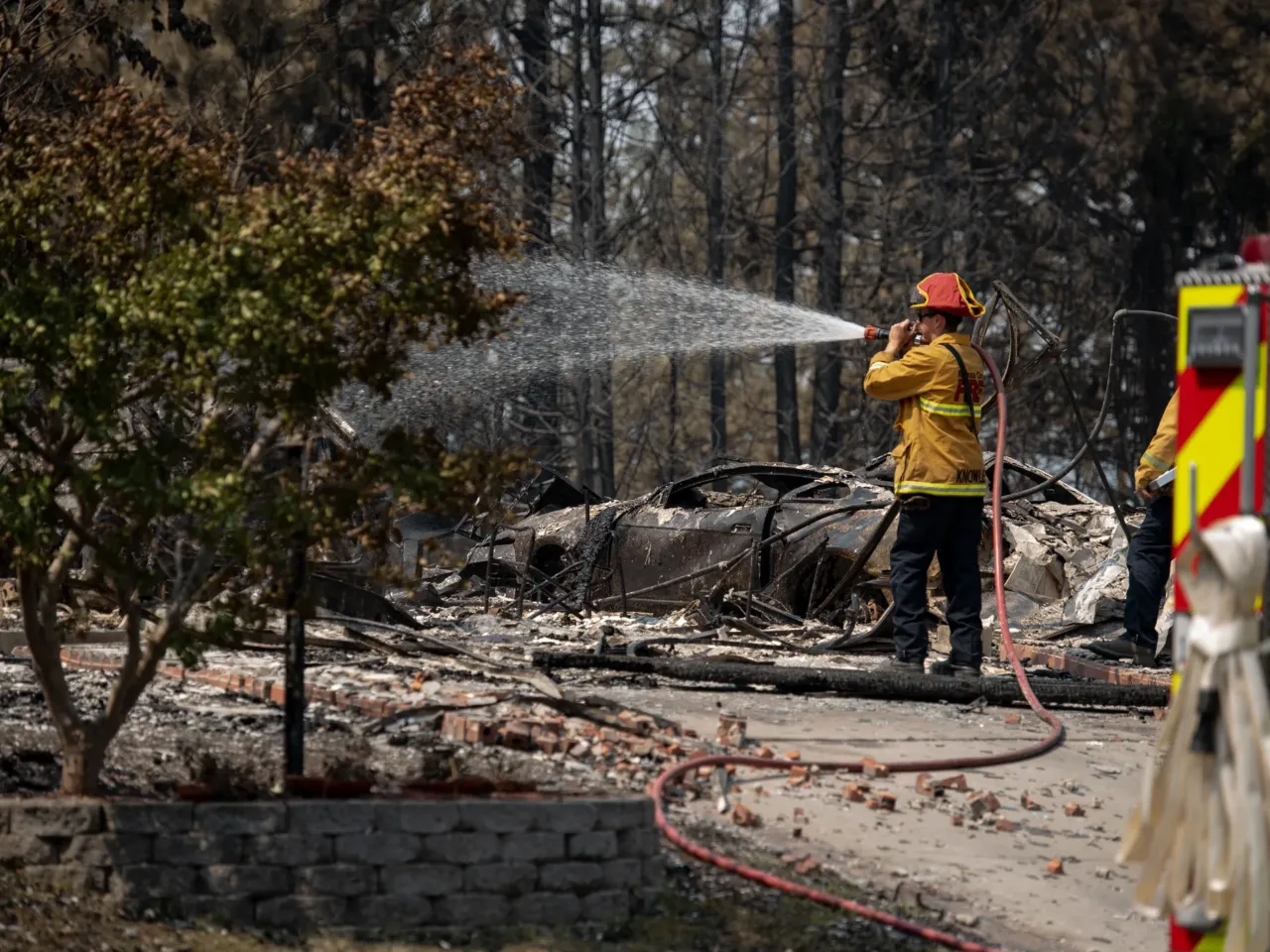
The inland Northwest is coming off one of its warmest and driest winters on record. But in Spokane, local leaders have been worried about this very kind of fire for years, and tried to prepare and get the word out.
“We’ve been warning about this,” said Nuss, the city’s emergency management director. “Wildfires have just been increasing over the past decade.”
Nuss said climate change has hit home in the form of longer and hotter summers and far less rainfall and winter snow. “And we are building into the wildland urban interface,” she added.
In the last year, Nuss’s office led two mass evacuation drills with hundreds of residents in fire prone neighborhoods built into dense stands of old growth pine. One had been scheduled for next spring in the same residential areas where the Old Trails fire continues to burn.
Nuss said she didn’t have the budget to do more and or do it sooner. But she thinks the two previous drills may have taught officials and residents how to better avoid traffic bottlenecks that can turn deadly.
Wildland firefighting is getting more dangerous
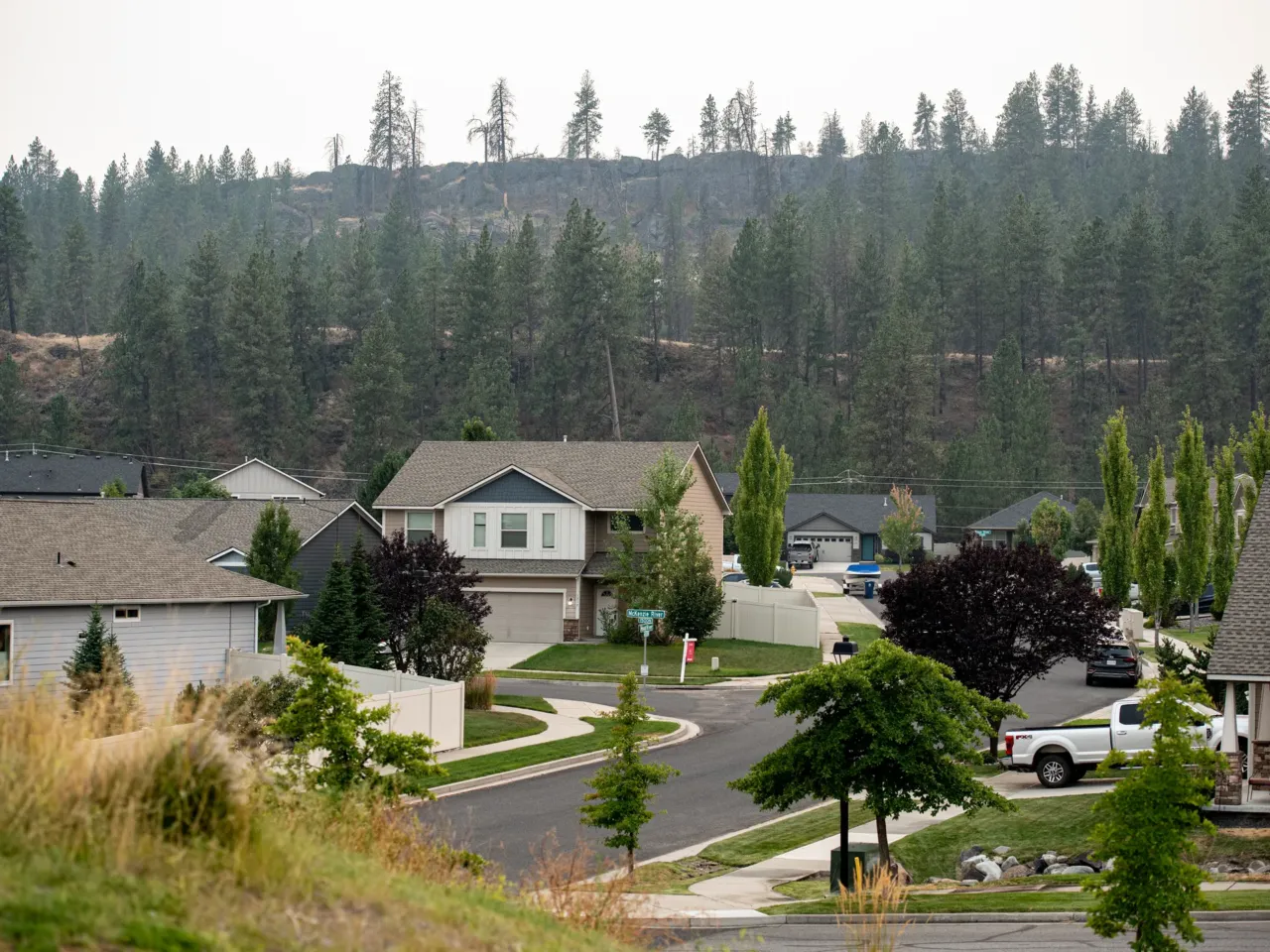
More fire and emergency response data from a rise in urban wildfires has given cities and first responders better information to manage wildfire crises in the moment.
But fire experts say little has been done to address the bigger picture, including rapid development into wildlands, a century or more of suppressing natural wildfires that reduce fuel fuel in forests and brush lands, and a rise in C02 gasses causing the climate to heat to record levels.
All of this is making the job of wildland firefighting more dangerous. Five firefighters have died battling wildfires in the past six weeks.
Jose Ibarra, a crew boss trainee from Salem, Oregon, helping to fight the fires in Spokane this week, said a lot of the wildland fires he fights these days are in towns, not forests.
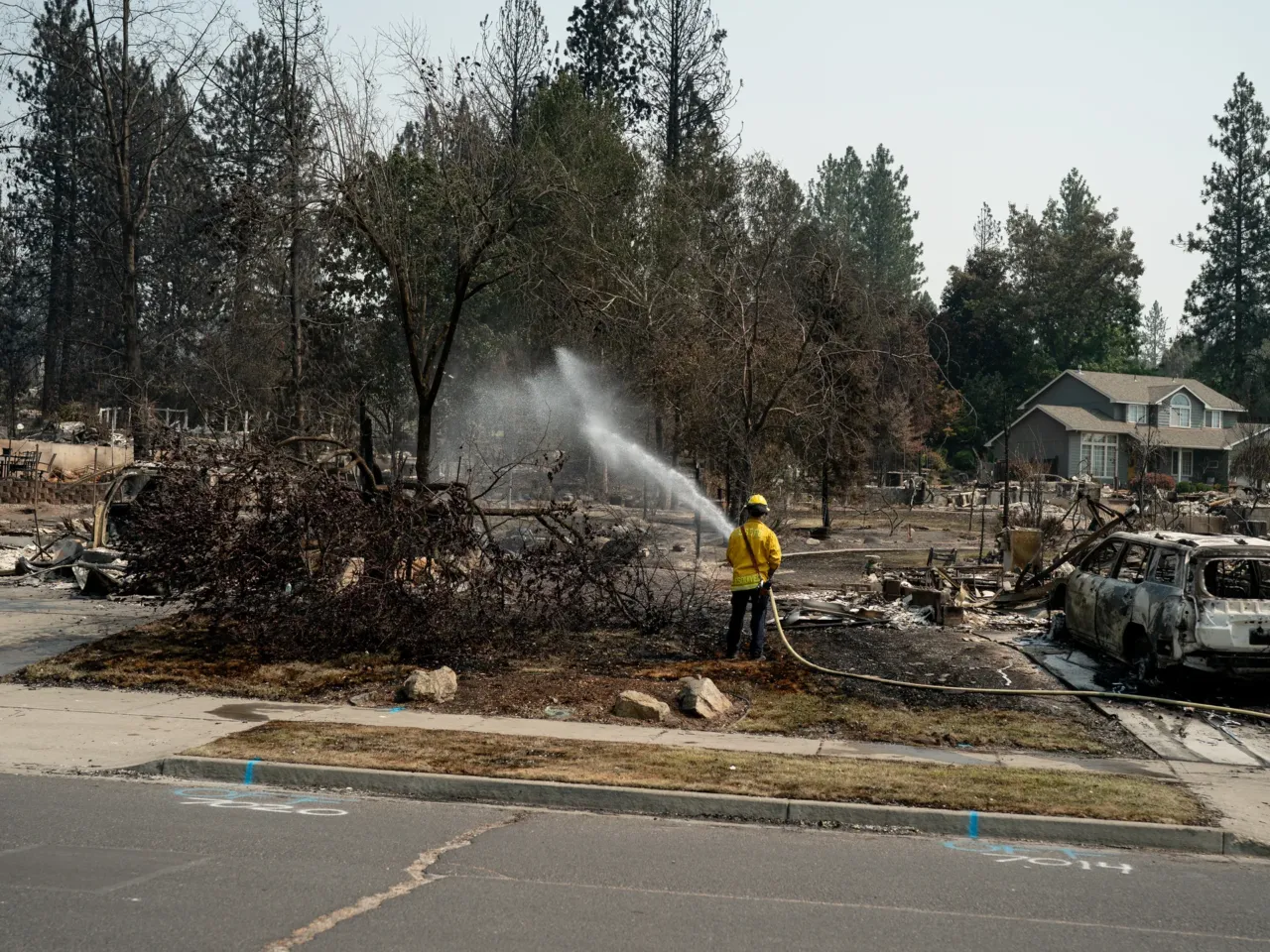
“Still a lotta work here,” he said, as he doused hot spots near where the Old Trails Fired leveled neighborhoods. “Don’t want it jumping the line and causing more damage to homes.”
One wind gust could cause a flare up.
Pointing to a smoldering tree, Ibarra said, “You can see right now … that stump is smoking, that’s why we’re here.”
Copyright 2026 NPR