

Emmanuel Akinwotu is an international correspondent for NPR. He joined NPR in 2022 from The Guardian, where he was West Africa correspondent.
He has reported in Africa since 2016, covering a wide range of prominent and under-reported stories, from the war in Sudan that has torn through the country and sparked one of the worst humanitarian crises and an exodus of refugees to neighboring countries, to the rise of military takeovers in West and Central Africa. He has covered the growing international dominance of African music, interviewing music stars from Angelique Kidjo to Tems and Davido, as well as the rise of the drill rap scene in Ghana, partly inspired by similar movements in Chicago, New York and London. He has reported on the growing flight of young people from Nigeria in search of a better life abroad, and from coastal towns in Senegal, covering the toll that widespread migration to Europe has on families left behind. In 2020, he reported from major protests in Nigeria against police brutality that, despite being violently suppressed, were a galvanizing moment for many young people seeking change.
Before The Guardian, he worked as a correspondent for Agence France-Presse news, working on misinformation and then as a general reporter on Nigeria, Ghana, Benin and Togo. Previous to that, he was a freelance reporter for The New York Times and other media. In 2018 he co-led a NYT investigation into how scores of Shia Muslim protesters were killed near the Nigerian capital, Abuja, by a special military unit directly answerable to Nigeria's president.
He is a once proud and now fairly tortured fan of Manchester United and the Philadelphia 76ers. He was born in London and moved to Lagos in 2016, in reverse to the move his parents made when they left Nigeria for the U.K. in the 1980s. Emmanuel notes his dad has gone from concern about the merits of this decision, to taking full credit for it.
-
Along West Africa's slave coast, a painful past is being preserved — and marketed — raising questions about memory, tourism,...
-
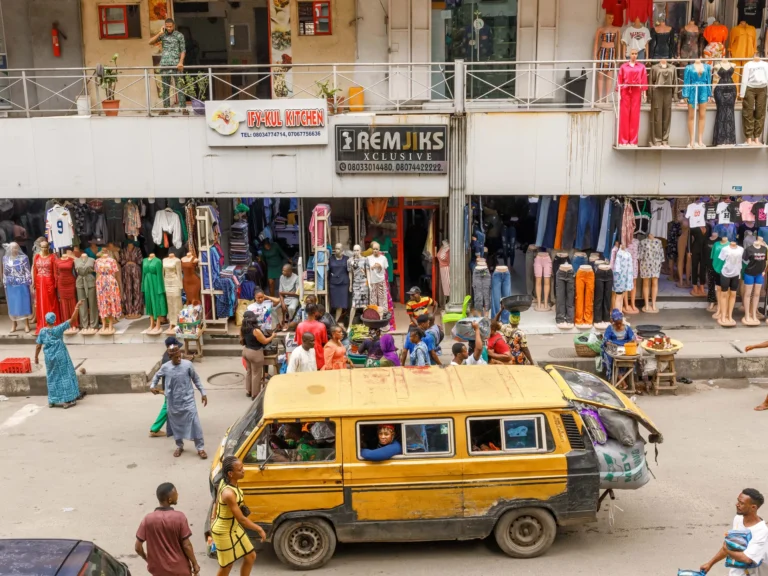 A 600-mile journey along the shores of Nigeria, Togo, Ghana and Ivory Coast reveals one of the world's most consequential...
 -
Golden, crisp, and deeply rooted—from the kitchens of Nigeria to breakfast tables across the Americas—discover how Akara crossed oceans in...
-
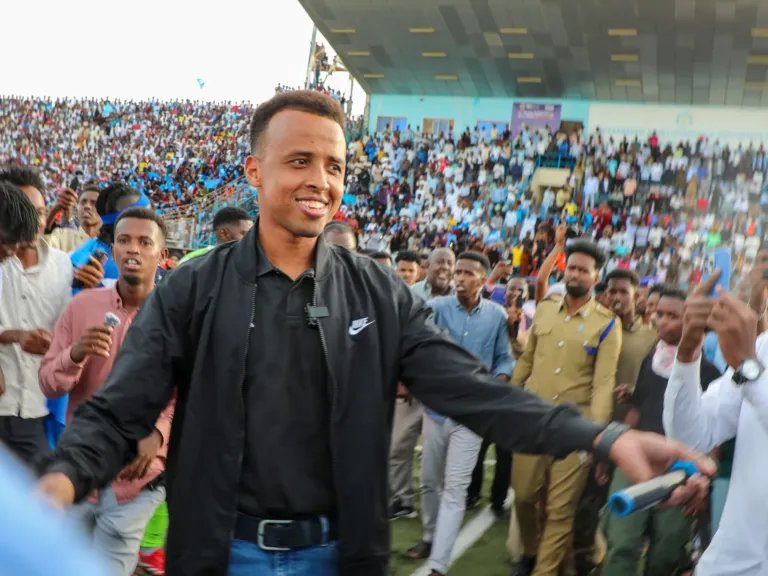 A World Cup dream denied — Somali referee Omar Artan receives a hero's welcome at home after being blocked from...
 -
The new report by the Uppsala Conflict Data Program said the massacres in El Fasher pushed one-sided violence in Africa...
-
Mali's worsening crisis sees jihadist and separatist advances, deepening instability and increasing fears of wider Sahel regional collapse.
-
As Pope Leo continues his 11-day tour of Africa, the visit is being overshadowed by tensions with Washington.
-
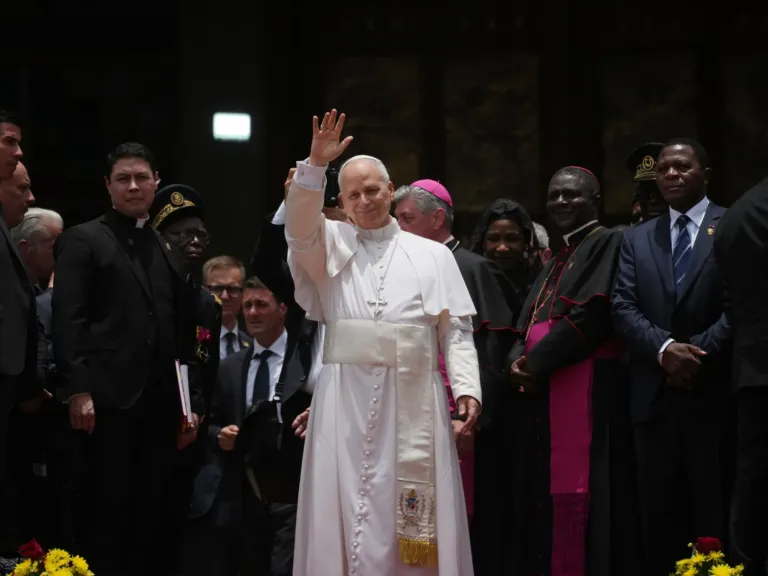 Pope Leo XIV condemns "tyrants" fueling war with billions. His calls for global peace during his Africa trip come amid...
 -
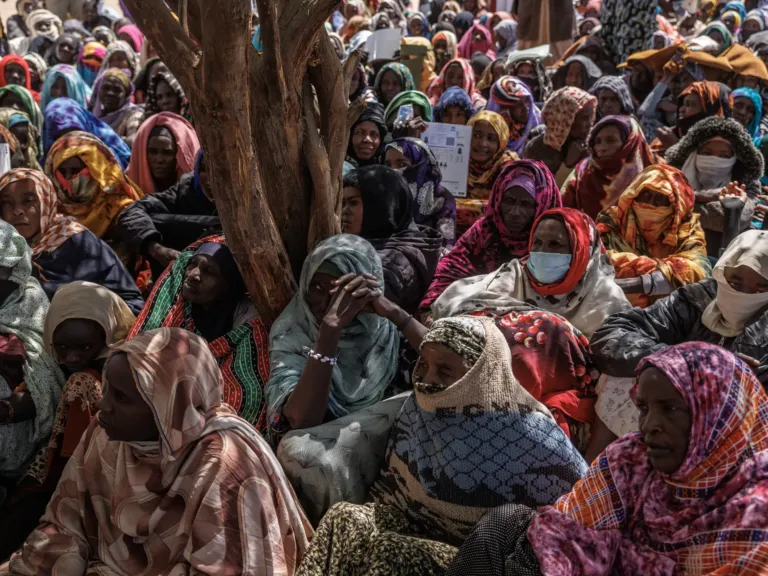 While parts of Sudan's capital show fragile signs of life, across the country the conflict between the army and a...
 -
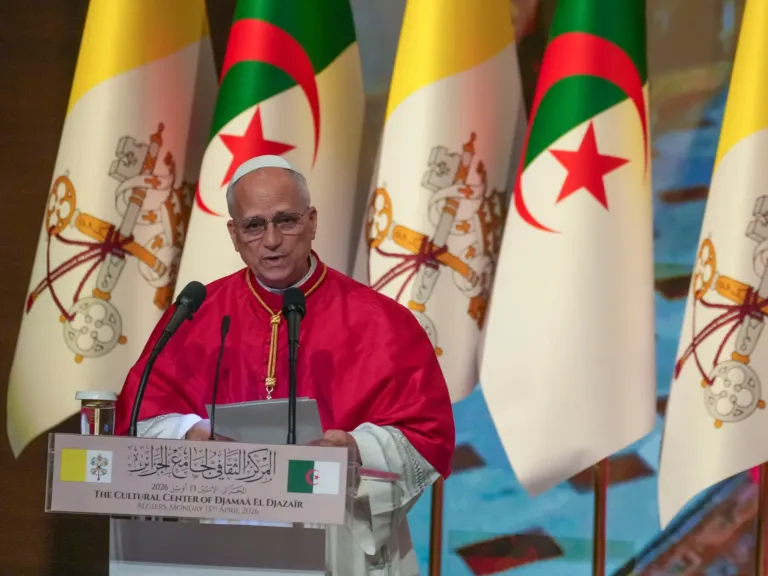 Pope Leo XIV says he will not be deterred by criticism from President Trump, vowing to continue his calls for...
 -
Even in Africa's most populous country, attitudes about family size oare starting to shift. The change in thinking is most...
-
Lagos bursts into color as the vibrant Lagos Fanti Carnival celebrates the Afro-Brazilian heritage of the "Aguda," formerly enslaved people...